
Diving at Red Oak (United States)
Off South Jersey in the Atlantic, the Red Oak Cutter wreck delivers a non-tropical diving experience. This artificial reef rests on the seabed, presenting a defined structure for exploration. While the wreck provides opportunities for focused exploration, the broader region features dynamic submerged sandstone ledges and historic dock cribs in other US freshwater systems, highlighting diverse underwater topographies.
Evening condition tracking at Red Oak features an air temperature of 24°C. We have recorded wave heights measuring 0.6 m during this period. These figures outline the environmental parameters currently present.
Dive Site Location & Key Facts
Dive Site Overview
Diving a non-tropical wreck such as the Red Oak Cutter in the Atlantic demands specific preparation for colder water and potentially variable conditions. Situated at approximately 18 m (60 ft), the wreck is accessible for Advanced Open Water (AOW) certified divers with suitable cold water experience.
Typically, divers descend using a 'Carolina rig,' following a line from the back of the boat to the anchor line at the bow before reaching the wreck itself. Around the wreck, navigation often means staying close to the anchor line unless a safety reel and line are deployed; currents can be a factor. Dives here usually focus on the wreck's exterior, as non-penetration is generally recommended for those new to this environment.
Even for divers experienced with deeper tropical wrecks or temperate quarry dives, Atlantic conditions present unique considerations for visibility and thermal protection.
Conditions are Moderate
Optimal conditions expected
Current conditions near Red Oak show 24° air, 24° sea temperature, 1.1 m waves, and 35 km/h wind. Forecast data is refreshed regularly to ensure accuracy.
Best Time to Dive
Off the US Atlantic coast, including for the Red Oak Cutter, diving conditions show distinct seasonal shifts. Summer months, particularly July and August, generally present the most favorable conditions, with average air temperatures peaking around 24°C (76°F) in July, correlating with 'Good' dive scores. June also offers a 'Good' rating, showing average air temperatures near 20°C (68°F). During warmer periods, surface water temperatures might reach 21°C (70°F), though deeper sections of the water column remain significantly cooler, often in the 4-15°C (40s-50s°F) range. Colder months, from January through March, see average air temperatures ranging from 2°C (36°F) to 7°C (45°F), leading to 'Moderate' dive scores and requiring specialized exposure protection. Rainfall remains relatively low throughout the year; wave height tends to decrease during summer, contributing to calmer surface conditions.
PEAK SEASON SCORE
Scores combine air & water temps, waves, wind & rainfall for overall conditions.
BEST MONTHS TO DIVE
Monthly records compiled from satellite and marine observation nodes over the last 3 years. Data provided by Open-Meteo and MET Norway.
Dive Experience & Conditions
At approximately 18 m (60 ft) of depth, the Red Oak Cutter wreck offers a solid recreational dive. Many Atlantic charter boats utilize a 'Carolina rig' system; divers typically descend from the stern, following a line to the main anchor line at the bow, then continuing to the seabed. Maintaining proximity to the anchor line is a key strategy for navigation once at the wreck, particularly if currents are present. Divers should consider deploying a reel and line if venturing beyond the immediate vicinity of the anchor. Visibility can fluctuate widely, ranging from 3 to 24 m (10 to 80 ft), though it can be reduced to zero under certain weather impacts or after storm runoff. Such variations make a dive light an essential tool for navigation and observing the wreck's features, regardless of the reported visibility.
Dive Difficulty & Safety Guidelines
Like many Atlantic wrecks, diving the Red Oak Cutter demands meticulous safety planning and adherence to established protocols. Divers should carry a cutting tool and a dive light for safety and navigation. Managing air conservatively is crucial; some charter operators may mandate the use of doubles or pony bottles, so confirm requirements beforehand.
Always have a surface marker buoy (SMB) ready for deployment in case of separation from the anchor line or the group. Monitoring current weather conditions and marine forecasts is vital, as Atlantic weather can change rapidly.
For an emergency, being proficient in CPR and emergency procedures is non-negotiable. Maintain clear communication with your dive party and boat crew. For any severe incidents, the US Coast Guard monitors marine channel 16.
Recommended Equipment
- Dive Computer
This gear list is based on verified equipment signals for Red Oak, United States. Always confirm final gear choices with your dive operator, guide, or liveaboard.
Recommended Dive Suit
Short-term weather patterns suggest stable conditions for divers visiting the area.
Thermal protection such as 3-5mm wetsuit is commonly used in similar temperatures.
At Red Oak, the water is currently sitting around 24°C (74°F). Surface air temperatures are resting at 24°C (75°F).
Emergency & Medical Support
Essential information to help you plan your dive trip to Red Oak.

Hyperbaric chambers are a critical part of dive safety infrastructure. Availability varies significantly by region, and not all dive areas have immediate access.
Before diving, it's recommended to:
- confirm nearest medical facilities
- check emergency procedures with local dive operators
- ensure dive insurance covers evacuation if required
Divers Alert Network
Diving emergency assistance available through DAN World.
+1-919-684-9111- 24/7 emergency hotline
- Diving medical assistance
- Evacuation coordination
Emergency contacts are provided for reference. Always verify local emergency services before diving.
Marine Life at Red Oak
Specific marine life data for the Red Oak Cutter is not consistently reported, but artificial structures like wrecks often attract temperate water species. Divers exploring such sites can anticipate encounters with various fish seeking shelter, along with crustaceans and anemones colonizing the wreck's surfaces.
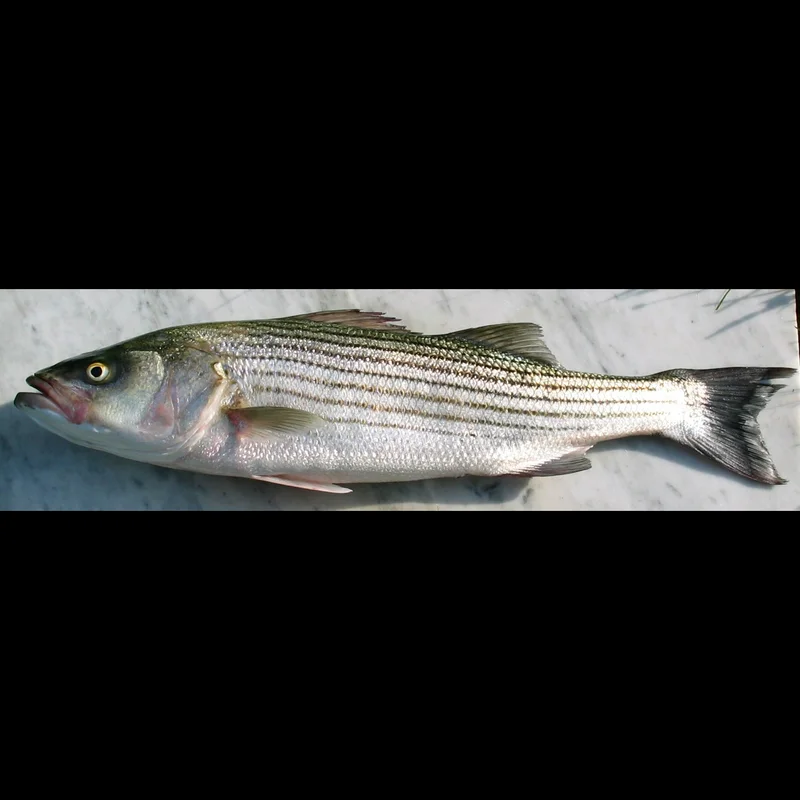
Observable species often include tautog, black sea bass, and sometimes small schooling fish, especially during warmer months. These animals benefit from the wreck's hard surfaces for attachment and protection from predators.
Presence of these marine inhabitants can vary depending on seasonal conditions and the wreck's location within its particular ecosystem.

Dive Centers Near Red Oak
Nearest Airports
Nearest airports to help plan travel to this dive area.
Search Flights
Check available flights and routes on Expedia, using the nearby airports listed in this section.
Search Flights on Expedia
Plan Your Stay
Looking for a place to stay for your dive trip? Explore hotels, stays, and vacation rentals for dive groups near North Wildwood.
Dive Navigator may earn a commission from these links at no extra cost to you.
Frequently Asked Questions
What is the typical depth of the Red Oak Cutter wreck?
The Red Oak Cutter wreck is located at an approximate depth of 18 m (60 ft). This makes it a suitable dive for Advanced Open Water certified divers.
What kind of exposure protection is recommended for this dive?
Due to the cool Atlantic waters, a full quarter-inch wet suit is generally recommended. For spring and fall dives, or for divers sensitive to cold, a dry suit is often preferred to maintain comfort.
How do divers typically descend to the wreck?
Many charter boats use a 'Carolina rig' system. Divers will typically descend from the back of the boat, follow a line forward to the main anchor line, and then descend directly down to the wreck.
What is the typical visibility like at the Red Oak Cutter?
Visibility can be quite variable, ranging from 3 to 24 m (10 to 80 ft). However, conditions can sometimes reduce visibility to near zero, especially after storms or due to runoff.
Are there any specific safety gear recommendations for this dive?
Yes, divers should always carry a cutting tool and a dive light. It's also highly recommended to have a surface marker buoy (SMB) and consider using a reel and line if planning to explore away from the main anchor line.
When is the best time of year to dive the Red Oak Cutter?
The summer months, particularly July and August, generally offer the most favorable conditions with warmer air temperatures and calmer seas. However, dives are possible year-round with appropriate cold water gear.
What marine life can be expected around the wreck?
While specific species are not regularly documented for this wreck, artificial reefs typically attract various temperate fish species, crustaceans, and other invertebrates seeking shelter and food sources.
Planning to dive Red Oak?
Send one inquiry and receive offers directly from the best verified local dive operators.
Conditions are Moderate
Optimal conditions expected
Current conditions near Red Oak show 24° air, 24° sea temperature, 1.1 m waves, and 35 km/h wind. Forecast data is refreshed regularly to ensure accuracy.