
Diving at Rfra Reef #13 (United States)
RFRA Reef #13 lies within the expansive Southeast Florida Reef Tract, a significant linear reef system extending parallel to the coastline. This particular site shares characteristics with the outer reefs, notably featuring distinctive spurs and grooves. These formations, created by ancient elkhorn corals growing perpendicular to incoming waves, enhance the structural complexity. Proximity to shore allows for relatively short boat rides, making it readily accessible.
Midday environmental data at Rfra Reef #13 reports an ambient temperature of 27.5°C. Surface tracking indicates wave heights of approximately 0.9 m. This summarizes the present water and weather conditions.
Dive Site Location & Key Facts
Dive Site Overview
Exploring RFRA Reef #13 offers a glimpse into a geological narrative stretching back to the last glacial period. This segment of the Southeast Florida reef tract developed atop submerged lithified sand dunes, which formed as sea levels rose.
Linear reefs, running from Miami-Dade to Palm Beach County, represent one of the Western Atlantic's longest continuous reef structures. Over millennia, coral communities have reformed on older, foundational structures, shaping the vibrant environment seen today.
Gaps visible in the reef system were historically carved by ancient rivers and inlets, creating natural 'canyon'-like breaks that divers can navigate. The Gulf Stream current often flows near the shoreline, bathing these coral reefs in consistently clear, warm water, which supports a diverse ecosystem.
Many sections of the outer reefs, including potentially RFRA Reef #13, exhibit collapsed features on the reef top, now covered with sand, creating pronounced ledges and areas of sandy bottom that divers can explore. Such structural variety provides shelter and habitat, enhancing the overall dive experience.
Understanding the ancient origins of these formations adds a rich layer to appreciating the reef's dynamic environment.
Conditions are Good
07:00 - 14:00
Optimal conditions expected
Current conditions near Rfra Reef #13 show 28° air, 30° sea temperature, 0.4 m waves, and 23 km/h wind. Forecast data is refreshed regularly to ensure accuracy.
Best Time to Dive
Optimal diving conditions for RFRA Reef #13 often align with the summer months, specifically July and August, when wave heights are at their lowest, averaging around 0.5-0.6 m (1.6-2.0 ft). Air temperatures during this period are also quite comfortable, ranging from 28.5-29°C (83-84°F). While water temperature data isn't consistently reported, the Gulf Stream typically ensures warm conditions. Throughout the year, the dive score remains 'Good', indicating generally favorable conditions for diving. Conversely, winter months, particularly January, February, and December, present slightly choppier conditions with wave heights between 0.8-1.0 m (2.6-3.3 ft) and cooler air temperatures, ranging from 12-15.5°C (54-60°F). Rainfall is relatively consistent across all seasons, so it does not significantly impact seasonal dive planning.
PEAK SEASON SCORE
Scores combine air & water temps, waves, wind & rainfall for overall conditions.
BEST MONTHS TO DIVE
Monthly records compiled from satellite and marine observation nodes over the last 3 years. Data provided by Open-Meteo and MET Norway.
Dive Experience & Conditions
Upon descent at RFRA Reef #13, divers will notice the clear waters often associated with the nearby Gulf Stream. The site is characterized by the 'spurs and grooves' topography, which creates natural channels and ridges for exploration. Diving here frequently involves drift diving, leveraging the prevailing currents that run parallel to the shoreline, allowing divers to cover more reef area with less effort. Recreational divers can explore depths commonly found in the broader reef tract, ranging from shallower sections down to approximately 40 m (130 ft), though specific features may be encountered at various depths. Navigating these formations, divers can observe the intricate structures built by ancient corals. Visibility typically remains good, contributing to an enjoyable underwater experience.
Dive Difficulty & Safety Guidelines
Diving RFRA Reef #13 requires a sound understanding of local currents, as drift diving is a common approach. Divers should always plan their drift with boat support to ensure safe pickup at the reef's end. Proper buoyancy control is essential to protect the delicate reef structures, especially when exploring the distinctive spurs and grooves.
Maintain a safe distance from marine life and avoid touching corals. Given the presence of currents, it's advisable for divers to be comfortable with moderate conditions and be proficient in deploying a surface marker buoy (SMB) for visibility by the dive boat.
Always dive within your certification limits and consider the prevailing weather and sea state before entering the water.
Recommended Equipment
- Dive Computer
This gear list is based on verified equipment signals for Rfra Reef #13, United States. Always confirm final gear choices with your dive operator, guide, or liveaboard.
Recommended Dive Suit
Dive skin or rash guard is widely used for recreational dives in waters of this temperature. Consider warmer surface protection (like a boat coat) due to brisk winds. Water conditions at Rfra Reef #13 are currently measured at approximately 30°C (87°F). Surface air temperatures are resting at 28°C (82°F).
Forecast models show minimal temperature variation in the coming days.
Water temperatures can occasionally shift throughout the day depending on currents and depth layers.
Due to technical issues with our weather providers, data hasn't been fetched for over 48 hours. The data above reflects the conditions at the time of the last successful fetch.
Emergency & Medical Support
Essential information to help you plan your dive trip to RFRA Reef #13.

Hyperbaric chambers are a critical part of dive safety infrastructure. Availability varies significantly by region, and not all dive areas have immediate access.
Before diving, it's recommended to:
- confirm nearest medical facilities
- check emergency procedures with local dive operators
- ensure dive insurance covers evacuation if required
Divers Alert Network
Diving emergency assistance available through DAN World.
+1-919-684-9111- 24/7 emergency hotline
- Diving medical assistance
- Evacuation coordination
Emergency contacts are provided for reference. Always verify local emergency services before diving.
Marine Life at Rfra Reef #13
This section of the Southeast Florida Reef Tract supports a rich diversity of marine life. Hundreds of species of fish thrive among the coral formations, making for engaging observations.
Divers frequently encounter a variety of reef fish populating the ledges and crevices of the ancient, reformed coral structures. Observing these patterns of marine inhabitants moving through the natural channels of the 'spurs and grooves' provides insight into the reef's ecosystem.
Dive Centers Near Rfra Reef #13
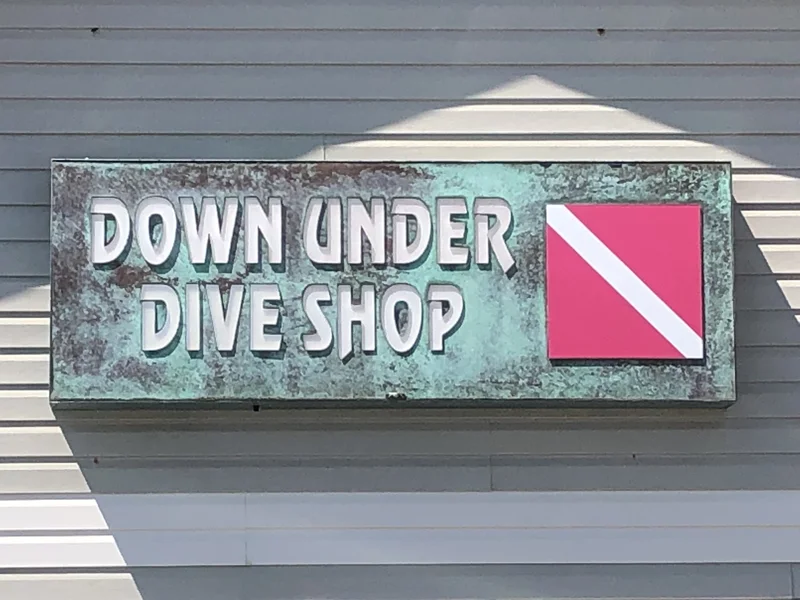
Today: 10:00 - 18:00
Nearest Airports
Nearest airports to help plan travel to this dive area.
Search Flights
Check available flights and routes on Expedia, using the nearby airports listed in this section.
Search Flights on Expedia
Plan Your Stay
Looking for a place to stay for your dive trip? Explore hotels, stays, and vacation rentals for dive groups near Gulf Breeze.
Dive Navigator may earn a commission from these links at no extra cost to you.
Frequently Asked Questions
What are the typical depths at RFRA Reef #13?
Depths across the Southeast Florida Reef Tract vary. For RFRA Reef #13, similar to other reef sites in the area, you can expect to dive within recreational limits, typically ranging from shallower sections down to about 40 m (130 ft).
Is drift diving common at this site?
Yes, drift diving is very common across the reefs in this region. The prevailing currents run parallel to the shoreline, creating ideal conditions to explore more of the reef by drifting from one end to the other, where dive boats typically pick up divers.
What are 'spurs and grooves'?
Spurs and grooves are geological formations created by ancient elkhorn corals. They grew perpendicular to incoming wave fronts, forming ridges (spurs) separated by channels (grooves). This unique topography is a significant feature of the outer reefs in this area.
How close is RFRA Reef #13 to shore?
The reef tracts in Southeast Florida are generally very close to shore, making for short boat rides to dive sites. Some reefs are even accessible by swimming from the beach, though specific access for RFRA Reef #13 would typically be via boat.
What is the historical origin of the reefs in this area?
The current reef communities sit on top of ancient beach ridge complexes and submerged lithified sand dunes. Coral growth initiated as sea levels rose after the last glacial period, with corals eventually reforming on these old structures over thousands of years.
When is the best time of year to dive RFRA Reef #13?
The summer months, particularly July and August, generally offer the most favorable conditions with lower wave heights and warmer air temperatures. However, the site maintains a 'Good' dive score year-round, indicating suitable diving conditions across all seasons.
Planning to dive Rfra Reef #13?
Send one inquiry and receive offers directly from the best verified local dive operators.
Conditions are Good
07:00 - 14:00
Optimal conditions expected
Current conditions near Rfra Reef #13 show 28° air, 30° sea temperature, 0.4 m waves, and 23 km/h wind. Forecast data is refreshed regularly to ensure accuracy.