
Diving at Rhino (United States)
Lake Tahoe diving offers exceptional visibility, allowing divers to explore clear waters year-round. Dive sites range from accessible craggy outcrops to dramatic deep walls. Despite colder conditions, specialized equipment ensures a comfortable and extended dive season. This destination caters to both introductory training and advanced technical diving aspirations.
Midday environmental data at Rhino reports an ambient temperature of 23.5°C. Surface tracking indicates wave heights of approximately 0.9 m. This summarizes the present water and weather conditions.
Dive Site Location & Key Facts
Dive Site Overview
Preparing for a dive in Lake Tahoe involves considering its distinctive high-altitude environment. This unique body of water in the United States provides a freshwater diving experience, setting it apart from typical coastal sites.
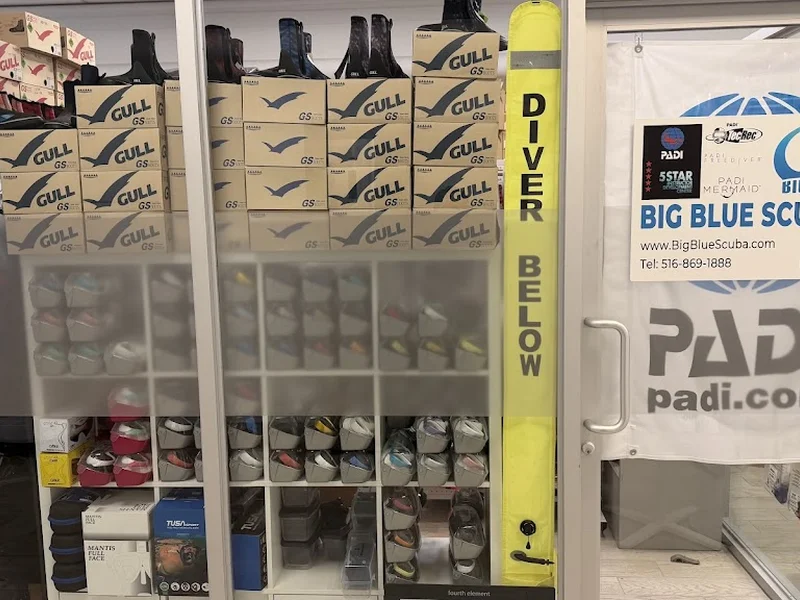
Dive operators in the Reno area act as gateways to these underwater landscapes, which include varied topography from shallow rock formations to profound underwater cliffs. Divers can engage in 'fun dives' offered regularly, exploring the lake's rich history and natural features. Comprehensive training programs are available, covering everything from basic open water certification to advanced technical and rebreather courses.
Adventure Scuba and Sierra Diving Center frequently organize trips and classes, ensuring divers have access to local expertise and support throughout the year. The underwater world here supports diverse ecosystems that have thrived for millions of years, offering unique observational opportunities.
Conditions are Good
Optimal conditions expected
Current conditions near Rhino show 24° air, 23° sea temperature, 1.0 m waves, and 37 km/h wind. Forecast data is refreshed regularly to ensure accuracy.
Best Time to Dive
Optimizing a dive trip to Lake Tahoe often means targeting the warmer months when surface conditions are most favorable. July typically presents the most conducive environment, with average air temperatures reaching approximately 24°C (75°F), minimal rainfall around 2.6 mm, and the lowest average wave heights at about 0.9 m (3.0 ft). June also offers good conditions, with slightly cooler air and similarly low wave activity. While diving is possible year-round due to the use of dry suits, these summer months provide a more comfortable surface experience, with less wind (averaging 28.5 km/h or 17.7 mph in July) and clearer skies. Conversely, winter months, particularly January, see air temperatures drop to around 2°C (36°F) and higher winds, making surface intervals more challenging.
PEAK SEASON SCORE
Scores combine air & water temps, waves, wind & rainfall for overall conditions.
BEST MONTHS TO DIVE
Monthly records compiled from satellite and marine observation nodes over the last 3 years. Data provided by Open-Meteo and MET Norway.
Dive Experience & Conditions
Entering the waters of Lake Tahoe, divers are immediately struck by its exceptional clarity, a defining feature for underwater exploration. The underwater landscape transitions from gentle slopes to impressive deep walls and craggy outcrops. Water temperatures aren't consistently reported across all depths, yet general conditions necessitate specialized thermal protection for comfort. High-altitude diving protocols are an inherent part of the experience here, requiring specific training and dive planning adjustments. These conditions contribute to a distinctive freshwater diving sensation, different from typical ocean environments. Visibility often remains excellent, allowing for expansive views of the underwater topography. This can include both natural rock formations and historical elements. Divers should anticipate a refreshing environment regardless of the season.
Dive Difficulty & Safety Guidelines
Diving safely in Lake Tahoe requires adherence to specific protocols, primarily due to its high-altitude environment. Divers must be properly trained in altitude diving procedures to manage gas consumption and decompression limits effectively. Cold water diving competence, often involving dry suit certification, is also critical for comfort and safety given the lake's temperatures.
Professional dive centers in the Reno area provide relevant courses, including Dry Suit Diver and Enriched Air/Nitrox certifications, which are beneficial here. Regular equipment maintenance and skill updates are advised, especially for those who haven't dived in a while.
Local dive shops are PADI and TDI certified, offering reliable training and guidance to mitigate potential challenges.
Recommended Equipment
- Dive Computer
This gear list is based on verified equipment signals for Rhino, United States. Always confirm final gear choices with your dive operator, guide, or liveaboard.
Recommended Dive Suit
Individual comfort in the water can vary significantly from diver to diver, even under the same conditions.
For most recreational dives, 3-5mm wetsuit should provide comfortable protection. Consider warmer surface protection (like a boat coat) due to brisk winds. Forecast conditions over the next few days suggest temperatures will remain relatively stable.
Current temperature readings suggest that the water at Rhino is around 23°C (74°F). Surface air temperatures are resting at 24°C (75°F).
Due to technical issues with our weather providers, live updates are temporarily delayed. The data above reflects the conditions at the time of the last successful fetch.
Emergency & Medical Support
Essential information to help you plan your dive trip to Rhino.

Hyperbaric chambers are a critical part of dive safety infrastructure. Availability varies significantly by region, and not all dive areas have immediate access.
Before diving, it's recommended to:
- confirm nearest medical facilities
- check emergency procedures with local dive operators
- ensure dive insurance covers evacuation if required
Divers Alert Network
Diving emergency assistance available through DAN World.
+1-919-684-9111- 24/7 emergency hotline
- Diving medical assistance
- Evacuation coordination
Emergency contacts are provided for reference. Always verify local emergency services before diving.
Marine Life at Rhino
While specific species are not detailed in available reports for Lake Tahoe, the region's diverse underwater ecosystems are noted to have existed for millions of years. Divers exploring the various craggy outcrops and deep walls may encounter freshwater fish species adapted to the lake's unique environment.
Observing the subtle interactions within this freshwater setting provides a different perspective compared to marine dive sites. The focus often shifts to geological formations and the clarity of the water itself as primary points of interest, complementing any wildlife sightings.
Dive Centers Near Rhino

Today: 08:00 - 18:00

Nearest Airports
Nearest airports to help plan travel to this dive area.
Search Flights
Check available flights and routes on Expedia, using the nearby airports listed in this section.
Search Flights on Expedia
Plan Your Stay
Looking for a place to stay for your dive trip? Explore hotels, stays, and vacation rentals for dive groups near North Beach Haven.
Dive Navigator may earn a commission from these links at no extra cost to you.
Frequently Asked Questions
Is Lake Tahoe suitable for beginner divers?
Yes, Lake Tahoe offers opportunities for divers of all levels. Local dive centers provide basic Open Water certification classes, allowing new divers to learn in a unique freshwater, high-altitude setting. Shallower sections of dive sites are often utilized for training and initial experiences.
What is the typical water temperature in Lake Tahoe?
Specific water temperature data is not consistently reported. However, Lake Tahoe is generally known for its cold water, requiring adequate thermal protection. Dry suits are highly recommended and frequently used by divers exploring the lake year-round.
What kind of dive sites can be found in Lake Tahoe?
Lake Tahoe features a variety of dive sites, ranging from accessible craggy outcrops to dramatic deep walls. The underwater topography offers diverse exploration, including rock formations and potential historical elements depending on the specific location. These sites cater to different skill levels and interests.
Do I need special training to dive in Lake Tahoe?
Yes, high-altitude diving training is essential due to Lake Tahoe's elevation. Additionally, given the cold water, dry suit certification is strongly recommended for comfort and safety. Local PADI and TDI dive centers offer these specialized courses.
When is the best time for diving in Lake Tahoe?
While year-round diving is possible with proper gear, July and June generally offer the most favorable surface conditions. These months feature higher air temperatures, lower wave heights, and reduced wind speeds, enhancing the overall dive experience. Visibility tends to be excellent during these periods as well.
Are there opportunities for technical diving in Lake Tahoe?
Yes, Lake Tahoe is a destination for technical diving, with local centers offering advanced training. Divers can pursue courses like Tec Deep Diver, Tec Trimix, and Rebreather training. The deep walls and clear conditions lend themselves to more advanced exploration.
Planning to dive Rhino?
Send one inquiry and receive offers directly from the best verified local dive operators.
Conditions are Good
Optimal conditions expected
Current conditions near Rhino show 24° air, 23° sea temperature, 1.0 m waves, and 37 km/h wind. Forecast data is refreshed regularly to ensure accuracy.