
Diving at Rhode Island (United States)
Uncovering the rich maritime history of Rhode Island presents divers with a compelling challenge, as its coastal waters hold a treasure trove of historical artifacts. From Revolutionary War remnants to World War II defense batteries, the submerged landscape offers more than just marine encounters; it's an exploration of the past. Navigating its diverse dive sites, from protected coves to open ocean wrecks, demands adaptability. Preparing for varied conditions is key to unlocking the stories beneath the surface here.
As evening covers Rhode Island, the local air temperature is measured at 22°C. The current wave height at the surface is recorded at 0.7 m. These late-day readings characterize the surface conditions for the night.
Dive Site Location & Key Facts
Dive Site Overview
Beyond typical reef exploration, Rhode Island offers a dive experience steeped in American maritime history. Its expansive 400 miles of shoreline hide a significant collection of shallow and deep water wrecks, encompassing tugs, submarines, steamships, freighters, and schooners.
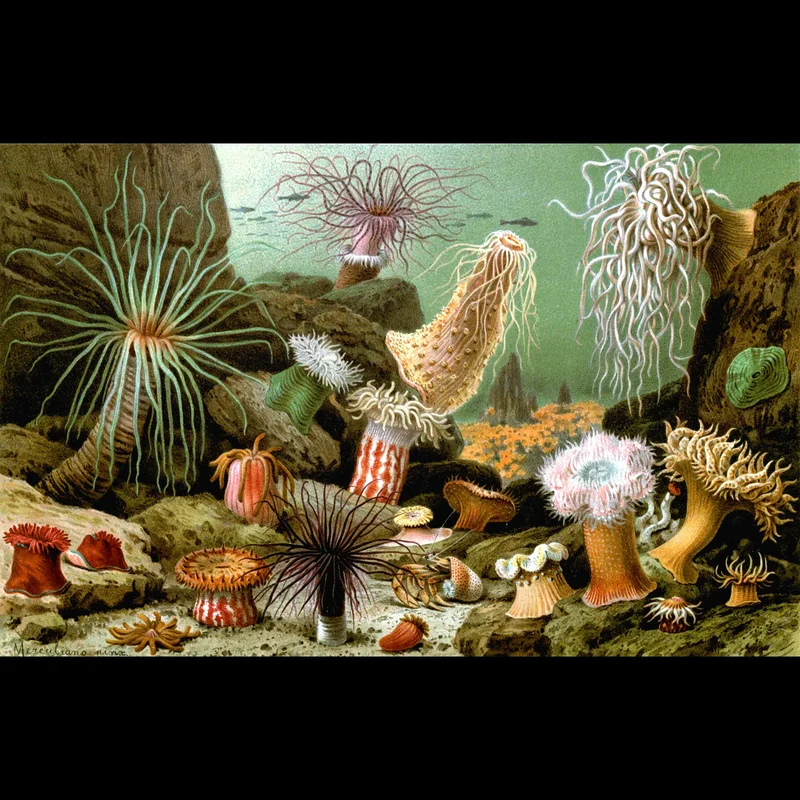
These underwater artifacts, alongside remains of Revolutionary War and World War II forts, bring the state's storied past to life for divers. Sites like Fort Wetherill State Park in Jamestown provide accessible shore entries, where divers can explore remnants of a WWII defense battery and former anti-submarine net anchor points within its protected coves. Divers will find diverse underwater terrains including expansive eelgrass beds, soft sandy bottoms, and dramatic anemone-covered cliff walls.
Endless rock formations also present numerous nooks and crannies to explore. While surface conditions can vary seasonally, the historical density of these sites ensures every dive is a journey through time.
The dynamic environment, influenced by the Gulf Stream, occasionally introduces unique temporary tropical marine life.
Conditions are Good
07:00 - 14:00
Optimal conditions expected
Current conditions near Rhode Island show 22° air, 21° sea temperature, 0.7 m waves, and 31 km/h wind. Forecast data is refreshed regularly to ensure accuracy.
Best Time to Dive
Prioritizing optimal visibility for your dive planning is essential in Rhode Island's dynamic waters. Spring and fall typically present the best visibility conditions, even if the water temperatures are cooler. During these shoulder seasons, average air temperatures range from 5°C (41°F) in March to 19°C (66°F) in September, with rainfall varying between 4.03 mm (April) and 5.23 mm (May). Seas are generally calmest and warmest during the summer months, specifically June through August, where average air temperatures reach 19.5-23.5°C (67-74°F). Water temperatures during summer can reach into the 20s°C (70s°F), making it suitable for wetsuit diving. This period also generally sees lower wave heights, averaging 0.9-1.0 m (3.0-3.3 ft), and reduced wind speeds, typically around 17.7-18.2 km/h (11.0-11.3 mph), contributing to a "Good" dive score. While the warmer Gulf Stream influences conditions from May through October, divers planning trips outside these months should expect colder water and consider drysuit use for comfort.
PEAK SEASON SCORE
Scores combine air & water temps, waves, wind & rainfall for overall conditions.
BEST MONTHS TO DIVE
Monthly records compiled from satellite and marine observation nodes over the last 3 years. Data provided by Open-Meteo and MET Norway.
Dive Experience & Conditions
Rhode Island's diverse dive sites cater to a wide range of certifications, offering depths from shallow coastal explorations to deeper wreck penetrations. Many shore dives, like those at Fort Wetherill, remain within recreational depth limits. Deeper opportunities exist on significant wreck sites such as the U-853 in Rhode Island Sound, which can extend to 36 m (120 ft) or more, depending on the specific section of the wreck. Water temperatures fluctuate considerably with the seasons; summer sees temperatures in the 20s°C (70s°F), dropping significantly by 5-10°C (10-20°F) as winter approaches. Visibility, while occasionally good in spring and fall, is not consistently reported and can be variable. Divers should be prepared for potential currents, particularly on ocean sites, and adapt their dive plans accordingly. Cold water diving principles are often applicable outside of peak summer.
Dive Difficulty & Safety Guidelines
Navigating Rhode Island's underwater environment demands a keen awareness of local conditions, particularly regarding water temperature and currents. Even during warmer months, thermoclines can be present, requiring proper thermal protection. Visibility, while sometimes excellent, can change rapidly due to tidal movements or weather, making effective communication and navigation skills essential.
Dive sites, especially historical wrecks, may present entanglement hazards, emphasizing the importance of careful buoyancy control and carrying a cutting tool. Divers exploring deeper wrecks must be proficient in advanced techniques.
Always confirm local weather forecasts and sea conditions before heading out, as wind and wave heights can vary significantly, especially from late autumn through early spring, impacting surface support and entry/exit points.
Recommended Equipment
- Dive Computer
This gear list is based on verified equipment signals for Rhode Island, United States. Always confirm final gear choices with your dive operator, guide, or liveaboard.
Recommended Dive Suit
5mm wetsuit is frequently recommended by dive operators for conditions like these. Surface intervals may feel cooler. Those diving at Rhode Island today will likely encounter water temperatures in the region of 21°C (69°F). Surface air temperatures are resting at 22°C (72°F).
Surface temperatures may decrease slightly later in the week. Cooler days are ahead; you might want a warmer option for later in the week. Some divers bring an extra layer for surface intervals between dives.
Even small thermoclines can occasionally cause noticeable changes in water temperature.
Emergency & Medical Support
Essential information to help you plan your dive trip to Rhode Island.

Hyperbaric chambers are a critical part of dive safety infrastructure. Availability varies significantly by region, and not all dive areas have immediate access.
Before diving, it's recommended to:
- confirm nearest medical facilities
- check emergency procedures with local dive operators
- ensure dive insurance covers evacuation if required
Divers Alert Network
Diving emergency assistance available through DAN World.
+1-919-684-9111- 24/7 emergency hotline
- Diving medical assistance
- Evacuation coordination
Emergency contacts are provided for reference. Always verify local emergency services before diving.
Marine Life at Rhode Island
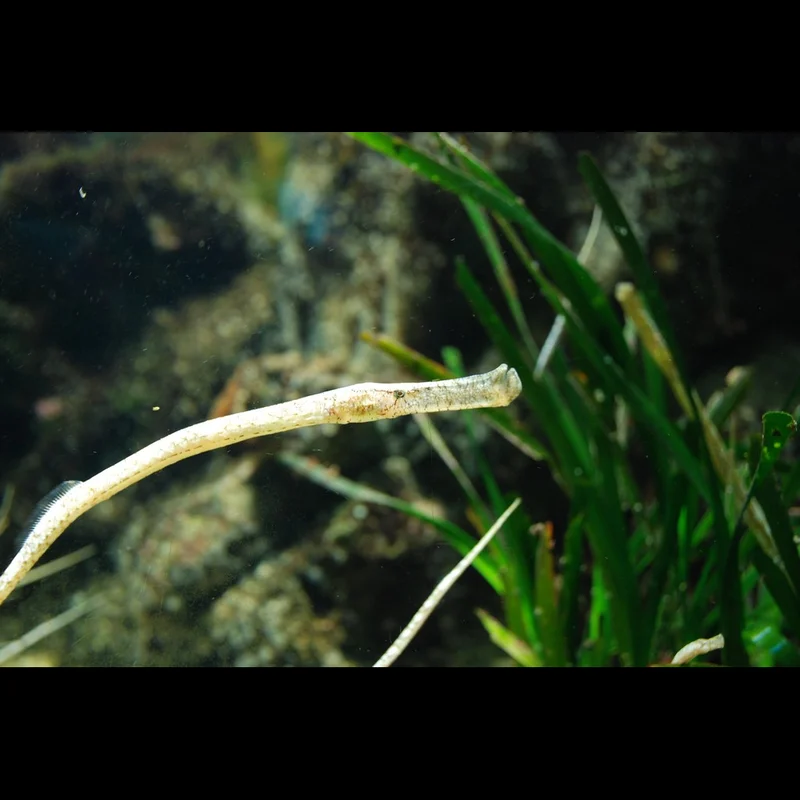
Exploring the varied underwater landscapes of Rhode Island reveals a fascinating array of marine inhabitants. Within the expansive eelgrass beds and across sandy bottoms, divers might encounter clear-nosed skates and pipefish.
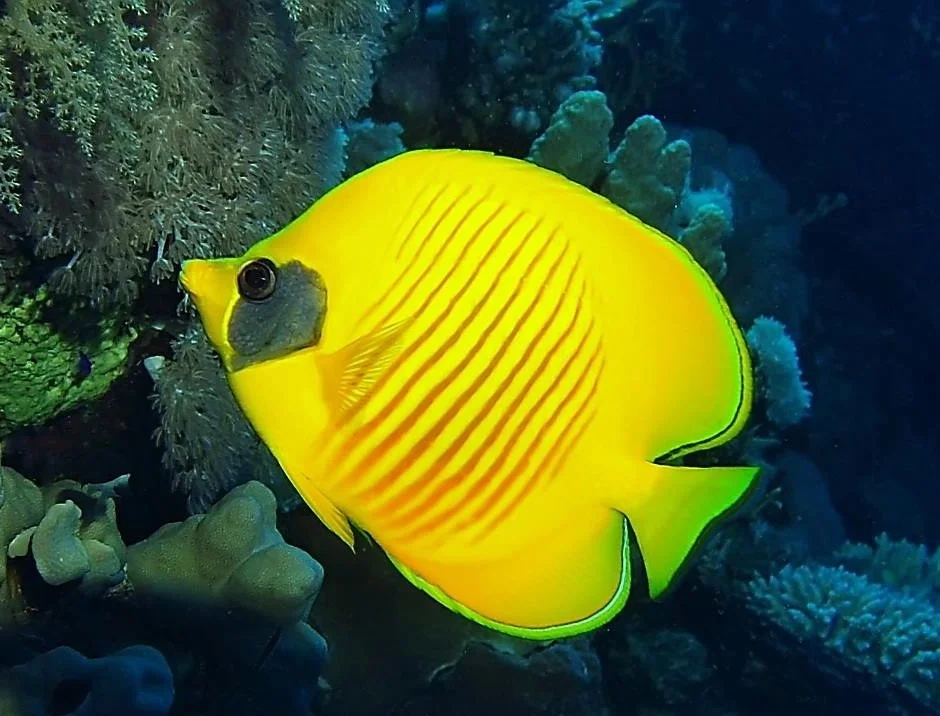
The vibrant anemone-covered cliff walls and numerous rock formations provide shelter for a variety of species. During the warmer months, the influence of the Gulf Stream occasionally brings temporary tropical life to these waters, including colorful butterflyfish, flounder, and trunkfish.
Lucky divers might even spot an octopus peeking out from a rocky crevice or a wreck artifact. While not a coral reef destination, the historical sites themselves become artificial reefs, attracting different species seeking shelter.
Dive Centers Near Rhode Island
Today: 10:00 - 18:00


Nearest Airports
Nearest airports to help plan travel to this dive area.
Search Flights
Check available flights and routes on Expedia, using the nearby airports listed in this section.
Search Flights on Expedia
Plan Your Stay
Looking for a place to stay for your dive trip? Explore hotels, stays, and vacation rentals for dive groups near Narragansett.
Dive Navigator may earn a commission from these links at no extra cost to you.
Frequently Asked Questions
What are the typical water temperatures for diving in Rhode Island?
Water temperatures vary considerably. During summer (May-October), the Gulf Stream helps warm the waters, reaching into the 20s°C (70s°F), making wetsuit diving comfortable. Outside of these months, temperatures can drop by 5-10°C (10-20°F), often requiring drysuits.
What is the visibility generally like?
Visibility in Rhode Island can be quite variable. Spring and fall typically offer the best visibility conditions, sometimes reaching good distances. However, conditions can change rapidly depending on tidal movements, recent weather, and specific dive site characteristics.
What types of dive sites can I expect to find?
Rhode Island offers diverse diving, including numerous historical wrecks of tugs, submarines, steamships, and schooners scattered along its coastline. There are also shore dives at sites like Fort Wetherill State Park, along with some reported lake and ocean dives, appealing to various skill levels.
Is Rhode Island suitable for beginner divers?
Yes, certain sites are suitable for beginners. Protected coves and shallower shore dives, particularly during the calmer summer months, provide excellent entry points for less experienced divers. However, some deeper wreck sites require advanced certification.
Do I need special equipment for diving here?
Given the range of water temperatures, appropriate thermal protection is important; a thick wetsuit is good for summer, but a drysuit is often preferred for colder seasons. Depending on the site, lights for wreck exploration and good navigation tools can also be beneficial.
Are there dive operators or rental shops in Rhode Island?
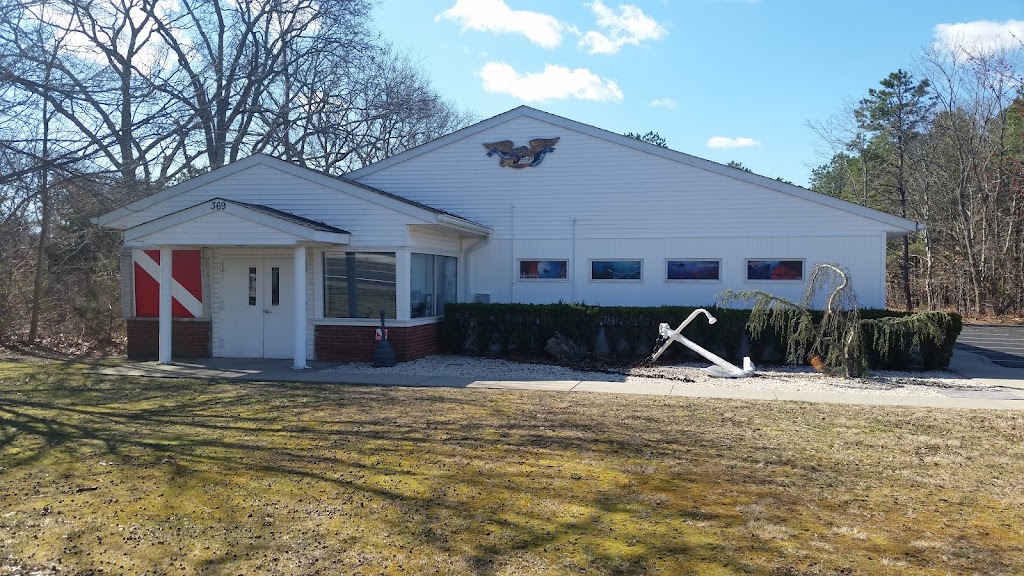
Yes, dive equipment rental and charters are available. Facilities like Giant Stride Dive Shop in Warwick, which offers charters through Canned Air Dive Charters, and East Bay Dive Center, provide equipment rentals and local services.
Planning to dive Rhode Island?
Send one inquiry and receive offers directly from the best verified local dive operators.
Conditions are Good
07:00 - 14:00
Optimal conditions expected
Current conditions near Rhode Island show 22° air, 21° sea temperature, 0.7 m waves, and 31 km/h wind. Forecast data is refreshed regularly to ensure accuracy.