
Diving at Rodney (United States)
Exploring the Rodney Pits Recreation Area offers divers a chance to discover inland waters, where visibility typically ranges from 5-10 ft (1.5-3 m) in the dived pits. These former quarries in Iowa require specific permissions to access, providing a unique local diving experience. Understanding the site's characteristics is key for a rewarding visit.
Current morning readings from Rodney indicate an air temperature of 20.5°C. Surface wave heights are averaging around 0.7 m at this time. These local measurements provide a baseline for your daily dive planning.
Dive Site Location & Key Facts
Dive Site Overview
For divers seeking closer-to-home options in the Midwest, Rodney Pits in Iowa presents an accessible, if particular, dive opportunity. This site consists of several former quarry pits, with Johnston Pit being among those explored.
To dive here, divers must obtain permission directly from the Monona County Conservation Board. Reports from recreational dives indicate that the environment is characterized by a silty or sandy bottom, influencing the observed visibility, which can be limited. Diving at Rodney Pits generally involves following the shoreline in shallower sections, making it suitable for less aggressive penetration.
Water temperatures in the upper layer have been noted around 23.5°C (74°F) up to a thermocline around 4.5 m (15 ft). The site offers basic amenities like vault toilets, picnic tables, and camping facilities at Peters Park, supporting a full day outing.
Keep in mind that not all pits are open; Rodney Pit, for instance, is marked with 'Keep Out' signage.
Conditions are Good
Optimal conditions expected
Current conditions near Rodney show 20° air, 22° sea temperature, 1.2 m waves, and 37 km/h wind. Forecast data is refreshed regularly to ensure accuracy.
Best Time to Dive
Planning a dive at Rodney Pits is largely influenced by seasonal air temperatures and overall weather conditions, as water temperature data isn't consistently available across the year. The most favorable period for diving generally aligns with the warmer months, specifically from July through August, when dive scores rate 'Good' to 'Moderate'. During July, average air temperatures reach around 24°C (75°F), offering comfortable surface conditions. Rain averages are relatively low during this time, at about 2.8-1.7 mm, further supporting dive plans. June and September also present 'Moderate' conditions, with air temperatures averaging 19-20.5°C (66-69°F), though September sees a slight increase in average rainfall at 4.0 mm. For the remainder of the year, colder air temperatures, higher wind speeds, and increased wave heights result in 'Poor' or 'Moderate' dive scores, suggesting less ideal conditions.
PEAK SEASON SCORE
Scores combine air & water temps, waves, wind & rainfall for overall conditions.
BEST MONTHS TO DIVE
Monthly records compiled from satellite and marine observation nodes over the last 3 years. Data provided by Open-Meteo and MET Norway.
Dive Experience & Conditions
Underwater, the experience at Rodney Pits is defined by a distinct inland quarry environment. Visibility in the dived areas, such as Johnston Pit, is consistently reported to be in the 5-10 ft (1.5-3 m) range. Expect a thermocline around 4.5 m (15 ft) where the surface water, observed at approximately 23.5°C (74°F), transitions to cooler temperatures below. Dives typically remain in shallower sections, often following the shoreline, without venturing to extensive depths. The aquatic terrain likely consists of silty or sandy bottom compositions, which can be easily disturbed, temporarily reducing visibility. Conditions can vary, but these pits typically present a calm, freshwater diving experience, contrasting with marine environments.
Dive Difficulty & Safety Guidelines
Navigating Rodney Pits requires strict adherence to specific permissions and local rules. Signs posted at each pit clearly state, 'Scuba Diving by Permission Only.' Divers must contact the Monona County Conservation Board directly via phone at 712-423-2400 or email at mccb@longlines.com to obtain the necessary authorization before entering the water. Failing to do so could result in being asked to leave, as evidenced by ranger presence.
Additionally, it's crucial to note that one of the pits, named Rodney, is explicitly closed to the public and marked with 'Keep Out' signs. Divers should respect all posted signage and local directives for a safe and authorized experience.
Recommended Equipment
- Dive Computer
This gear list is based on verified equipment signals for Rodney, United States. Always confirm final gear choices with your dive operator, guide, or liveaboard.
Recommended Dive Suit
Divers visiting Rodney today can expect water conditions around 22°C (72°F). Surface air temperatures are resting at 20°C (69°F).
3-5mm wetsuit generally offers enough warmth for most dives under these conditions. A hood or vest is suggested for sensitive divers due to surface winds. Surface intervals may feel cooler.
Forecast trends indicate little change in overall diving conditions during the next few days.
Due to technical issues with our weather providers, data hasn't been fetched for over 48 hours. The data above reflects the conditions at the time of the last successful fetch.
Emergency & Medical Support
Essential information to help you plan your dive trip to Rodney.

Hyperbaric chambers are a critical part of dive safety infrastructure. Availability varies significantly by region, and not all dive areas have immediate access.
Before diving, it's recommended to:
- confirm nearest medical facilities
- check emergency procedures with local dive operators
- ensure dive insurance covers evacuation if required
Divers Alert Network
Diving emergency assistance available through DAN World.
+1-919-684-9111- 24/7 emergency hotline
- Diving medical assistance
- Evacuation coordination
Emergency contacts are provided for reference. Always verify local emergency services before diving.
Marine Life at Rodney
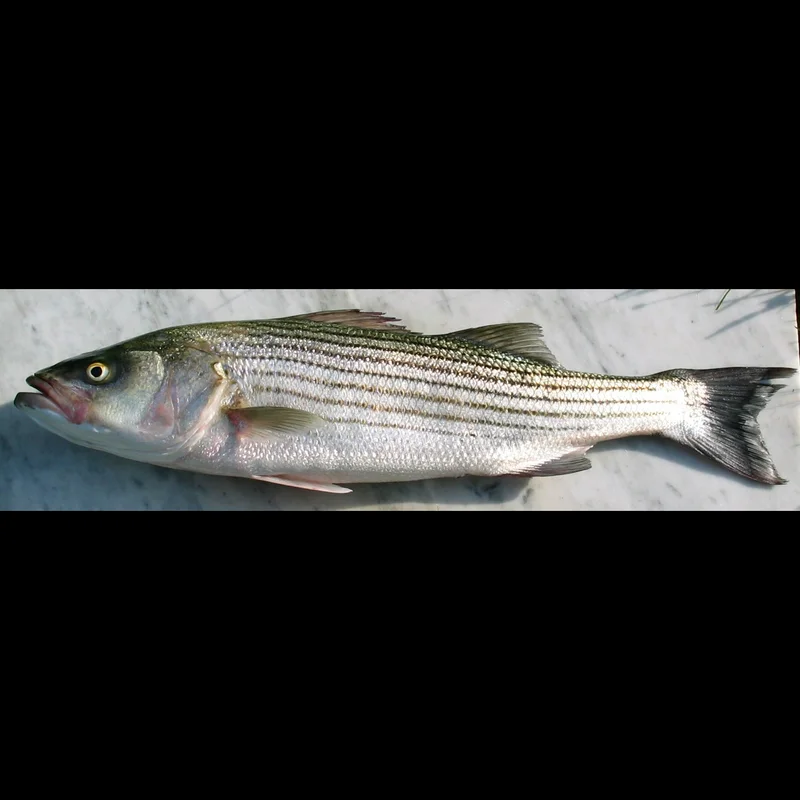
Initially, fish sightings at Rodney Pits tend to be fleeting, as the local inhabitants aren't accustomed to divers. Catfish and various bass species, including juvenile bass, have been observed in the dived areas.
These fish typically react to a diver's presence by quickly moving away. Despite their shyness, glimpses of these freshwater species are possible for patient observers.
The limited visibility and specific habitat mean marine life encounters are subtle, focusing on a few common freshwater species rather than diverse ecosystems.

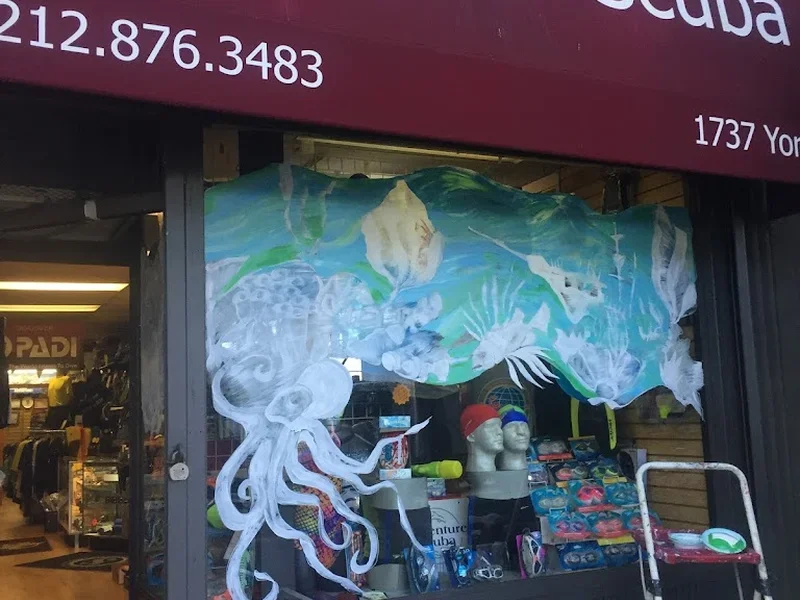
Dive Centers Near Rodney

Nearest Airports
Nearest airports to help plan travel to this dive area.
Search Flights
Check available flights and routes on Expedia, using the nearby airports listed in this section.
Search Flights on ExpediaFrequently Asked Questions
Do I need permission to dive at Rodney Pits?
Yes, permission is required. Signs at the pits state 'Scuba Diving by Permission Only.' You must contact the Monona County Conservation Board at 712-423-2400 or mccb@longlines.com before your dive.
What is the typical visibility at Rodney Pits?
Visibility in dived pits like Johnston typically ranges between 5-10 ft (1.5-3 m). Conditions can vary based on recent activity or weather, but expect a generally limited view.
Are all the pits open for diving?
No. While some pits are accessible with permission, one specific pit, also named Rodney, is closed and clearly marked with 'Keep Out' signs. Always check local signage and respect closures.
What kind of marine life can I expect to see?
Divers have reported seeing catfish and various bass species, including schools of baby bass. The fish are often skittish and may quickly move away upon seeing divers.
What amenities are available at the site?
Peters Park, associated with Rodney Pits, offers basic amenities such as vault toilets, picnic tables, grills, a covered shelter, and camping sites with fire pits.
Is there a thermocline, and what are water temperatures like?
Yes, a thermocline has been observed around 4.5 m (15 ft). Surface water temperatures up to that depth have been noted around 23.5°C (74°F) during summer dives.
Planning to dive Rodney?
Send one inquiry and receive offers directly from the best verified local dive operators.
Conditions are Good
Optimal conditions expected
Current conditions near Rodney show 20° air, 22° sea temperature, 1.2 m waves, and 37 km/h wind. Forecast data is refreshed regularly to ensure accuracy.