
Diving at San Pablo (W) Ship (United States)
Twisted metal and scattered debris mark the resting place of the San Pablo (W) Ship, immediately conveying its violent history. Often referred to by locals as the 'Russian Freighter,' this dive site off Pensacola's coast carries decades of intrigue. Its mangled form tells a silent story of a secret military operation, making it a compelling initial encounter for divers. This historic artificial reef invites exploration.
As evening covers San Pablo (W) Ship, the local air temperature is measured at 30.5°C. The current wave height at the surface is recorded at 1.1 m. These late-day readings characterize the surface conditions for the night.
Dive Site Location & Key Facts
Dive Site Overview
More than just a dive site, the San Pablo (W) Ship provides a compelling link to declassified World War II history, revealing a story far more complex than its local 'Russian Freighter' nickname suggests. This 315-foot steel-hulled freighter, launched from Belfast, Ireland, in 1915, spent its early life transporting bananas between Caribbean ports.
Its eventful past includes surviving a U-boat attack near the Yucatan Channel and being torpedoed while discharging cargo in Puerto Limon, Costa Rica, where it initially sank and was later refloated.
Finally, in August 1944, a top-secret U.S. military operation intentionally destroyed the vessel off Pensacola's coast, using an experimental, radio-controlled explosive device as part of Project Campbell. This dramatic end scattered its entire structure across the seafloor, creating a sprawling wreck site that divers explore between 18.3 and 24.4 m (60 and 80 ft).
Today, its mangled remains, including massive sections of twisted metal, boilers, and refrigeration coils, serve as a thriving artificial reef. Exploring the San Pablo offers divers a direct encounter with a piece of maritime history and a unique ecosystem, making it a profound introduction to the region's underwater wreck diving opportunities.
Conditions are Excellent
07:00 - 14:00
Optimal conditions expected
Current conditions near San Pablo (W) Ship show 31° air, 30° sea temperature, 0.5 m waves, and 19 km/h wind. Forecast data is refreshed regularly to ensure accuracy.
Best Time to Dive
To maximize your experience at the San Pablo (W) Ship, consider visiting during the warmer, calmer months. Peak dive conditions are typically reported from May through October, with July and August often offering the most favorable surface conditions. During these months, average air temperatures comfortably range from 24.5°C to 29°C (76-84°F), contributing to an enjoyable topside experience. While specific water temperature data isn't consistently available, the warmer air usually correlates with more pleasant underwater conditions. Wave heights during these optimal months tend to be lower, generally below 0.9 meters (3 feet), which helps ensure smoother boat rides to the site and easier entries. Rainfall remains relatively consistent and low throughout the year, so it's less of a factor than wind or wave action. February also presents good diving opportunities with moderate conditions and an average air temperature of 15.5°C (60°F).
PEAK SEASON SCORE
Scores combine air & water temps, waves, wind & rainfall for overall conditions.
BEST MONTHS TO DIVE
Monthly records compiled from satellite and marine observation nodes over the last 3 years. Data provided by Open-Meteo and MET Norway.
Dive Experience & Conditions
A dive at the San Pablo (W) Ship immerses you into the remnants of a vessel that rests entirely within recreational depth limits. Reaching a maximum depth of 24.4 m (80 ft), the site offers substantial exploration without requiring advanced technical training beyond typical wreck diving specialties. The ship's structure is largely mangled and spread, providing a complex arrangement of twisted metal. This configuration allows divers to navigate around and over debris, exploring the boilers and refrigeration coils that are still identifiable. Visibility at this site can vary, influenced by local currents and recent weather patterns. Surface conditions, characterized by average wave heights between 0.6 and 1.2 meters (2-4 ft) and winds from 23 to 34 km/h (14-21 mph) depending on the season, require careful boat handling. Water temperature isn't consistently reported, but divers typically wear appropriate thermal protection for Gulf diving. Saltwater prevails here.
Dive Difficulty & Safety Guidelines
Approaching the San Pablo (W) Ship wreck demands a clear understanding of its inherent overhead environment. Proper training in wreck diving is strongly recommended, especially if considering any penetration into the more enclosed or covered areas of the wreckage. Divers must plan their route carefully and stay within the limits of their certification and experience.
Maintaining proper buoyancy control is crucial to avoid disturbing the fragile wreck and any potential silt. Always dive with a buddy and carry appropriate safety equipment, including a dive computer and a surface marker buoy.
A dive knife can be useful for entanglement hazards. Considering the site's history and scattered nature, attention to surroundings is key for a safe and rewarding exploration.
Recommended Equipment
- Dive Computer
This gear list is based on verified equipment signals for San Pablo (W) Ship, United States. Always confirm final gear choices with your dive operator, guide, or liveaboard.
Recommended Dive Suit
Surface temperatures may decrease slightly later in the week. Cooler days are ahead; you might want a warmer option for later in the week. A hood or vest can noticeably improve warmth during longer dives.
For typical recreational dives, dive skin or rash guard generally provides comfortable insulation. Consider warmer surface protection (like a boat coat) due to brisk winds.
Recent environmental data from San Pablo (W) Ship indicates water temperatures near 30°C (87°F). Surface air temperatures are resting at 31°C (87°F).
Due to technical issues with our weather providers, live updates are temporarily delayed. The data above reflects the conditions at the time of the last successful fetch.
Emergency & Medical Support
Essential information to help you plan your dive trip to San Pablo (W) Ship.

Hyperbaric chambers are a critical part of dive safety infrastructure. Availability varies significantly by region, and not all dive areas have immediate access.
Before diving, it's recommended to:
- confirm nearest medical facilities
- check emergency procedures with local dive operators
- ensure dive insurance covers evacuation if required
Divers Alert Network
Diving emergency assistance available through DAN World.
+1-919-684-9111- 24/7 emergency hotline
- Diving medical assistance
- Evacuation coordination
Emergency contacts are provided for reference. Always verify local emergency services before diving.
Marine Life at San Pablo (W) Ship
Despite its violent past, the San Pablo (W) Ship now thrives as an artificial reef, attracting a diverse range of marine inhabitants. Exploring the twisted metal framework, divers often encounter various fish species taking shelter within the wreckage.
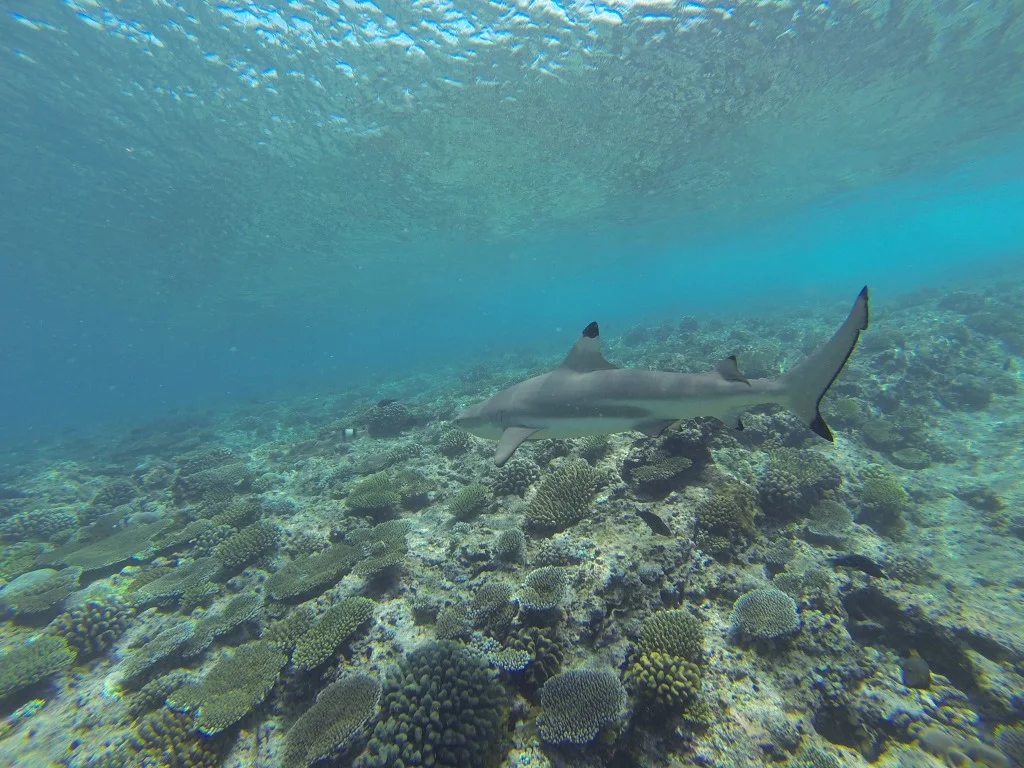
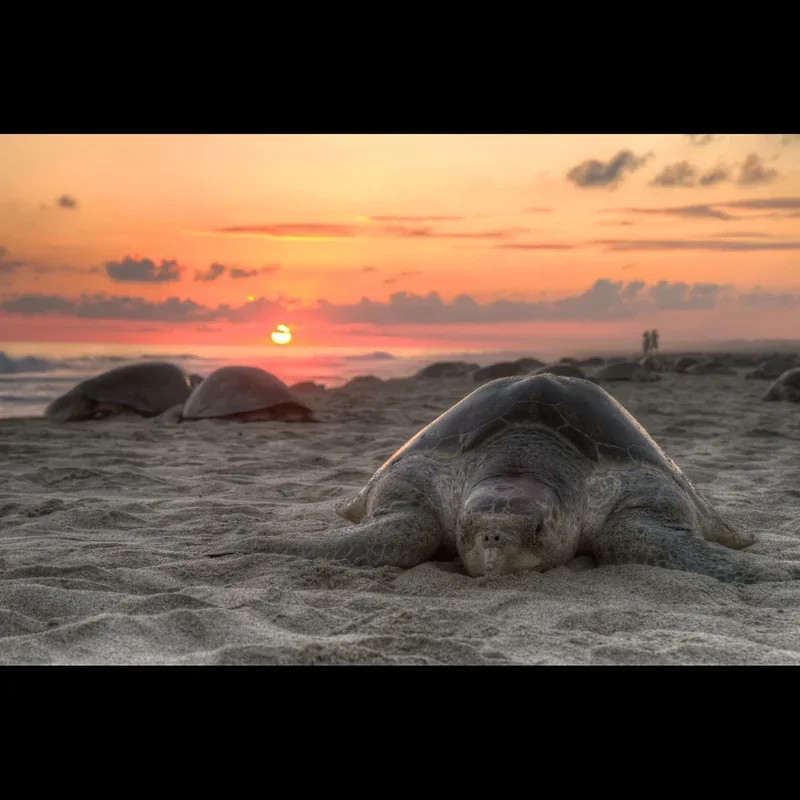
Sharks, sea turtles, and occasionally dolphins may be spotted in the surrounding waters, adding dynamic encounters to the wreck dive. The fragmented structure provides numerous nooks and crannies for smaller creatures, contributing to a lively ecosystem on and around the historical remains.
Dive Centers Near San Pablo (W) Ship
Today: 10:00 - 18:00
Nearest Airports
Nearest airports to help plan travel to this dive area.
Search Flights
Check available flights and routes on Expedia, using the nearby airports listed in this section.
Search Flights on Expedia
Plan Your Stay
Looking for a place to stay for your dive trip? Explore hotels, stays, and vacation rentals for dive groups near Gulf Breeze.
Dive Navigator may earn a commission from these links at no extra cost to you.
Frequently Asked Questions
What is the maximum depth of the San Pablo wreck?
The San Pablo (W) Ship rests within recreational diving limits. Its deeper sections reach a maximum depth of 24.4 m (80 ft). Divers can explore various parts of the wreckage at different depths within this range.
Why is it often called the 'Russian Freighter'?
This nickname originated from local rumors of espionage and spies circulating in the mid-1940s after the ship exploded off Pensacola's coast. Recently declassified documents revealed the true story, but the name persists among locals. The ship's real history involves a secret U.S. military operation.
What kind of marine life can I expect to see at the San Pablo?
The wreck serves as a vibrant artificial reef, attracting numerous fish species that shelter within its structure. Divers frequently spot sharks, sea turtles, and occasionally dolphins in the area. Its complex metal framework provides habitat for a variety of marine creatures.
What diving certifications are recommended for this site?
For optimal enjoyment and safety at this wreck site, certifications such as PADI Open Water Diver and PADI Advanced Open Water Diver are foundational. A PADI Wreck Diver certification is especially beneficial given the site's overhead environment and scattered debris. PADI Enriched Air Diver and PADI Underwater Navigator courses are also valuable.
How do divers access the San Pablo (W) Ship?
Access to the San Pablo (W) Ship is exclusively by boat, as it's located 9 miles off the coast of Pensacola. Dive charters typically provide transport to the site. Planning for surface conditions like wave height and wind speed is important for a comfortable journey.
What is the detailed history of the San Pablo ship?
Launched in 1915 as a fruit transport, the San Pablo survived a U-boat attack and was later torpedoed in Costa Rica, where it temporarily sank. It was refloated, but in 1944, the U.S. military intentionally destroyed it in a top-secret experiment. These declassified facts make its true story as intriguing as the 'Russian Freighter' rumors.
Planning to dive San Pablo (W) Ship?
Send one inquiry and receive offers directly from the best verified local dive operators.
Conditions are Excellent
07:00 - 14:00
Optimal conditions expected
Current conditions near San Pablo (W) Ship show 31° air, 30° sea temperature, 0.5 m waves, and 19 km/h wind. Forecast data is refreshed regularly to ensure accuracy.