
Diving at Site 03_2013_E (United States)
The Scuba Ranch is a dedicated recreational dive quarry in Terrell, Texas, shaped by past industrial operations. Its underwater landscape now features various depths, averaging 10-12 m (35-40 ft), with some areas like the silos reaching 18-20 m (60-65 ft) depending on water levels. This aquifer-fed site hosts several unique attractions, including sunken boat wreckages and airplanes, alongside a prominent park icon known as "Sisco the Shark," providing distinct points of interest for divers exploring its depths.
As evening covers Site 03_2013_E, the local air temperature is measured at 27.5°C. The current wave height at the surface is recorded at 1.4 m. These late-day readings characterize the surface conditions for the night.
Dive Site Location & Key Facts
Dive Site Overview
A former industrial quarry in Terrell, Texas, now serves as a dedicated freshwater dive venue, thoughtfully transformed for dive training and recreational exploration. Its unique underwater landscape reflects a legacy of deep excavations, with an aquifer-fed water source creating dynamic conditions.
Site developers have progressively added diverse man-made attractions to enhance the diver experience. These submerged features, including multiple boat wreckages and whole airplanes, are strategically placed. They offer engaging swim-throughs, practical navigation challenges, and distinct visual points of interest.
An iconic landmark, 'Sisco the Shark,' also helps orient divers across different zones. Instructors regularly utilize the quarry for PADI confined and open water training exercises, benefiting from its varied depths and accessible entry points.
Recreational divers can explore shallower sections, averaging 10-12 m (35-40 ft). For those seeking further adventure, venturing into deeper areas around the silos, which extend to the site's maximum depth of 18-20 m (60-65 ft), presents further opportunities, varying with water levels. This deliberate arrangement provides an adaptable environment for all skill levels.
Conditions are Good
Optimal conditions expected
Current conditions near Site 03_2013_E show 28° air, 28° sea temperature, 0.8 m waves, and 23 km/h wind. Forecast data is refreshed regularly to ensure accuracy.
Best Time to Dive
Optimizing a dive at this freshwater site largely depends on seasonal conditions impacting both visibility and water temperature. The period from May to August generally offers the best diving scores, often rated "Good," with milder wind speeds averaging 25.16-28.98 km/h and wave heights typically below 0.9 m (3.0 ft). During these warmer months, air temperatures are inviting, ranging from 24.5-28°C (76-82°F), but surface water temperatures, which can reach the mid-80s Fahrenheit, can stimulate algae growth, reducing visibility significantly, sometimes to only a few meters. Conversely, the cooler winter months, from November to April, see air temperatures between 16-21.5°C (61-71°F) and moderate dive scores. Visibility during this time can improve dramatically, often reaching dozens of feet due to less algal activity, although water temperatures below the thermocline may be 10-15 degrees cooler than surface readings, never dropping below 10°C (50°F). Rain averages remain relatively low throughout the year, with a slight increase in September and October.
PEAK SEASON SCORE
Scores combine air & water temps, waves, wind & rainfall for overall conditions.
BEST MONTHS TO DIVE
Monthly records compiled from satellite and marine observation nodes over the last 3 years. Data provided by Open-Meteo and MET Norway.
Dive Experience & Conditions
Entering the freshwater environment here offers a distinct sensory experience, different from ocean diving. Divers will immediately notice the varied visibility, which transitions dramatically between seasons; it can be quite clear in winter, reaching 12-15 m (40-50 ft), but shifts to a more intimate range of a few meters during the warmer summer months due to algal bloom. The water temperature itself provides a dynamic profile, with surface readings climbing to the mid-80s°F (around 29°C) in summer, yet a noticeable thermocline typically separates this from cooler layers below, where temperatures consistently remain above 10°C (50°F). As you descend, the structure reveals an average depth in the recreational range, leading to deeper sections around the silos that reach the site's maximum depth. Exploring the sunken boat wreckages and airplanes provides interesting navigation opportunities, creating a unique underwater playground suitable for both training and recreational dives.
Dive Difficulty & Safety Guidelines
For a safe and enjoyable dive in these freshwater environments, planning is key. Always use the buddy system; never dive alone. Awareness of potential hazards like fishing lines, often found tangled in submerged brush and trees, is crucial; carrying a good quality dive knife is strongly recommended for entanglement.
While diving in freshwater lakes or quarries, it's important to understand the local regulations regarding dive flags. Most sites require displaying a standard red and white diving flag, ensuring boaters maintain a 30 m (100 ft) clearance.
Some designated dive areas, like certain coves, might be buoyed off to keep boats out, negating the need for a flag within those specific zones. Avoid entering any underwater caves or karst features without specialized cave diving certification; silt can be stirred up instantly, leading to zero visibility.
Always dive within the capabilities of the least-experienced diver in your group and refer to local authorities for any restricted areas or specific site rules.
Recommended Equipment
- Dive Computer
This gear list is based on verified equipment signals for Site 03_2013_E, United States. Always confirm final gear choices with your dive operator, guide, or liveaboard.
Recommended Dive Suit
Exposure protection is partly a personal preference.
2-3mm shorty or light wetsuit typically provides a reliable level of thermal protection for dives here. Consider warmer surface protection (like a boat coat) due to brisk winds. Surface temperatures may decrease slightly later in the week. Cooler days are ahead; you might want a warmer option for later in the week. Carrying a secondary suit is common practice among experienced divers.
Divers heading to Site 03_2013_E today should expect water temperatures around 28°C (83°F). Surface air temperatures are resting at 28°C (82°F).
Emergency & Medical Support
Essential information to help you plan your dive trip to Site 03_2013_E.

Hyperbaric chambers are a critical part of dive safety infrastructure. Availability varies significantly by region, and not all dive areas have immediate access.
Before diving, it's recommended to:
- confirm nearest medical facilities
- check emergency procedures with local dive operators
- ensure dive insurance covers evacuation if required
Divers Alert Network
Diving emergency assistance available through DAN World.
+1-919-684-9111- 24/7 emergency hotline
- Diving medical assistance
- Evacuation coordination
Emergency contacts are provided for reference. Always verify local emergency services before diving.
Marine Life at Site 03_2013_E
The quarry's aquifer-fed waters support a diverse array of freshwater marine life, providing dynamic encounters for divers. Numerous species of fish are commonly observed, often congregating around the sunken boat wreckages and airplane structures, utilizing them as both shelter and foraging grounds.
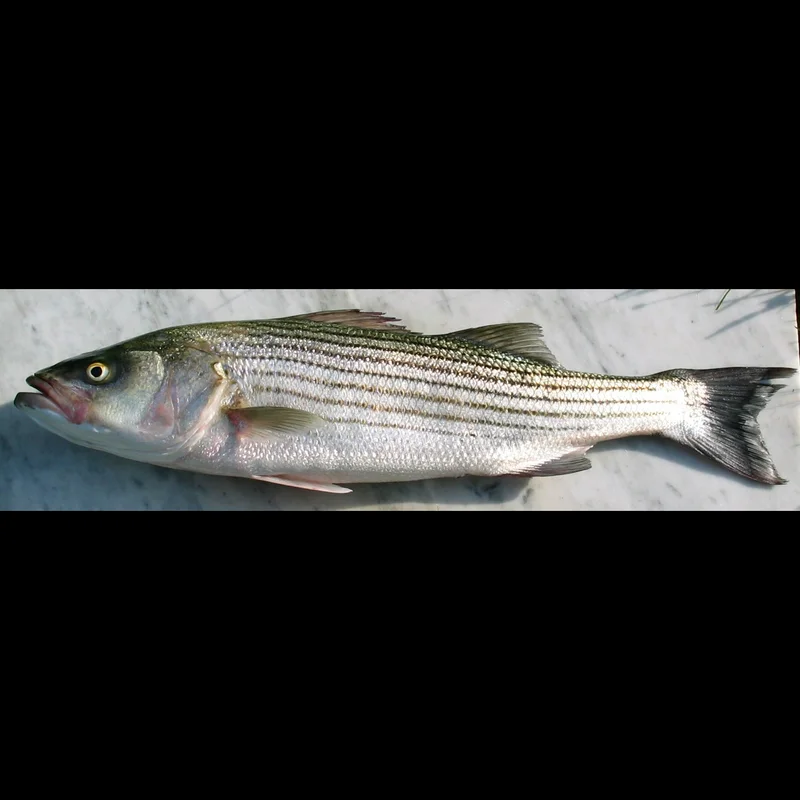
These include various sizes of sunfish and bass, actively navigating the submerged environment. Turtles are a frequent and leisurely presence, often spotted gliding near the bottom or resting on the various platforms, adding a tranquil element to the dive.
Perhaps one of the more unusual and delicate sightings are freshwater jellyfish, which periodically appear, drifting slowly through the water column, especially during warmer months. Their ephemeral presence contributes a unique dimension to the site's ecosystem, contrasting with the more robust fish and turtle populations. Observing these organisms provides a sense of the thriving ecosystem within this freshwater quarry.

Dive Centers Near Site 03_2013_E
Today: 10:00 - 19:00
Nearest Airports
Nearest airports to help plan travel to this dive area.
Search Flights
Check available flights and routes on Expedia, using the nearby airports listed in this section.
Search Flights on ExpediaFrequently Asked Questions
What is the typical visibility at this dive site?
Visibility varies significantly by season. During the cooler winter months, it can be quite clear, often reaching several dozen feet. In contrast, warmer water temperatures from May to October can stimulate algae growth, reducing visibility to just a few meters or less.
What are the water temperatures like?
Surface temperatures can range from low 10°C (50s°F) in winter to mid 29°C (80s°F) in summer. Below the thermocline, temperatures may be 6-8°C (10-15°F) cooler than the surface but will not drop below 10°C (50°F).
Are there any specific attractions to see underwater?
Yes, the quarry features several underwater attractions including sunken boat wreckages, airplanes, and a distinctive park icon known as 'Sisco the Shark.' These provide interesting points for exploration and navigation.
What is the maximum depth for diving here?
The average depth is in the recreational range, but the deepest sections around the silos extend to the site's maximum depth, depending on current water levels.
Are there any specific safety warnings for this site?
Divers should be aware of potential entanglement hazards from fishing lines in submerged brush and trees. Carrying a dive knife is recommended. Additionally, entering underwater caves or karst features requires specialized cave diving certification due to rapid silt-out risks.
Do I need to bring my own diving equipment?
Rental gear is available on-site for those who do not have their own equipment. Air fills are also provided, though Nitrox is not specified as available.
Planning to dive Site 03_2013_E?
Send one inquiry and receive offers directly from the best verified local dive operators.
Conditions are Good
Optimal conditions expected
Current conditions near Site 03_2013_E show 28° air, 28° sea temperature, 0.8 m waves, and 23 km/h wind. Forecast data is refreshed regularly to ensure accuracy.