
Diving at Site 04_2013_W (United States)
The USS Oriskany, an Essex-class aircraft carrier purposefully sunk off Pensacola, Florida, now serves as the world's largest artificial reef. A massive 277-metre (911-foot) vessel, it descends to a maximum depth of 67 metres (220 feet). Its prominent tower begins at 25 metres (80 feet), making the upper sections accessible for recreational divers. Deeper areas, however, necessitate advanced or technical diving certifications for exploration.
As evening covers Site 04_2013_W, the local air temperature is measured at 27.5°C. The current wave height at the surface is recorded at 1.5 m. These late-day readings characterize the surface conditions for the night.
Dive Site Location & Key Facts
Dive Site Overview
Exploring a significant piece of naval history transformed into a vibrant marine habitat awaits divers at this site. Nicknamed the “Mighty O” and “the Great Carrier Reef,” the USS Oriskany served in the Korean and Vietnam Wars before its 2006 sinking, 22 miles off Pensacola.
A purposeful deployment as an artificial reef has successfully attracted a diverse array of marine life, making it a captivating subject for underwater photographers. Divers planning an exploration of this immense structure will find distinct opportunities for various skill levels. Its sheer scale means recreational divers can spend multiple dives exploring features like the tower, officers’ quarters, and the bridge, which are within shallower sections.
A dive plan should account for its considerable size and the varied environments it offers. Experienced wreck divers can venture into more complex areas like the hangar deck or the formidable flight deck, though these deeper sections explicitly require advanced training.
Careful consideration of gas management and decompression obligations becomes paramount in these deeper, often overhead environments. Such an undertaking ensures wreck integrity is respected while providing varied challenges for different certification levels.
Conditions are Moderate
Optimal conditions expected
Current conditions near Site 04_2013_W show 28° air, 28° sea temperature, 1.3 m waves, and 33 km/h wind. Forecast data is refreshed regularly to ensure accuracy.
Best Time to Dive
Planning a dive at the USS Oriskany is most favorable during the months of May through August, extending into November. These periods generally align with 'Good' dive scores, driven by more settled surface conditions. During May, July, and August, average air temperatures range from 24.5-28°C (76-82°F), providing comfortable conditions for surface intervals. Wave heights are typically lower then, particularly in July with an average of 0.67 metres (2.2 feet), and wind speeds are also at their lowest. While water temperatures are not consistently reported, these months historically present less disruption from adverse weather. October shows a 'Poor' dive score due to higher average wave heights of 1.63 metres (5.3 feet) and stronger winds, which can lead to challenging boat entries and exits.
PEAK SEASON SCORE
Scores combine air & water temps, waves, wind & rainfall for overall conditions.
BEST MONTHS TO DIVE
Monthly records compiled from satellite and marine observation nodes over the last 3 years. Data provided by Open-Meteo and MET Norway.
Dive Experience & Conditions
Descending upon the USS Oriskany, divers first encounter its colossal superstructure, with the prominent tower beginning around 25 metres (80 feet). Recreational divers can dedicate significant bottom time exploring these shallower sections, which include the officers' quarters and the expansive bridge area. Visibility can vary considerably at this site, influenced by Gulf currents and recent weather patterns. Currents are often present, sometimes influencing the dive's drift profile. The immense aircraft carrier, resting finally in 67 metres (220 feet) of saltwater, presents varied environments. Navigating the lower levels, particularly those below the flight deck, explicitly requires technical training and meticulous planning. Deeper sections offer extended challenges for those certified to go beyond recreational limits. Expect varying conditions dependent on the season and recent weather, demanding attentiveness and adaptive dive plans throughout the exploration.
Dive Difficulty & Safety Guidelines
Diving the USS Oriskany requires specific certifications due to its depth and wreck environment. It's recommended that divers hold at least PADI Advanced Open Water Diver certification, and further specializations such as PADI Deep Diver and PADI Wreck Diver are highly beneficial. Exploring deeper sections and internal areas below the flight deck explicitly necessitates advanced or technical diving certifications.
Always adhere to PADI Standard Safe Diving Practices, planning your dive within no-decompression limits for recreational depths, and meticulously managing gas and time for technical dives. Briefings from a dive professional familiar with current site conditions are essential before entering the water.
Recommended Equipment
- Dive Computer
This gear list is based on verified equipment signals for Site 04_2013_W, United States. Always confirm final gear choices with your dive operator, guide, or liveaboard.
Recommended Dive Suit
With water temperatures around 28°C (82°F), many divers find a 2-3mm shorty or light wetsuit provides comfortable protection.
Being prepared with flexible exposure options is a common approach among experienced divers.
The next few days appear likely to bring similar environmental conditions.
Due to technical issues with our weather providers, live updates are temporarily delayed. The data above reflects the conditions at the time of the last successful fetch.
Emergency & Medical Support
Essential information to help you plan your dive trip to Site 04_2013_W.

Hyperbaric chambers are a critical part of dive safety infrastructure. Availability varies significantly by region, and not all dive areas have immediate access.
Before diving, it's recommended to:
- confirm nearest medical facilities
- check emergency procedures with local dive operators
- ensure dive insurance covers evacuation if required
Divers Alert Network
Diving emergency assistance available through DAN World.
+1-919-684-9111- 24/7 emergency hotline
- Diving medical assistance
- Evacuation coordination
Emergency contacts are provided for reference. Always verify local emergency services before diving.
Marine Life at Site 04_2013_W
A thriving ecosystem has developed around the USS Oriskany, attracting a wide range of marine species since its sinking. Divers frequently encounter large pelagic fish patrolling the wreck's exterior.
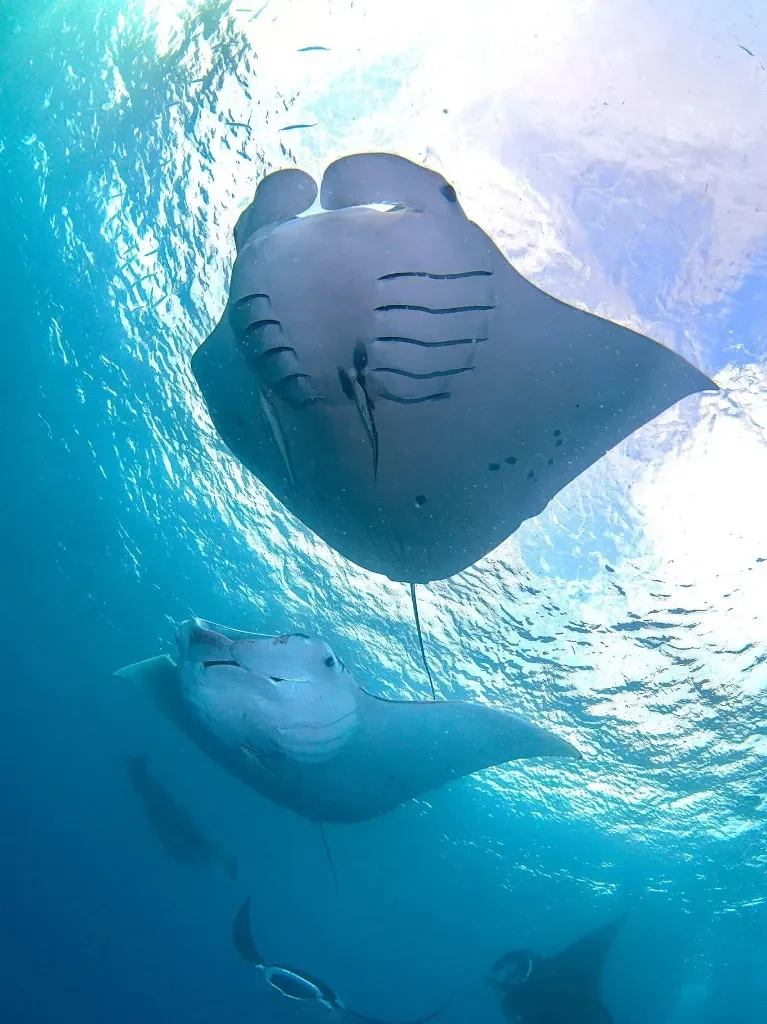
Sightings of whale sharks and manta rays are possible, particularly during certain seasons. Various shark species, eels, and reef fish have made the carrier their home, creating a dynamic environment.
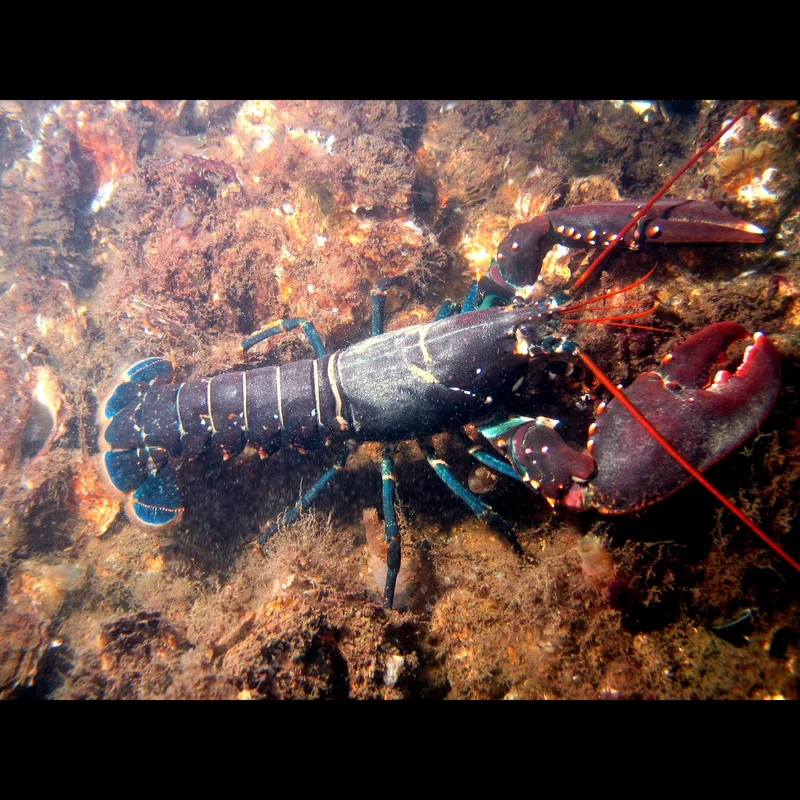
Within crevices and sheltered areas, divers may observe octopus and lobster, adding to the rich biodiversity of this significant artificial reef.

Dive Centers Near Site 04_2013_W
Today: 10:00 - 19:00
Nearest Airports
Nearest airports to help plan travel to this dive area.
Search Flights
Check available flights and routes on Expedia, using the nearby airports listed in this section.
Search Flights on ExpediaFrequently Asked Questions
What is the USS Oriskany?
An Essex-class aircraft carrier, also known as the “Mighty O,” USS Oriskany served in the Korean and Vietnam Wars. It was purposefully sunk in 2006 to become the world's largest artificial reef and a new marine habitat.
Where is the USS Oriskany dive site located?
Located in the Gulf of Mexico, the USS Oriskany rests approximately 22 miles off the coast of Pensacola, Florida, in the United States. Access is via boat from local dive operators.
What is the maximum depth of the USS Oriskany wreck?
Resting in 67 metres (220 feet) of water, the USS Oriskany wreck's upper structures, including the tower, begin at approximately 25 metres (80 feet). This allows various sections to be accessible to different diver certification levels.
What certifications are required to dive the USS Oriskany?
Recreational divers can explore the upper portions with an Advanced Open Water Diver certification. However, to access deeper areas or the interior of the wreck, PADI Deep Diver, Wreck Diver, or technical diving certifications are essential.
What marine life can be observed at the USS Oriskany?
A variety of marine life frequents the site, including pelagic fish, sharks, eels, octopus, lobster, and diverse reef fish. Seasonal sightings of whale sharks and manta rays are also possible.
When is the best time of year to dive the USS Oriskany?
May through August, and November, typically offer the best diving conditions, with lower waves and calmer winds. October often experiences higher waves and winds, making it a less ideal time for diving.
Is the USS Oriskany suitable for all certified divers?
While parts of the USS Oriskany's superstructure are within recreational depth limits, its overall depth and the nature of wreck diving require specific skills and experience. Divers should assess their training and comfort level for this particular site.
Planning to dive Site 04_2013_W?
Send one inquiry and receive offers directly from the best verified local dive operators.
Conditions are Moderate
Optimal conditions expected
Current conditions near Site 04_2013_W show 28° air, 28° sea temperature, 1.3 m waves, and 33 km/h wind. Forecast data is refreshed regularly to ensure accuracy.