
Diving at Site 07_2013_NW (United States)
Imagine the sensation of exploring submerged history at Site 07_2013_NW, where the cool embrace of the ocean reveals a diverse underwater world. Depths here vary significantly, promising distinct encounters from shallower reef structures to deeper wreck sites. The water conditions, particularly wave height, play a key role in the daily dive feeling. Expect a dynamic environment that shifts with the currents and seasons, offering varied visual experiences.
Midday environmental data at Site 07_2013_NW reports an ambient temperature of 28°C. Surface tracking indicates wave heights of approximately 1.5 m. This summarizes the present water and weather conditions.
Dive Site Location & Key Facts
Dive Site Overview
Site 07_2013_NW's character emerges from a blend of natural formations and extensive artificial structures. Historically, purposeful deployments along the US coast have created vast artificial reef systems, transforming once barren seafloors into dynamic underwater landscapes.
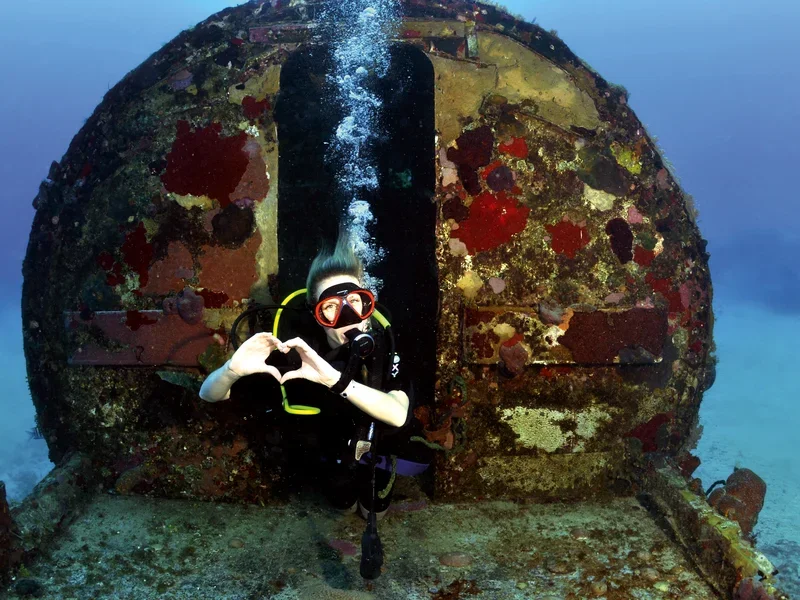
Divers witness a commitment to enhancing marine habitats through numerous sunken vessels and engineered structures. In Florida, for example, dive options include exploring wrecks like the Dan Wreck near Pompano Beach or the more formidable USS Wilkes-Barre wreck in the Lower Keys. These diverse locations offer a broad spectrum of diving, ranging from relatively shallow natural reefs, such as Molasses Reef at 5-12 m (15-40 ft), to advanced wreck dives that can reach depths of 42-64 m (140-210 ft).
Such variety provides opportunities for divers of varying experience levels. Beyond these vessels, purpose-built structures, often called 'artificial reefs'—like those off Hollywood or named after individuals such as Jim Atria—continue to be added.
This ongoing practice of creating new underwater structures has significantly shaped the local underwater topography, providing both rich exploration opportunities and vital new habitats for marine life.
Conditions are Good
Optimal conditions expected
Current conditions near Site 07_2013_NW show 28° air, 29° sea temperature, 1.0 m waves, and 27 km/h wind. Forecast data is refreshed regularly to ensure accuracy.
Best Time to Dive
Planning a dive at Site 07_2013_NW means considering seasonal weather patterns for the most enjoyable experience. The 'Good' dive scores, indicating more favorable conditions, typically occur from May through August. During these months, average air temperatures range from 24.5-28°C (76-82°F). Rainfall tends to be moderate, peaking around 3.26 mm (0.13 inches) in June. Wave heights are generally lower, averaging 0.7-0.9 m (2.3-3.0 ft), contributing to calmer seas and better visibility. Wind speeds are also lighter, averaging 24.3-28.6 km/h (15-18 mph) in summer. Conversely, October experiences higher wave heights, averaging 1.7 m (5.6 ft), and higher wind speeds, which can notably affect diveability. Water temperatures are not consistently reported for this specific site, but typically reflect the warm coastal currents of the region, making summer months generally more comfortable.
PEAK SEASON SCORE
Scores combine air & water temps, waves, wind & rainfall for overall conditions.
BEST MONTHS TO DIVE
Monthly records compiled from satellite and marine observation nodes over the last 3 years. Data provided by Open-Meteo and MET Norway.
Dive Experience & Conditions
Conditions at Site 07_2013_NW present a range of environmental factors that shape the diving experience. Divers can encounter shallower reef formations starting around 5 m (15 ft), where sunlight penetrates easily, offering brighter vistas and warmer surface layers. Descending further, wrecks and ledges can extend to deeper recreational limits, with some sites reaching 64 m (210 ft), where temperatures may drop and light diminishes. Currents here can vary; localized conditions often depend on daily weather patterns and tidal movements. While precise water temperature data isn't consistently available for this site, the coastal waters typically remain temperate. Visibility ranges widely, influenced by plankton blooms, runoff, and recent weather events, but on good days, it allows for clear views of expansive structures. Moderate wind speeds, averaging 24-34 km/h (15-21 mph) throughout the year, impact surface conditions and can lead to choppier waters.
Dive Difficulty & Safety Guidelines
Divers considering Site 07_2013_NW should always prioritize a thorough dive plan tailored to their certification level. Given the wide depth range, from shallow reefs to deep wrecks, appropriate training for advanced or technical diving is essential for exploring deeper sections safely. Conditions can shift rapidly, so always assess current wave height and wind speed before entry.
Divers should be proficient in drift diving techniques if currents are present, as they are not consistently reported but can occur. Carry a surface marker buoy (SMB) for visibility to boat traffic.
It's recommended to dive with a buddy and to have proper navigation skills, especially around complex wreck structures or expansive reef systems.
Recommended Equipment
- Dive Computer
This gear list is based on verified equipment signals for Site 07_2013_NW, United States. Always confirm final gear choices with your dive operator, guide, or liveaboard.
Recommended Dive Suit
The coming days appear slightly cooler according to the latest forecast. Cooler days are ahead; you might want a warmer option for later in the week. Divers planning multiple dives may appreciate having a warmer option available.
Even in warm destinations, extended dives can gradually draw heat away from the body. Stronger winds may also make surface intervals feel cooler than usual.
Exposure protection such as 2-3mm shorty or light wetsuit is commonly used when diving in waters of this temperature. Consider warmer surface protection (like a boat coat) due to brisk winds. Divers preparing to enter the water at Site 07_2013_NW will likely find temperatures around 29°C (84°F) today. Surface air temperatures are resting at 28°C (82°F).
Due to technical issues with our weather providers, live updates are temporarily delayed. The data above reflects the conditions at the time of the last successful fetch.
Emergency & Medical Support
Essential information to help you plan your dive trip to Site 07_2013_NW.

Hyperbaric chambers are a critical part of dive safety infrastructure. Availability varies significantly by region, and not all dive areas have immediate access.
Before diving, it's recommended to:
- confirm nearest medical facilities
- check emergency procedures with local dive operators
- ensure dive insurance covers evacuation if required
Divers Alert Network
Diving emergency assistance available through DAN World.
+1-919-684-9111- 24/7 emergency hotline
- Diving medical assistance
- Evacuation coordination
Emergency contacts are provided for reference. Always verify local emergency services before diving.
Marine Life at Site 07_2013_NW
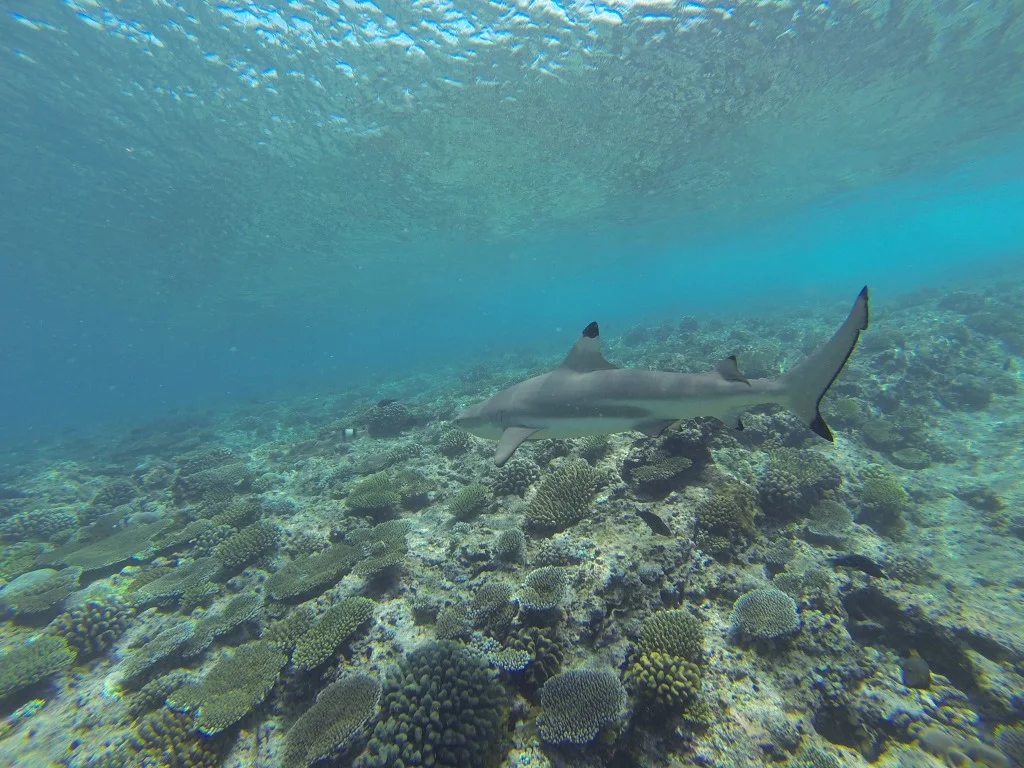
The underwater landscape here, characterized by both natural and artificial structures, provides critical habitat for diverse aquatic species. Wrecks like the Mercedes or the Noula Express serve as artificial reefs, attracting various fish and invertebrate communities.
Reefs identified as Fish Bowl Reef and Shark Ledge Reef in the wider region indicate areas where marine life congregates. Expect to observe common reef fish, crustaceans, and potentially larger pelagic species patrolling the structures.
These varied habitats offer both shelter and abundant feeding grounds, transforming otherwise barren seafloor into vibrant, living ecosystems.
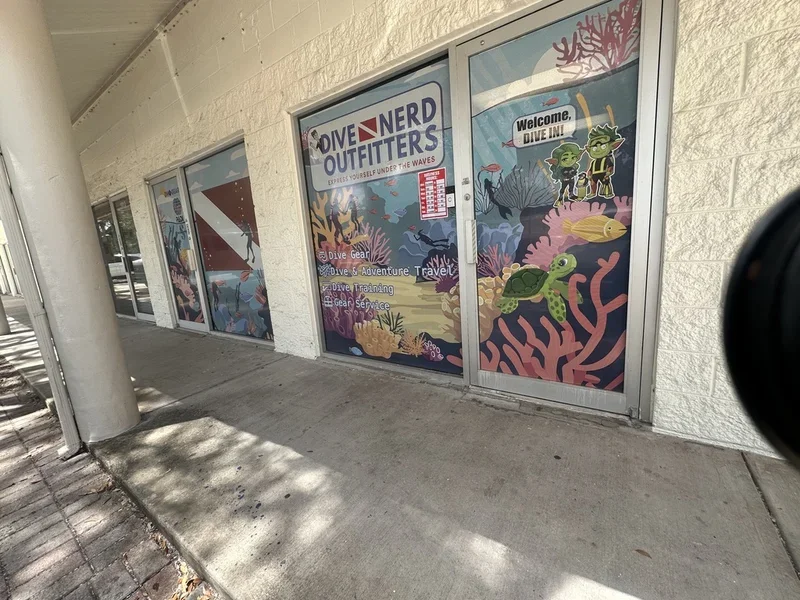
Dive Centers Near Site 07_2013_NW
Today: 10:00 - 17:00
Nearest Airports
Nearest airports to help plan travel to this dive area.
Search Flights
Check available flights and routes on Expedia, using the nearby airports listed in this section.
Search Flights on ExpediaFrequently Asked Questions
What is the typical depth range for dives at Site 07_2013_NW?
Depths can vary significantly at sites in this region, generally ranging from approximately 5 meters (15 feet) on shallower reefs to over 60 meters (200 feet) for some deeper wrecks. Divers should choose dive plans appropriate for their certification level.
When is the best time of year to dive this site?
The period from May to August typically offers the best conditions, with 'Good' dive scores. During these months, you'll generally encounter lower wave heights and lighter winds, which contribute to more comfortable diving.
What are the average air temperatures?
Average air temperatures vary throughout the year. During the more favorable diving months of May through August, temperatures are typically between 24.5-28°C (76-82°F).
Is water temperature information available for Site 07_2013_NW?
Specific water temperature data for Site 07_2013_NW is not consistently reported. However, water temperatures in the coastal regions typically reflect warm currents, especially during summer months.
What kind of underwater structures can be found here?
The site's character combines both natural reef formations and a variety of artificial structures, including numerous sunken wrecks and purpose-built artificial reef deployments. These provide diverse environments for exploration.
What is the expected visibility?
Visibility can be quite variable, depending on local conditions such as recent rainfall, currents, and plankton blooms. On good days, divers can expect clear views of the underwater topography.
Are there strong currents to consider?
Current conditions can vary and are not consistently reported. Divers should be prepared for potential currents, especially on deeper wreck dives, and consider appropriate techniques like drift diving.
Planning to dive Site 07_2013_NW?
Send one inquiry and receive offers directly from the best verified local dive operators.
Conditions are Good
Optimal conditions expected
Current conditions near Site 07_2013_NW show 28° air, 29° sea temperature, 1.0 m waves, and 27 km/h wind. Forecast data is refreshed regularly to ensure accuracy.