
Diving at Site #11_2012_N (United States)
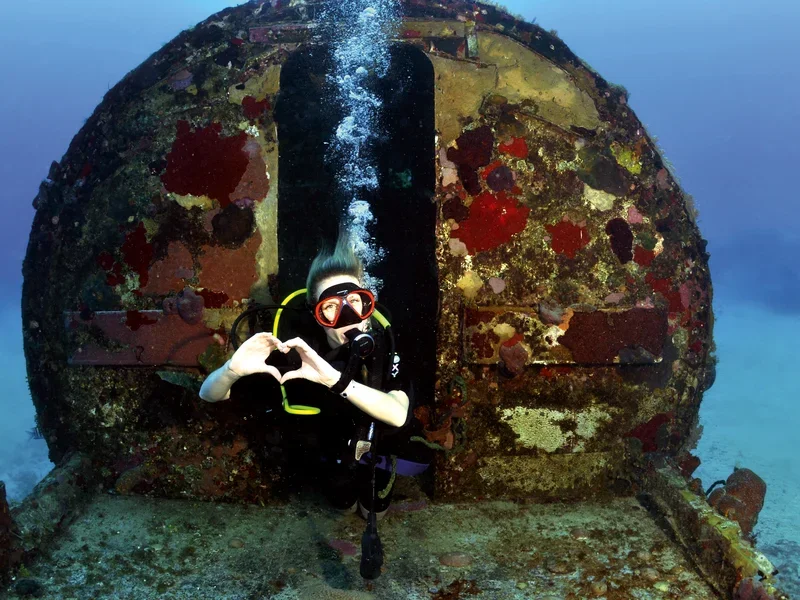
Plunging into the Gulf of Mexico, USS Oriskany immediately impresses. A colossal Essex class aircraft carrier, it now forms the world's largest artificial reef, lying 22 miles off Pensacola, Florida. Sunk purposefully in 2006, the massive vessel invites divers into a silent, vast underwater monument. Its transformation from warship to vibrant habitat is striking, drawing diverse marine life to sprawling decks and a towering bridge.
Evening condition tracking at Site #11_2012_N features an air temperature of 28°C. We have recorded wave heights measuring 0.5 m during this period. These figures outline the environmental parameters currently present.
Dive Site Location & Key Facts
Dive Site Overview
Once a formidable Essex class aircraft carrier, USS Oriskany, affectionately known as the "Mighty O," saw significant service in both the Korean and Vietnam Wars. Its storied military career concluded in 2006 with intentional sinking, part of an artificial reef pilot program.
This established the site as the world's largest artificial reef. Resting 22 miles off Pensacola, Florida, the purposeful act forged an extraordinary dive site, often called "the Great Carrier Reef." Approaching the wreck reveals a massive structure.
Measuring an impressive 277 meters (911 feet) in length, the carrier came to rest in 67 meters (220 feet) of water, offering a distinctly stratified dive experience. Recreational divers can explore the tower, officers' quarters, and bridge, sections starting around 25 meters (80 feet).
Deeper into the wreck, advanced or technical diving certifications unlock greater portions of the flight deck and lower areas. The immense structure consistently draws diverse marine life, making it a compelling destination for experienced divers and underwater photographers seeking historical exploration alongside ecological immersion.
Conditions are Moderate
Optimal conditions expected
Current conditions near Site #11_2012_N show 28° air, 29° sea temperature, 1.3 m waves, and 31 km/h wind. Forecast data is refreshed regularly to ensure accuracy.
Best Time to Dive
Optimizing a dive trip to USS Oriskany means focusing on months with higher dive scores, typically May through August, and November. These periods feature generally warm air temperatures, averaging 24.5-28°C (76-82°F) from May to August, ensuring comfortable surface intervals. Lower wave heights, around 0.7-0.9 meters (2.3-3.0 feet), contribute to calmer boat rides to the site, a crucial factor since all access is boat-based. Water temperature data isn't consistently reported, but conditions are generally pleasant during warmer air months. Moderate rain levels, varying between 2.1-3.5 mm, are also common. March also presents "Good" conditions, offering an average air temperature of 20°C (68°F) and lower rain. October generally yields "Poor" dive scores due to higher wave heights averaging 1.6 meters (5.3 feet) and increased wind speeds, making planning during that month less ideal.
PEAK SEASON SCORE
Scores combine air & water temps, waves, wind & rainfall for overall conditions.
BEST MONTHS TO DIVE
Monthly records compiled from satellite and marine observation nodes over the last 3 years. Data provided by Open-Meteo and MET Norway.
Dive Experience & Conditions
Exclusive boat entry characterizes diving USS Oriskany, highlighting its offshore nature and the necessity of proper logistical planning. Upon arrival, divers encounter an experience spanning various depth ranges. While the wreck's maximum depth reaches 67 meters, its immense structure accommodates diverse skill levels. Recreational divers can explore the ship's tower, officers' quarters, and the bridge, with these upper sections beginning around 80 feet. Such access permits certified Advanced Open Water divers and Wreck Diver specialists to navigate substantial portions of the carrier. Areas below the flight deck extend into depths safely explored only by advanced or technical divers. Navigating deeper sections requires specialized training like PADI Deep Diver or Enriched Air Diver certifications to manage bottom time and gas consumption effectively.
Dive Difficulty & Safety Guidelines
Diving USS Oriskany demands careful consideration of individual skill levels and training, particularly given its significant depth. Divers intending to explore below the flight deck require advanced or technical certifications such as PADI Deep Diver or PADI Wreck Diver. An Advanced Open Water certification is beneficial even for recreational depths, given the sheer scale of the wreck.
Proper dive planning, including gas management and decompression protocols, is critical for deeper penetrations or extended bottom times. Always dive within your certification limits and with a buddy.
Currents can vary, making assessing conditions before entry a sound practice. Adhering to PADI Standard Safe Diving Practices, including never exceeding trained depths, is paramount for a safe experience at this expansive site.
Recommended Equipment
- Dive Computer
This gear list is based on verified equipment signals for Site #11_2012_N, United States. Always confirm final gear choices with your dive operator, guide, or liveaboard.
Recommended Dive Suit
Forecast models show minimal temperature variation in the coming days.
Some divers prefer slightly warmer exposure protection simply for additional comfort.
Dive skin or rash guard usually works well for maintaining comfort during standard dive profiles in these conditions. A hood or vest is suggested for sensitive divers due to surface winds. The latest environmental readings for Site #11_2012_N suggest water temperatures around 29°C (84°F). Surface air temperatures are resting at 28°C (82°F).
Due to technical issues with our weather providers, data hasn't been fetched for over 48 hours. The data above reflects the conditions at the time of the last successful fetch.
Emergency & Medical Support
Essential information to help you plan your dive trip to Site #11_2012_N.

Hyperbaric chambers are a critical part of dive safety infrastructure. Availability varies significantly by region, and not all dive areas have immediate access.
Before diving, it's recommended to:
- confirm nearest medical facilities
- check emergency procedures with local dive operators
- ensure dive insurance covers evacuation if required
Divers Alert Network
Diving emergency assistance available through DAN World.
+1-919-684-9111- 24/7 emergency hotline
- Diving medical assistance
- Evacuation coordination
Emergency contacts are provided for reference. Always verify local emergency services before diving.
Marine Life at Site #11_2012_N
Transformed from a military vessel, the USS Oriskany's underwater landscape now thrives as a vibrant marine ecosystem. Its vast surfaces and intricate structures act as a magnet for a variety of species.
Divers frequently observe abundant reef fish congregating around the carrier's various sections. Larger pelagic fish are often seen patrolling the exterior.
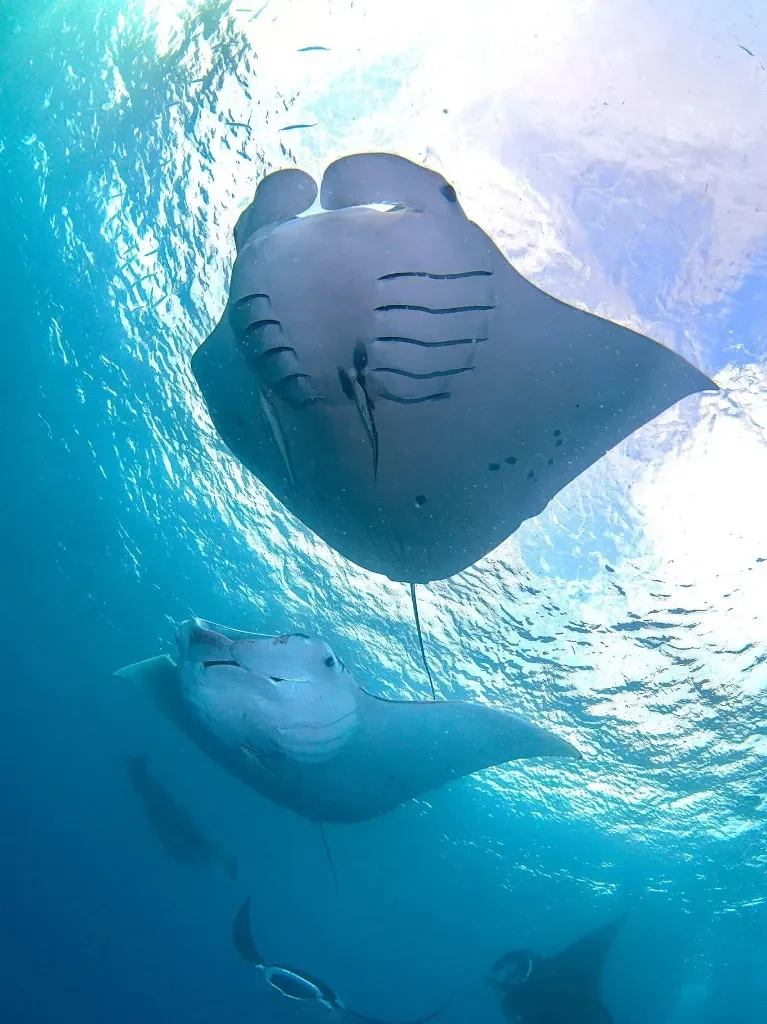
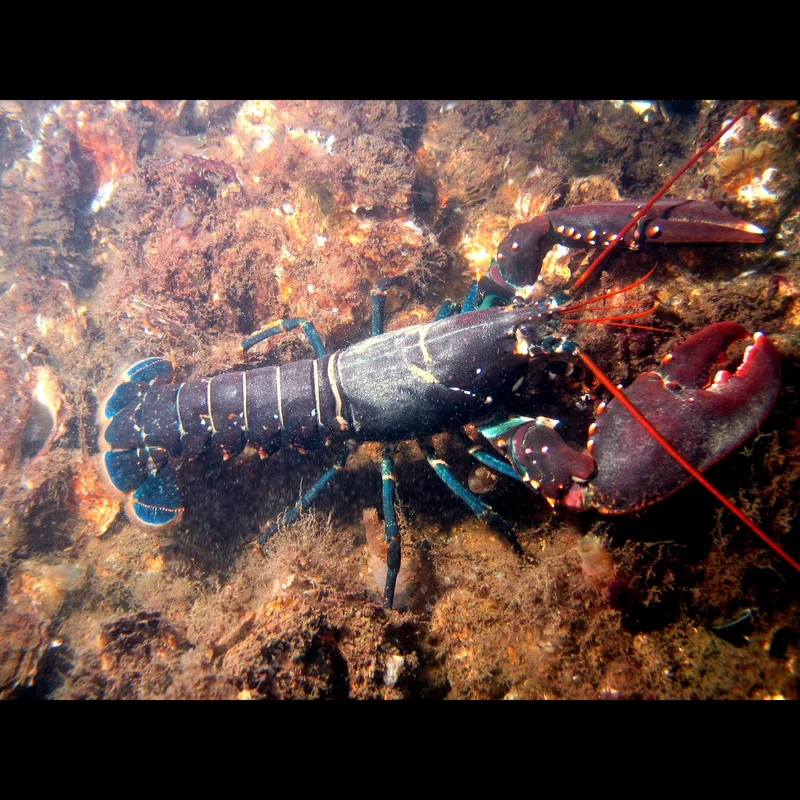
Depending on season and prevailing conditions, sightings might include sharks, eels, octopus, and lobster. Less common, but reported encounters involve majestic manta rays and even whale sharks, underscoring the rich biodiversity this artificial reef attracts in the Gulf of Mexico.

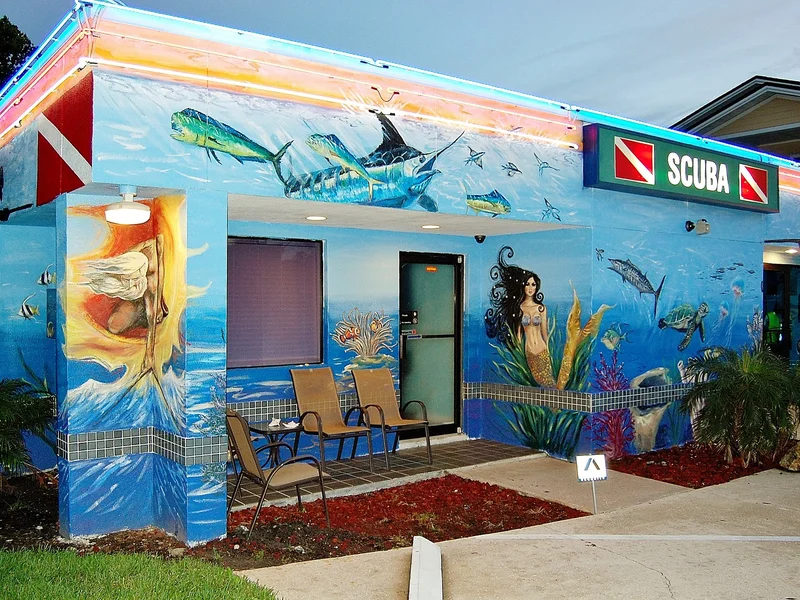
Dive Centers Near Site #11_2012_N
Today: 10:00 - 19:00
Nearest Airports
Nearest airports to help plan travel to this dive area.
Search Flights
Check available flights and routes on Expedia, using the nearby airports listed in this section.
Search Flights on ExpediaFrequently Asked Questions
What is the USS Oriskany?
USS Oriskany, known as the "Mighty O," is an Essex class aircraft carrier that served in the Korean and Vietnam Wars. Sunk purposefully in 2006, it became the world's largest artificial reef, now a thriving underwater habitat.
Where is the Oriskany?
Oriskany rests in the Gulf of Mexico, approximately 22 miles off Pensacola, Florida, United States. Its offshore placement requires boat access for all dives.
What depths can I expect at the USS Oriskany?
Wreck depths reach 67 meters (220 feet). Recreational divers can explore its tower, officers' quarters, and bridge, with these sections starting at about 25 meters (80 feet). Deeper areas require advanced or technical diving certifications.
What kind of marine life might I see here?
Known as the "Great Carrier Reef," the site attracts diverse marine life. Various reef fish, pelagic species, sharks, eels, octopus, and lobster are commonly sighted. Rare reports mention manta rays and whale sharks.
What certifications are recommended for diving the Oriskany?
For exploring recreational depths, a PADI Advanced Open Water Diver certification is highly recommended. To access deeper sections below the flight deck or undertake wreck penetration, specialized training like PADI Deep Diver or PADI Wreck Diver is necessary.
Is the USS Oriskany suitable for all divers?
While portions of the wreck are accessible to recreational divers, its overall depth and penetration potential make it more suited for experienced divers. New divers should build experience on shallower sites before attempting this carrier.
When is the optimal time to plan a dive trip to this site?
Optimal months generally fall between May and August, and in November, when dive conditions are rated "Good." These periods typically feature warmer air temperatures and calmer waters.
Planning to dive Site #11_2012_N?
Send one inquiry and receive offers directly from the best verified local dive operators.
Conditions are Moderate
Optimal conditions expected
Current conditions near Site #11_2012_N show 28° air, 29° sea temperature, 1.3 m waves, and 31 km/h wind. Forecast data is refreshed regularly to ensure accuracy.