
Diving at Site #4_1994 (United States)
Off Pensacola, Florida, the deliberately sunk USS Oriskany aircraft carrier functions as the world's largest artificial reef. As a colossal structure, it now hosts a vibrant underwater ecosystem, providing essential habitat for diverse reef fish and marine life. Attracting pelagic species, sharks, and countless smaller creatures, it's a critical hub for underwater observation. An expansive surface area supports an entire community of organisms.
During this afternoon at Site #4_1994, the recorded air temperature stands at 28.5°C. The water surface currently features wave heights of 1.2 m. These conditions reflect the midday climate for this dive site.
Dive Site Location & Key Facts
Dive Site Overview
Imagine descending upon a colossal aircraft carrier, transformed into an oceanic metropolis, beckoning divers with its sheer scale and vibrant new purpose. The USS Oriskany, affectionately known as "the Mighty O" or "the Great Carrier Reef," is the world's largest artificial reef, a testament to purposeful sinking in 2006.
This Essex-class vessel, which served in the Korean and Vietnam Wars, now rests 22 miles off the coast of Pensacola, Florida, offering an unparalleled diving experience. Stretching an impressive 277 meters (911 feet) in length, the Oriskany caters to a broad spectrum of diving proficiencies. Recreational divers can explore the upper structures, including the ship's tower, officers' quarters, and bridge, with the tower beginning at approximately 25 meters (80 feet).
Deeper sections, with the wreck settling at 67 meters (220 feet) of water, are reserved for advanced or technical diving certifications. Exploring this site promises a journey through diverse compartments and extensive decks, offering multiple exploration opportunities. It's an immense structure that even repeated visits will only begin to uncover.
Conditions are Good
Optimal conditions expected
Current conditions near Site #4_1994 show 29° air, 29° sea temperature, 0.7 m waves, and 17 km/h wind. Forecast data is refreshed regularly to ensure accuracy.
Best Time to Dive
Diving the USS Oriskany presents significantly contrasting conditions throughout the year, with optimal periods occurring during warmer months. May and July typically register the highest dive scores, rated "Good" (8), benefiting from the lowest average wave heights, around 0.7-0.9 meters (2.3-3.0 feet), and lighter winds. Air temperatures during these prime months are quite comfortable, averaging 24.5-27.5°C (76-82°F), with minimal rainfall, around 1.9-2.4 mm. Such conditions usually provide better surface stability and visibility. October, in contrast, presents the poorest average dive score (4), influenced by higher wave heights, averaging 1.6 meters (5.2 feet), and increased wind speeds, reaching 32.9 km/h (20.4 mph). While air temperatures remain pleasant around 24.5°C (76°F) in October, elevated sea states can significantly impact dive comfort and accessibility. Spring and fall offer moderate conditions, with dive scores around 6-7, but divers should anticipate more variable sea states outside the peak summer window.
PEAK SEASON SCORE
Scores combine air & water temps, waves, wind & rainfall for overall conditions.
BEST MONTHS TO DIVE
Monthly records compiled from satellite and marine observation nodes over the last 3 years. Data provided by Open-Meteo and MET Norway.
Dive Experience & Conditions
Navigating this impressive artificial reef often presents a dynamic underwater experience, where current dynamics can vary. While specific current reports are not consistently reported, conditions on large offshore wrecks can range from mild to moderate, influencing the drift over the vast structure. Entry to the USS Oriskany is exclusively by boat, typically involving a descent along a mooring line. Visibility varies depending on conditions and time of year, but often extends sufficiently to appreciate the immense scale of the carrier. Exploring the ship's numerous levels, from the expansive flight deck to the inner compartments, provides a rich experience. Recreational divers concentrate on shallower sections, while those with advanced certifications can venture into deeper areas. This multi-level exploration means currents at different depths or within the structure itself can feel distinct. Encountering this wreck is a humbling experience due to its sheer size.
Dive Difficulty & Safety Guidelines
Successfully navigating the USS Oriskany challenges divers to respect depth limits and acquire appropriate training. Given the wreck's structure, with the tower beginning at 25 m (80 ft) and the vessel resting at a maximum depth of 67 m (220 ft), proper certification is paramount. Recreational divers should limit their exploration to the shallower accessible parts like the tower and bridge, strictly avoiding penetration into unexplored or deeper zones without technical qualifications.
Specific training like PADI Advanced Open Water Diver, Enriched Air Diver, Deep Diver, and Wreck Diver courses are highly recommended to prepare for this environment. Planning dives meticulously, monitoring gas consumption, and being proficient in buoyancy control are crucial for a safe and rewarding experience on such a large, complex wreck. Always dive with a reliable buddy and carry a surface marker buoy.
Recommended Equipment
- Dive Computer
This gear list is based on verified equipment signals for Site #4_1994, United States. Always confirm final gear choices with your dive operator, guide, or liveaboard.
Recommended Dive Suit
Current diving conditions indicate water temperatures around 29°C (83°F) at Site #4_1994. Surface air temperatures are resting at 29°C (84°F).
Environmental conditions may feel slightly cooler as the week progresses. Cooler days are ahead; you might want a warmer option for later in the week. A neoprene vest or hood can add flexibility if temperatures feel cooler underwater.
In water temperatures like these, 2-3mm shorty or light wetsuit typically offers sufficient warmth for most recreational dives. Consider warmer surface protection (like a boat coat) due to brisk winds. Some divers naturally tolerate cooler water better than others. Stronger winds may also make surface intervals feel cooler than usual.
Due to technical issues with our weather providers, data hasn't been fetched for over 48 hours. The data above reflects the conditions at the time of the last successful fetch.
Emergency & Medical Support
Essential information to help you plan your dive trip to Site #4_1994.

Hyperbaric chambers are a critical part of dive safety infrastructure. Availability varies significantly by region, and not all dive areas have immediate access.
Before diving, it's recommended to:
- confirm nearest medical facilities
- check emergency procedures with local dive operators
- ensure dive insurance covers evacuation if required
Divers Alert Network
Diving emergency assistance available through DAN World.
+1-919-684-9111- 24/7 emergency hotline
- Diving medical assistance
- Evacuation coordination
Emergency contacts are provided for reference. Always verify local emergency services before diving.
Marine Life at Site #4_1994
An active ecosystem thrives within the USS Oriskany, where the ship's decks and compartments offer shelter and hunting grounds. This immense artificial structure draws pelagic fish gracefully patrolling its perimeter.
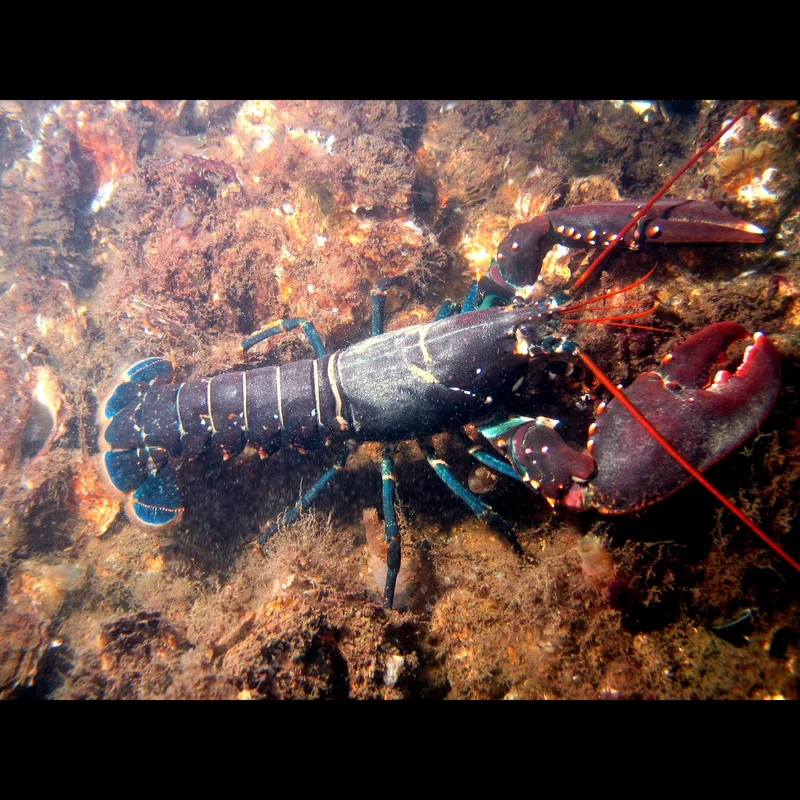
Various reef fish establish territories within the wreck's crevices. Divers frequently encounter sharks, eels, octopus, and lobster flourishing here.
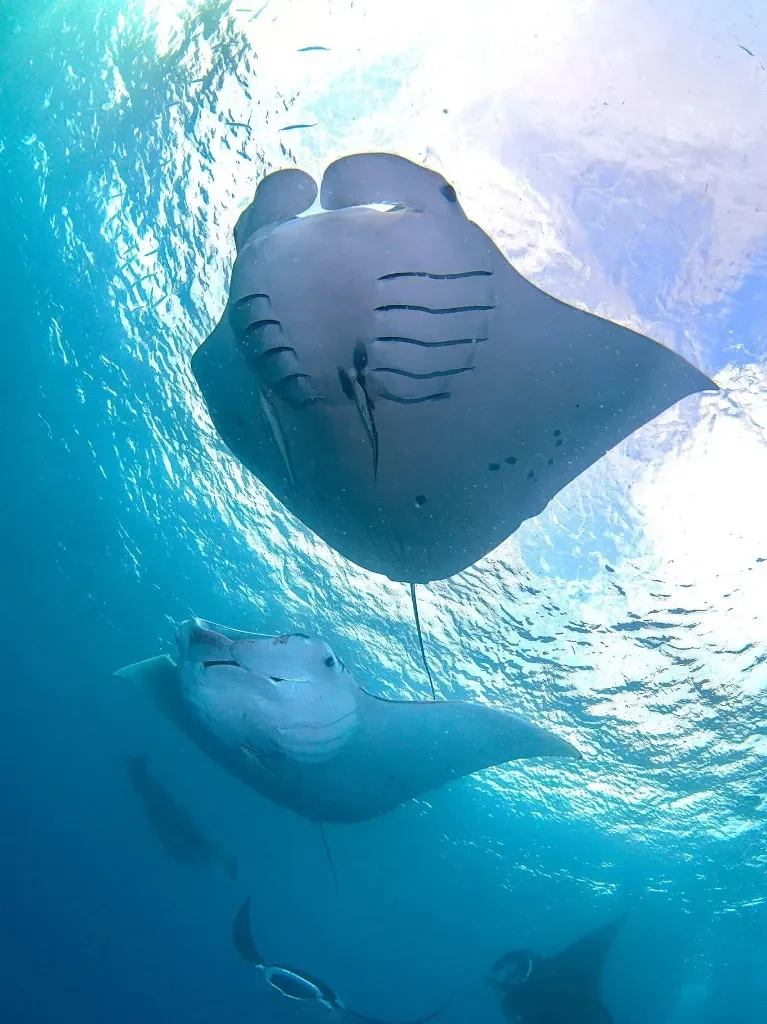
Occasional sightings of larger visitors like manta rays or even a whale shark highlight the site's ecological importance, making every dive a potential discovery within this submerged city.

Dive Centers Near Site #4_1994
Today: 10:00 - 17:00
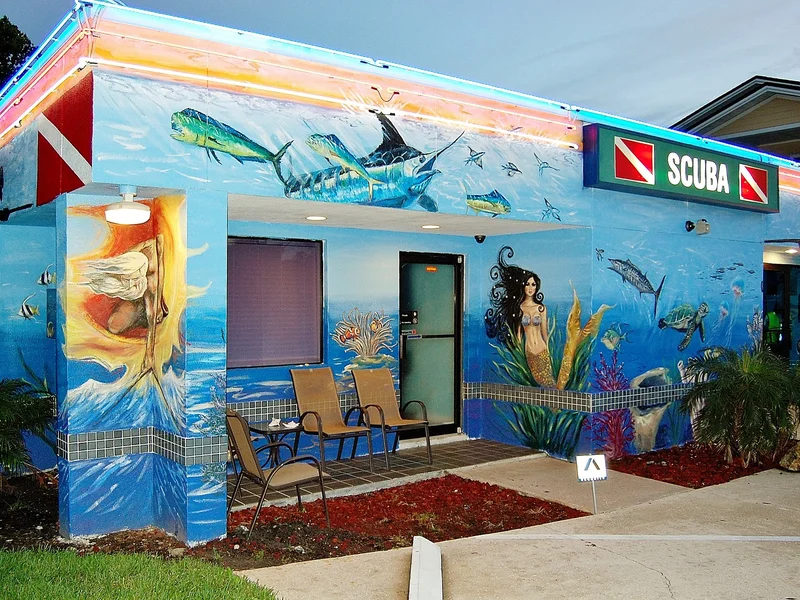
Nearest Airports
Nearest airports to help plan travel to this dive area.
Search Flights
Check available flights and routes on Expedia, using the nearby airports listed in this section.
Search Flights on ExpediaFrequently Asked Questions
What is the USS Oriskany?
An Essex-class aircraft carrier, the USS Oriskany is known as the world's largest artificial reef. Sunk purposely in 2006 off Pensacola, Florida, it now serves as a thriving marine habitat and dive site. This vessel previously saw service in the Korean and Vietnam Wars.
Where is the USS Oriskany located?
Approximately 22 miles off Pensacola, Florida, in the Gulf of Mexico, the wreck is situated. Coordinates are 30.04258, -87.00662.
What is the maximum depth for diving the Oriskany?
The wreck rests in 67 meters (220 feet) of water. Recreational divers typically explore shallower sections like the tower, officers' quarters, and bridge, which begin around 25 meters (80 feet). Exploring deeper areas requires advanced or technical diving certifications.
What kind of marine life can be seen at the Oriskany?
Divers commonly observe pelagic fish, various reef fish, sharks, eels, octopus, and lobster around the wreck. Occasional sightings of larger species, like manta rays or even whale sharks, are also possible. This vast structure supports a rich biodiversity.
What certifications are recommended for diving this site?
PADI Advanced Open Water Diver, Enriched Air Diver, Deep Diver, and Wreck Diver certifications come highly recommended. Such courses equip divers with the skills needed to safely explore different sections and depths of this complex wreck.
How do divers access the USS Oriskany?
Access to the USS Oriskany is exclusively by boat. Divers typically descend along a mooring line attached to the wreck.
What is the best time of year to dive the Oriskany?
Optimal diving conditions typically occur from May through July, when dive scores are highest ("Good"). During these months, conditions often feature lower wave heights, lighter winds, and comfortable air temperatures averaging 24.5-27.5°C (76-82°F).
Planning to dive Site #4_1994?
Send one inquiry and receive offers directly from the best verified local dive operators.
Conditions are Good
Optimal conditions expected
Current conditions near Site #4_1994 show 29° air, 29° sea temperature, 0.7 m waves, and 17 km/h wind. Forecast data is refreshed regularly to ensure accuracy.