
Diving at Site 8 (SE) (United States)
Ginnie Springs offers diverse dive profiles, ranging from the shallower Ginnie Ballroom at 4.5 m (15 ft) to the intricate, deeper cave systems of Devil's Spring. Divers navigate distinct environments here. Cavern and cave sections present varying depths and challenges. Many areas remain within recreational limits for certified open water divers, while overhead environments demand specialized training and equipment. It's a progression from sunlight-filled basins to more shadowed cave entrances.
During this afternoon at Site 8 (SE), the recorded air temperature stands at 27.5°C. The water surface currently features wave heights of 1.5 m. These conditions reflect the midday climate for this dive site.
Dive Site Location & Key Facts
Dive Site Overview
Ginnie Springs features a complex of freshwater springs, presenting varied dive topography across its three main areas: the Devil's Spring System, Ginnie Ballroom, and the Santa Fe River. Within the Devil's Spring System, comprising Devil's Eye, Devil's Ear, and Devil Spring, advanced diving into overhead environments is offered, strictly limited to certified cavern and cave divers.
Open water divers are restricted from entering these overhead sections; carrying lights in these particular areas is also prohibited for them. Ginnie Ballroom offers a large, open, bowl-shaped depression, approximately 30 m (100 ft) across with a maximum depth of 4.5 m (15 ft).
Accessible to certified open water divers, this area provides a spacious and illuminated experience. Clear freshwater conditions make it suitable for training and relaxed exploration.
A distinctive drift dive experience awaits in the nearby Santa Fe River. Navigating its gentle current, divers can explore a different kind of underwater landscape, often revealing ancient fossils embedded in the riverbed.
Entry points are managed to ensure safety, and strict buddy system rules are enforced across all dive sites. Preserving the site's unique characteristics requires divers to respect varying access levels and environmental sensitivities.
Conditions are Good
Optimal conditions expected
Current conditions near Site 8 (SE) show 27° air, 29° sea temperature, 0.9 m waves, and 23 km/h wind. Forecast data is refreshed regularly to ensure accuracy.
Best Time to Dive
Diving at Ginnie Springs is generally favorable year-round, but conditions present notable contrasts across seasons. The warmer months, particularly from May through August, consistently offer the best dive scores, rated 'Good' (8). During this period, average air temperatures range from 25°C (77°F) to 28°C (82°F), with relatively lower wave heights and wind speeds, making surface conditions calmer. Rainfall sees a peak in September, reaching 6.89 mm, potentially impacting short-term visibility in the river, though the springs typically maintain clarity. Conversely, the cooler winter and spring months, from January to April and November to December, also maintain 'Good' dive scores (7). Air temperatures during these times range from 15°C (59°F) to 22.5°C (72°F), which may necessitate thicker wetsuits. October stands out with a 'Moderate' dive score (5), exhibiting higher average wave heights of 1.7 m (5.6 ft) and peak wind speeds of 21.7 km/h (13.5 mph), which could affect comfort for surface operations. While water temperature data isn't consistently reported, the spring water typically maintains a consistent, cool temperature year-round due to its groundwater source.
PEAK SEASON SCORE
Scores combine air & water temps, waves, wind & rainfall for overall conditions.
BEST MONTHS TO DIVE
Monthly records compiled from satellite and marine observation nodes over the last 3 years. Data provided by Open-Meteo and MET Norway.
Dive Experience & Conditions
Descending into Ginnie Springs, divers quickly encounter exceptionally clear freshwater, often described as having high visibility that provides expansive views. While specific water temperature data isn't widely available, the spring water generally remains consistent and cool throughout the year, necessitating appropriate thermal protection. Many divers choose 3mm or 7mm full wetsuits depending on personal comfort and dive duration. Surface conditions typically include low wave heights, particularly in the summer, though winds can pick up, affecting boat rides or surface intervals. As divers move from the open-water areas towards the cavern and cave entrances, the environment shifts. Light penetration decreases, and the topography becomes more complex. Currents vary; the Santa Fe River offers a noticeable drift, while the spring basins have minimal flow. Navigation within the overhead environments requires advanced training, where restrictions on dive lights are strictly enforced for those without proper cave certifications. Recreational divers will enjoy the ample light in the Ginnie Ballroom.
Dive Difficulty & Safety Guidelines
Navigating the dive sites at Ginnie Springs requires strict adherence to safety guidelines, with significant restrictions in overhead environments. A primary rule dictates no solo diving; all divers must operate with a buddy. Open water divers are prohibited from entering the overhead portions of the Devil’s Cave System, including Devil’s Eye, Devil’s Ear, and Little Devil, and are not permitted to use dive lights in these areas.
Certified cavern and cave divers must register their certification and are the only ones allowed underwater lights within the Devil’s Spring System. Minors under 12 are not permitted to scuba dive.
Those aged 12 and over must dive with a certified adult, and if a parent or legal guardian isn't present, their minor's waiver needs notarization. Divers must also follow generally accepted safe diving practices and be free from alcohol or drug influence.
The use of personal compressors, surface-supplied, or "umbilical" diving equipment is not allowed, and open water DPV diving is restricted. Diving is prohibited in Dogwood, Twin, or Deer Springs, and on select major holidays.
Recommended Equipment
- Dive Computer
This gear list is based on verified equipment signals for Site 8 (SE), United States. Always confirm final gear choices with your dive operator, guide, or liveaboard.
Recommended Dive Suit
2-3mm shorty or light wetsuit is frequently recommended by dive operators for conditions like these. Consider warmer surface protection (like a boat coat) due to brisk winds. Those diving at Site 8 (SE) today will likely encounter water temperatures in the region of 29°C (84°F). Surface air temperatures are resting at 27°C (81°F).
Forecast trends indicate little change in overall diving conditions during the next few days.
Even small thermoclines can occasionally cause noticeable changes in water temperature.
Due to technical issues with our weather providers, live updates are temporarily delayed. The data above reflects the conditions at the time of the last successful fetch.
Emergency & Medical Support
Essential information to help you plan your dive trip to Site 8 (SE).

Hyperbaric chambers are a critical part of dive safety infrastructure. Availability varies significantly by region, and not all dive areas have immediate access.
Before diving, it's recommended to:
- confirm nearest medical facilities
- check emergency procedures with local dive operators
- ensure dive insurance covers evacuation if required
Divers Alert Network
Diving emergency assistance available through DAN World.
+1-919-684-9111- 24/7 emergency hotline
- Diving medical assistance
- Evacuation coordination
Emergency contacts are provided for reference. Always verify local emergency services before diving.
Marine Life at Site 8 (SE)
Ginnie Springs' underwater landscape is primarily shaped by its unique geological formations, not abundant reef life. While specific marine animal highlights aren't consistently reported, clear spring waters provide an opportunity to observe intricate rock formations, root systems, and spring vents that define its distinctive environment.
A different experience awaits in the Santa Fe River section, where divers might encounter ancient fossils embedded in the riverbed. Such fossil discoveries are a unique draw, offering glimpses into prehistoric aquatic life that once inhabited the area.
The focus here remains on geological exploration and archaeological discovery, making the underwater scenery itself a primary highlight.
Dive Centers Near Site 8 (SE)
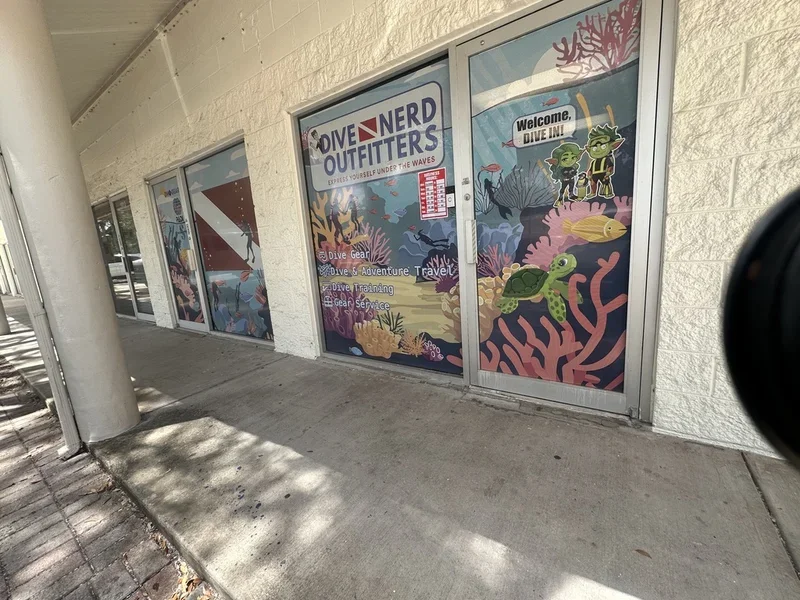
Today: 10:00 - 17:00
Nearest Airports
Nearest airports to help plan travel to this dive area.
Search Flights
Check available flights and routes on Expedia, using the nearby airports listed in this section.
Search Flights on Expedia
Plan Your Stay
Looking for a place to stay for your dive trip? Explore hotels, stays, and vacation rentals for dive groups near Oak Hill.
Dive Navigator may earn a commission from these links at no extra cost to you.
Frequently Asked Questions
What certifications are required to dive at Ginnie Springs?
All divers must show proof of certification from a recognized agency. While open water certification is sufficient for areas like the Ginnie Ballroom and parts of the Devil's Spring System, specific cavern and full cave certifications are mandatory for entry into overhead environments. CCR/Semi-CCR users require Full Cave CCR certification for Devil's Spring System.
Are dive lights permitted for all divers?
No, dive lights, including video lights and strobes, are strictly restricted. Only certified cavern and cave divers who have registered as such in the office may be in possession of underwater lights anywhere in or near the Devil’s Spring System. Open water divers are not allowed to carry lights into the water.
What is the minimum age for scuba diving at Ginnie Springs?
The minimum age for scuba diving is 12 years old, regardless of supervision or certification level. All minors must dive with a certified adult.
Can I dive solo at Ginnie Springs?
No, Ginnie Springs Outdoors does not allow solo diving. All divers must have a buddy to ensure safety and adhere to site regulations.
What are the rules regarding personal diving equipment?
Personal compressors, surface supplied, or "umbilical" diving equipment are not allowed on the property. Open water and cavern divers are restricted to a single-cylinder configuration in the Devil’s Spring System.
Is Nitrox available for fills?
Yes, high-volume Nitrox fills are available at 32%. Divers must present their Nitrox certification for these specialized fills.
Can instructors teach all levels of courses at Ginnie Springs?
No, instructors may not teach minors any courses higher than cavern. Additionally, divers must be at least 18 years old to check in or dive for intro-to-cave certification or higher.
Planning to dive Site 8 (SE)?
Send one inquiry and receive offers directly from the best verified local dive operators.
Conditions are Good
Optimal conditions expected
Current conditions near Site 8 (SE) show 27° air, 29° sea temperature, 0.9 m waves, and 23 km/h wind. Forecast data is refreshed regularly to ensure accuracy.