
Diving atSite 9 (NW-2) (United States)
The Northwest United States presents a diverse aquatic experience, ranging from the bracing clarity of coastal waters to the often cooler, murkier depths of inland lakes. Expect submerged landscapes that shift from rugged rocky structures to silty bottoms, each offering a distinct feel. Currents can vary significantly, dictating the pace of any dive.
As evening covers Site 9 (NW-2), the local air temperature is measured at 23.9°C. The current wave height at the surface is recorded at 0.76m. These late-day readings characterize the surface conditions for the night.
Dive Site Coordinates
29.3569, -80.3654
Dive Site Overview
Diving in the Northwest United States means preparing for a variety of conditions and distinct underwater environments, which sets this region apart from typical tropical destinations. While specific site details vary greatly, common threads include an emphasis on self-reliance and comprehensive dive planning due to the often remote nature or specific regulatory requirements of some locations.
Many sites, particularly those in the Pacific Northwest like Duncan Rock off Southern Oregon, are deeply cherished by local divers for their unique character. For instance, specific inland lakes like Fish Lake in Utah present shallower profiles, with a maximum depth of around 9 m (30 ft) and a mean depth of 3.6 m (12 ft), making them suitable for less experienced divers or those preferring extended bottom times.
However, visibility in such lakes can be limited, sometimes reported between 1.8-2.7 m (6-9 ft). In contrast, larger bodies like Bear Lake, spanning Utah and Idaho, offer a more expansive experience, dropping to maximum depths of 63 m (208 ft) with a mean depth of 28.6 m (94 ft).
Here, visibility tends to be clearer, often reaching 6-9 m (20-30 ft). Divers might even explore artificial reefs, such as the "Car Lot" in Bear Lake, where dozens of submerged vehicles lie in the 9-meter (30-foot) range.
The region demands adaptability, whether it's navigating colder waters or adjusting to varying visibility.
Best Time to Dive
For an optimal dive experience in the Northwest United States, targeting the warmer, calmer months is generally advisable. July often presents the most favorable conditions, with average air temperatures reaching approximately 28°C (82°F) and significantly lower wave heights, around 0.86 meters (2.8 feet), indicating a calmer surface. Wind speeds are also typically reduced in July, averaging about 25 km/h (15.5 mph), contributing to better boat access and overall comfort. May also offers "Good" dive scores, with slightly cooler air temperatures of about 25°C (77°F) and moderately higher waves, averaging 1.13 meters (3.7 feet). These conditions generally translate to more accessible entry points and a more comfortable topside experience, although water temperatures are not consistently reported and vary by specific location and depth. While May and July stand out, other months such as April, June, August, and November still offer "Moderate" diving conditions. Conversely, October typically sees a "Poor" dive score due to increased wave heights and higher wind speeds, making it a less predictable time for diving.
Climate Historical Averages
Monthly records compiled from satellite and marine observation nodes over the last 3 years. Data provided by Open-Meteo and MET Norway.
Dive Experience & Conditions
Navigating the diverse dive sites of the Northwest United States requires an understanding of dynamic conditions. Water temperatures are not consistently reported for all locations, but based on specific lake examples, summer conditions can range significantly. Bear Lake, for instance, reports summer water temperatures between 13-18°C (55-65°F), demanding appropriate thermal protection. Visibility also varies widely; some shallower mountain lakes might offer only 1.8-2.7 m (6-9 ft) of clear viewing, whereas deeper lakes can provide 6-9 m (20-30 ft) of visibility. Surface conditions during prime diving months typically involve lower wave heights, averaging less than 1.2 meters (4 feet) between May and August, which can improve boat operations and surface swims. Wind speeds during these months usually remain below 28 km/h (17 mph). Despite these general trends, localized currents, especially near coastal inlets or river mouths, can be strong and unpredictable. Divers should always factor in potential thermoclines and the often cooler water at deeper sections, regardless of surface air temperatures.
Dive Difficulty & Safety Guidelines
When diving anywhere in the Northwest United States, a vigilant approach to local regulations and conditions is paramount. Always confirm specific site requirements before entering the water, as permits might be necessary for certain locations, such as Lake Union. Due to the presence of motorized watercraft on many inland lakes, the use of a dive flag is required. This crucial safety measure increases your visibility to boaters. Furthermore, the varying depths and temperatures encountered across the region necessitate proper dive planning, including appropriate thermal protection. For sites at higher elevations, like Fish Lake (elevation 9472 feet), divers must also consider altitude diving procedures to prevent decompression sickness. Staying informed about current weather patterns, which can influence wave height and wind speed, is essential for safe entry and exit. It's wise to dive with a buddy who understands the local environment.
Recommended Equipment
No verified equipment items yet.
Verified equipment recommendations for this dive site are being reviewed and may be added as additional source checks are completed.
Recommended Dive Suit
With water temperatures around 25°C (77°F), many divers find a 3mm wetsuit provides comfortable protection.
Local dive briefings can provide the most accurate guidance.
The upcoming forecast points to generally steady conditions in the area.
Conditions last reviewed: 18:00 using the latest environmental data.
Dive Logistics & Preparation
Hyperbaric Chamber
Check local United States medical facilities.
Entry Requirements
View United States Visa Hub
Currency
USD
Nearest Airports
Nearest airports to help plan travel to this dive area.
Marine Life at Site 9 (NW-2)
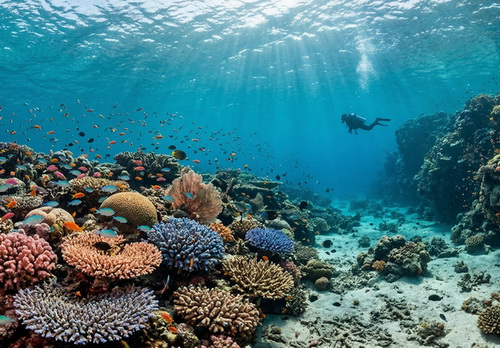
The underwater landscapes in the Northwest United States are characterized by distinct ecosystems, with marine life varying significantly between coastal and inland sites. Rocky structures along the Pacific Northwest coast can host diverse invertebrate communities, while the region's inland lakes present their own unique inhabitants. For example, lakes like Fish Lake are home to rainbow and cutthroat trout. Bear Lake, a larger system, supports cutthroat and lake trout, alongside unique species such as Bonneville cisco, Bonneville whitefish, Bear Lake whitefish, and Bear Lake sculpin. Exploring these varied aquatic environments reveals adaptations specific to cooler, freshwater conditions. Sometimes, artificial structures like the submerged "Car Lot" in Bear Lake also serve as aggregation points for fish, creating an intriguing habitat within the lake's natural basin.
Dive Centers Near Site 9 (NW-2)
No Dive Centers Local To Site 9 (NW-2)
Are you a dive center visiting this location? Get listed to reach divers.
Frequently Asked Questions
Is water temperature information available for all dive sites in the Northwest United States?
No, water temperatures are not consistently reported for all locations. They vary significantly depending on the specific body of water, depth, and time of year. For instance, summer temperatures in certain lakes can range from 13-18°C (55-65°F).
What are the typical visibility conditions?
Visibility in the Northwest United States varies greatly. Shallower mountain lakes might offer 1.8-2.7 m (6-9 ft) of visibility, while deeper lakes can provide 6-9 m (20-30 ft) of clear viewing. Coastal conditions can also fluctuate with currents and sediment.
Are there any specific permit requirements for diving?
Yes, some specific locations may require permits for diving, such as Lake Union. It's always best to inquire with local authorities or dive operators before planning your dive.
Is a dive flag necessary in this region?
Yes, a dive flag is required in many areas, particularly in inland lakes where motorized watercraft may be present. This is a crucial safety measure to alert boaters to your presence.
What kind of marine life can be seen?
Marine life varies by environment. Inland lakes commonly feature various trout species like rainbow, cutthroat, and lake trout, along with specific whitefish and sculpin species. Coastal areas would present different marine invertebrates and fish typical of the Pacific Northwest.
What are the general surface conditions like during peak diving season?
During peak diving months, such as May and July, average wave heights are typically lower (under 1.2 meters or 4 feet) and wind speeds are generally reduced (below 28 km/h or 17 mph). This usually contributes to a more comfortable topside experience and easier boat operations.
Liveaboards Sailing to Site 9 (NW-2)
Explore highly rated liveaboards visiting this dive site and discover the best routes in United States.
Resorts & Accommodation
Find partner hotels and dive resorts directly accessing the reef.
Around This Area
Explore top-rated restaurants, activities, and attractions near Site 9 (NW-2) reviewed by travelers.
Planning to dive Site 9 (NW-2)?
Send one inquiry and receive offers directly from the best verified local dive operators.