
Diving at Spring Lake (United States)
Spring Lake offers a highly unique freshwater diving environment, fed by over 200 artesian springs at the headwaters of the San Marcos River. As one of the world’s largest aquifer-driven spring systems, it maintains a remarkably constant water temperature of 22°C / 72°F year-round. Diving opportunities here are exclusively regulated, focusing on scientific and conservational efforts within its shallow depths, reaching a maximum of 2 meters / 7 feet.
The latest environmental reading at Spring Lake indicates an air temperature of 28°C. The regional climate in United States is aligning with expected historical averages. Prepare your gear according to these specific local conditions.
Dive Site Location & Key Facts
Dive Site Overview
Tracing a rich human history back more than 12,000 years, Spring Lake is recognized as North America's longest continuously inhabited archaeological site. Far more than just a body of water, it's a state antiquities landmark, rigorously protected under Texas Antiquities Law.
Ecological significance here is equally profound, having been declared a "Critical Habitat" in 1980. Its designation underlines the vital role it plays in sustaining seven federally listed species, mandating strict adherence to the Endangered Species Act of 1973 for any activity within its waters.
Consequently, general recreational diving is not an option. Instead, access is exclusively for authorized citizen scientist divers who successfully complete the comprehensive Spring Lake Dive Authorization Course.
Such a rigorous program ensures divers possess advanced proficiency and a deep understanding of the unique ecological and historical context. Participants learn specialized techniques for operating within a delicate environment, where depths reach just 2 meters / 7 feet and water temperature remains a constant 22°C / 72°F.
Contributions are essential, engaging in vital habitat restoration, conducting ongoing biological and archaeological research, and participating in species monitoring efforts. Authorized dives directly support the preservation of Spring Lake’s irreplaceable natural and cultural heritage, making every underwater entry a purpose-driven endeavor.
Conditions are Excellent
07:00 - 14:00
Optimal conditions expected
Current conditions near Spring Lake show 28° air, --° sea temperature, N/A waves, and 19 km/h wind. Forecast data is refreshed regularly to ensure accuracy.
Best Time to Dive
With its water consistently holding at 22°C / 72°F, Spring Lake offers a distinct year-round diving experience, unaffected by seasonal external temperatures. During cooler months, particularly from November through March, when air temperatures range from 9-18°C / 49-64°F, the lake becomes a favored site for certifications and training, as other freshwater locations in Texas often become too cold. Summer months, like August, see the highest air temperatures averaging around 30°C / 87°F, accompanied by minimal rain, contributing to excellent overall dive scores. Even during periods with higher average rainfall, such as April or May, water clarity remains high due to the constant spring flow, making any month suitable for authorized dives.
PEAK SEASON SCORE
Scores combine air & water temps, waves, wind & rainfall for overall conditions.
BEST MONTHS TO DIVE
Monthly records compiled from satellite and marine observation nodes over the last 3 years. Data provided by Open-Meteo and MET Norway.
Dive Experience & Conditions
Entering Spring Lake, divers are immediately struck by the exceptionally clear, spring-fed waters and the consistent 22°C / 72°F temperature that defines its unique freshwater system. Its designation as both a "Critical Habitat" and a significant archaeological area means precise neutral buoyancy isn't just a recommendation—it's paramount. Divers must maintain impeccable control to avoid disturbing the fragile bottom, which holds both ancient historical artifacts and delicate ecosystems. Dive activities are strictly confined to designated training and research areas, minimizing impact on the wider environment. With very shallow depths, the focus of dives here shifts dramatically from deep exploration to meticulous observation and controlled movements. Such an environment demands an elevated level of conscious awareness and highly practiced buoyancy control from every diver. It’s an immersive experience centered on careful study and respectful interaction, where success is measured by the ability to move seamlessly without contact, making it a distinctive challenge even for experienced divers.
Dive Difficulty & Safety Guidelines
Diving in Spring Lake is highly regulated due to its status as a "Critical Habitat" and an archaeological site. General recreational diving is not permitted; instead, all divers must complete the Spring Lake Dive Authorization Course (DAC) as mandated by the Spring Lake Management Plan. This course ensures divers are proficient, understand specific policies, and respect the unique environment.
To qualify for the DAC, individuals must be at least 18 years old, hold an Open Water Scuba Diver certification, and have logged a minimum of 25 dives. Participants must demonstrate strong underwater skills, including buoyancy control, situational awareness, and problem-solving, during open-water evaluations.
Recommended Equipment
- Dive Computer
- Hard-soled Dive Boots
This gear list is based on verified equipment signals for Spring Lake, United States. Always confirm final gear choices with your dive operator, guide, or liveaboard.
Recommended Dive Suit
Experienced divers often bring flexible gear options.
Because recent water temperature readings are not available for Spring Lake, the guidance below is based mainly on current air conditions and seasonal expectations. Current surface air temperatures are roughly 28°C (83°F). Based on regional estimates and current weather, the likely required exposure protection is a 3mm wetsuit. Note that local currents and upwellings can alter this.
Conditions may fluctuate slightly depending on wind and weather patterns. Cooler days are ahead; you might want a warmer option for later in the week. A thicker wetsuit may be worth considering for extended dives.
Due to technical issues with our weather providers, live updates are temporarily delayed. The data above reflects the conditions at the time of the last successful fetch.
Emergency & Medical Support
Essential information to help you plan your dive trip to Spring Lake.

Hyperbaric chambers are a critical part of dive safety infrastructure. Availability varies significantly by region, and not all dive areas have immediate access.
Before diving, it's recommended to:
- confirm nearest medical facilities
- check emergency procedures with local dive operators
- ensure dive insurance covers evacuation if required
Divers Alert Network
Diving emergency assistance available through DAN World.
+1-919-684-9111- 24/7 emergency hotline
- Diving medical assistance
- Evacuation coordination
Emergency contacts are provided for reference. Always verify local emergency services before diving.
Marine Life at Spring Lake
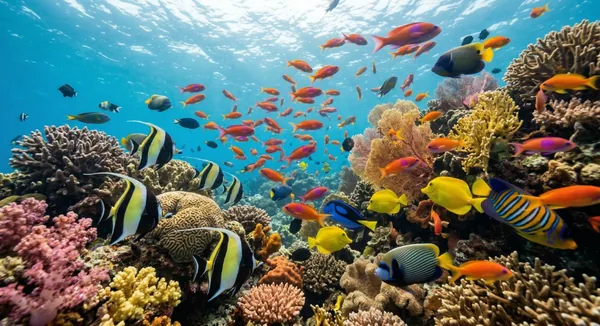
A biologically diverse aquatic ecosystem in the Upper San Marcos River hosts several endemic species found nowhere else. Spring Lake is notably home to seven threatened and endangered species, underscoring its critical ecological importance.
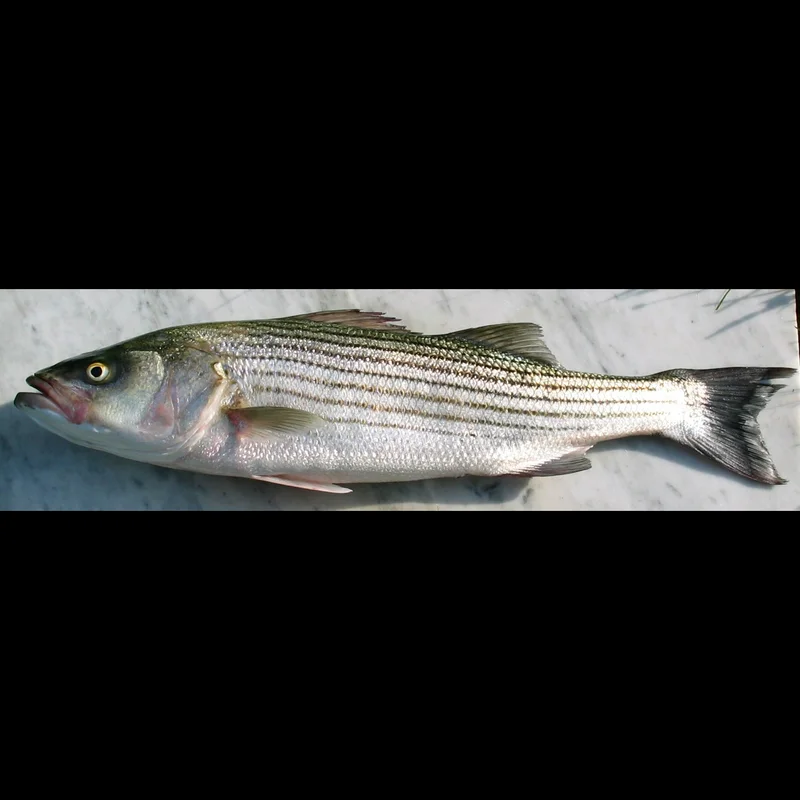
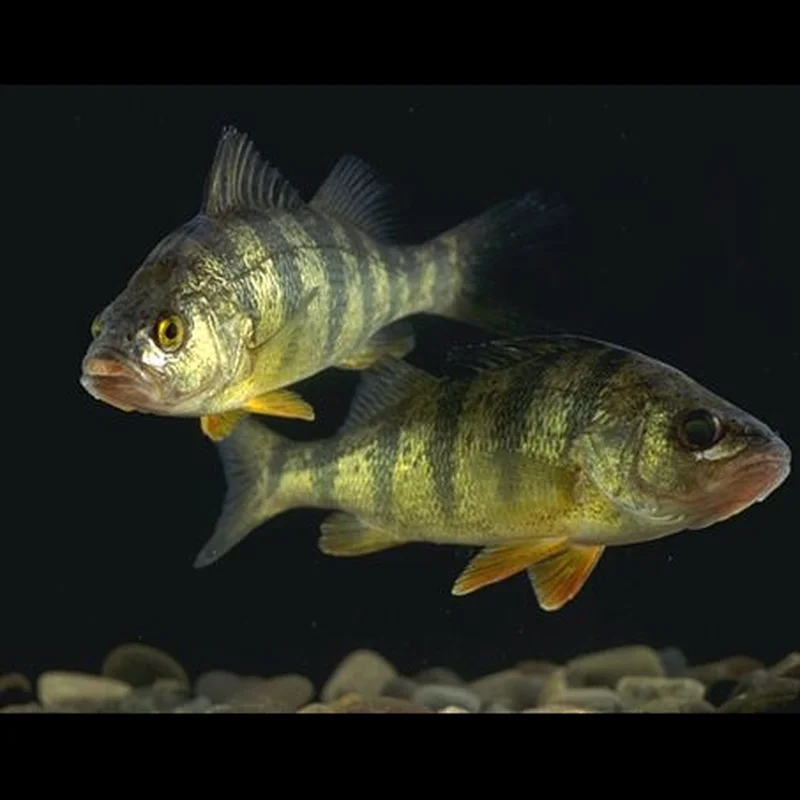
Divers often encounter what is believed to be the densest population of turtles in the United States. Beyond the endangered species, common sightings include various freshwater fish like bream, bass, walleye, crappie, catfish, perch, and long-nose gar, offering glimpses into a vibrant freshwater community.
Dive Centers Near Spring Lake
No Dive Centers Local To Spring Lake
Are you a dive center visiting this location? Get listed to reach divers.
Nearest Airports
Nearest airports to help plan travel to this dive area.
Search Flights
Check available flights and routes on Expedia, using the nearby airports listed in this section.
Search Flights on Expedia
Plan Your Stay
Looking for a place to stay for your dive trip? Explore hotels, stays, and vacation rentals for dive groups near San Marcos.
Dive Navigator may earn a commission from these links at no extra cost to you.
Frequently Asked Questions
Can I recreationally dive in Spring Lake?
No, general recreational diving is not permitted in Spring Lake. Due to its status as a critical habitat and archaeological site, diving access is restricted and requires specific authorization through a sanctioned course.
What is the water temperature like year-round?
Spring Lake maintains a constant water temperature of 22°C / 72°F throughout the entire year. This stability is due to the lake being fed by over 200 artesian springs.
What makes Spring Lake a unique dive site?
Spring Lake is unique for its extensive historical and archaeological significance, dating back 12,000 years. It's also a critical habitat for seven federally listed endangered species and boasts one of the world’s largest aquifer-driven spring systems.
What is the maximum depth available for diving?
The maximum depth in Spring Lake is shallow, reaching only about 2 meters / 7 feet. Dives primarily focus on the unique ecosystems and archaeological features rather than depth.
What are the requirements to dive at Spring Lake?
To dive, you must complete the Spring Lake Dive Authorization Course (DAC). This course requires participants to be at least 18 years old, hold an Open Water Scuba Diver certification, and have logged a minimum of 25 dives.
What kind of marine life can I expect to see?
You can expect to see a diverse range of freshwater species, including many turtles, various types of bass, bream, catfish, and perch. The lake is also home to several endemic and federally protected species.
Planning to dive Spring Lake?
Send one inquiry and receive offers directly from the best verified local dive operators.
Conditions are Excellent
07:00 - 14:00
Optimal conditions expected
Current conditions near Spring Lake show 28° air, --° sea temperature, N/A waves, and 19 km/h wind. Forecast data is refreshed regularly to ensure accuracy.