
Diving at Starcreaft (United States)
Whether you're taking your first breath underwater or are a seasoned technical diver, the dive sites along Florida's Treasure Coast offer varied experiences. From entry-level reef explorations to advanced wreck penetrations, these waters cater to all certification levels. Divers new to the sport can complete checkout dives, while experienced pros find ample challenge and adventure in deeper waters. Every trip here aims to provide a world-class adventure.
Tonight's objective overview for Starcreaft shows an air temperature of 23°C. The measured surface conditions include wave heights around 0.6 m. This environmental data is logged for the close of the day.
Dive Site Location & Key Facts
Dive Site Overview
Exploring the underwater world off Florida’s Treasure Coast reveals a rich history, with numerous wreck diving opportunities offering a truly unique experience. Many sunken vessels serve as artificial reefs, creating diverse communities where fish and corals thrive.
These sites provide a captivating blend of historical intrigue and vibrant marine ecosystems. Beyond the wrecks, the region is well-known for its drift diving, particularly along some of the largest reef ledges in the area. The proximity to the Gulf Stream influences these conditions, leading to dynamic dives that showcase extensive undersea gardens.
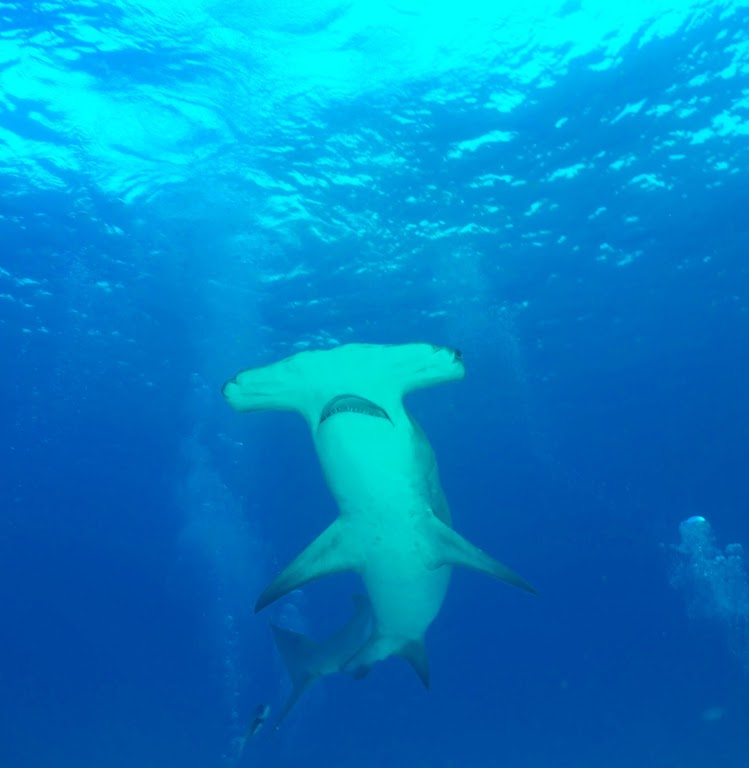
Divers regularly encounter turtles, rays, and various shark species across these varied sites, which span recreational depths from 18 m to 30 m (60 ft to 100 ft), extending to 55 m (180 ft) and beyond for advanced technical dives.
Conditions are Good
Optimal conditions expected
Current conditions near Starcreaft show 23° air, 23° sea temperature, 1.0 m waves, and 38 km/h wind. Forecast data is refreshed regularly to ensure accuracy.
Best Time to Dive
Planning a dive to Starcreaft, United States, is best considered during the summer months, particularly July, which typically shows the highest dive score. During this period, average air temperatures reach around 24°C (75°F), providing comfortable surface conditions. Rainfall is also at its lowest in June, averaging 1.3 mm, and in August, averaging 1.5 mm, reducing surface runoff and potentially improving visibility. July further benefits from generally calmer seas, with wave heights averaging 0.9 m (3.0 ft) and wind speeds around 28.5 km/h (17.7 mph), minimizing cancellations and making for smoother boat rides. While other months like June and August also offer good conditions, July stands out for its combination of favorable weather patterns and lower wave action.
PEAK SEASON SCORE
Scores combine air & water temps, waves, wind & rainfall for overall conditions.
BEST MONTHS TO DIVE
Monthly records compiled from satellite and marine observation nodes over the last 3 years. Data provided by Open-Meteo and MET Norway.
Dive Experience & Conditions
The dive sites in this region primarily feature drift diving, a direct result of the strong currents from the nearby Gulf Stream. Recreational dives typically range between 18 m and 30 m (60 ft and 100 ft), allowing divers to explore extensive reef ledges without exceeding common recreational limits. For those with advanced technical certifications, wrecks and deeper sections extend to 55 m (180 ft) and beyond, providing a more challenging environment. Surface intervals on full-service dive boats often include amenities like fresh water rinses and refreshments, ensuring comfort between dives. Dive briefings are comprehensive, detailing site-specific conditions, currents, and points of interest, even for unescorted dives. Specific requests for certain reefs or wrecks are often accommodated when ocean conditions permit.
Dive Difficulty & Safety Guidelines
For optimal safety and navigation, a dive computer is mandatory for each diver here; rental options are typically available if you don't own one. While most dives are unescorted, detailed briefings with visual aids are provided beforehand, outlining conditions, currents, and site features.
Guided dives are specifically offered for drift dives and shark encounters, where additional in-water supervision is provided. For night dives, two light sources are required: a primary dive light and a backup, along with a non-strobing marker light or chemical light stick for visibility.
Always ensure your certification card is current and presented before diving, as it's a required credential.
Recommended Equipment
- Dive Computer
This gear list is based on verified equipment signals for Starcreaft, United States. Always confirm final gear choices with your dive operator, guide, or liveaboard.
Recommended Dive Suit
Forecast models show minimal temperature variation in the coming days.
Thermal protection such as 3-5mm wetsuit is commonly used in similar temperatures. Surface intervals may feel cooler.
Current dive conditions indicate that water temperatures around Starcreaft are sitting at roughly 23°C (73°F). Surface air temperatures are resting at 23°C (73°F).
Due to technical issues with our weather providers, live updates are temporarily delayed. The data above reflects the conditions at the time of the last successful fetch.
Emergency & Medical Support
Essential information to help you plan your dive trip to Starcreaft.

Hyperbaric chambers are a critical part of dive safety infrastructure. Availability varies significantly by region, and not all dive areas have immediate access.
Before diving, it's recommended to:
- confirm nearest medical facilities
- check emergency procedures with local dive operators
- ensure dive insurance covers evacuation if required
Divers Alert Network
Diving emergency assistance available through DAN World.
+1-919-684-9111- 24/7 emergency hotline
- Diving medical assistance
- Evacuation coordination
Emergency contacts are provided for reference. Always verify local emergency services before diving.
Marine Life at Starcreaft
You'll often notice a rich diversity of marine life here, particularly vibrant corals, tropical fish, invertebrates, and crustaceans that populate the large reef ledges. Encounters with larger species are common, including massive Goliath groupers that frequent the wrecks and reef structures.
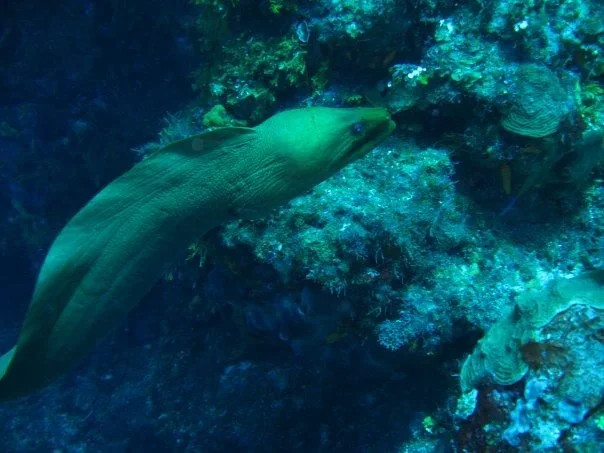
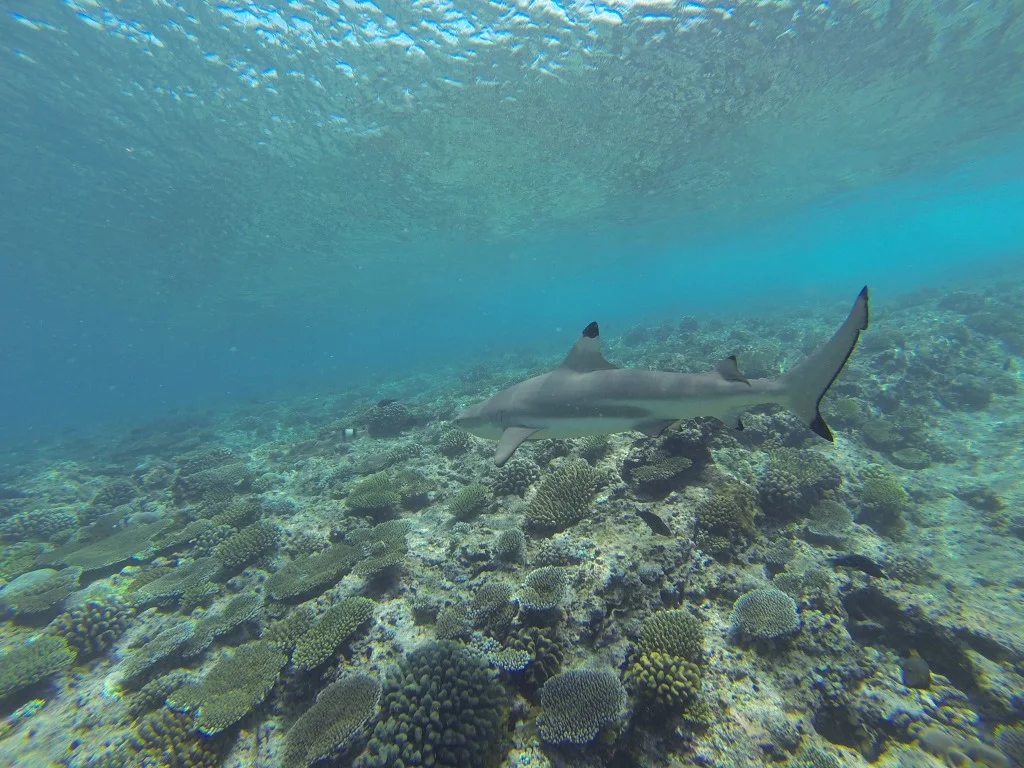
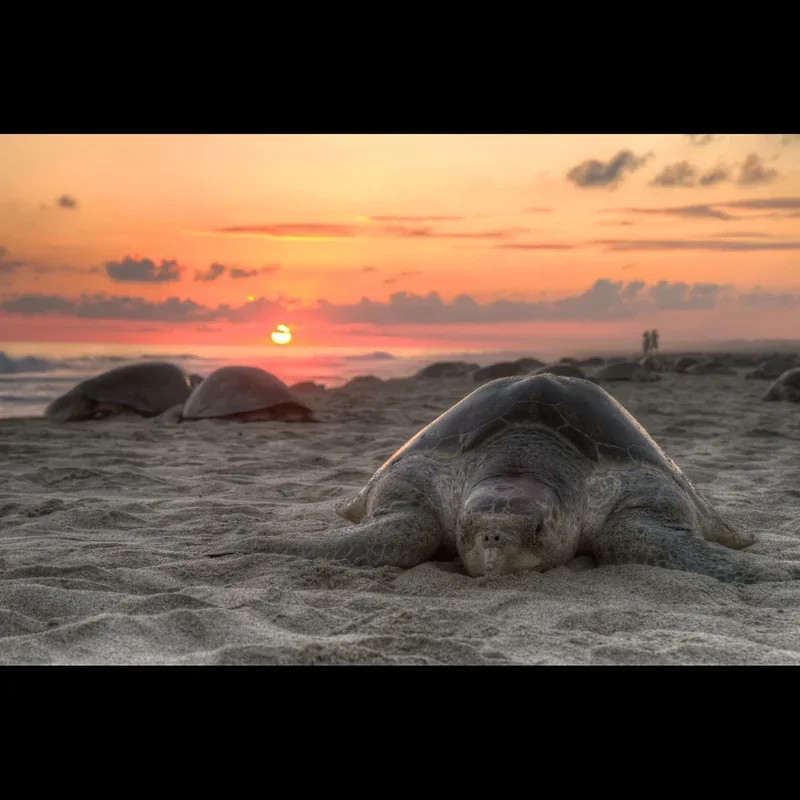
Divers also frequently observe various shark species and moray eels navigating these underwater habitats. For those with a keen eye, sea turtles are regularly seen resting under ledges or swimming alongside divers as they drift along the reef, while dolphins might make an appearance leaping alongside the boat.

Dive Centers Near Starcreaft
Today: 08:00 - 18:00
Nearest Airports
Nearest airports to help plan travel to this dive area.
Search Flights
Check available flights and routes on Expedia, using the nearby airports listed in this section.
Search Flights on Expedia
Plan Your Stay
Looking for a place to stay for your dive trip? Explore hotels, stays, and vacation rentals for dive groups near North Beach Haven.
Dive Navigator may earn a commission from these links at no extra cost to you.
Frequently Asked Questions
Are dive computers required for diving in this area?
Yes, a dive computer is required for each diver. If you don't have one, they are often available for rent directly from dive operators or onboard dive boats.
Are the dives guided?
Most dives are unescorted. Dive instructors provide thorough briefings, including visual aids and tips on site features. Guided dives are typically reserved for specific situations like drift dives and shark dives.
Are there wreck dives available?
Yes, the area offers various wreck diving opportunities, suitable for all skill levels from open water to advanced technical divers. These sites host diverse marine life, including Goliath groupers, sharks, and moray eels.
What are the depth ranges for diving?
Recreational dives typically range from 18 m to 30 m (60 ft to 100 ft) on reef ledges. For advanced technical divers, wrecks and deeper explorations can extend to 55 m (180 ft) and beyond.
What equipment is needed for night dives?
For night dives, a minimum of two light sources is required: a primary dive light and a backup dive light. A non-strobing marker light or chemical light stick is also necessary for visibility.
Is a certification card required to dive?
Yes, divers must present their certification card (c-card) before diving. Dive operators host all levels, from beginners on checkout dives to seasoned pros.
Planning to dive Starcreaft?
Send one inquiry and receive offers directly from the best verified local dive operators.
Conditions are Good
Optimal conditions expected
Current conditions near Starcreaft show 23° air, 23° sea temperature, 1.0 m waves, and 38 km/h wind. Forecast data is refreshed regularly to ensure accuracy.