
Diving at Tarpon Springs Reef (United States)
Tarpon Springs Reef primarily offers diving within recreational limits, with dive sites generally concentrated in shallower to moderate depths. Most artificial reefs and natural ledges can be explored down to approximately 15 meters (50 ft). This range caters to various certification levels, from Open Water divers to those looking to explore more intricate structures at slightly deeper recreational limits. The Gulf of Mexico's characteristic gradual depth increase means dive charters typically travel several miles offshore to access these diveable areas.
As evening covers Tarpon Springs Reef, the local air temperature is measured at 24.5°C. The current wave height at the surface is recorded at 0.5 m. These late-day readings characterize the surface conditions for the night.
Dive Site Location & Key Facts
Dive Site Overview
This dive region in the Gulf of Mexico, off Tarpon Springs, is characterized by its blend of natural and artificial underwater structures. The topography largely reflects an ancient riverbed, featuring distinct ledges that rise 0.6 to 2.4 meters (2-8 ft) with numerous overhangs and hiding spots.
These ledges, often covered in coral heads, offer substantial protection for marine life. Prominent artificial reefs include Veterans Reef, established with three steel-hulled barges and native Florida limestone, found in depths of approximately 10 to 11 meters (32-37 ft). Nearby, the Circle of Heroes features a 30-meter (100-foot) wide ring of commemorative statues at almost 15 meters (50 ft).
Further sites, like the Army Tanks, are Vietnam-era M-60 tanks creating structure in about 10 to 12 meters (34-38 ft). Other notable sites include Last Chance Ledge, Turtle Ledge, and Ice Cream Cone Ledge, offering depths ranging from 6 to 13 meters (19 to 43 ft).
Conditions are Good
Optimal conditions expected
Current conditions near Tarpon Springs Reef show 25° air, 30° sea temperature, 0.4 m waves, and 22 km/h wind. Forecast data is refreshed regularly to ensure accuracy.
Best Time to Dive
Planning a dive at Tarpon Springs Reef often means considering the favorable conditions typically experienced during late spring through early fall. The highest dive scores are recorded in July, reflecting generally calmer seas with average wave heights around 0.5 meters (1.6 ft). Air temperatures during these months are at their warmest, averaging 28°C (82°F) in August. While specific water temperatures are not consistently reported in system data, warmer air often correlates with more comfortable water conditions. For those preferring less rainfall, November and April present drier periods, with average monthly rainfall around 0.63 mm and 1.31 mm respectively, while still maintaining good dive scores, making spring and fall attractive for clearer visibility periods. Wind speeds are also generally lower during the summer months, contributing to smoother boat rides.
PEAK SEASON SCORE
Scores combine air & water temps, waves, wind & rainfall for overall conditions.
BEST MONTHS TO DIVE
Monthly records compiled from satellite and marine observation nodes over the last 3 years. Data provided by Open-Meteo and MET Norway.
Dive Experience & Conditions
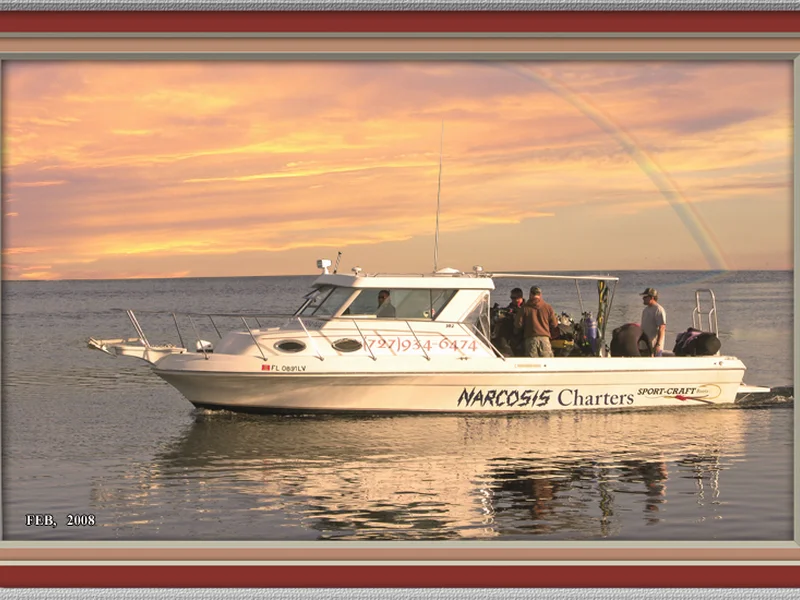
Divers embarking on trips to Tarpon Springs Reef will typically do so via charter boats from the City Marina, such as the Narcosis. These trips are generally designed for certified divers, though options like Discover Scuba Diving are available. Once on site, divers can expect to encounter a variety of structures, from the intricate ledges of the ancient riverbed to impressive artificial reef deployments. The Gulf's gradually increasing depth means that the dive sites, while accessible to recreational divers, require a boat journey to reach the desired depths. Currents here are not consistently reported but generally, the region benefits from good conditions reflected in high dive scores. The presence of overhangs and artificial structures provides engaging environments to explore, often requiring good buoyancy control for optimal viewing.
Dive Difficulty & Safety Guidelines
When planning dives in the Tarpon Springs area, it's crucial to adhere to standard dive safety protocols. Divers must be certified for most charter excursions, with minimum age requirements typically set at 10 years old for accompanied certified adults on shallow dives. A strict 'no-fly within 24 hours' policy after diving is enforced to prevent decompression sickness.
On dive charters, alcohol consumption is generally permitted only after the last diver from the final dive has surfaced. Divers should also note that some charter operators prohibit GPS devices to preserve the exclusivity of certain dive sites.
Always maintain situational awareness, especially when exploring artificial reefs and ledges with potential overhangs, and follow your dive guide's instructions closely.
Recommended Equipment
- Dive Computer
This gear list is based on verified equipment signals for Tarpon Springs Reef, United States. Always confirm final gear choices with your dive operator, guide, or liveaboard.
Recommended Dive Suit
Dive skin or rash guard is often considered an appropriate level of exposure protection for conditions like these. A hood or vest is suggested for sensitive divers due to surface winds.
Divers entering the water at Tarpon Springs Reef today can expect temperatures near 30°C (86°F) beneath the surface. Surface air temperatures are resting at 25°C (76°F).
The forecast outlook suggests that temperatures will stay close to current levels.
Emergency & Medical Support
Essential information to help you plan your dive trip to Tarpon Springs Reef.

Hyperbaric chambers are a critical part of dive safety infrastructure. Availability varies significantly by region, and not all dive areas have immediate access.
Before diving, it's recommended to:
- confirm nearest medical facilities
- check emergency procedures with local dive operators
- ensure dive insurance covers evacuation if required
Divers Alert Network
Diving emergency assistance available through DAN World.
+1-919-684-9111- 24/7 emergency hotline
- Diving medical assistance
- Evacuation coordination
Emergency contacts are provided for reference. Always verify local emergency services before diving.
Marine Life at Tarpon Springs Reef
Tarpon Springs Reef dive sites are active habitats for a variety of marine species. Divers frequently observe large Goliath Grouper often sheltering within the artificial wrecks of Veterans Reef.
Schools of baitfish are commonly seen, creating dynamic scenes around these structures. Natural ledges, like Turtle Ledge, frequently host resident turtles beneath their overhangs.
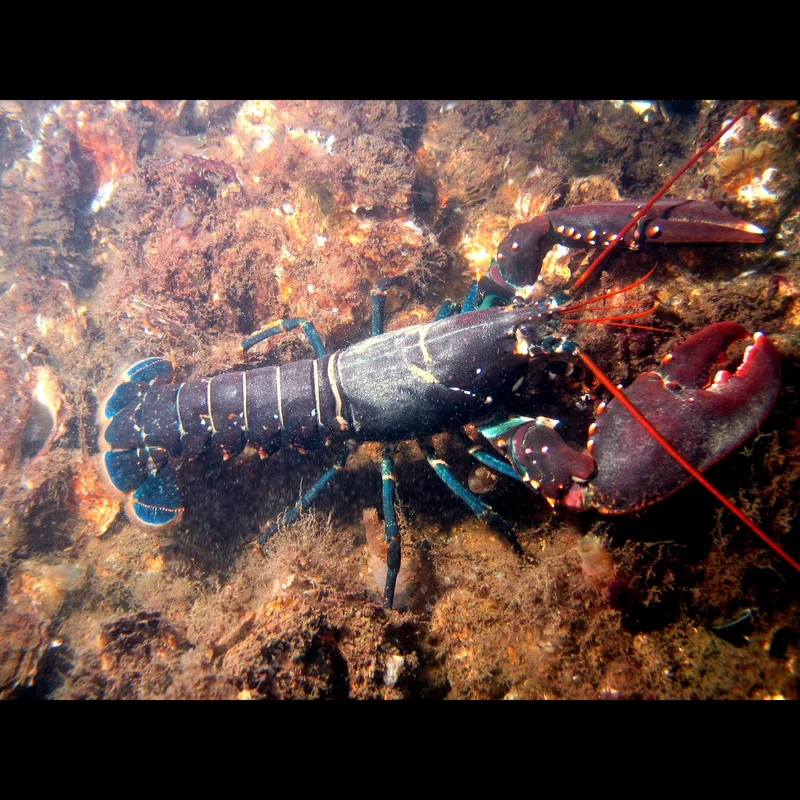
Army Tanks reef sections also attract a diversity of bottom dwellers including lobster, various grouper species, spadefish, flounder, and mangos. Healthy coral heads adorning the natural ledges further contribute to the site's biodiversity, providing shelter and feeding grounds for smaller reef inhabitants.

Dive Centers Near Tarpon Springs Reef
Today: 11:00 - 19:00
Nearest Airports
Nearest airports to help plan travel to this dive area.
Search Flights
Check available flights and routes on Expedia, using the nearby airports listed in this section.
Search Flights on Expedia
Plan Your Stay
Looking for a place to stay for your dive trip? Explore hotels, stays, and vacation rentals for dive groups near Key Vista.
Dive Navigator may earn a commission from these links at no extra cost to you.
Frequently Asked Questions
Do I need to be certified to dive at Tarpon Springs Reef?
Yes, to participate in most organized dive trips to the reefs, you typically need to be dive certified. However, some dive centers offer 'Discover Scuba Diving' experiences for non-certified individuals who wish to try diving under direct supervision.
What are the typical dive depths at Tarpon Springs Reef?
Dive sites at Tarpon Springs Reef range from approximately 6 meters (19 ft) in shallower areas to a maximum recreational depth of around 15 meters (50 ft). This includes various artificial reefs, wrecks, and natural ledges.
What kind of marine life can I expect to see?
Divers often encounter Goliath Grouper, large schools of baitfish, and various reef fish such as Spadefish, Flounder, and Mangos. Crustaceans like Lobster are also common, and turtles are frequently observed, particularly around sites like Turtle Ledge.
Is Nitrox available for dives?
Yes, local dive operators, such as Narcosis SCUBA Center, offer banked 32% and 36% Nitrox fills. Special blends can also be made available upon request, which can be beneficial for extending bottom times within recreational limits.
Are there any specific rules for dive charters?
Dive charters usually require divers to be certified and to adhere to a 'no-flying within 24 hours' rule post-dive. Onboard, alcohol consumption is generally restricted until after the last diver has surfaced from the final dive, and some operators may prohibit GPS devices.
What are some of the main dive sites in the area?
Key dive sites include Veterans Reef with its barges and limestone, the commemorative Circle of Heroes statues, and the Army Tanks. There are also several natural ledges like Last Chance Ledge, Turtle Ledge, and Ice Cream Cone Ledge, each with distinct features.
Planning to dive Tarpon Springs Reef?
Send one inquiry and receive offers directly from the best verified local dive operators.
Conditions are Good
Optimal conditions expected
Current conditions near Tarpon Springs Reef show 25° air, 30° sea temperature, 0.4 m waves, and 22 km/h wind. Forecast data is refreshed regularly to ensure accuracy.