
Diving at Tarpon Springs Reef (United States)
Entering the subtle currents of the Gulf of Mexico off Tarpon Springs, divers discover a unique underwater topography. Its artificial reef systems present a distinct feel from typical natural reefs. Expect a dive experience shaped by submerged structures, each offering a distinct profile against the sandy seafloor. It's a place where the human touch has created vibrant new habitats.
Evening condition tracking at Tarpon Springs Reef features an air temperature of 32°C. We have recorded wave heights measuring 0.4 m during this period. These figures outline the environmental parameters currently present.
Dive Site Location & Key Facts
Dive Site Overview
The waters off Tarpon Springs reveal a deliberately sculpted underwater landscape, primarily through extensive artificial reef deployments designed to enhance marine habitats. These diverse structures create varied dive sites, appealing to a broad range of experience levels.
For instance, the 'Circle of Heroes' project, initiated in 2019, features 12 commemorative veteran statues, sitting at a depth of nearly 15 m (50 ft), with ongoing plans for additional installations. This site provides a poignant visual against the sandy expanse. Similarly, 'Veterans Reef,' established in 2001, incorporates three robust steel-hulled barges and over 300 tons of Florida limestone.
These components form complex fish-attracting devices, offering nooks and crannies for resident marine life. Furthermore, Vietnam-era M-60 'Army Tanks' also contribute to this artificial reef system, strategically deployed at depths between 10 to 11.5 meters.
Such deliberate construction significantly transforms the natural Gulf seabed. Largely an ancient riverbed characterized by gradual depth increases, it becomes a much more complex environment.
Divers will find these man-made features creating vertical relief and shelter, fostering vibrant ecosystems where only sand existed before. Each deployment site presents its own unique profile, from solemn memorials to sprawling wreck-like structures, providing distinct exploration opportunities.
Conditions are Good
Optimal conditions expected
Current conditions near Tarpon Springs Reef show 32° air, 30° sea temperature, 0.4 m waves, and 19 km/h wind. Forecast data is refreshed regularly to ensure accuracy.
Best Time to Dive
Considering regional climate patterns, planning a dive to Tarpon Springs Reef aligns best with months offering high dive scores and calmer conditions. Optimal periods generally fall between February and May, and again from November to December, when dive scores frequently rate 'Good.' Air temperatures are comfortable during these months, ranging from 15.5°C (60°F) in February to 25.5°C (78°F) in May, with November offering a pleasant 20.5°C (69°F). Wave heights also tend to be lower, typically below 0.8 m (2.6 ft), contributing to a smoother boat ride. Rainfall is less prevalent in these seasons compared to summer, ensuring clearer skies and generally improved water conditions, though specific water temperature data isn't consistently reported.
PEAK SEASON SCORE
Scores combine air & water temps, waves, wind & rainfall for overall conditions.
BEST MONTHS TO DIVE
Monthly records compiled from satellite and marine observation nodes over the last 3 years. Data provided by Open-Meteo and MET Norway.
Dive Experience & Conditions
Entering the water at Tarpon Springs reveals an environment shaped by an ancient riverbed. Underwater terrain features subtle riverbanks ranging from 0.6-2.4 m (2-8 ft) with numerous overhangs and hiding spots for marine life. Generally, a gradual increase in depth means reaching deeper sections, such as those between 9-12 m, often requires traveling a significant distance offshore. Visibility varies depending on conditions, but many ledges covered in coral heads provide structure and shelter for various fish species. Some sites, like 'Last Chance Ledge,' are shallower, around 5.8-6.4 m (19-21 ft), while 'Turtle Ledge' and 'Ice Cream Cone Ledge' extend to recreational depths, reaching up to 13 m (43 ft), offering distinct profiles for exploration.
Dive Difficulty & Safety Guidelines
Diving at Tarpon Springs Reef requires certified diver status, and participants must be at least 10 years old if accompanying certified adults. Adherence to safe diving practices is crucial, including the rule of not flying within 24 hours after your last dive. Charters often provide water and snacks; personal items can be brought onboard, though specific rules prohibit alcohol consumption until all diving activities are completed.
The site caters to various certification levels, from Open Water to Divemaster, making it accessible but always stressing the importance of diving within one's training limits. Awareness of boat procedures and respecting artificial reef structures ensures a safe experience.
Recommended Equipment
- Dive Computer
This gear list is based on verified equipment signals for Tarpon Springs Reef, United States. Always confirm final gear choices with your dive operator, guide, or liveaboard.
Recommended Dive Suit
Comfort levels can also depend on how active a diver is during the dive.
Environmental readings suggest that the waters surrounding Tarpon Springs Reef are about 30°C (86°F) at the moment. Surface air temperatures are resting at 32°C (89°F). When water temperatures fall within this range, many divers dive comfortably with dive skin or rash guard. A hood or vest is suggested for sensitive divers due to surface winds.
Weather models indicate a small drop in surface temperatures later this week. A significant temperature drop is forecast; strongly suggest bringing a backup warmer suit option. A thicker wetsuit may be worth considering for extended dives.
Emergency & Medical Support
Essential information to help you plan your dive trip to Tarpon Springs Reef.

Hyperbaric chambers are a critical part of dive safety infrastructure. Availability varies significantly by region, and not all dive areas have immediate access.
Before diving, it's recommended to:
- confirm nearest medical facilities
- check emergency procedures with local dive operators
- ensure dive insurance covers evacuation if required
Divers Alert Network
Diving emergency assistance available through DAN World.
+1-919-684-9111- 24/7 emergency hotline
- Diving medical assistance
- Evacuation coordination
Emergency contacts are provided for reference. Always verify local emergency services before diving.
Marine Life at Tarpon Springs Reef
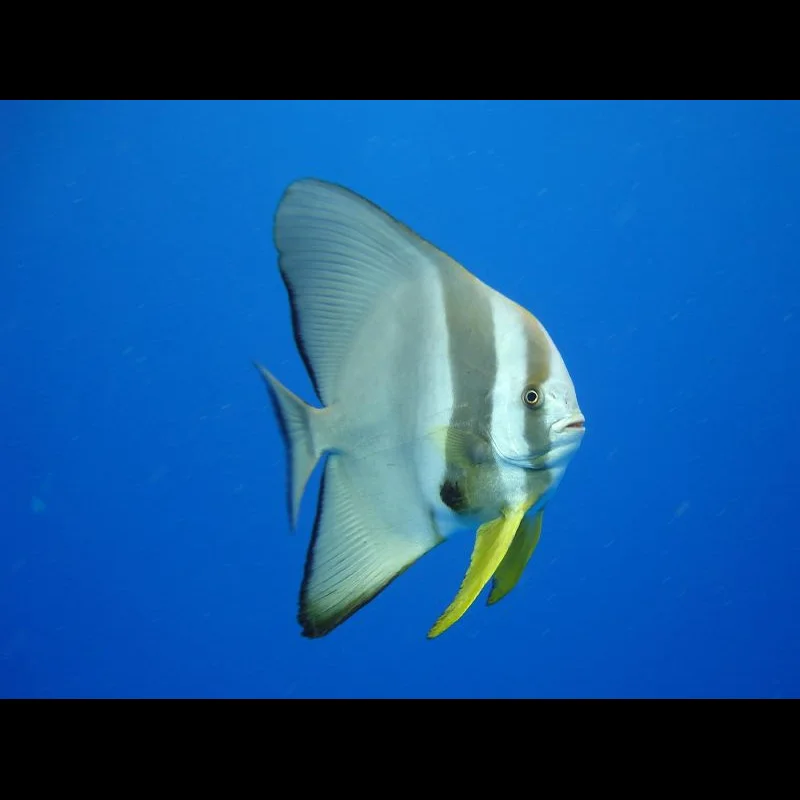
Artificial structures off Tarpon Springs act as magnets for marine inhabitants. Divers exploring Veterans Reef may encounter large Goliath Groupers, often found hiding within bottom sections of wrecks, accompanied by schools of baitfish.
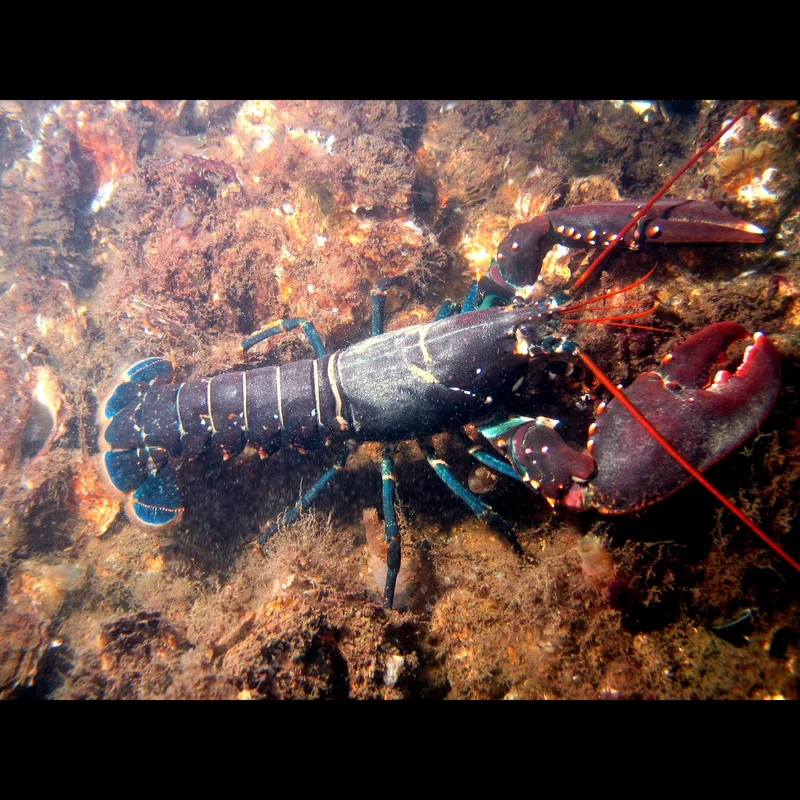
A foot-long Batfish is also usually spotted around the exterior of a wreck, typically on the sandy seafloor. Army Tanks host Lobster, various species of Grouper, Spadefish, Flounder, and Mangos.
Turtle Ledge is recognized for its abundant plant life and a wide variety of fish, named for turtles that typically reside under its significant overhang.

Dive Centers Near Tarpon Springs Reef
Today: 11:00 - 19:00
Nearest Airports
Nearest airports to help plan travel to this dive area.
Search Flights
Check available flights and routes on Expedia, using the nearby airports listed in this section.
Search Flights on Expedia
Plan Your Stay
Looking for a place to stay for your dive trip? Explore hotels, stays, and vacation rentals for dive groups near Key Vista.
Dive Navigator may earn a commission from these links at no extra cost to you.
Frequently Asked Questions
What is the typical depth range for diving at Tarpon Springs Reef?
Dive sites vary in depth. Shallower ledges are around 5.8-6.4 m (19-21 ft), while deeper artificial reefs like the 'Circle of Heroes' or 'Ice Cream Cone Ledge' extend to approximately 13-15 m (43-50 ft).
Are there specific certification requirements to dive here?
Yes, divers must be certified. Charters typically accommodate various PADI certifications, from Open Water to Advanced Open Water. Specialty courses like Wreck Diver might also be beneficial for exploring certain sites.
What kind of marine life can I expect to see?
The artificial reefs attract a variety of marine life including Goliath Groupers, Batfish, Lobster, Spadefish, and various types of Grouper. Turtles are also commonly found, particularly around sites like Turtle Ledge.
When are the best months for diving at Tarpon Springs Reef?
Optimal diving conditions generally occur from February to May and November to December. These periods offer 'Good' dive scores, more comfortable air temperatures, and lower wave heights, contributing to a better overall experience.
Can I bring my own food and drinks on a dive charter?
Yes, you are generally welcome to bring your own snacks and drinks, and cooler space is often provided. However, consumption of alcohol is usually restricted until all divers have completed their last dive and surfaced.
What is the 'Circle of Heroes'?
The 'Circle of Heroes' is an underwater memorial located near Veterans Reef. It consists of commemorative veteran statues, with plans for additional installations, and sits at a depth of almost 15 m (50 ft).
Planning to dive Tarpon Springs Reef?
Send one inquiry and receive offers directly from the best verified local dive operators.
Conditions are Good
Optimal conditions expected
Current conditions near Tarpon Springs Reef show 32° air, 30° sea temperature, 0.4 m waves, and 19 km/h wind. Forecast data is refreshed regularly to ensure accuracy.