
Diving at Tarpon Springs Reef (United States)
Tarpon Springs Reef provides a diverse artificial reef system off the Gulf Coast of Florida, situated several miles offshore from Tarpon Springs. This submerged complex consists of multiple distinct sites, including ledges, sunken barges, and decommissioned military tanks. Depths here generally range from 6 m (19 ft) at shallower ledges to around 15 m (50 ft) for deeper structures like the Circle of Heroes memorial. The reef creates significant habitat in the sandy Gulf environment.
Evening condition tracking at Tarpon Springs Reef features an air temperature of 32.5°C. We have recorded wave heights measuring 0.4 m during this period. These figures outline the environmental parameters currently present.
Dive Site Location & Key Facts
Dive Site Overview
Unlike typical natural coral formations, the Tarpon Springs Reef system serves as an intentionally crafted underwater complex, offering a distinct dive experience off the Gulf Coast. Divers here explore a fascinating array of artificial structures combined with some naturally occurring ledges.
At sites like Veterans Reef, you'll navigate large steel-hulled barges. Other areas feature Vietnam-era M-60 tanks intentionally deployed to enhance marine habitat. Man-made elements, alongside natural features such as 'Last Chance Ledge' or 'Turtle Ledge', create a complex environment.
The 'Circle of Heroes' memorial stands out as a significant draw; a 100-foot-wide (30-meter) ring of 12 life-sized statues positioned at approximately 15 m (50 ft). This tribute to military and public service personnel adds a poignant and reflective dimension to the dive, making it more than just an exploration of habitat.
Such diverse structures are not merely static points; they actively provide extensive hiding holes, current breaks, and protective cover. Architectural complexity attracts and supports a wide variety of marine life, transforming the sandy Gulf floor into a vibrant ecosystem.
Most dive sites within the system are well within standard recreational diving limits, generally ranging from 6 m (19 ft) at shallower ledges to the maximum depth of around 15 meters for the memorial and deeper barges. Its accessibility makes Tarpon Springs Reef an excellent choice for certified divers seeking an alternative to purely natural reef explorations or deeper wreck diving, providing a rich, structure-focused dive.
Conditions are Good
Optimal conditions expected
Current conditions near Tarpon Springs Reef show 33° air, 30° sea temperature, 0.4 m waves, and 19 km/h wind. Forecast data is refreshed regularly to ensure accuracy.
Best Time to Dive
Optimal conditions for diving Tarpon Springs Reef generally occur during the summer months, particularly July, where the dive score is rated 'Excellent'. During this period, average air temperatures are typically warmest, around 28°C (82°F), and wave heights are usually at their lowest, averaging about 0.5 meters. Rainfall, however, is highest in July and August, meaning surface conditions can be calmer but prepare for potential afternoon showers. Spring and fall months like March, April, May, September, and November also present good diving opportunities, with air temperatures ranging from 20-26°C (68-79°F) and lower rain averages compared to peak summer. Winter months, while still rated 'Good' for diving, see cooler air temperatures of 14-17°C (57-63°F) and slightly higher wave activity.
PEAK SEASON SCORE
Scores combine air & water temps, waves, wind & rainfall for overall conditions.
BEST MONTHS TO DIVE
Monthly records compiled from satellite and marine observation nodes over the last 3 years. Data provided by Open-Meteo and MET Norway.
Dive Experience & Conditions
Descending onto Tarpon Springs Reef, divers encounter a submerged landscape shaped by artificial and natural formations on the Gulf's ancient riverbed. The topography consists of gradual depth increases across the seabed, punctuated by ledges ranging from 0.6 to 2.4 meters (2-8 feet) in height, often providing extensive overhangs. Exploring these features, divers might feel the subtle currents typical of Gulf waters, which vary depending on conditions. Visibility can fluctuate, influenced by recent weather and sediment, so divers should be prepared for varying clarity. Water temperatures are not consistently reported in the available data but generally warm from spring through fall, cooling in winter. The sensation is one of discovery, as each barge, tank, or ledge presents new opportunities for marine observations in an otherwise sandy expanse.
Dive Difficulty & Safety Guidelines
Diving at Tarpon Springs Reef requires proper certification, with most operations catering to certified adults and allowing ages 10+ to accompany them on shallow dives. As a boat-based diving destination, standard safety protocols include listening to the dive brief and adhering to the dive plan set by the charter operator. It's crucial to ensure at least 24 hours pass between your last dive and flying.
For navigation, be aware that GPS devices are typically prohibited by charter operators to protect their proprietary site knowledge. Divers should always plan their dives within their certification limits, especially when exploring deeper artificial reef structures or ledges.
Maintaining situational awareness around boat traffic and understanding local conditions will contribute to a safe dive experience.
Recommended Equipment
- Dive Computer
This gear list is based on verified equipment signals for Tarpon Springs Reef, United States. Always confirm final gear choices with your dive operator, guide, or liveaboard.
Recommended Dive Suit
Comfort levels can also depend on how active a diver is during the dive.
Environmental readings suggest that the waters surrounding Tarpon Springs Reef are about 30°C (86°F) at the moment. Surface air temperatures are resting at 33°C (91°F). When water temperatures fall within this range, many divers dive comfortably with dive skin or rash guard. A hood or vest is suggested for sensitive divers due to surface winds.
Weather models indicate a small drop in surface temperatures later this week. A significant temperature drop is forecast; strongly suggest bringing a backup warmer suit option. A thicker wetsuit may be worth considering for extended dives.
Emergency & Medical Support
Essential information to help you plan your dive trip to Tarpon Springs Reef.

Hyperbaric chambers are a critical part of dive safety infrastructure. Availability varies significantly by region, and not all dive areas have immediate access.
Before diving, it's recommended to:
- confirm nearest medical facilities
- check emergency procedures with local dive operators
- ensure dive insurance covers evacuation if required
Divers Alert Network
Diving emergency assistance available through DAN World.
+1-919-684-9111- 24/7 emergency hotline
- Diving medical assistance
- Evacuation coordination
Emergency contacts are provided for reference. Always verify local emergency services before diving.
Marine Life at Tarpon Springs Reef
The artificial structures of Tarpon Springs Reef provide crucial refuge for a variety of marine life within the Gulf of Mexico's underwater landscape. Around the steel-hulled barges and tanks, divers frequently observe Goliath Grouper often hiding within the wrecks, along with schools of baitfish.
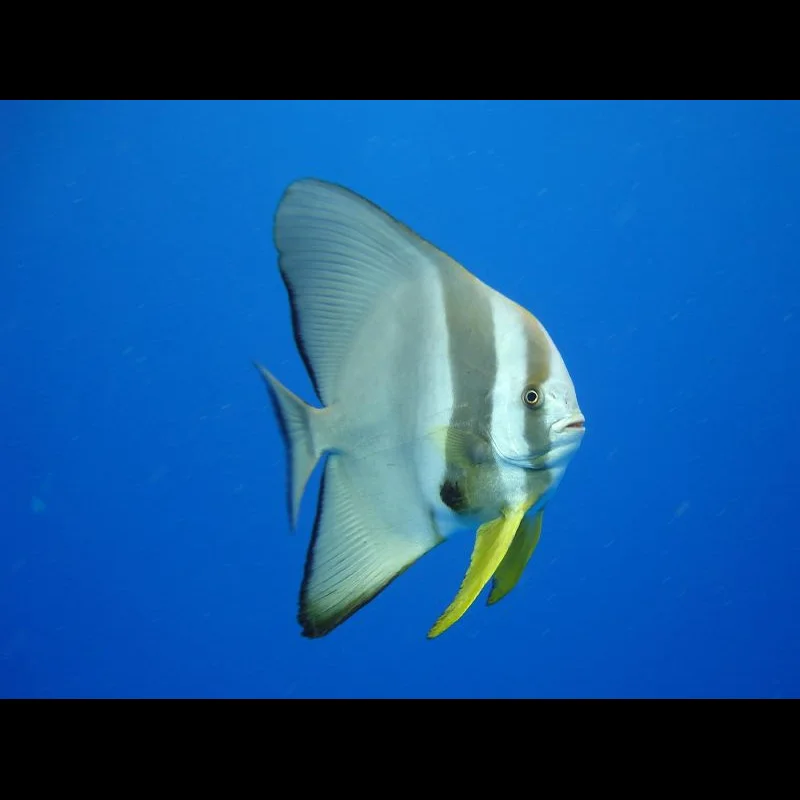
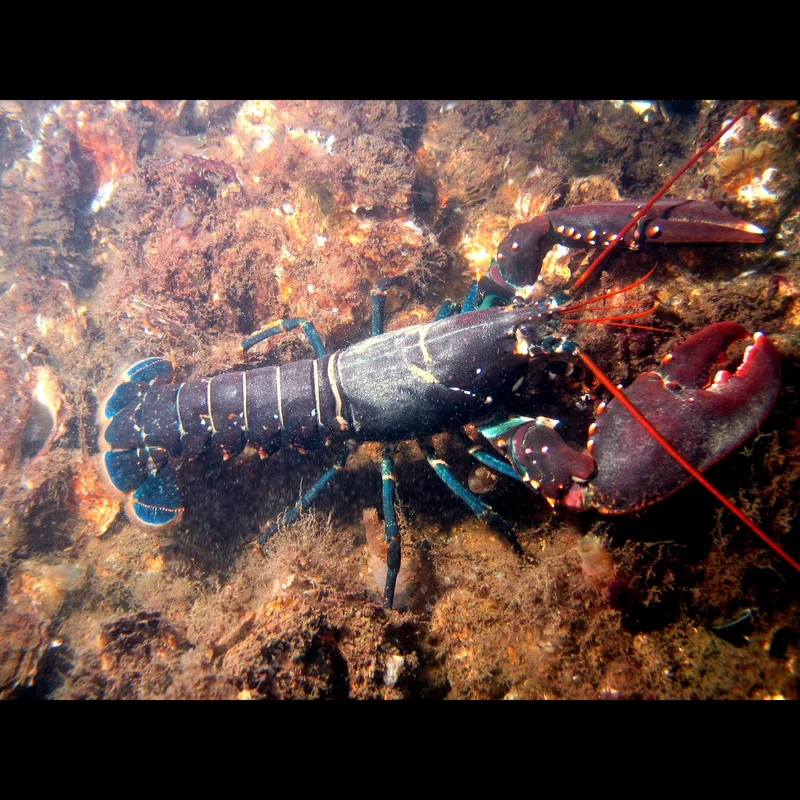
Lobster and Spadefish inhabit the M-60 tanks, alongside Flounder and Mangos. 'Turtle Ledge' often lives up to its name, with turtles typically found sheltering under its significant overhangs. Batfish are commonly spotted around the perimeter of the wrecks, usually resting on the sand, adding to the species diversity that colonizes these structures.

Dive Centers Near Tarpon Springs Reef
Today: 11:00 - 19:00
Nearest Airports
Nearest airports to help plan travel to this dive area.
Search Flights
Check available flights and routes on Expedia, using the nearby airports listed in this section.
Search Flights on Expedia
Plan Your Stay
Looking for a place to stay for your dive trip? Explore hotels, stays, and vacation rentals for dive groups near Key Vista.
Dive Navigator may earn a commission from these links at no extra cost to you.
Frequently Asked Questions
What types of dive sites can I expect at Tarpon Springs Reef?
Tarpon Springs Reef features a range of artificial reef structures including sunken steel barges, Vietnam-era M-60 tanks, and natural ledges. It also includes the 'Circle of Heroes' memorial, which is a ring of statues paying tribute to veterans.
What are the typical depths for diving at Tarpon Springs Reef?
Dive depths at Tarpon Springs Reef vary. Shallower ledges like 'Last Chance Ledge' are around 6-6.4 m (19-21 ft), while deeper sites such as 'Veterans Reef' and the 'Circle of Heroes' are found in depths up to 15 m (50 ft).
What marine life can be seen at these dive sites?
Divers often encounter Goliath Grouper, various baitfish, Lobster, Spadefish, Flounder, Mangos, and Batfish. Turtles are also commonly seen, particularly around 'Turtle Ledge'.
Are there any age restrictions for diving at Tarpon Springs Reef?
Certified divers are required. Ages 10 and above are typically permitted to accompany certified adults on shallow dives. Bubblewatchers and snorkelers are also often welcome on charters.
Can I bring my own food and drinks on a dive charter?
Yes, water and snacks are usually provided, but you are welcome to bring your own food and drinks. Many charters offer cooler space for personal items. However, alcohol consumption is generally restricted until after the last diver surfaces from the final dive.
Is Nitrox available for dives?
Yes, dive centers in the Tarpon Springs area typically offer 32% and 36% Nitrox banked for fills. Special blends may also be available upon request, which can extend bottom time on certain dives.
Planning to dive Tarpon Springs Reef?
Send one inquiry and receive offers directly from the best verified local dive operators.
Conditions are Good
Optimal conditions expected
Current conditions near Tarpon Springs Reef show 33° air, 30° sea temperature, 0.4 m waves, and 19 km/h wind. Forecast data is refreshed regularly to ensure accuracy.