
Diving at Tetrehedron Reef A (United States)
Tetrehedron Reef A is a purpose-built artificial dive site approximately 1.6 kilometers (1 mile) off Navarre Beach, United States. This extensive structure, part of permitted artificial reef area SR-27, spans 3.2 kilometers (2 miles) parallel to the shoreline. Designed for scuba divers, its foundation includes between 500 and 700 modules, primarily consisting of 8-foot and 18-foot tetrahedron pyramids featuring Swiss cheese-like holes. These structures provide complex surfaces for coral growth and marine habitat development. The reef's maximum depth reaches 18 m (60 ft).
Tonight's objective overview for Tetrehedron Reef A shows an air temperature of 26.5°C. The measured surface conditions include wave heights around 1.1 m. This environmental data is logged for the close of the day.
Dive Site Location & Key Facts
Dive Site Overview
A significant environmental initiative, fueled by a $1.4 million National Resource Damage Assessment (NRDA) grant, led to the development of Tetrehedron Reef A following the Deepwater Horizon oil spill. Administered by Santa Rosa County, this project aimed to enhance both recreational fishing and diving opportunities through the establishment of vital underwater habitats.
Initial deployments were tentatively scheduled to commence in August 2018, with the Orange Beach, Alabama contractor Walter Marine undertaking the installation. Over 500 modules underwent phased deployment, meticulously arranged to form 27 distinct individual reef sites or patch reefs. Varied structures comprise 4.6-meter (15-foot) large tetrahedrons, often called "super reefs," alongside 2.4-meter (8-foot) tetrahedron pyramids.
Additionally, 1.8-meter (6-foot) "ledge and disk" modules, known colloquially as "grouper boxes," were incorporated. Divers will find these diverse modules specifically engineered to provide varied shelter and attachment points for marine life.
Installation was projected to occur across approximately 12 separate operations, concluding by December 2018. Success remained highly contingent on favorable weather and calm water conditions, making deployment a dynamic process.
Beyond recreational benefits, the reef's primary ecological goal involves bolstering local fish populations by offering nurseries for juvenile marine species.
Conditions are Good
07:00 - 14:00
Optimal conditions expected
Current conditions near Tetrehedron Reef A show 26° air, 30° sea temperature, 0.8 m waves, and 19 km/h wind. Forecast data is refreshed regularly to ensure accuracy.
Best Time to Dive
Planning a dive at Tetrehedron Reef A often centers on optimizing comfort and favorable sea conditions. The period from May through August typically presents the best overall diving prospects, with consistent "Good" dive scores. During these months, average wave heights are at their lowest, ranging from 0.5 to 0.8 meters (1.6-2.6 ft), contributing to calmer seas and potentially better visibility. Air temperatures during this peak season are also inviting, averaging between 26°C (79°F) and 28.5°C (83°F). Conversely, October generally presents the poorest conditions, marked by the highest average wave heights at 1.6 meters (5.2 ft) and increased wind speeds, impacting surface conditions. While specific water temperature data isn't consistently reported, the warmer air temperatures during the summer months suggest a more comfortable underwater experience. Rain averages remain relatively low throughout the year, typically between 1.3 mm and 6.3 mm (0.05-0.25 in), meaning precipitation isn't usually a primary deterrent. Divers should still check local marine forecasts, as conditions like wind speed, which averages 25.0-35.7 km/h (15.5-22.2 mph) across the year, significantly influence surface chop and dive site accessibility.
PEAK SEASON SCORE
Scores combine air & water temps, waves, wind & rainfall for overall conditions.
BEST MONTHS TO DIVE
Monthly records compiled from satellite and marine observation nodes over the last 3 years. Data provided by Open-Meteo and MET Norway.
Dive Experience & Conditions
Descending onto Tetrehedron Reef A, divers encounter a landscape of sculpted artificial structures designed to mimic natural reef complexity. The primary dive depth here is around 18 m (60 ft), placing it squarely within recreational diving limits. You'll observe distinct tetrahedron pyramids, some towering 5.5 meters (18 feet) and others at 2.4 meters (8 feet), alongside the "ledge and disk" modules. Their "Swiss cheese" design offers numerous nooks and crannies to explore. Visibility varies depending on prevailing currents and wave action, but calmer periods allow for broad views of the reef clusters. While exact water temperature data is not consistently reported for this specific site, regional patterns suggest warmer conditions from late spring through early autumn, likely enhancing comfort. Expect to navigate around these varied structures, exploring their crevices for nascent marine life. Currents can sometimes be present, so a drift dive might be an option, but this isn't consistently reported.
Dive Difficulty & Safety Guidelines
Navigating Tetrehedron Reef A requires divers to be mindful of standard safety practices applicable to artificial reef environments. This site, with its maximum depth of 18 meters, is generally accessible to Open Water certified divers.
However, conditions, particularly wave height and wind speed, can vary significantly; checking local marine forecasts before any dive is crucial. Operators may cancel trips on days with higher average wave heights, especially during less favorable months like October.
Currents, while not always strong, can be a factor, so maintaining good buoyancy control is advisable to avoid contact with the structures. Entanglement hazards from fishing lines can occasionally be present due to the reef's dual purpose for fishing, necessitating vigilance.
Always dive within your training limits and consider diving with a local guide who understands the site's specific nuances. Remember that the initial deployments for this reef were completed in 2018, meaning it's still evolving, and new growth can alter features over time.
Recommended Equipment
- Dive Computer
This gear list is based on verified equipment signals for Tetrehedron Reef A, United States. Always confirm final gear choices with your dive operator, guide, or liveaboard.
Recommended Dive Suit
Conditions in the coming days are expected to stay within a similar temperature range.
Many experienced divers would consider dive skin or rash guard an appropriate choice here. A hood or vest is suggested for sensitive divers due to surface winds.
Current dive conditions indicate that water temperatures around Tetrehedron Reef A are sitting at roughly 30°C (85°F). Surface air temperatures are resting at 26°C (79°F).
Emergency & Medical Support
Essential information to help you plan your dive trip to Tetrehedron Reef A.

Hyperbaric chambers are a critical part of dive safety infrastructure. Availability varies significantly by region, and not all dive areas have immediate access.
Before diving, it's recommended to:
- confirm nearest medical facilities
- check emergency procedures with local dive operators
- ensure dive insurance covers evacuation if required
Divers Alert Network
Diving emergency assistance available through DAN World.
+1-919-684-9111- 24/7 emergency hotline
- Diving medical assistance
- Evacuation coordination
Emergency contacts are provided for reference. Always verify local emergency services before diving.
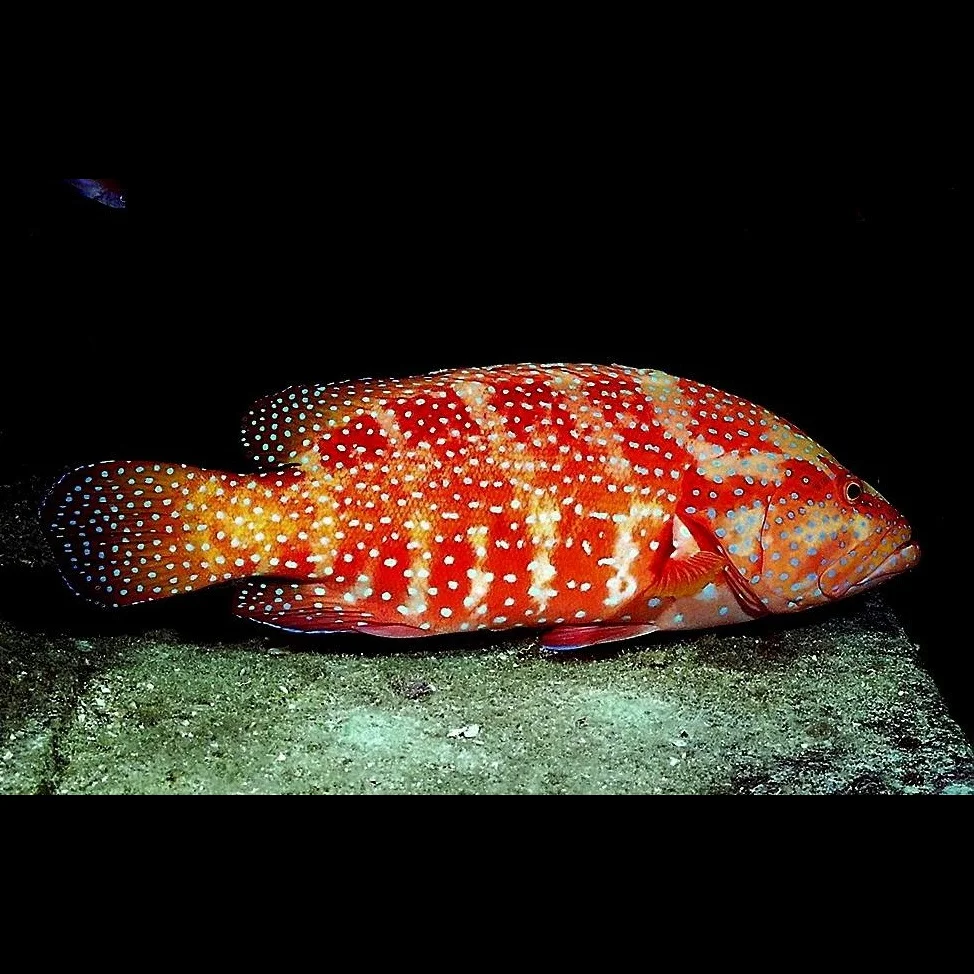
Marine Life at Tetrehedron Reef A
Upon first approaching Tetrehedron Reef A, divers will primarily notice the emerging biodiversity encouraged by these intentional structures. The artificial reef was meticulously designed to foster a rich habitat, creating a mechanism for smaller fish to grow and thrive.
Expect to see various juvenile fish species, seeking shelter within the "Swiss cheese" holes and crevices of the tetrahedron pyramids and "grouper box" modules. Local professional diver Tazz Felde noted the anticipation of attracting diverse marine species here, highlighting the dynamic nature of new reef ecosystems.
While extensive natural coral growth is still developing, the structures themselves offer surfaces for algae, sponges, and eventually hard and soft corals to colonize. Keep an eye out for bottom dwellers and fish congregating around the larger modules, as these areas often become prime spots for marine activity.
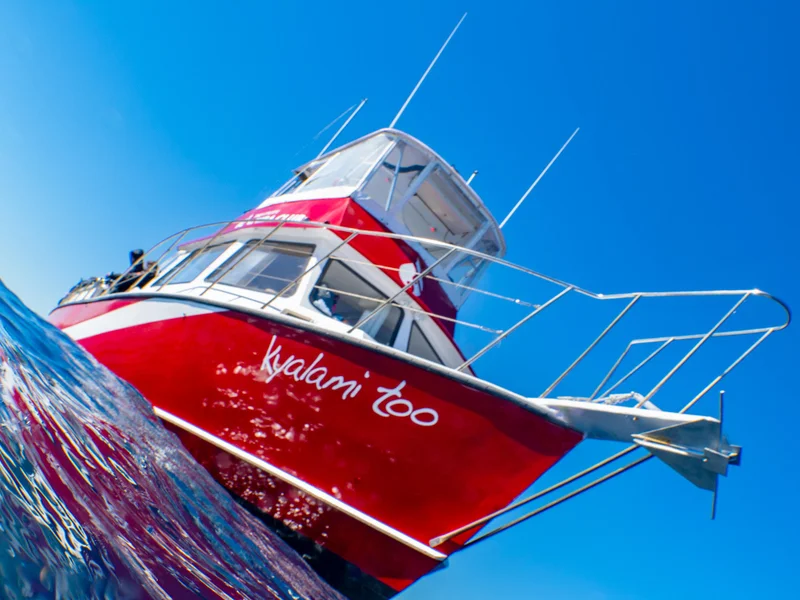
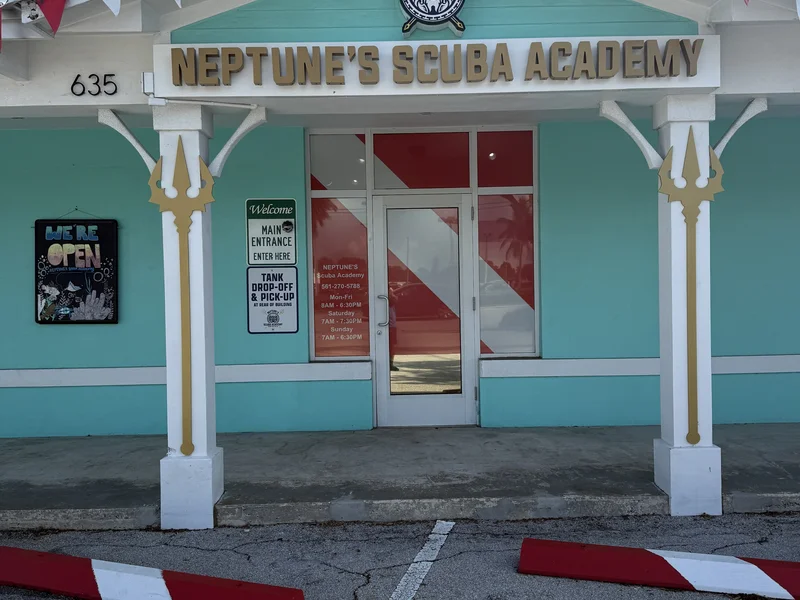
Dive Centers Near Tetrehedron Reef A
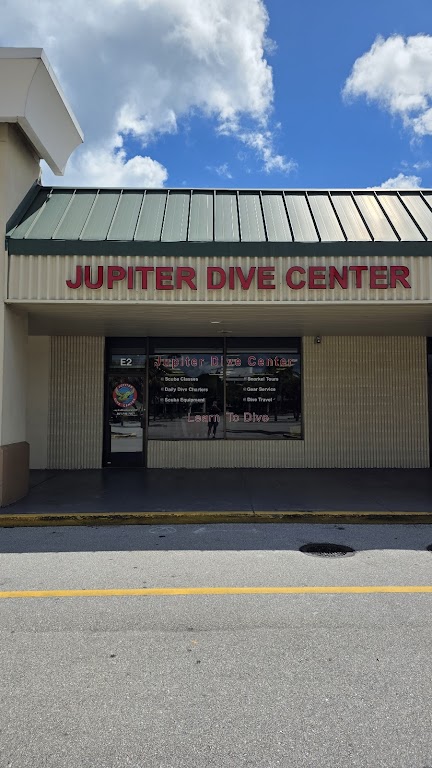
Today: 10:00 - 18:00
Nearest Airports
Nearest airports to help plan travel to this dive area.
Search Flights
Check available flights and routes on Expedia, using the nearby airports listed in this section.
Search Flights on Expedia
Plan Your Stay
Looking for a place to stay for your dive trip? Explore hotels, stays, and vacation rentals for dive groups near Sewall's Point.
Dive Navigator may earn a commission from these links at no extra cost to you.
Frequently Asked Questions
What is the maximum depth of Tetrehedron Reef A?
Extending to a maximum depth of 18 meters (60 feet), Tetrehedron Reef A is a suitable site for Open Water certified divers. Divers can explore its artificial structures and emerging marine life within recreational limits.
What types of structures make up the reef?
Constructed from 8-foot and 18-foot tetrahedron pyramids, the reef structures feature multiple holes resembling "Swiss cheese." Other components include 6-foot and 8-foot "ledge and disk" modules, colloquially known as "grouper boxes," which enhance the complex habitat.
When was Tetrehedron Reef A deployed?
Deployment of Tetrehedron Reef A tentatively began in August 2018. The project involved multiple phases, seeing over 500 modules installed through December 2018, with completion dependent on favorable weather and water conditions.
What is the purpose of this artificial reef?
Created to enhance recreational fishing and diving opportunities off Navarre Beach, the reef serves as essential habitat for various marine species. It promotes increased fish populations by providing nurseries for juvenile fish.
What kind of marine life can I expect to see?
Supporting a growing ecosystem, the design allows divers to anticipate observing a range of juvenile fish species seeking shelter within its structures. As the reef matures, expect to see developing algae, sponges, and potentially hard and soft corals.
Are there any specific safety considerations for diving here?
Always monitor local marine forecasts due to variable wave heights and wind speeds. Practicing good buoyancy control is important around the structures, and divers should be aware that fishing lines can occasionally be present as it's also a fishing site.
Planning to dive Tetrehedron Reef A?
Send one inquiry and receive offers directly from the best verified local dive operators.
Conditions are Good
07:00 - 14:00
Optimal conditions expected
Current conditions near Tetrehedron Reef A show 26° air, 30° sea temperature, 0.8 m waves, and 19 km/h wind. Forecast data is refreshed regularly to ensure accuracy.