
Diving at Theodore Parker (United States)
Theodore Parker, a formidable 441-foot (134 m) Liberty Ship, now forms a substantial artificial reef structure off the coast of North Carolina. Sunk in 1974, this wreck provides a dramatic underwater landscape for divers. Its vast hull and internal sections create intricate formations, attracting diverse marine life. Navigating its exterior reveals the impressive scale of this dry cargo vessel, transforming a piece of maritime history into a thriving ecosystem.
Tonight's objective overview for Theodore Parker shows an air temperature of 30.5°C. The measured surface conditions include wave heights around 0.5 m. This environmental data is logged for the close of the day.
Dive Site Location & Key Facts
Dive Site Overview
Descending onto the Theodore Parker wreck offers a journey into a submerged chapter of maritime engineering and purpose. This impressive 441-foot (134-meter) Liberty Ship, known as AR-315, was intentionally sunk in 1974 as part of North Carolina's artificial reef program.
Originally a dry cargo vessel, its robust structure now serves as a foundational habitat for local aquatic species, evolving from a WWII-era transport into a vibrant underwater ecosystem. Divers exploring the site can expect depths ranging generally from 25 feet (7.6 meters) at the upper deck to over 50 feet (15 meters) at the seabed, making it accessible for various certification levels. Navigating the external superstructure or venturing cautiously into its accessible holds presents opportunities to witness the ship's preserved machinery and catwalks.
The holds, in particular, offer a glimpse into the ship's cavernous interior, providing shelter for various creatures. With modest to no current typically reported, this wreck dive allows for focused exploration and photography.
It's a remarkable testament to how human history can create new natural environments, offering both a historical artifact and a lively reef for divers to discover.
Conditions are Good
Optimal conditions expected
Current conditions near Theodore Parker show 31° air, 28° sea temperature, 0.6 m waves, and 27 km/h wind. Forecast data is refreshed regularly to ensure accuracy.
Best Time to Dive
Optimizing your dive at Theodore Parker often means prioritizing periods of improved visibility, which can vary. The site experiences 'good' to 'moderate' dive scores from May through November, peaking between July and October. During these peak months, air temperatures are most pleasant, ranging from approximately 23-27°C (74-81°F). Though water temperature data isn't consistently reported for all months, summer typically sees water temperatures in the high 70s to low 80s Fahrenheit (21-27°C). Lower average wave heights, around 0.8-0.9 meters (2.6-3 feet), are typical from July to November, potentially contributing to clearer water conditions. Conversely, March and April show higher average wave heights and wind speeds, which could impact visibility and surface conditions. Rainfall is somewhat consistent throughout the year but generally lower in October and November, which might also contribute to better overall water clarity after periods of less runoff. Planning your visit for late summer or early autumn, particularly September and October, generally provides the most favorable combination of calm seas, comfortable air temperatures, and potential for optimal visibility.
PEAK SEASON SCORE
Scores combine air & water temps, waves, wind & rainfall for overall conditions.
BEST MONTHS TO DIVE
Monthly records compiled from satellite and marine observation nodes over the last 3 years. Data provided by Open-Meteo and MET Norway.
Dive Experience & Conditions
Descending onto the Theodore Parker, divers immediately encounter a substantial structure beneath the waves. Visibility, often less than 30 feet (9 meters), lends an atmospheric quality to the wreck, gradually revealing details as one approaches. Navigating this Liberty Ship, divers perceive the silent history embedded in its steel hull and the gentle sway of marine growth now adorning it. Inside the holds, a cool, shadowed environment provides a stark contrast to the open ocean, where shafts of light occasionally pierce through openings. Currents are typically modest or absent, allowing for relaxed exploration of the ship's contours and accessible penetration points. Slight thermoclines can sometimes be felt when moving into deeper sections, signaling changes in the surrounding water. Exploring the site offers a tangible connection to its past, further enhanced by discovering hidden nooks and structural remnants.
Dive Difficulty & Safety Guidelines
Successfully navigating the Theodore Parker wreck requires careful adherence to established wreck diving safety protocols. Given its nature as a substantial artificial reef, potential hazards include entanglement points on deteriorated metal and overhead environments within the holds. Divers considering penetration must be appropriately trained and equipped, always utilizing proper lines and redundant light sources.
While reported currents are typically modest to none, conditions can always change, so divers should remain aware of local water movement. Visibility, which can be less than 30 feet (9 meters), demands diligent buddy system practices and careful navigation.
A dive computer and a reliable alternate air source are fundamental tools for managing bottom time and gas supply. Always plan your dive thoroughly, considering your experience level and the specific conditions encountered on site.
Recommended Equipment
- Dive Computer
This gear list is based on verified equipment signals for Theodore Parker, United States. Always confirm final gear choices with your dive operator, guide, or liveaboard.
Recommended Dive Suit
For dives of average duration, 2-3mm shorty or light wetsuit usually provides sufficient protection from heat loss. A hood or vest is suggested for sensitive divers due to surface winds.
Current readings at Theodore Parker show water temperatures near 28°C (82°F). Surface air temperatures are resting at 31°C (87°F).
A modest cooling trend is expected in the upcoming forecast. A significant temperature drop is forecast; strongly suggest bringing a backup warmer suit option. Having a second exposure option available is often a good precaution.
Emergency & Medical Support
Essential information to help you plan your dive trip to Theodore Parker.

Hyperbaric chambers are a critical part of dive safety infrastructure. Availability varies significantly by region, and not all dive areas have immediate access.
Before diving, it's recommended to:
- confirm nearest medical facilities
- check emergency procedures with local dive operators
- ensure dive insurance covers evacuation if required
Divers Alert Network
Diving emergency assistance available through DAN World.
+1-919-684-9111- 24/7 emergency hotline
- Diving medical assistance
- Evacuation coordination
Emergency contacts are provided for reference. Always verify local emergency services before diving.
Marine Life at Theodore Parker
Theodore Parker's transformation into an artificial reef has cultivated a varied marine ecosystem. Divers often encounter flounder, especially towards the end of summer when the wreck becomes a known habitat for them.
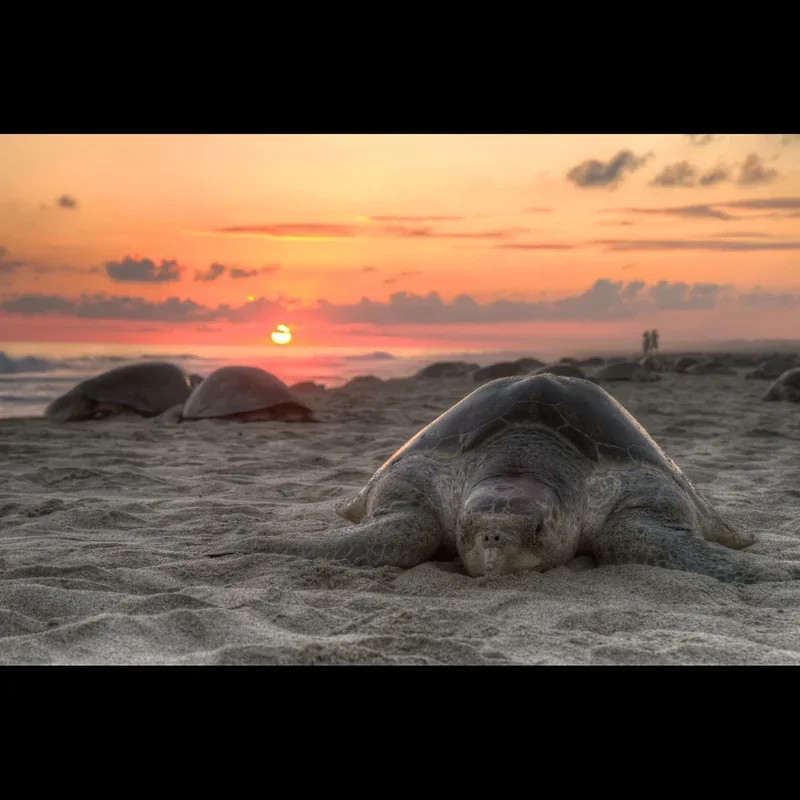
The internal holds of the ship provide sheltered areas where species like sea turtles have been observed sleeping, offering a unique viewing opportunity. Beyond the larger inhabitants, the structural complexity of the Liberty Ship encourages the growth of various sessile organisms, which in turn attract a range of smaller reef fish.
While specific species populations can fluctuate seasonally, the wreck consistently supports a diverse array of life, thriving on the foundation this sunken vessel provides.
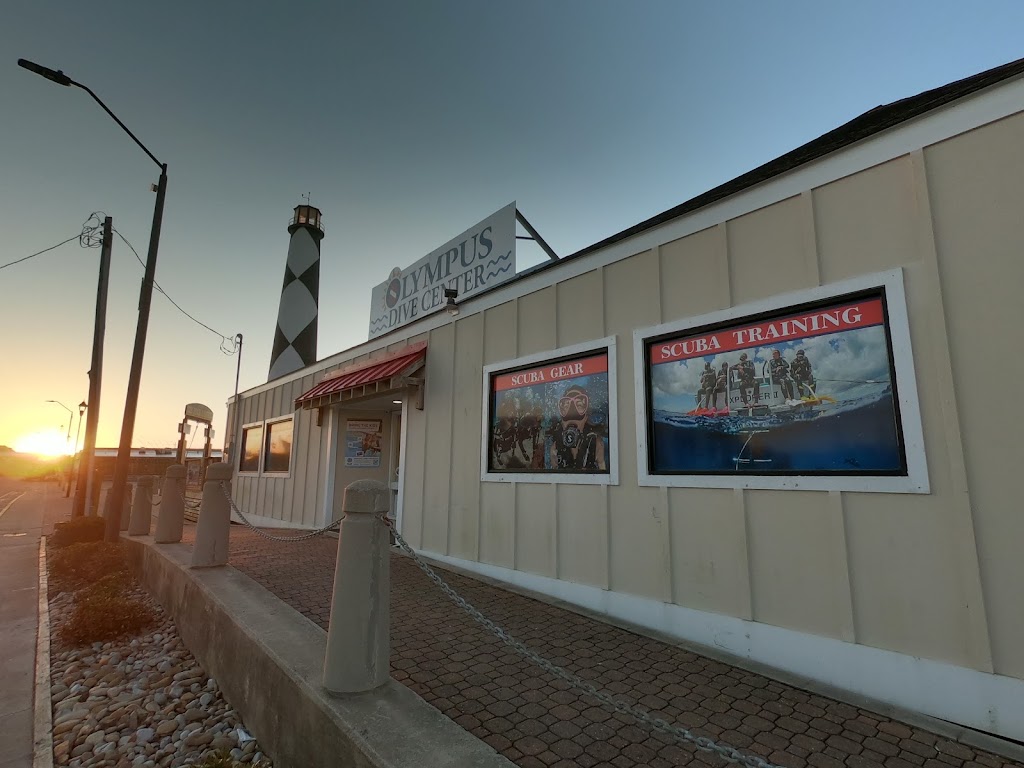
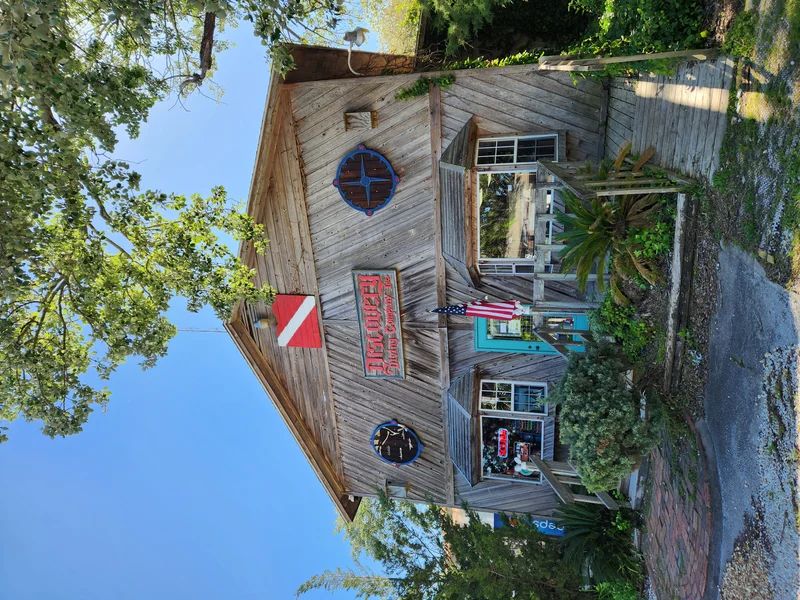
Dive Centers Near Theodore Parker
Nearest Airports
Nearest airports to help plan travel to this dive area.
Search Flights
Check available flights and routes on Expedia, using the nearby airports listed in this section.
Search Flights on Expedia
Plan Your Stay
Looking for a place to stay for your dive trip? Explore hotels, stays, and vacation rentals for dive groups near Atlantic Beach.
Dive Navigator may earn a commission from these links at no extra cost to you.
Frequently Asked Questions
What type of wreck is the Theodore Parker?
This dive site is centered on the AR-315, a 441-foot (134-meter) Liberty Ship. It was intentionally sunk in 1974 as part of North Carolina's artificial reef program, now serving as a substantial habitat.
What are the typical diving depths at this site?
Depths at the Theodore Parker generally range from around 25 feet (7.6 meters) at the deck to over 50 feet (15 meters) at the bottom. This allows for exploration across various recreational depth ranges.
Is penetration into the wreck possible?
Yes, penetration into the holds is possible. Any machinery and catwalks may remain within, providing interesting areas to explore for divers with appropriate training and equipment.
What is the usual visibility like?
Visibility at the Theodore Parker is reported to be less than 30 feet (9 meters). This can vary with conditions but generally contributes to an atmospheric dive experience.
What marine life can I expect to see?
The wreck attracts various marine life, including flounder, particularly in late summer. Sea turtles have also been observed resting within the ship's holds, alongside diverse reef fish and invertebrates.
When is the best time to dive Theodore Parker?
The best time to dive is typically from May to November, with peak conditions between July and October. During these months, surface conditions are generally calmer, and air temperatures are more comfortable.
Are there strong currents at the site?
Currents at the Theodore Parker are generally described as modest to none. This often allows for a more relaxed and thorough exploration of the wreck.
Planning to dive Theodore Parker?
Send one inquiry and receive offers directly from the best verified local dive operators.
Conditions are Good
Optimal conditions expected
Current conditions near Theodore Parker show 31° air, 28° sea temperature, 0.6 m waves, and 27 km/h wind. Forecast data is refreshed regularly to ensure accuracy.