
Diving at Three Sisters (1891) (United States)
Lake Superior’s depths hold the conceptual 'Three Sisters,' a phenomenon of rogue waves responsible for numerous maritime incidents, including the 1891 schooner wreck. Its significance isn't defined by typical recreational depths; rather, it represents profound challenges of deep, cold freshwater environments. Water temperatures at the lake bottom typically register around 2°C (36°F). Lake Superior's sheer scale means wrecks can lie at significant depths, far beyond shallow recreational limits.
Early observations for Three Sisters (1891) report a surface air temperature of 24.5°C. The water surface is currently presenting wave heights of 0.4 m. Consider these environmental metrics before beginning your descent.
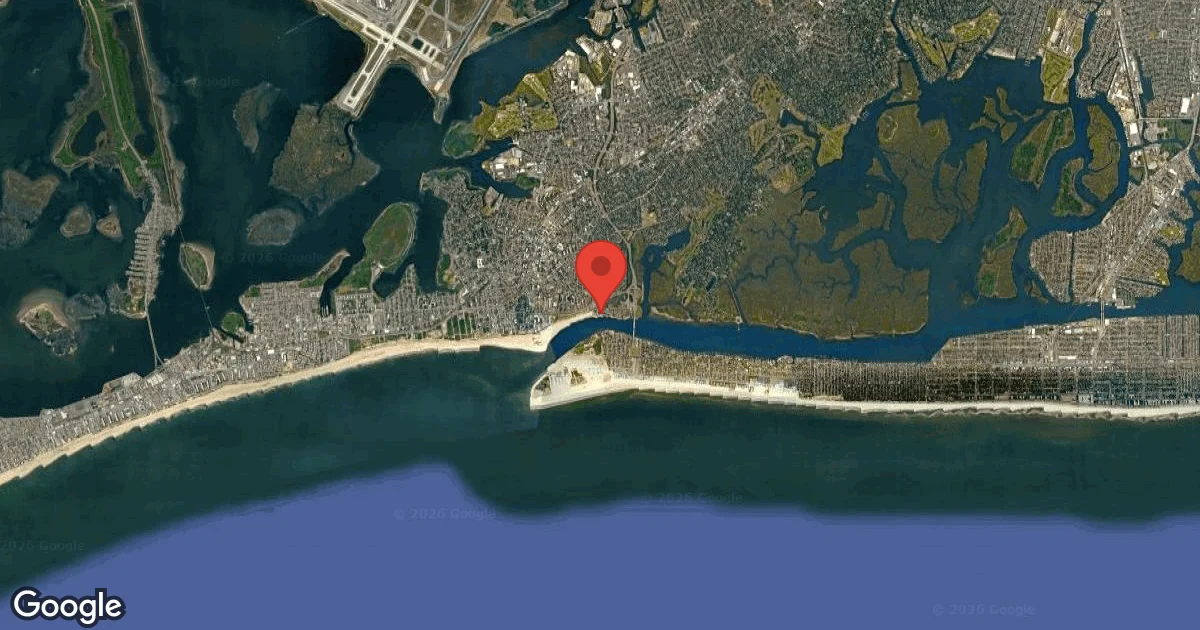
Dive Site Location & Key Facts
Dive Site Overview
More than mere waves, the 'Three Sisters' represent a notorious series of three rogue swells known to batter vessels sailing Lake Superior. Implicated in maritime disasters like the 1885 wreck of the SS Algoma, this phenomenon arises from complex interactions between severe weather and Lake Superior’s tapering shoreline, causing waves to reflect and intensify.
Their specific attack pattern involves three formidable waves following each other closely, leaving ships little time to recover before the next impact. An 1891 shipwreck, a wooden scow schooner carrying sandstone blocks, tragically vanished near Duluth after encountering these violent conditions, becoming one of many vessels lost to the lake's fury.
Wave climate in Lake Superior has consistently increased in recent decades due to less ice coverage and strong winter winds, amplifying the potential for powerful wave events. Confronting the raw, unpredictable power of nature is central to understanding the profound challenges that contributed to countless maritime losses in this environment.
Conditions are Good
Optimal conditions expected
Current conditions near Three Sisters (1891) show 24° air, 24° sea temperature, 0.6 m waves, and 33 km/h wind. Forecast data is refreshed regularly to ensure accuracy.
Best Time to Dive
Planning a dive at this Lake Superior site hinges heavily on avoiding the severe conditions that typically reduce visibility and create dangerous surge. July generally presents the most favorable window, marked by an 'Excellent' dive score, with average air temperatures around 25°C (77°F) and the lowest wave heights, averaging 0.5 m (1.6 ft). While other months, particularly May, June, September, and October, also show 'Good' dive scores, they exhibit higher average wave heights, which can impact underwater visibility and safety. Rainfall remains relatively consistent throughout the year, varying between 2.0 mm and 4.1 mm per month. Strong winds and less ice cover during winter contribute to larger, more frequent wave activity, making those periods largely unsuitable for diving.
PEAK SEASON SCORE
Scores combine air & water temps, waves, wind & rainfall for overall conditions.
BEST MONTHS TO DIVE
Monthly records compiled from satellite and marine observation nodes over the last 3 years. Data provided by Open-Meteo and MET Norway.
Dive Experience & Conditions
A descent into Lake Superior's depths for an expedition involving the 'Three Sisters' phenomenon demands advanced cold-water diving proficiency and meticulous planning. Divers can expect profoundly cold water, with temperatures plunging to approximately 2°C (36°F) at the lake's bottom. This extreme cold necessitates robust thermal protection, such as a dry suit paired with appropriate undergarments, to maintain core body temperature and extend bottom time. Visibility varies significantly, often influenced by recent weather and seasonal lake turnover, but it typically does not reach the expansive ranges found in warmer, clear ocean waters. Unpredictable wave patterns and strong winds on the lake can create challenging surface conditions, even if their direct impact lessens at greater depths. Navigating these deep, often dark, freshwater environments requires exceptional buoyancy control and reliance on powerful, redundant lighting. Currents are not consistently reported for wreck sites in the area, but dynamic water movement should always be anticipated, adding another layer of complexity to these demanding dives.
Dive Difficulty & Safety Guidelines
Diving the Great Lakes, especially at sites associated with the 'Three Sisters' phenomenon, presents significant hazards primarily driven by Lake Superior’s volatile nature. Divers must prioritize comprehensive pre-dive planning, meticulously monitoring rapidly changing weather forecasts. Freezing temperatures and potential for rogue waves demand exceptional cold-water diving skills and emergency preparedness.
Operating in what's known as the 'graveyard of all the Great Lakes' necessitates specialized training in deep, cold, and often dark environments. It's crucial to employ redundant systems for lighting and buoyancy, alongside reliable surface support, to mitigate the inherent risks of this challenging freshwater diving locale.
Recommended Equipment
- Dive Computer
This gear list is based on verified equipment signals for Three Sisters (1891), United States. Always confirm final gear choices with your dive operator, guide, or liveaboard.
Recommended Dive Suit
Divers planning deeper dives may feel cooler than those staying in shallower areas.
Many divers find that 3mm wetsuit offers a comfortable balance between warmth and mobility. Forecasts suggest a slight cooling pattern in the days ahead. Cooler days are ahead; you might want a warmer option for later in the week. Carrying a secondary suit is common practice among experienced divers.
Water temperatures across the dive area at Three Sisters (1891) are presently estimated to be around 24°C (76°F). Surface air temperatures are resting at 24°C (76°F).
Emergency & Medical Support
Essential information to help you plan your dive trip to Three Sisters (1891).

Hyperbaric chambers are a critical part of dive safety infrastructure. Availability varies significantly by region, and not all dive areas have immediate access.
Before diving, it's recommended to:
- confirm nearest medical facilities
- check emergency procedures with local dive operators
- ensure dive insurance covers evacuation if required
Divers Alert Network
Diving emergency assistance available through DAN World.
+1-919-684-9111- 24/7 emergency hotline
- Diving medical assistance
- Evacuation coordination
Emergency contacts are provided for reference. Always verify local emergency services before diving.
Marine Life at Three Sisters (1891)
Lake Superior's cold, deep freshwater environment supports a distinctly different array of aquatic life compared to tropical reef systems. Around the 'Three Sisters' shipwreck sites, the focus isn't typically on vibrant coral gardens or large schools of colorful fish.
Instead, divers might observe resilient cold-water species adapted to these conditions, such as certain species of freshwater fish that are more solitary. Low temperatures and dark depths also contribute to exceptional preservation of artifacts, often giving the wrecks themselves a stark, almost pristine presence.
Dive Sites Near Three Sisters (1891)
View all dive sites in United StatesDiscover more underwater gems in this area.
Dive Centers Near Three Sisters (1891)
Today: 08:00 - 18:00
Nearest Airports
Nearest airports to help plan travel to this dive area.
Search Flights
Check available flights and routes on Expedia, using the nearby airports listed in this section.
Search Flights on Expedia
Plan Your Stay
Looking for a place to stay for your dive trip? Explore hotels, stays, and vacation rentals for dive groups near Highlands.
Dive Navigator may earn a commission from these links at no extra cost to you.
Frequently Asked Questions
What are the 'Three Sisters' of Lake Superior?
The 'Three Sisters' refer to a notorious series of three rogue waves on Lake Superior. These waves are known for their unpredictable nature and have been implicated in numerous shipwrecks due to their rapid, successive impacts on vessels.
What caused the 1891 shipwreck at this site?
The 1891 shipwreck, a wooden scow schooner, was carrying sandstone blocks when it encountered severe weather and the 'Three Sisters' rogue waves in Lake Superior. It was swamped just miles from its destination, vanishing for a century before its discovery.
What are the water temperatures in Lake Superior?
Water temperatures in Lake Superior are notably cold, particularly at depth. At the lake bottom, temperatures can be as low as approximately 2°C (36°F). Surface temperatures can vary seasonally, but divers should always prepare for very cold conditions.
Is diving allowed at shipwreck sites in Lake Superior?
Diving is generally permitted at historical shipwreck sites in Lake Superior, but it requires appropriate experience and adherence to maritime heritage guidelines. Specific permits or regulations may apply depending on the wreck's location and protection status.
What kind of diving experience is required for Lake Superior shipwrecks?
Diving Lake Superior shipwrecks demands advanced cold-water and wreck diving experience. Divers should possess certifications for dry suit diving, deep diving, and potentially technical diving, given the challenging conditions and depths involved.
Are there strong currents or waves at depth near the wrecks?
While the 'Three Sisters' phenomenon primarily affects the surface, Lake Superior's dynamic nature means conditions can be unpredictable. Strong winds and surface waves can create surge or currents, especially in shallower wreck areas or during stormy weather. Deeper sections are less affected but still present a demanding environment.
Planning to dive Three Sisters (1891)?
Send one inquiry and receive offers directly from the best verified local dive operators.
Conditions are Good
Optimal conditions expected
Current conditions near Three Sisters (1891) show 24° air, 24° sea temperature, 0.6 m waves, and 33 km/h wind. Forecast data is refreshed regularly to ensure accuracy.