
Diving at Tolten (United States)
Divers approaching Tolten find a historical wreck site 11 miles off Barnegat, NJ. This former Chilean cargo ship, torpedoed in 1942, now rests at recreational depths. Descending, you're greeted by a fragmented but coherent structure. It’s an engaging dive that rewards exploration with its visible remains and resident marine life. Cold water environment, requiring appropriate thermal protection.
As evening covers Tolten, the local air temperature is measured at 23.5°C. The current wave height at the surface is recorded at 1 m. These late-day readings characterize the surface conditions for the night.
Dive Site Location & Key Facts
Dive Site Overview
A compelling link to World War II history, the Tolten wreck lies just off the New Jersey coast. Sunk by a German U-boat in March 1942, this Chilean freighter was en route from Baltimore to NYC when a torpedo struck below her bridge.
Much of its midsection is flattened due to post-war wire dragging to reduce shipping hazards. Bow and stern sections retain significant structure. Divers can still explore the broken bow, which rises at least 6 m (20 ft) off the seabed, and discover several large, enclosed spaces near the stern.
Wreck's contiguous east-west orientation simplifies navigation, allowing for a comprehensive tour. Tracing the ship's outline is easier from bow to stern, even with substantial damage.
Visibility averages around 5-6 m (16-20 ft), typical for offshore conditions. Maximum depth ranges around 28-30 m (91-100 ft), positioning it firmly within recreational limits.
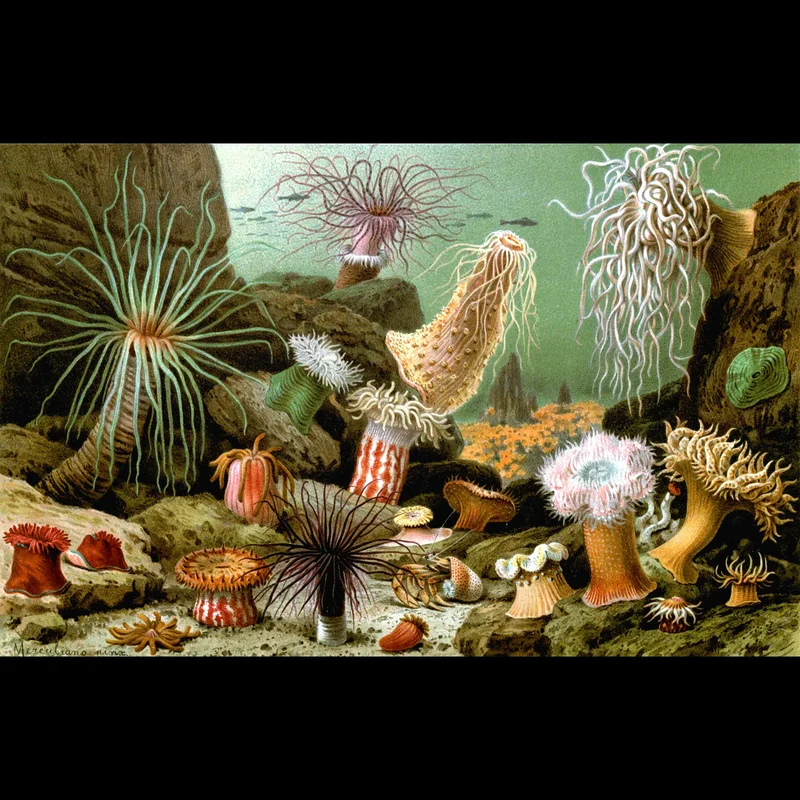
Over time, the wreck has transformed into an artificial reef, now extensively covered by hydroids, anemones, and other sessile organisms.
Conditions are Good
Optimal conditions expected
Current conditions near Tolten show 24° air, 23° sea temperature, 1.1 m waves, and 37 km/h wind. Forecast data is refreshed regularly to ensure accuracy.
Best Time to Dive
Planning a dive at Tolten is best in July and August, when conditions are generally more favorable. During these months, air temperatures average 24°C (75°F) in July and 23°C (73°F) in August, making surface intervals more comfortable. Wave heights tend to be lower, averaging around 1.0 m (3.3 ft) in July and 1.3 m (4.3 ft) in August, which can translate to smoother boat rides and potentially better underwater visibility. Rainfall is also moderate, with approximately 2.9 mm (0.11 inches) in July and 2.1 mm (0.08 inches) in August. Conversely, winter months, particularly January and February, present challenging conditions. Air temperatures drop to 2.5°C (36°F) and 2.5°C (36°F) respectively, coupled with higher wave heights often exceeding 1.5 m (5 ft) and stronger winds around 38-42 km/h (24-26 mph). These factors significantly reduce the dive score during winter, often making operations impractical or less enjoyable. Moderate dive scores are common in spring and fall, suggesting intermittent opportunities.
PEAK SEASON SCORE
Scores combine air & water temps, waves, wind & rainfall for overall conditions.
BEST MONTHS TO DIVE
Monthly records compiled from satellite and marine observation nodes over the last 3 years. Data provided by Open-Meteo and MET Norway.
Dive Experience & Conditions
The dynamic environment off the New Jersey coast shapes the Tolten dive experience. Currents can vary, influencing drift and exertion, so divers should be prepared for potential movement. Visibility at the site generally falls into the 5-6 m (16-20 ft) range. Offshore conditions are reported as often excellent, though this is subject to local weather patterns. Wreck lies at its maximum depth of approximately 30 m. Divers will navigate a structure that, despite its damage, remains largely connected. Abundant growth of hydroids and anemones across the wreckage indicates consistent water movement and nutrient delivery, transforming the ship into a vibrant, artificial reef.
Dive Difficulty & Safety Guidelines
Experienced divers emphasize the importance of thorough planning for the Tolten wreck. Given its maximum depth of up to 30 m (100 ft) and offshore location, advanced certification and proficiency in wreck diving techniques are highly recommended. Always carry appropriate signaling devices for surface visibility, as currents can be a factor.
While the wreck is contiguous, penetration into enclosed spaces at the stern should only be attempted by divers trained and equipped for overhead environments, exercising extreme caution due to potential silting and structural instability. Crucial to monitor your bottom time and air consumption meticulously.
Consider a dive flag and a surface marker buoy (SMB) essential for diver visibility to boat traffic in open water. General wreck diving safety principles, such as maintaining good buoyancy control to avoid disturbing the wreck or its inhabitants, should always be followed, as no specific hazards are consistently reported.
Recommended Equipment
- Dive Computer
This gear list is based on verified equipment signals for Tolten, United States. Always confirm final gear choices with your dive operator, guide, or liveaboard.
Recommended Dive Suit
Divers who spend more time observing marine life often prefer slightly warmer gear.
Divers exploring Tolten today will likely encounter water temperatures close to 23°C (74°F). Surface air temperatures are resting at 24°C (74°F). Water temperatures in this range are often well suited to diving with 3-5mm wetsuit. Consider warmer surface protection (like a boat coat) due to brisk winds.
Forecast models indicate that diving conditions should remain largely unchanged.
Due to technical issues with our weather providers, live updates are temporarily delayed. The data above reflects the conditions at the time of the last successful fetch.
Emergency & Medical Support
Essential information to help you plan your dive trip to Tolten.

Hyperbaric chambers are a critical part of dive safety infrastructure. Availability varies significantly by region, and not all dive areas have immediate access.
Before diving, it's recommended to:
- confirm nearest medical facilities
- check emergency procedures with local dive operators
- ensure dive insurance covers evacuation if required
Divers Alert Network
Diving emergency assistance available through DAN World.
+1-919-684-9111- 24/7 emergency hotline
- Diving medical assistance
- Evacuation coordination
Emergency contacts are provided for reference. Always verify local emergency services before diving.
Marine Life at Tolten
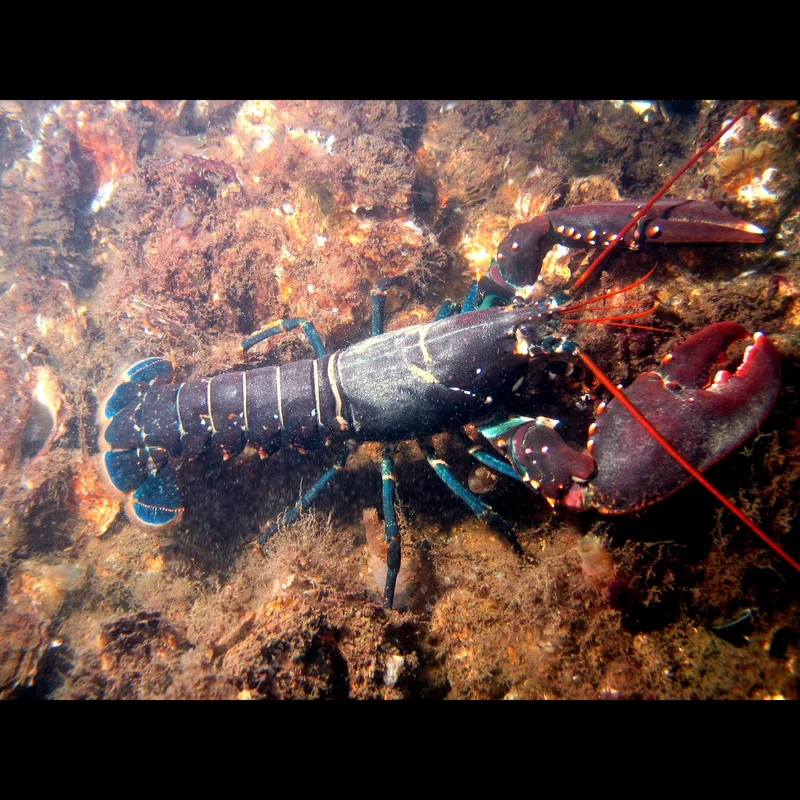
Tolten is particularly noted for its lobster population. Divers often find large trophy-sized lobsters sheltering along the wreck’s south edge and within the debris around fallen masts and hull plates.
These "bugs" establish homes throughout the beams and various parts of the wreckage. Anecdotal reports mention significant catches, including a 12 kg (26 lb) lobster and a 5.9 kg (13 lb) claw, underscoring the site's reputation as a reliable spot for lobster sightings.
Beyond these crustaceans, the entire structure is richly encrusted with a diverse layer of hydroids and anemones. These sessile organisms provide microhabitats, attracting smaller fish and invertebrates, which in turn support the larger predators like the lobsters.
Dive Centers Near Tolten
Today: 08:00 - 18:00

Nearest Airports
Nearest airports to help plan travel to this dive area.
Search Flights
Check available flights and routes on Expedia, using the nearby airports listed in this section.
Search Flights on ExpediaFrequently Asked Questions
What kind of wreck is the Tolten?
The Tolten is the remains of a Chilean cargo ship, torpedoed and sunk by a German U-boat in March 1942 during World War II. It was wire-dragged post-war to reduce shipping hazards.
Where is the Tolten wreck located?
The wreck is located approximately 11 miles off Barnegat, New Jersey, in salt water. It's accessible by boat from local dive charters.
What is the maximum depth of the Tolten wreck?
The deepest sections of the wreck are found around 28-30 m (91-100 ft), placing it within standard recreational dive limits.
What is the typical visibility at the Tolten dive site?
Average visibility at the site is usually between 5-6 m (16-20 ft), though conditions can vary based on weather and currents.
What marine life can divers expect to see?
The wreck is well-known for its abundant lobster population, with divers often finding trophy-sized crustaceans. It is also covered in hydroids, anemones, and other sessile marine life, creating a vibrant artificial reef.
Are there any penetration opportunities on the wreck?
Some large enclosed spaces exist in the stern area. Any penetration requires appropriate training, experience, and equipment due to potential hazards like silting and structural instability.
How is navigation on the wreck?
The wreck lies roughly east-west and is contiguous, meaning it's largely connected. This simplifies navigation for divers tracing its length from bow to stern.
Planning to dive Tolten?
Send one inquiry and receive offers directly from the best verified local dive operators.
Conditions are Good
Optimal conditions expected
Current conditions near Tolten show 24° air, 23° sea temperature, 1.1 m waves, and 37 km/h wind. Forecast data is refreshed regularly to ensure accuracy.