
Diving at Travis Stephen (United States)
Descending into Travis Stephen often brings a distinct sensation of cool, encompassing water, a feeling shared by many inland dive sites across the United States. The environment here presents a subtle, often contemplative dive. Visibility varies, creating a dynamic visual experience as light filters through the water. Each dive offers moments of quiet observation, providing a different pace from ocean environments. It's an experience that encourages close attention to the details of the immediate surroundings.
The latest environmental reading at Travis Stephen indicates an air temperature of 25.5°C. The regional climate in United States is aligning with expected historical averages. Prepare your gear according to these specific local conditions.
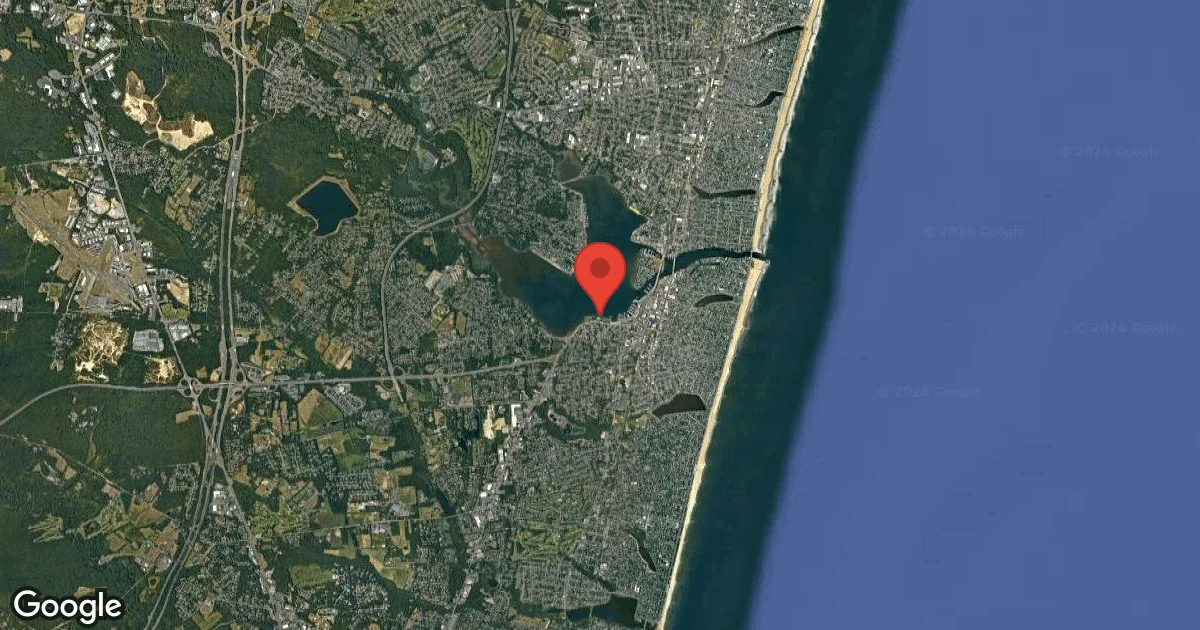
Dive Site Location & Key Facts
Dive Site Overview
While specific historical accounts for the Travis Stephen dive site are not readily available, many inland dive locations within the United States often evolve from former industrial sites or natural freshwater bodies, adapting over time for recreational use. These sites frequently develop through local diver initiatives, gradually becoming established spots for training and exploration.
Their origins often involve community effort in charting submerged features, clearing debris, and sometimes even introducing artificial structures to enhance the underwater landscape. Divers then document and share these discoveries, building a collective knowledge base. It's a continuous process where the site's 'history' is actively shaped by ongoing exploration and interaction, rather than a single founding event.
Consequently, the dive environment here likely reflects this organic development, offering features that cater to a range of skill levels as divers have progressively mapped its depths.
Conditions are Good
Optimal conditions expected
Current conditions near Travis Stephen show 25° air, 23° sea temperature, N/A waves, and 27 km/h wind. Forecast data is refreshed regularly to ensure accuracy.
Best Time to Dive
Planning an outing to Travis Stephen is generally most comfortable during the warmer months, specifically from May through October. Air temperatures during this period are much more pleasant, ranging from approximately 16°C (61°F) in May to a high of 25°C (77°F) in July, making surface intervals and gear handling significantly more enjoyable. Rain levels are relatively consistent and moderate throughout the year, with no month showing exceptionally high precipitation, though July sees about 4.08 mm and March 4.26 mm. The dive scores remain consistently 'Good' from January to December, indicating favorable diving conditions are possible year-round if proper thermal protection is utilized. For maximum surface comfort and reduced chill, late spring through early autumn offers the best experience.
PEAK SEASON SCORE
Scores combine air & water temps, waves, wind & rainfall for overall conditions.
BEST MONTHS TO DIVE
Monthly records compiled from satellite and marine observation nodes over the last 3 years. Data provided by Open-Meteo and MET Norway.
Dive Experience & Conditions
The dynamics of Travis Stephen's underwater environment are largely shaped by seasonal changes and localized factors. Specific water temperature data is not consistently reported for this site, but conditions typically involve thermoclines, which can introduce distinct temperature shifts as you descend. Visibility in freshwater sites like this can vary significantly; it might range from excellent to moderate depending on recent rainfall, sediment disturbance, and algal blooms. While strong currents aren't usually a primary concern in many inland US sites unless directly adjacent to a significant waterway, localized flow might be observed. Most recreational diving will occur within depths appropriate for Open Water certification, likely up to 18 m (60 ft), though deeper sections could exist, requiring advanced training. Divers should anticipate varied conditions, which call for adaptable dive planning.
Dive Difficulty & Safety Guidelines
Diving at Travis Stephen requires divers to practice self-reliance and adhere to standard safety protocols. Given the limited specific site information, divers should always research current local conditions, which can fluctuate. A reliable buddy system is essential, and divers should remain within their certification limits, especially when exploring deeper sections or areas with reduced visibility.
Since specific water temperature data is not available, assume potentially cold water, particularly below thermoclines, and plan for appropriate thermal protection. Be mindful of potential entanglement hazards common in inland sites, such as fishing lines or submerged vegetation.
Always conduct a thorough pre-dive safety check and ensure all equipment is in good working order before entering the water. Emergency procedures and exit points should be established and reviewed by the dive team.
Recommended Equipment
- Dive Computer
This gear list is based on verified equipment signals for Travis Stephen, United States. Always confirm final gear choices with your dive operator, guide, or liveaboard.
Recommended Dive Suit
3-5mm wetsuit is widely used for recreational dives in waters of this temperature. Consider warmer surface protection (like a boat coat) due to brisk winds. For divers entering the water at Travis Stephen, temperatures are currently hovering around 23°C (73°F). Surface air temperatures are resting at 25°C (78°F).
Forecasts suggest a slight cooling pattern in the days ahead. Cooler days are ahead; you might want a warmer option for later in the week. Some divers bring an extra layer for surface intervals between dives.
Water temperatures can occasionally shift throughout the day depending on currents and depth layers.
Due to technical issues with our weather providers, data hasn't been fetched for over 48 hours. The data above reflects the conditions at the time of the last successful fetch.
Emergency & Medical Support
Essential information to help you plan your dive trip to Travis Stephen.

Hyperbaric chambers are a critical part of dive safety infrastructure. Availability varies significantly by region, and not all dive areas have immediate access.
Before diving, it's recommended to:
- confirm nearest medical facilities
- check emergency procedures with local dive operators
- ensure dive insurance covers evacuation if required
Divers Alert Network
Diving emergency assistance available through DAN World.
+1-919-684-9111- 24/7 emergency hotline
- Diving medical assistance
- Evacuation coordination
Emergency contacts are provided for reference. Always verify local emergency services before diving.
Marine Life at Travis Stephen
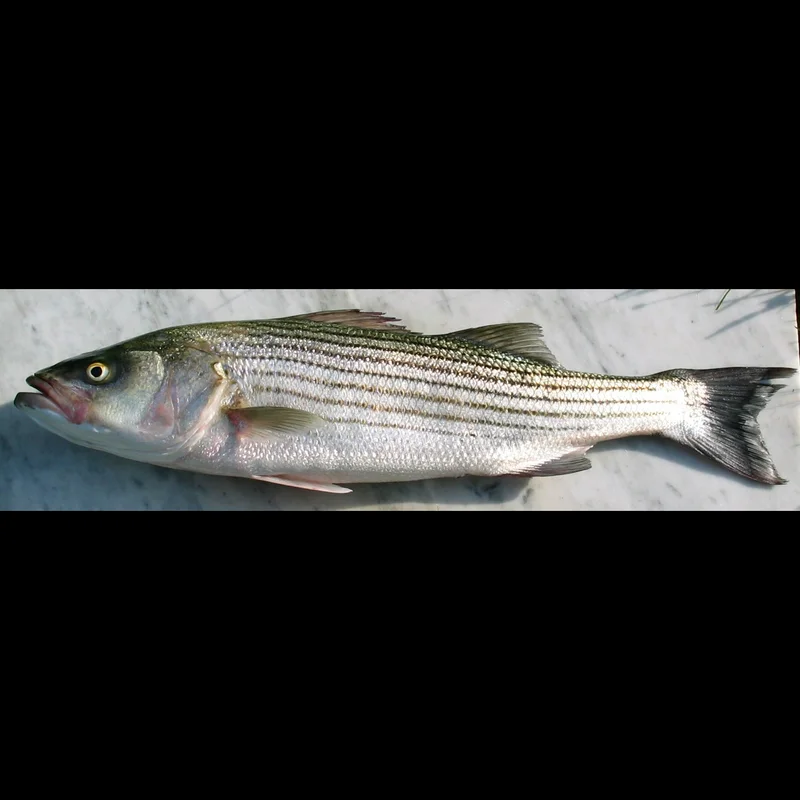
While detailed marine life reports for Travis Stephen are not consistently available, many inland freshwater dive sites in the United States typically support various aquatic species. Divers might observe freshwater fish such as bass, sunfish, or catfish navigating the submerged structures and vegetation.
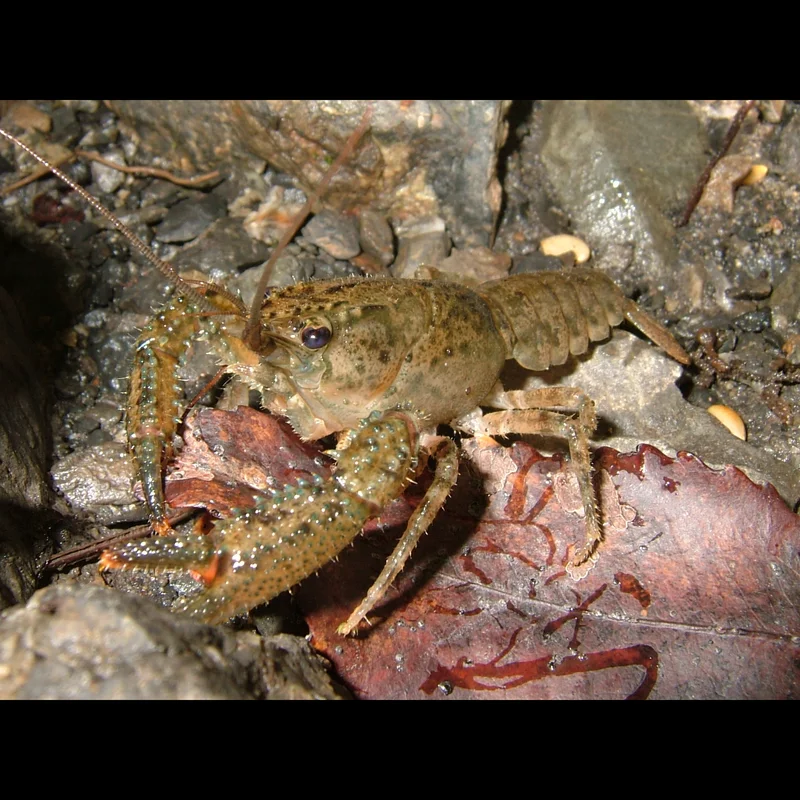
Crayfish often scuttle across the bottom, and turtles can sometimes be spotted gliding through the water. Depending on the season, smaller baitfish might form schools.
Microscopic life also contributes to the ecosystem, influencing water clarity. Observing these species requires patience and a keen eye, as they often blend seamlessly into their environment.

Dive Sites Near Travis Stephen
View all dive sites in United StatesDiscover more underwater gems in this area.
Dive Centers Near Travis Stephen

Today: 08:00 - 18:00
Nearest Airports
Nearest airports to help plan travel to this dive area.
Search Flights
Check available flights and routes on Expedia, using the nearby airports listed in this section.
Search Flights on Expedia
Plan Your Stay
Looking for a place to stay for your dive trip? Explore hotels, stays, and vacation rentals for dive groups near Farmingdale.
Dive Navigator may earn a commission from these links at no extra cost to you.
Frequently Asked Questions
What is the best time of year to dive at Travis Stephen?
The most comfortable time for diving here is generally from May to October, when air temperatures are higher, ranging from 16°C (61°F) to 25°C (77°F). This period makes surface activities more pleasant, though diving is feasible year-round with appropriate thermal gear.
What are the typical water temperatures at the dive site?
Specific water temperature data for Travis Stephen is not consistently reported. Divers should anticipate varying temperatures, including potential thermoclines where water temperature can change noticeably with depth. Adequate thermal protection is advised.
What kind of dive experience can I expect at Travis Stephen?
Travis Stephen offers a freshwater dive experience, potentially featuring structures and natural elements common to inland sites. Visibility can fluctuate, and the dive provides opportunities for quiet exploration and observation of local aquatic life.
Are there any specific marine life highlights to look for?
Detailed marine life data is limited. However, you might encounter typical freshwater species like bass, sunfish, catfish, or crayfish. Observing these creatures often requires a patient approach, as they tend to be well camouflaged.
What equipment is recommended for diving here?
Given the potential for cool water and thermoclines, a drysuit or a thick wetsuit is highly recommended for thermal protection. A hood and gloves are also important additions to maintain comfort throughout your dive.
Are there any particular hazards or safety guidelines for this site?
Divers should be aware of potential thermoclines and variable visibility. Always dive with a buddy, stay within certification limits, and plan for appropriate thermal protection. Be cautious of common inland hazards such as fishing lines or submerged debris, and ensure emergency procedures are clear.
Planning to dive Travis Stephen?
Send one inquiry and receive offers directly from the best verified local dive operators.
Conditions are Good
Optimal conditions expected
Current conditions near Travis Stephen show 25° air, 23° sea temperature, N/A waves, and 27 km/h wind. Forecast data is refreshed regularly to ensure accuracy.