
Diving at Treasure Island II-Southeast Cluster (United States)
Divers approaching Treasure Island II must recognize its status as an exposed dive site. It's not a protected cove, meaning wave action can significantly increase, potentially elevating the dive's difficulty. This variability often makes it a more advanced dive, even with typical tidal shifts. Always use caution when entering and exiting the water, as conditions can change rapidly.
Starting the day at Treasure Island II-Southeast Cluster, the ambient air temperature is recorded at 28°C. Ongoing monitoring shows wave heights measuring 0.5 m. This data represents the current surface conditions for early activities.
Dive Site Location & Key Facts
Dive Site Overview
Named after a 1930s movie filmed on its shores, Treasure Island II-Southeast Cluster is locally known as Montage, reflecting the extensive coastal development. Rock points extend notably into the sea, forming an attractive destination for both beach and boat divers seeking accessible underwater exploration.
These prominent natural formations, along with various concrete structures, create a rich and inviting habitat that attracts a diversity of marine life. It's no wonder the location remains a favorite among local charter crews for recreational dives and observation. Designated a Marine Protected Area (MPA), all hunting and collecting activities are strictly prohibited here.
Divers enjoy exploring a comfortable recreational depth range, typically extending from the surface to a maximum of 9 meters (30 ft). The shallower sections are particularly accessible, accommodating divers of varying skill levels and allowing for generous bottom times.
An appealing blend of natural structures, human-made features, and its protected status collectively enhances the site's allure for marine life observation. Such conservation efforts help sustain the diverse community of species found within its boundaries.
Conditions are Good
Optimal conditions expected
Current conditions near Treasure Island II-Southeast Cluster show 28° air, 31° sea temperature, 0.5 m waves, and 29 km/h wind. Forecast data is refreshed regularly to ensure accuracy.
Best Time to Dive
For an optimal dive experience at Treasure Island II-Southeast Cluster, target the summer and early fall months. From June to September, the Gulf waters typically provide their best conditions, with visibility often peaking and marine life activity at its highest. Air temperatures during these months are comfortably warm, averaging between 27-29°C (81-84°F), contributing to pleasant surface intervals. Rainfall tends to be moderate, ranging from 2.7 to 7.9 mm during this period. While this period offers the best conditions, scuba diving is generally accessible year-round due to Florida’s mild climate. Other months, such as May and July, also frequently register 'Good' dive scores, with air temperatures ranging from 25.5°C (78°F) to 29°C (84°F) and minimal rain. However, during late fall and winter, higher wave heights and cooler air temperatures, around 16-25°C (61-77°F), might lead to more moderate dive conditions.
PEAK SEASON SCORE
Scores combine air & water temps, waves, wind & rainfall for overall conditions.
BEST MONTHS TO DIVE
Monthly records compiled from satellite and marine observation nodes over the last 3 years. Data provided by Open-Meteo and MET Norway.
Dive Experience & Conditions
A dive at Treasure Island II involves navigating depths from the surface down to a maximum of 9 meters (30 ft). Such a profile allows for extended bottom times, accommodating various recreational certifications. Water temperatures fluctuate significantly, with a reported range of 11-26°C (52-78°F), depending on the season and currents. Typical clarity at this site varies considerably, from around 1.5 meters (5 ft) to over 7.5 meters (25 ft), influenced by weather patterns and wave action. Prominent rock points extending into the sea are a key part of the underwater landscape, providing shelter and structure. These formations, coupled with the site's exposure, indicate divers should be prepared for potential surge and current shifts. Always observe the current conditions before entry to gauge the day's specific challenges.
Dive Difficulty & Safety Guidelines
When planning a dive at Treasure Island II, prioritize safety by always diving with a buddy and conducting thorough equipment checks. Remain acutely aware of your personal limits and the prevailing local weather and sea conditions, especially given the site's exposed nature. A lifeguard stand is present at this location, offering an additional layer of security, and restrooms alongside paid parking are available for convenience.
For enhanced safety underwater, carrying a Surface Marker Buoy (SMB) is crucial for signaling your position to boats. A dive knife is always a valuable tool for entanglement scenarios, and an underwater light can help illuminate smaller marine life hiding within the rock formations.
Remember that this site is within a Marine Protected Area, prohibiting any form of hunting or disturbance to marine life or coral formations.
Recommended Equipment
- Dive Computer
This gear list is based on verified equipment signals for Treasure Island II-Southeast Cluster, United States. Always confirm final gear choices with your dive operator, guide, or liveaboard.
Recommended Dive Suit
Exposure protection is partly a personal preference.
Dive skin or rash guard typically provides a reliable level of thermal protection for dives here. A hood or vest is suggested for sensitive divers due to surface winds. Weather models currently point toward consistent diving conditions over the next several days.
Current temperature readings suggest that the water at Treasure Island II-Southeast Cluster is around 31°C (87°F). Surface air temperatures are resting at 28°C (83°F).
Emergency & Medical Support
Essential information to help you plan your dive trip to Treasure Island II-Southeast Cluster.

Hyperbaric chambers are a critical part of dive safety infrastructure. Availability varies significantly by region, and not all dive areas have immediate access.
Before diving, it's recommended to:
- confirm nearest medical facilities
- check emergency procedures with local dive operators
- ensure dive insurance covers evacuation if required
Divers Alert Network
Diving emergency assistance available through DAN World.
+1-919-684-9111- 24/7 emergency hotline
- Diving medical assistance
- Evacuation coordination
Emergency contacts are provided for reference. Always verify local emergency services before diving.
Marine Life at Treasure Island II-Southeast Cluster
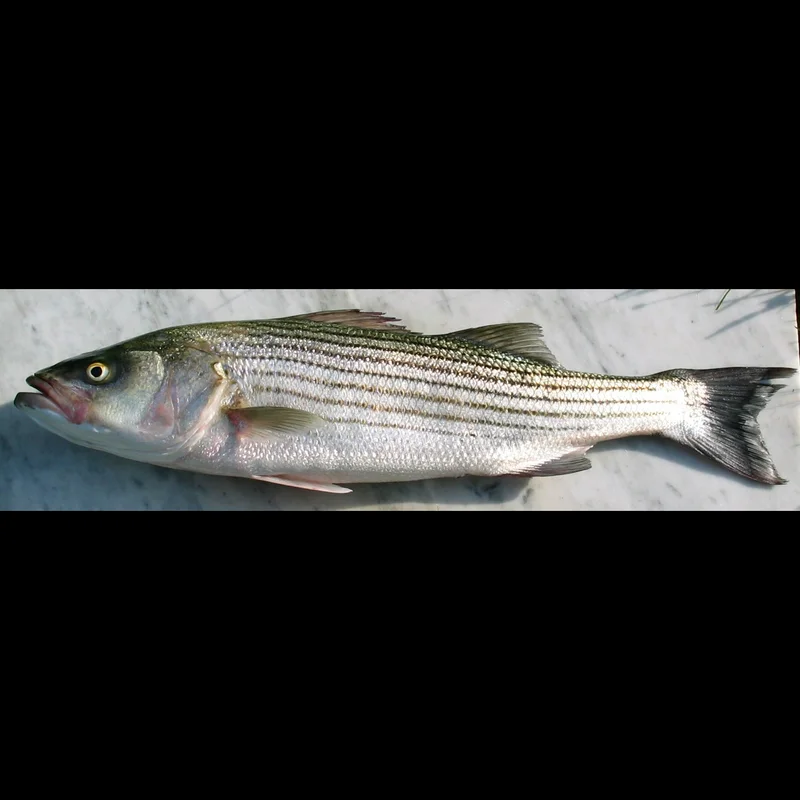
The underwater landscape at Treasure Island II, characterized by its extensive rock points and artificial structures, attracts a diverse array of marine life. Along the reef formations, divers can encounter Sheephead and Garibaldi, often seen navigating the rocky crevices.
Senoritas dart through the water column, adding movement to the scene. On the sandy bottom areas, keep an eye out for Bat Rays gliding gracefully and Sand Bass resting near the substrate. Sculpin are also present, often blending seamlessly with their surroundings.

Dive Centers Near Treasure Island II-Southeast Cluster
Today: 10:00 - 17:00
Nearest Airports
Nearest airports to help plan travel to this dive area.
Search Flights
Check available flights and routes on Expedia, using the nearby airports listed in this section.
Search Flights on ExpediaFrequently Asked Questions
What is the maximum depth at Treasure Island II-Southeast Cluster?
The maximum recreational depth at this dive site extends to 9 meters (30 ft). This makes it suitable for divers with various certification levels, allowing for extended bottom times in shallower areas.
What marine life can typically be observed here?
Divers can expect to see species such as Sheephead, Garibaldi, and Senoritas. Other notable sightings include Bat Rays, Sand Bass, and Sculpin, often found within the rock points and surrounding areas.
Is Treasure Island II suitable for beginner divers?
While its maximum depth is within recreational limits, Treasure Island II is not considered a protected cove. High wave action can make it a more advanced dive, even with changing tides, so beginners should exercise caution or dive with experienced guides.
What is the typical water clarity?
Average clarity at this site ranges from 1.5 meters (5 ft) to over 7.5 meters (25 ft). Visibility can vary depending on recent weather conditions and wave activity.
When is the best time of year to dive at Treasure Island II?
The ideal time for diving is during the summer and early fall months, from June to September. During this period, Gulf waters are warmest, visibility tends to be at its peak, and marine life is most active.
Are there any facilities available at the dive site?
Yes, there is a lifeguard stand, restrooms, and paid parking available at this location. These amenities contribute to a more convenient diving experience.
Is hunting or collecting permitted at Treasure Island II?
No, this location is designated as a Marine Protected Area. As such, hunting, collecting, or disturbing marine life or coral formations is strictly prohibited to preserve the ecosystem.
Planning to dive Treasure Island II-Southeast Cluster?
Send one inquiry and receive offers directly from the best verified local dive operators.
Conditions are Good
Optimal conditions expected
Current conditions near Treasure Island II-Southeast Cluster show 28° air, 31° sea temperature, 0.5 m waves, and 29 km/h wind. Forecast data is refreshed regularly to ensure accuracy.