
Diving at Twin Dees (United States)
Twin Dees, a significant Florida spring system, unveils a complex subterranean landscape, beginning with a distinctive vertical body-tube entrance. This advanced dive site quickly transitions into vast underground rooms and deep cave passages. Its challenging geology, including tight solution tubes and expansive caverns, demands precise navigation. Divers here explore a dynamic environment shaped by powerful water flow, revealing unique formations far beneath the surface.
As evening covers Twin Dees, the local air temperature is measured at 23°C. The current wave height at the surface is recorded at 0.1 m. These late-day readings characterize the surface conditions for the night.
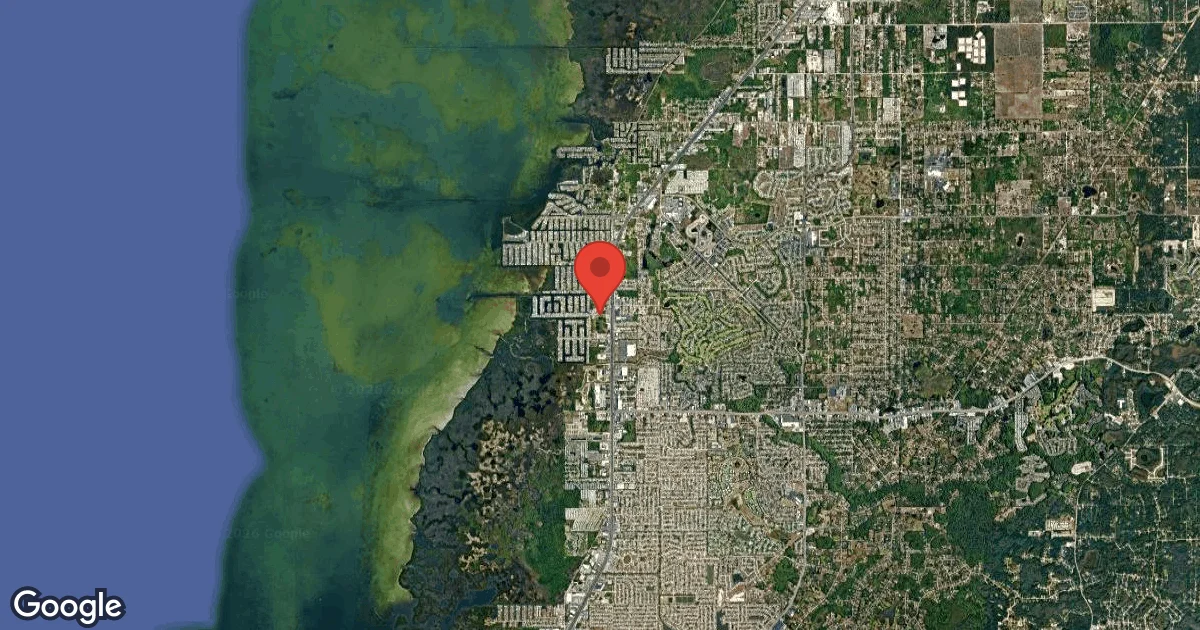
Dive Site Location & Key Facts
Dive Site Overview
What started as surveying quickly transformed into some of Florida's most logistically demanding cave diving exploration at Twin Dees. Initially, David Miner and Jeff Peterson were hired to survey the spring for a geophysical study, an effort that soon uncovered an intricate underwater realm.
Early reports from Paul Hienerth and Sheck Exley in the 1970s and 80s hinted at its complexity, establishing initial lines within the system. Entering this site means navigating a 40-foot (12 m) vertical body-tube, which then opens into a small, often silty cave passage. Beyond this, divers encounter significant flow leading into impressive deep passages and an enormous underground room known as Middle Earth, often found at depths ranging from 91 to 101 m (300-330 ft).
The system eventually revealed its connection to Weeki Wachee Spring in September 2014, showcasing extensive deep cave passage accessible to only a few. Maximum explored depths here have reached up to 124 m (407 ft).
Conditions are Good
07:00 - 14:00
Optimal conditions expected
Current conditions near Twin Dees show 23° air, 30° sea temperature, 0.2 m waves, and 16 km/h wind. Forecast data is refreshed regularly to ensure accuracy.
Best Time to Dive
Planning a dive at Twin Dees benefits from considering the seasonal conditions, especially how they might influence visibility. Periods of lower rainfall, typically experienced from November through April, might correlate with reduced spring outflow, potentially leading to less stirred-up sediment. During these months, average air temperatures range from 13.5°C (56°F) in January to 22°C (72°F) in April. While water temperature data isn't consistently reported, spring waters usually maintain a stable temperature year-round. Conversely, the summer months, from June to August, see higher average rainfall, up to 6 mm (0.24 inches), which could increase flow and affect clarity. However, these months also offer warmer air temperatures, reaching up to 28°C (82°F) in August, which can make surface operations more comfortable.
PEAK SEASON SCORE
Scores combine air & water temps, waves, wind & rainfall for overall conditions.
BEST MONTHS TO DIVE
Monthly records compiled from satellite and marine observation nodes over the last 3 years. Data provided by Open-Meteo and MET Norway.
Dive Experience & Conditions
Diving conditions at Twin Dees present a complex, challenging environment, marked by dynamic water flow and highly variable visibility. Entry into this advanced site involves a 40-foot (12 m) vertical body-tube, leading into tight solution tubes and sections where currents rage. Divers often encounter near-zero visibility between the entrance and initial staging areas like 'the Beach'. Further into the system, however, clarity can improve, sometimes reaching around 24 m (80 ft) in the deeper passages. Passages within the cave system are often silty, eventually opening into an enormous underground room in the deeper sections, known as Middle Earth. Throughout the dive, a consistently positive flow requires strong current management and precise buoyancy.
Dive Difficulty & Safety Guidelines
Access to Twin Dees is highly restricted and not open to the public; a locked chain link fence surrounds the spring. Diving here requires explicit permits, typically granted for ongoing exploration projects by organizations like Karst Underwater Research. Its entrance is considered hazardous, manageable only by very strong and experienced divers due to tight passages and significant flow.
Navigation through the first 396 m (1,300 ft) is particularly difficult. Due to its advanced nature and the complexities of deep cave environments, proper training in full cave diving, along with redundant equipment and meticulous dive planning, are non-negotiable for anyone considering this site.
Recommended Equipment
- Dive Computer
This gear list is based on verified equipment signals for Twin Dees, United States. Always confirm final gear choices with your dive operator, guide, or liveaboard.
Recommended Dive Suit
Environmental conditions are expected to remain consistent in the short-term outlook.
For typical recreational dives, dive skin or rash guard generally provides comfortable insulation. Surface intervals may feel cooler.
Recent environmental data from Twin Dees indicates water temperatures near 30°C (86°F). Surface air temperatures are resting at 23°C (73°F).
Emergency & Medical Support
Essential information to help you plan your dive trip to Twin Dees.

Hyperbaric chambers are a critical part of dive safety infrastructure. Availability varies significantly by region, and not all dive areas have immediate access.
Before diving, it's recommended to:
- confirm nearest medical facilities
- check emergency procedures with local dive operators
- ensure dive insurance covers evacuation if required
Divers Alert Network
Diving emergency assistance available through DAN World.
+1-919-684-9111- 24/7 emergency hotline
- Diving medical assistance
- Evacuation coordination
Emergency contacts are provided for reference. Always verify local emergency services before diving.
Marine Life at Twin Dees
While not a typical destination for diverse marine fauna, the unique subterranean environment of Twin Dees supports a specialized, adapted ecosystem. Life forms found within these spring-fed cave systems are typically those capable of thriving in low-light conditions and stable water temperatures.
Divers may observe small, cave-adapted invertebrates or fish that have evolved to suit this specific, light-deprived habitat. This environment offers a different perspective on aquatic life, focusing on resilience and adaptation rather than coral reef biodiversity.
Dive Sites Near Twin Dees
View all dive sites in United StatesDiscover more underwater gems in this area.
Dive Centers Near Twin Dees
Today: 10:00 - 17:00
Nearest Airports
Nearest airports to help plan travel to this dive area.
Search Flights
Check available flights and routes on Expedia, using the nearby airports listed in this section.
Search Flights on Expedia
Plan Your Stay
Looking for a place to stay for your dive trip? Explore hotels, stays, and vacation rentals for dive groups near North Weeki Wachee.
Dive Navigator may earn a commission from these links at no extra cost to you.
Frequently Asked Questions
What is the maximum depth reached at Twin Dees?
Explorers at Twin Dees have reached the maximum explored depth for the system. This makes it a site suitable only for highly experienced technical cave divers.
Is Twin Dees accessible to recreational divers?
No, Twin Dees is not accessible to the public or typical recreational divers. Access is strictly controlled, requiring special permits, usually for advanced exploration projects.
What kind of visibility can I expect?
Visibility at Twin Dees varies significantly. It can be near zero in sections between the entrance and initial staging areas, but often improves to around 24 m (80 ft) in the deeper, more open passages.
How does water flow affect diving at Twin Dees?
Consistently positive, often raging, flow characterizes the spring system. Divers must possess strong current management skills and precise buoyancy control to navigate these conditions.
When was Twin Dees connected to Weeki Wachee Spring?
The connection between the Twin Dees and Weeki Wachee cave systems was successfully established in September 2014, following extensive exploration efforts.
What are the primary entrance challenges?
The entrance requires navigating a vertical body-tube, followed by a tight solution tube and sections with significant water flow. Such conditions demand advanced cave diving skills.
Planning to dive Twin Dees?
Send one inquiry and receive offers directly from the best verified local dive operators.
Conditions are Good
07:00 - 14:00
Optimal conditions expected
Current conditions near Twin Dees show 23° air, 30° sea temperature, 0.2 m waves, and 16 km/h wind. Forecast data is refreshed regularly to ensure accuracy.