
Diving at Unnamed FWC Reef 2023 (1) (United States)
Venturing out to Unnamed FWC Reef 2023 (1) provides a direct route into understanding Florida's ambitious artificial reef network. This particular site, established in 2023, represents a deliberate effort to enhance marine ecosystems and expand recreational diving opportunities along the coast. Divers here can anticipate exploring structured habitats, thoughtfully designed to attract diverse marine life and support a thriving underwater community within recreational depths. It's a prime example of the state's investment in its subaquatic future.
Evening condition tracking at Unnamed FWC Reef 2023 (1) features an air temperature of 29°C. We have recorded wave heights measuring 0.5 m during this period. These figures outline the environmental parameters currently present.
Dive Site Location & Key Facts
Dive Site Overview
Unnamed FWC Reef 2023 (1) forms a vital element within Florida's extensive artificial reef initiative, a statewide effort comprising over 4,476 planned public sites. Intentionally placed structures are designed to establish new reef habitat, ultimately boosting marine life and supporting diverse recreational activities.
The Florida Fish and Wildlife Conservation Commission (FWC) actively manages and monitors these sites, providing essential financial and technical assistance for their construction and ongoing assessment. Such projects, including Unnamed FWC Reef 2023 (1), aim to achieve several key goals: enhancing recreational diving opportunities, stimulating local coastal economies, and increasing crucial reef fish habitat.
Additionally, some artificial reefs serve as mitigation sites, replacing natural hard bottom habitats lost due to events like beach re-nourishment or vessel groundings. FWC staff conducts compliance and performance monitoring, utilizing SCUBA and underwater video, to verify these reefs fulfill their intended purpose.
Divers visiting here should understand that artificial reef materials can degrade, shift, or become buried over time. This dynamic environment necessitates continuous assessment and contributes to an evolving dive experience.
Conditions are Good
Optimal conditions expected
Current conditions near Unnamed FWC Reef 2023 (1) show 29° air, 30° sea temperature, 0.5 m waves, and 20 km/h wind. Forecast data is refreshed regularly to ensure accuracy.
Best Time to Dive
Optimal diving conditions often present themselves during the summer months, particularly July, when the dive score reaches its highest "Excellent" rating. In July, air temperatures average around 28°C (82°F), coupled with the lowest average wave heights at approximately 0.4 m (1.3 ft) and gentler winds averaging 15.96 km/h (9.9 mph). This combination generally leads to smoother surface conditions and more comfortable boat rides. Most other months, from January through September and November, are rated "Good" for diving. Air temperatures vary significantly throughout the year, from 18°C (64°F) in January to a peak of 28°C (82°F) in August. Data on specific water temperatures for this site is not consistently reported, but seasonal air temperature trends often correlate with general water conditions in Florida. October typically presents more moderate conditions, with higher average wave heights of 1.2 m (3.9 ft) and increased wind speeds around 23.21 km/h (14.4 mph), potentially impacting surface chop. Rain averages remain relatively low throughout most of the year, although September sees the highest average rainfall at 6.5 mm (0.26 inches).
PEAK SEASON SCORE
Scores combine air & water temps, waves, wind & rainfall for overall conditions.
BEST MONTHS TO DIVE
Monthly records compiled from satellite and marine observation nodes over the last 3 years. Data provided by Open-Meteo and MET Norway.
Dive Experience & Conditions
Approaching this artificial reef site, divers will find structures intentionally placed to foster marine ecosystems. Given its purpose, the site is designed for accessibility across various certification levels, typically within recreational depth limits. Wave conditions and prevailing winds will significantly influence the surface entry and overall dive comfort. During months with lower wave heights, such as July with averages around 0.4 m (1.3 ft), entries and exits tend to be smoother. Conversely, October, with wave heights nearing 1.2 m (3.9 ft) and stronger winds, may present more challenging surface conditions. While specific visibility data is not consistently reported for this site, it commonly varies with current and recent weather patterns, ranging from clear days to more turbid conditions. Divers should expect to navigate over and around various artificial structures, offering opportunities for exploration and observation of developing marine habitats. The dive experience here is less about vast natural topography and more about the ecological function of a constructed reef.
Dive Difficulty & Safety Guidelines
Diving Unnamed FWC Reef 2023 (1) generally suits certified divers comfortable with open water conditions, though specific skill levels will depend on daily weather. Given that this is an artificial reef, divers should be mindful of potential entanglement hazards from fishing lines or debris that can accumulate on the structures. FWC's monitoring efforts involve periodic assessments, but the dynamic nature of artificial reefs means materials can shift or degrade over time.
Maintaining good buoyancy control is always essential to avoid contact with the reef structure and protect developing marine life. It's also critical to respect established guidelines for interacting with marine environments and refrain from disturbing any materials or organisms.
Planning dives with current weather forecasts in mind, especially regarding wave heights and wind speeds, will contribute to a safer and more enjoyable experience. Always dive within your training limits and consider the conditions on any given day.
Recommended Equipment
- Dive Computer
This gear list is based on verified equipment signals for Unnamed FWC Reef 2023 (1), United States. Always confirm final gear choices with your dive operator, guide, or liveaboard.
Recommended Dive Suit
Exposure protection is partly a personal preference.
Dive skin or rash guard typically provides a reliable level of thermal protection for dives here. Consider warmer surface protection (like a boat coat) due to brisk winds. Forecasts suggest a slight cooling pattern in the days ahead. Cooler days are ahead; you might want a warmer option for later in the week. Carrying a secondary suit is common practice among experienced divers.
Water temperatures across the dive area at Unnamed FWC Reef 2023 (1) are presently estimated to be around 30°C (87°F). Surface air temperatures are resting at 29°C (84°F).
Due to technical issues with our weather providers, data hasn't been fetched for over 48 hours. The data above reflects the conditions at the time of the last successful fetch.
Emergency & Medical Support
Essential information to help you plan your dive trip to Unnamed FWC Reef 2023 (1).

Hyperbaric chambers are a critical part of dive safety infrastructure. Availability varies significantly by region, and not all dive areas have immediate access.
Before diving, it's recommended to:
- confirm nearest medical facilities
- check emergency procedures with local dive operators
- ensure dive insurance covers evacuation if required
Divers Alert Network
Diving emergency assistance available through DAN World.
+1-919-684-9111- 24/7 emergency hotline
- Diving medical assistance
- Evacuation coordination
Emergency contacts are provided for reference. Always verify local emergency services before diving.
Marine Life at Unnamed FWC Reef 2023 (1)
The underwater landscape of Unnamed FWC Reef 2023 (1) is specifically engineered to foster new marine habitats, actively supporting fish communities and other organisms. Artificial reefs like this one are instrumental in increasing reef fish habitat, providing shelter and feeding grounds where natural hard bottom might be scarce.
Divers can expect to observe various species attracted to the complex structures, which offer a refuge from predators and a substrate for invertebrate growth. While specific sightings will vary, these sites typically draw a diverse array of fish, reflecting the success of habitat enhancement efforts.
The goal of such deployments is to enhance the overall marine biodiversity and recreational viewing opportunities.
Dive Centers Near Unnamed FWC Reef 2023 (1)
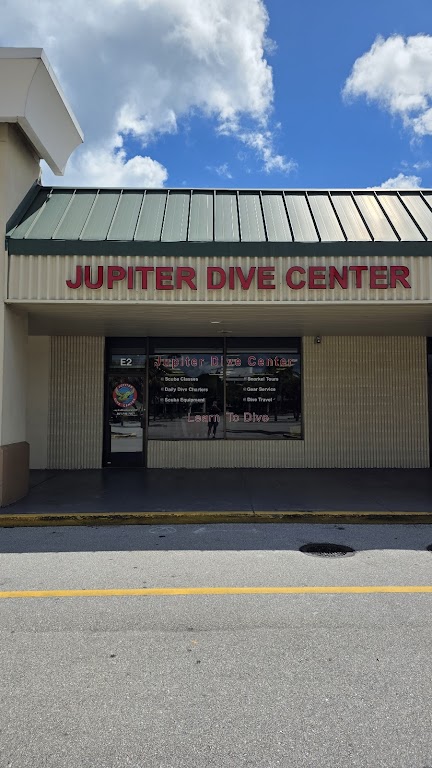
Today: 10:00 - 18:00
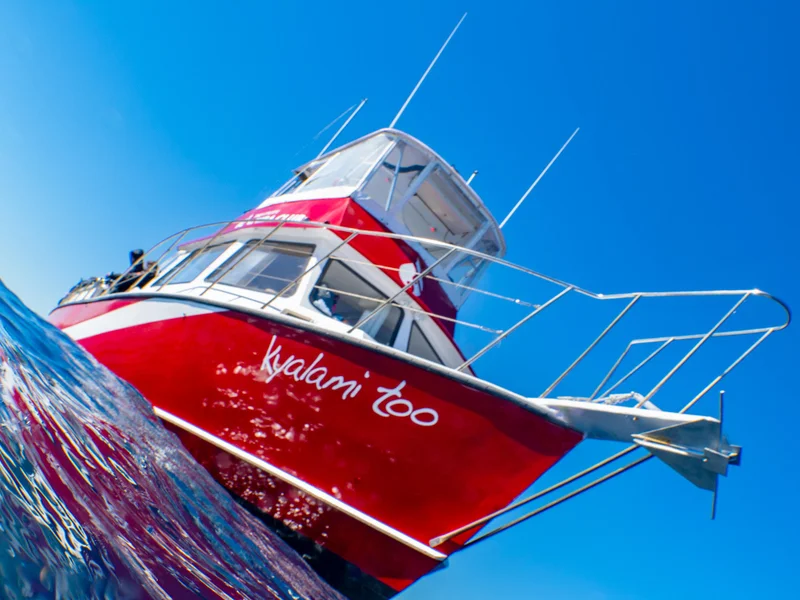
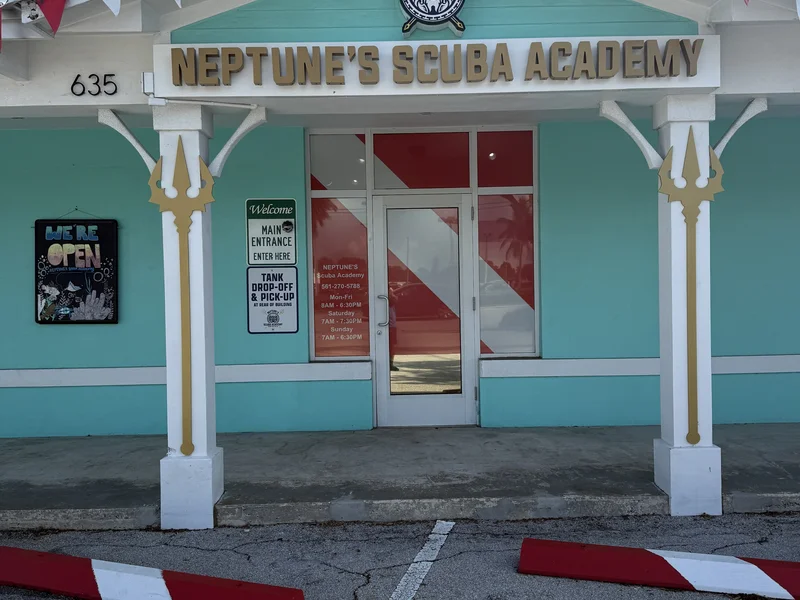
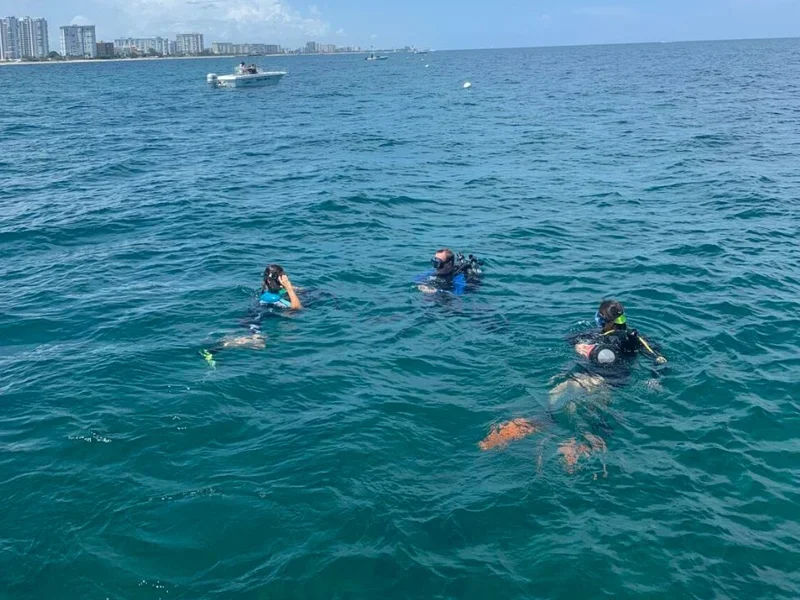
Nearest Airports
Nearest airports to help plan travel to this dive area.
Search Flights
Check available flights and routes on Expedia, using the nearby airports listed in this section.
Search Flights on Expedia
Plan Your Stay
Looking for a place to stay for your dive trip? Explore hotels, stays, and vacation rentals for dive groups near Saint Lucie.
Dive Navigator may earn a commission from these links at no extra cost to you.
Frequently Asked Questions
What is the primary purpose of Unnamed FWC Reef 2023 (1)?
This reef serves to enhance marine life by creating new habitat and improving recreational and diving opportunities. It's part of Florida's larger artificial reef program aimed at boosting local coastal communities and managing fisheries.
Who is permitted to construct artificial reefs in Florida?
Artificial reef construction is primarily completed by state or local coastal governments in authorized permitted areas. The Army Corps of Engineers does not issue permits directly to the general public due to liability requirements.
Are there any exceptions for private citizens to deploy reefs?
Yes, there's a program restricted to Escambia, Bay, and Okaloosa Counties where private individuals can apply to deploy unpublished reefs within existing county-held permitted areas. This process involves specific applications, inspections, and fees.
How does the FWC support artificial reef development?
The FWC Artificial Reef Program provides financial and technical assistance to local governments, non-profits, and universities for reef construction and monitoring. Grant funding comes from the U.S. Fish and Wildlife Sport Fish Restoration and the State of Florida’s Marine Trust Conservation Fund.
What are some benefits of artificial reefs for divers and the ecosystem?
Artificial reefs enhance recreational diving opportunities and increase reef fish habitat, contributing to richer marine biodiversity. They also offer socio-economic benefits to local communities and can serve as mitigation reefs.
How does the FWC monitor its artificial reef sites?
FWC staff conducts statewide compliance and performance monitoring using SCUBA, sidescan sonar, and underwater video. This provides assessment information to local reef coordinators for permitting, outreach, and productivity evaluation.
Can artificial reef materials change over time?
Yes, reef materials can move, degrade, or become buried over time, impacting the structure and visibility of the reef. FWC notes that some historical data may have location inaccuracies due to these changes.
How are artificial reef projects funded in Florida?
Funding comes from excise taxes on fishing equipment and motor fuel, which support the Sport Fish Restoration program. A portion of state saltwater fishing license revenues also goes to the Marine Trust Conservation Fund for fishery resource management.
Planning to dive Unnamed FWC Reef 2023 (1)?
Send one inquiry and receive offers directly from the best verified local dive operators.
Conditions are Good
Optimal conditions expected
Current conditions near Unnamed FWC Reef 2023 (1) show 29° air, 30° sea temperature, 0.5 m waves, and 20 km/h wind. Forecast data is refreshed regularly to ensure accuracy.