
Diving at Venice Reef Site, I-4 (United States)
To truly appreciate Venice Reef Site, approach it as a specialized expedition for paleo-divers. This isn't a typical coral reef experience; it's a journey into ancient marine history. Success here hinges on understanding the tidal movements and recent storm activity, which continually unearth millions of years old fossil beds. Focus on the sandy bottom, especially after a good surge, for the best chances of finding ancient shark teeth.
Current morning readings from Venice Reef Site, I-4 indicate an air temperature of 30°C. Surface wave heights are averaging around 0.2 m at this time. These local measurements provide a baseline for your daily dive planning.
Dive Site Location & Key Facts
Dive Site Overview
Venice Reef Site, often celebrated as the 'shark's tooth capital of the World,' reveals a rich prehistoric narrative. Its unique underwater fossil beds date back millions of years.
Once a colossal coral reef teeming with breeding whales and diverse marine species, this ancient ecosystem drew in formidable predators like Megalodon sharks, eager to feed on abundant life. Today's dive experience revolves around exploring these sandy bottom remnants, where storms and wave action gradually drive fossils into the shallow waters and onto the shore. While not a deep dive, with a maximum depth of 1 meter (6 feet), it offers an accessible opportunity for divers and snorkelers alike to connect with an extraordinary past.
Guided shore dives are a popular approach, allowing enthusiasts to meticulously search for fossilized shark teeth and other ancient treasures that tell the story of a bygone era.
Conditions are Good
Optimal conditions expected
Current conditions near Venice Reef Site, I-4 show 30° air, 31° sea temperature, 0.2 m waves, and 25 km/h wind. Forecast data is refreshed regularly to ensure accuracy.
Best Time to Dive
Optimizing your visit to Venice Reef Site largely depends on prioritizing visibility and calm conditions for fossil hunting. Months of May and July generally offer excellent dive scores, with average air temperatures reaching 26°C (79°F) and 28°C (82°F) respectively. These months often pair with notably lower average wave heights, around 0.5 meters (1.6 feet) and 0.4 meters (1.3 feet). Such calmer conditions contribute to clearer water and less disturbed sediment, crucial for spotting shark teeth. Reduced wave action means less suspended particulate matter, enhancing the efficiency of your search. Conversely, months like June and August typically see higher average rainfall, 7.1 mm (0.28 inches) and 7.8 mm (0.31 inches), which might introduce freshwater runoff and temporarily impact visibility. Heavy rains can stir up riverine sediments, reducing an already variable sight range. For consistently good conditions and the potential for calm seas that aid in discovery, aim for the spring and early summer months when the air is warm and wave action is typically at its lowest, creating ideal fossil hunting opportunities.
PEAK SEASON SCORE
Scores combine air & water temps, waves, wind & rainfall for overall conditions.
BEST MONTHS TO DIVE
Monthly records compiled from satellite and marine observation nodes over the last 3 years. Data provided by Open-Meteo and MET Norway.
Dive Experience & Conditions
Descending into Venice Reef Site feels less like entering a complex marine ecosystem and more like stepping onto an archaeological dig. A sandy bottom dominates the environment, where the primary sensation is the gentle shifting of sediment as you scour for fossilized shark teeth. Given the site's remarkably shallow maximum depth, usually around 1 meter (6 feet), sunlight penetrates easily, illuminating the seabed and enhancing the search experience, though visibility can vary widely. It’s an active dive, requiring focused attention on the substrate, sifting through sand and small shells, often by hand. Patience becomes an essential skill here. Occasionally, divers might encounter a small rock ledge or a patch of sparse seagrass, providing a slight topographical change and potential collection points. Water type is salt, and while the visual spectacle isn't of vibrant corals, the thrill of discovering ancient artifacts embedded in the sand creates a unique and rewarding sensory impression. Expect to spend extended periods on the bottom, methodically searching rather than observing large marine life.
Dive Difficulty & Safety Guidelines
Diving at Venice Reef Site, while generally approachable due to its shallow depths, presents specific challenges that warrant careful planning. Strong currents or significant wave action, particularly after storms, can dramatically reduce visibility and make fossil hunting difficult. Divers should always deploy a dive flag and surface marker buoy to ensure visibility to boat traffic, as the area can be active.
Pay close attention to local conditions, as wave heights average around 0.5 to 0.8 meters (1.6 to 2.6 feet) throughout the year, impacting bottom disturbance. Always maintain situational awareness in these shallow waters; a dive computer is still useful for tracking bottom time, even if deep dive limits aren't a concern.
Consider a guided shore dive, as local knowledge is invaluable for navigating the optimal areas and understanding recent sediment movements.
Recommended Equipment
- Dive Computer
This gear list is based on verified equipment signals for Venice Reef Site, I-4, United States. Always confirm final gear choices with your dive operator, guide, or liveaboard.
Recommended Dive Suit
Divers who spend more time observing marine life often prefer slightly warmer gear.
Divers exploring Venice Reef Site, I-4 today will likely encounter water temperatures close to 31°C (87°F). Surface air temperatures are resting at 30°C (86°F). Water temperatures in this range are often well suited to diving with dive skin or rash guard. A hood or vest is suggested for sensitive divers due to surface winds.
Environmental conditions may feel slightly cooler as the week progresses. A significant temperature drop is forecast; strongly suggest bringing a backup warmer suit option. A thicker wetsuit may be worth considering for extended dives.
Emergency & Medical Support
Essential information to help you plan your dive trip to Venice Reef Site, I-4.

Hyperbaric chambers are a critical part of dive safety infrastructure. Availability varies significantly by region, and not all dive areas have immediate access.
Before diving, it's recommended to:
- confirm nearest medical facilities
- check emergency procedures with local dive operators
- ensure dive insurance covers evacuation if required
Divers Alert Network
Diving emergency assistance available through DAN World.
+1-919-684-9111- 24/7 emergency hotline
- Diving medical assistance
- Evacuation coordination
Emergency contacts are provided for reference. Always verify local emergency services before diving.
Marine Life at Venice Reef Site, I-4
Fossilized evidence of ancient inhabitants often marks the initial marine life 'highlight' at Venice Reef Site. Before encountering contemporary fish, divers are greeted by tangible remains of a past era: a wealth of ancient shark teeth and other marine fossils.
Historically, the site was home to a diverse array of breeding whales, turtles, dolphins, and various fish species. These ancient populations, in turn, attracted colossal predators like Megalodon sharks.
While current living marine life in these extremely shallow waters might be limited to smaller fish or invertebrates occasionally, the true spectacle lies in the historical presence of large marine species, whose fossilized remnants are the primary draw and what divers notice first.
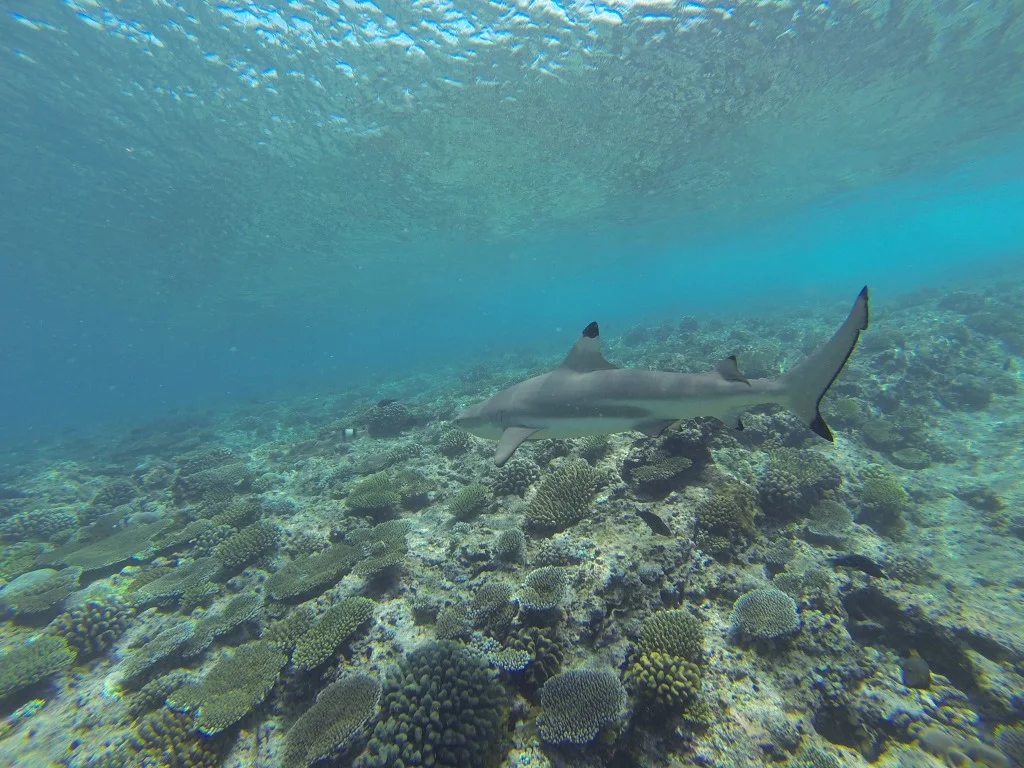
Dive Sites Near Venice Reef Site, I-4
View all dive sites in United StatesDiscover more underwater gems in this area.
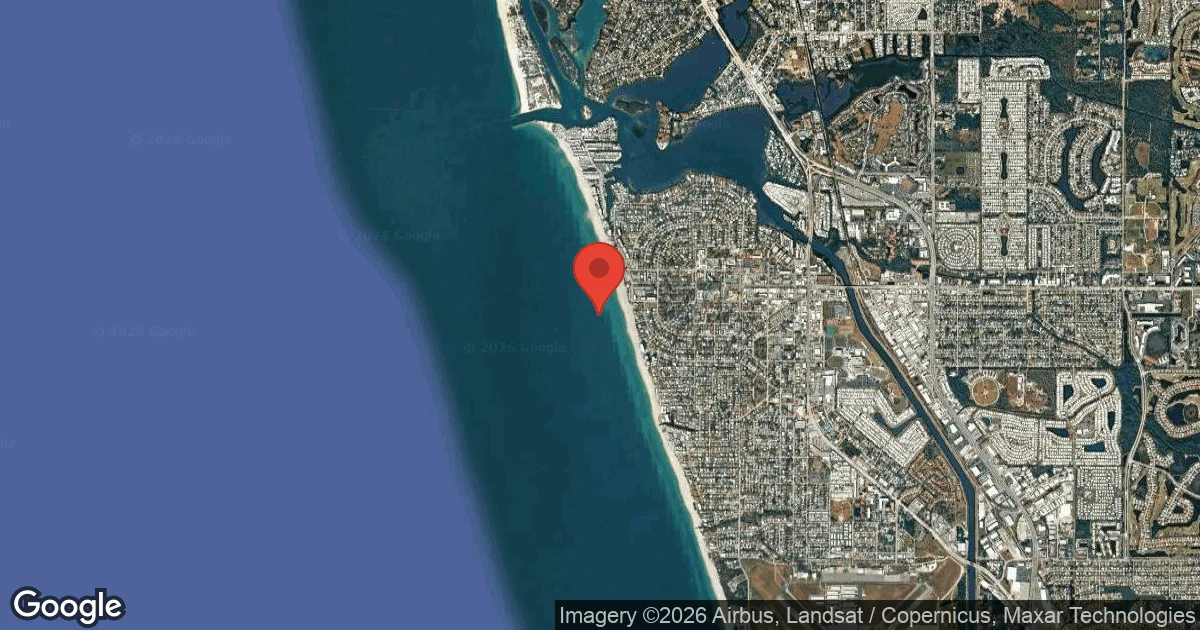
Dive Centers Near Venice Reef Site, I-4
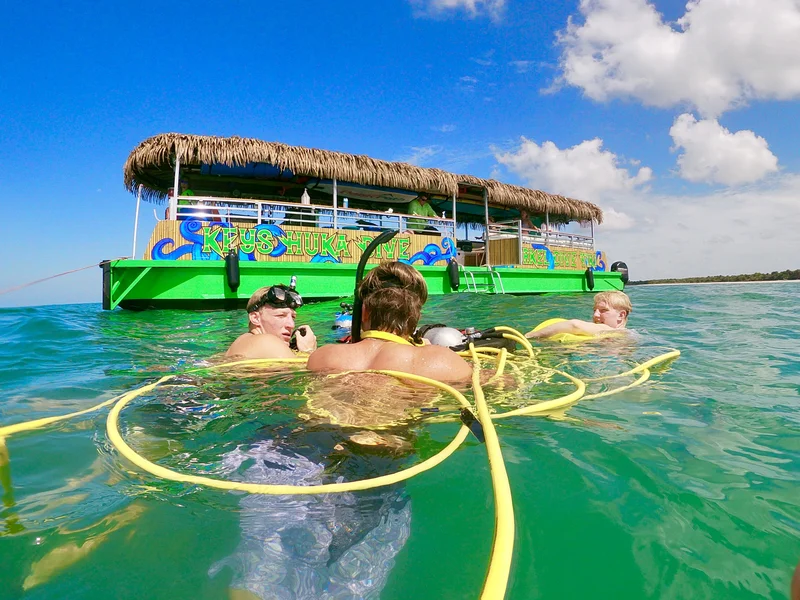
Today: 09:00 - 18:00
Nearest Airports
Nearest airports to help plan travel to this dive area.
Search Flights
Check available flights and routes on Expedia, using the nearby airports listed in this section.
Search Flights on Expedia
Plan Your Stay
Looking for a place to stay for your dive trip? Explore hotels, stays, and vacation rentals for dive groups near Venice.
Dive Navigator may earn a commission from these links at no extra cost to you.
Frequently Asked Questions
What makes the Venice Reef Site unique?
Extensive ancient, underwater fossil beds characterize the site, making it a prime location for finding fossilized shark teeth, including those from Megalodon sharks. It's more of a fossil hunting dive than a traditional coral reef exploration.
What is the typical depth at Venice Reef Site?
Venice Reef Site is remarkably shallow, with a maximum depth generally around 1 meter (6 feet). Its accessibility extends to both divers and snorkelers seeking ancient fossils.
Is shore diving possible at this location?
Yes, shore diving is possible and commonly practiced here. Many visitors opt for guided shore dives to maximize their chances of finding fossils and navigating the best hunting grounds.
What kind of marine life can I expect to see?
While the site once teemed with ancient marine life like whales and Megalodon sharks, today's living marine encounters in these shallow areas are usually limited to smaller fish or invertebrates. The main attraction is the fossilized evidence of past life.
When is the best time to dive for shark teeth?
For shark teeth hunting, consider visiting during spring and early summer months, particularly May and July. Air temperatures are warm then, and wave heights are typically lower. Calmer conditions can improve visibility and make it easier to spot fossils on the sandy bottom.
Are dive certifications required for this site?
While specific certifications aren't always mandatory for such shallow fossil hunting, particularly with a guided shore dive, PADI discovery scuba diving and refresher courses are available locally if you want to enhance your skills or try scuba for the first time.
What equipment is recommended for a dive here?
For this shallow site, it's recommended to have a dive computer, a dive flag, and a surface marker buoy for safety and visibility. A wetsuit is also advisable for comfort, especially during extended time in the water searching for fossils.
Planning to dive Venice Reef Site, I-4?
Send one inquiry and receive offers directly from the best verified local dive operators.
Conditions are Good
Optimal conditions expected
Current conditions near Venice Reef Site, I-4 show 30° air, 31° sea temperature, 0.2 m waves, and 25 km/h wind. Forecast data is refreshed regularly to ensure accuracy.