
Diving at Vhfc (United States)
VHFC, United States, unfolds as a coastal environment shaped by dynamic maritime activity. Descending into its waters, divers might sense the presence of significant underwater structures, even if natural formations dominate. Variable regional conditions mean each dive presents a fresh encounter with the marine environment. Robust planning and situational awareness enhance the experience, allowing divers to appreciate both the natural inhabitants and ongoing human influence.
Tonight's objective overview for Vhfc shows an air temperature of 24°C. The measured surface conditions include wave heights around 0.9 m. This environmental data is logged for the close of the day.
Dive Site Location & Key Facts
Dive Site Overview
Waters around VHFC in the United States are currently experiencing significant maritime development, offering a distinct historical context for diving activities. Ongoing transformation, including projects like the USCG OPC Pier 1 and S45 South Bulkhead, involves substantial in-water construction.
Divers here are witnessing an evolving underwater landscape, potentially featuring new or modified structures from vibratory and impact pile driving of steel sheets and pipes. Such activities, while necessary for infrastructure, introduce elements divers need to be aware of. Monitoring efforts, conducted by professional observers (PSOs), attest to the area's dynamic nature, focusing on marine mammal safety.
Observations track species like seals and various cetaceans, including those categorized by their very high-frequency hearing. Presence of these monitoring zones, which can extend significantly from active construction, underscores the importance of understanding site-specific guidelines and potential access restrictions.
Divers planning a trip to VHFC should recognize they're exploring a working coastal area, where the marine environment interacts closely with human endeavors. Understanding these operational aspects is key to appreciating the diving experience here.
Conditions are Good
Optimal conditions expected
Current conditions near Vhfc show 24° air, 23° sea temperature, 1.0 m waves, and 37 km/h wind. Forecast data is refreshed regularly to ensure accuracy.
Best Time to Dive
Planning a dive at VHFC relies heavily on understanding prevailing surface conditions. June and July generally present the most favorable periods for diving, marked by higher 'Good' dive scores. July typically records the highest average air temperature at 24°C (75°F) and lower average wave heights, around 0.9 m (3.0 ft). Air temperatures overall show a wide range, from colder averages of 2°C (36°F) in January to 24°C (75°F) in July, necessitating appropriate surface gear for comfort, especially during colder periods. Rainfall is relatively low during the prime dive season, with June averaging 1.32 mm (0.05 in) and July 2.56 mm (0.10 in), potentially contributing to better surface visibility. While specific water temperature data for VHFC is not consistently reported, divers should anticipate conditions typical for temperate coastal waters of the United States. Wind speeds also vary; expect stronger winds averaging 38-40 km/h (24-25 mph) in winter, decreasing to 28-31 km/h (17-19 mph) in summer. These factors collectively influence sea state and overall dive comfort.
PEAK SEASON SCORE
Scores combine air & water temps, waves, wind & rainfall for overall conditions.
BEST MONTHS TO DIVE
Monthly records compiled from satellite and marine observation nodes over the last 3 years. Data provided by Open-Meteo and MET Norway.
Dive Experience & Conditions
As divers descend into the waters of VHFC, an initial sensation might be one of cooler temperatures, as specific historical water temperature data isn't consistently available. Air temperatures range widely throughout the year, suggesting the marine environment below likely experiences similar fluctuations. Beneath the surface, divers navigate an environment potentially influenced by current or past maritime construction. Exploration here could involve encountering the foundational elements of infrastructure projects, such as submerged piles or remnants of older structures. Maximum depth of recreational dives at this site is not explicitly defined in available data, but divers should anticipate conditions consistent with temperate coastal zones. Encounters with marine life, including cetaceans and seals, are possible, adding to the dynamic nature of these waters. Divers should maintain keen awareness, both of their surroundings and any operational restrictions that may be in place.
Dive Difficulty & Safety Guidelines
A critical expert tip for diving at VHFC involves being highly aware of marine mammal protection protocols and active maritime operations. Given ongoing construction projects involving pile driving, stringent shutdown zones are implemented to safeguard marine mammals like seals and various cetaceans. These zones can range from a minimum of 10 m (33 ft) for general in-water activities to 200 m (656 ft) or more during specific impact pile driving or DTH methods.
Professional Marine Mammal Observers (PSOs) actively monitor the area, especially during and around construction periods. If a marine mammal is sighted within a shutdown zone, activities cease, and a period of observation follows before operations can resume.
This underscores the need for divers to also be vigilant and respect marine life. Always check local notices to mariners and consult with dive operators for real-time updates on active work zones and safety requirements before entering the water.
Recommended Equipment
- Dive Computer
This gear list is based on verified equipment signals for Vhfc, United States. Always confirm final gear choices with your dive operator, guide, or liveaboard.
Recommended Dive Suit
3-5mm wetsuit is widely used for recreational dives in waters of this temperature. Consider warmer surface protection (like a boat coat) due to brisk winds. Water conditions at Vhfc are currently measured at approximately 23°C (74°F). Surface air temperatures are resting at 24°C (75°F).
Short-term weather patterns suggest stable conditions for divers visiting the area.
Water temperatures can occasionally shift throughout the day depending on currents and depth layers.
Emergency & Medical Support
Essential information to help you plan your dive trip to VHFC.

Hyperbaric chambers are a critical part of dive safety infrastructure. Availability varies significantly by region, and not all dive areas have immediate access.
Before diving, it's recommended to:
- confirm nearest medical facilities
- check emergency procedures with local dive operators
- ensure dive insurance covers evacuation if required
Divers Alert Network
Diving emergency assistance available through DAN World.
+1-919-684-9111- 24/7 emergency hotline
- Diving medical assistance
- Evacuation coordination
Emergency contacts are provided for reference. Always verify local emergency services before diving.
Marine Life at Vhfc
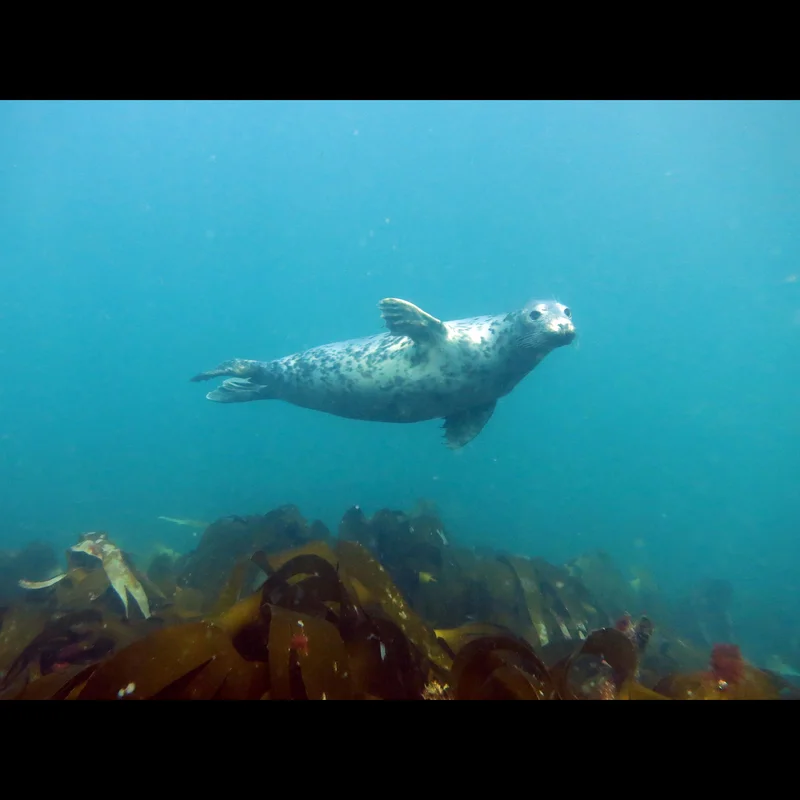
Marine environment at VHFC, United States, is known to host populations of seals and various cetaceans, including those sensitive to very high-frequency sounds. These marine mammals are actively monitored due to local maritime construction, indicating their regular presence within the area.
Divers might encounter these species traversing the waters, especially in calmer conditions or away from active work zones. While not a conventional marine park, emphasis on protecting these species during development highlights their significance to the ecosystem here.
Observing natural behaviors requires patience and adherence to all environmental guidelines to ensure minimal disturbance.
Dive Centers Near Vhfc
Today: 08:00 - 18:00

Nearest Airports
Nearest airports to help plan travel to this dive area.
Search Flights
Check available flights and routes on Expedia, using the nearby airports listed in this section.
Search Flights on Expedia
Plan Your Stay
Looking for a place to stay for your dive trip? Explore hotels, stays, and vacation rentals for dive groups near North Beach Haven.
Dive Navigator may earn a commission from these links at no extra cost to you.
Frequently Asked Questions
What is the best time of year to dive at VHFC?
The most favorable conditions generally occur in June and July, offering higher dive scores, warmer air temperatures around 24°C (75°F), and reduced wave heights. These months also see lower average rainfall.
Are there specific marine life to look out for at VHFC?
Yes, the area is home to seals and various cetaceans, particularly those with very high-frequency hearing, which are actively monitored due to nearby maritime activities. Encounters are possible, but divers should maintain respectful distances.
What kind of underwater structures might I see at VHFC?
Given the ongoing maritime development, divers may encounter infrastructure related to projects like pier and bulkhead construction. These could include submerged piles, existing structures, or areas where such work has recently occurred.
Are there any special safety considerations for diving at VHFC?
Yes, it's crucial to be aware of active construction zones and stringent marine mammal shutdown protocols. Always check for current notices to mariners and local dive operator advisories regarding access restrictions and operational areas to ensure safety.
Is water temperature information available for VHFC?
Specific historical water temperature data for VHFC is not consistently reported. Divers should prepare for temperate coastal water conditions, which can vary significantly with the season and typically call for appropriate thermal protection.
How do construction activities affect diving at VHFC?
Construction activities, especially pile driving, can create temporary access restrictions and affect water clarity. Dive plans must account for these operational periods and the associated marine mammal monitoring zones to ensure both diver and animal safety.
Planning to dive Vhfc?
Send one inquiry and receive offers directly from the best verified local dive operators.
Conditions are Good
Optimal conditions expected
Current conditions near Vhfc show 24° air, 23° sea temperature, 1.0 m waves, and 37 km/h wind. Forecast data is refreshed regularly to ensure accuracy.