
Diving at Wiggins Pass 4.5 Mile Reef (United States)
Wiggins Pass 4.5 Mile Reef, a hard bottom reef system, runs parallel to the beach within the Gulf of Mexico, off Delnor-Wiggins Pass State Park in Naples, Florida. This marine structure provides a distinct habitat, contrasting with the nearby dynamic outflow of the Cocohatchee River at Wiggins Pass. Access to the reef for divers is typically established closest to Area 2 of the park.
As evening covers Wiggins Pass 4.5 Mile Reef, the local air temperature is measured at 28.5°C. The current wave height at the surface is recorded at 0.1 m. These late-day readings characterize the surface conditions for the night.
Dive Site Location & Key Facts
Dive Site Overview
Exploring Wiggins Pass 4.5 Mile Reef allows divers to immerse themselves in the hard bottom ecosystems just off Florida's southwest coast. This recreational dive site presents a chance to witness a varied underwater landscape, with depths typically within the recreational range, though specific maximum depths are not consistently reported.
The site's character is shaped by its proximity to a barrier island and the Gulf's open waters, influencing conditions such as visibility and currents. While water temperatures are not explicitly documented in our internal data, they generally follow regional climate patterns, offering warmer conditions during the summer and milder temperatures in cooler months. Surface conditions during peak dive season (May-September) often feature calm wave heights averaging 0.3-0.5 m (1.0-1.6 ft), making for more comfortable boat access and entry.
Conditions are Good
Optimal conditions expected
Current conditions near Wiggins Pass 4.5 Mile Reef show 28° air, 31° sea temperature, 0.3 m waves, and 27 km/h wind. Forecast data is refreshed regularly to ensure accuracy.
Best Time to Dive
Optimizing your dive trip to Wiggins Pass 4.5 Mile Reef involves understanding its seasonal fluctuations. The months from May through September generally provide the most favorable diving conditions, often earning "Excellent" dive scores in our climate data. During this period, air temperatures are at their warmest, ranging from 26.5-28°C (80-82°F), with relatively low average wave heights and moderate rainfall. In contrast, the cooler months, such as January through April and October through December, still offer good diving opportunities, albeit with cooler air temperatures ranging from 17.5-25°C (64-77°F) and slightly increased wave heights, averaging 0.6-0.8 m (2.0-2.6 ft). While rain amounts are generally low during spring and fall, summer sees higher averages, which can sometimes impact visibility.
PEAK SEASON SCORE
Scores combine air & water temps, waves, wind & rainfall for overall conditions.
BEST MONTHS TO DIVE
Monthly records compiled from satellite and marine observation nodes over the last 3 years. Data provided by Open-Meteo and MET Norway.
Dive Experience & Conditions
Diving at Wiggins Pass 4.5 Mile Reef means preparing for dynamic conditions that can shift with the weather and tidal cycles. Current dynamics near the actual Wiggins Pass itself are known to be strong, and while the reef is in the Gulf, divers should remain vigilant of potential influences. Visibility in the reef area can vary significantly, often dependent on recent rainfall, offshore winds, and tidal exchanges carrying particulate matter from the Cocohatchee River. Water temperatures are not consistently reported for this specific site but typically range seasonally with air temperatures, from cooler winter lows to warmer summer highs. Most of the hard bottom reef structures are found within typical recreational diving depths, providing ample bottom time for exploration.
Dive Difficulty & Safety Guidelines
Ensuring a safe dive at Wiggins Pass 4.5 Mile Reef involves recognizing specific environmental challenges and adhering to park regulations. Strong currents are a notable feature within Wiggins Pass, where swimming is expressly prohibited due to deep water and hazardous conditions. Divers exploring the Gulf reef should exercise caution and be aware of these current dynamics, particularly when navigating to and from the site.
It's crucial to avoid designated swimming areas, which are buoyed off, and to respect fishing zones where vessel anchoring within 30 m (100 ft) of the pass is restricted. Maintaining proper buoyancy and exercising responsible diving practices are always advised.
Recommended Equipment
- Dive Computer
This gear list is based on verified equipment signals for Wiggins Pass 4.5 Mile Reef, United States. Always confirm final gear choices with your dive operator, guide, or liveaboard.
Recommended Dive Suit
Divers who spend more time observing marine life often prefer slightly warmer gear.
Divers exploring Wiggins Pass 4.5 Mile Reef today will likely encounter water temperatures close to 31°C (88°F). Surface air temperatures are resting at 28°C (83°F). Water temperatures in this range are often well suited to diving with dive skin or rash guard.
Environmental conditions may feel slightly cooler as the week progresses. Cooler days are ahead; you might want a warmer option for later in the week. A thicker wetsuit may be worth considering for extended dives.
Emergency & Medical Support
Essential information to help you plan your dive trip to Wiggins Pass 4.5 Mile Reef.

Hyperbaric chambers are a critical part of dive safety infrastructure. Availability varies significantly by region, and not all dive areas have immediate access.
Before diving, it's recommended to:
- confirm nearest medical facilities
- check emergency procedures with local dive operators
- ensure dive insurance covers evacuation if required
Divers Alert Network
Diving emergency assistance available through DAN World.
+1-919-684-9111- 24/7 emergency hotline
- Diving medical assistance
- Evacuation coordination
Emergency contacts are provided for reference. Always verify local emergency services before diving.
Marine Life at Wiggins Pass 4.5 Mile Reef
The Wiggins Pass 4.5 Mile Reef provides a diverse habitat for various Gulf species. Divers frequently observe different fish species sheltering among the hard bottom structures.
Notably, Delnor-Wiggins Pass State Park is a documented home to the loggerhead sea turtle, offering divers a chance to encounter these magnificent creatures traversing the reef. While live shelling is prohibited within the park, the reef's crevices and ledges support a variety of invertebrates.
Dive Centers Near Wiggins Pass 4.5 Mile Reef
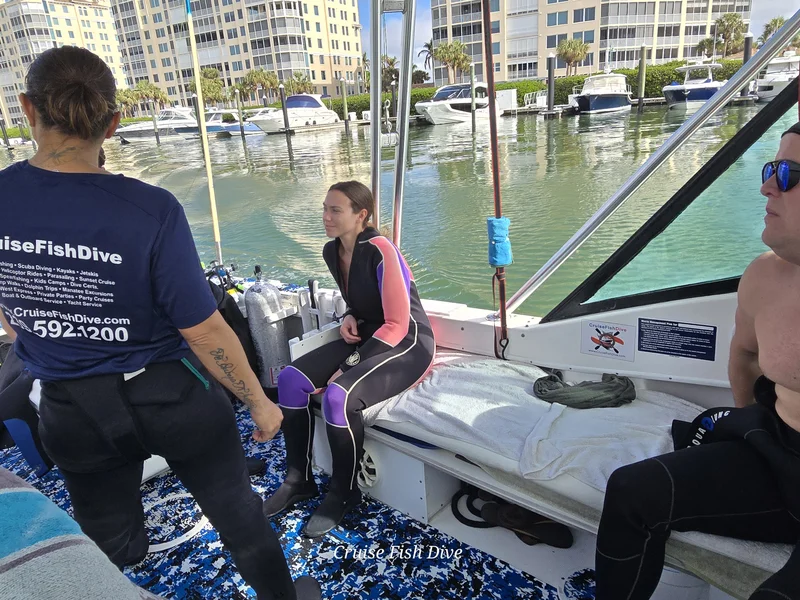
Today: 11:00 - 17:00

Nearest Airports
Nearest airports to help plan travel to this dive area.
Search Flights
Check available flights and routes on Expedia, using the nearby airports listed in this section.
Search Flights on Expedia
Plan Your Stay
Looking for a place to stay for your dive trip? Explore hotels, stays, and vacation rentals for dive groups near Naples Park.
Dive Navigator may earn a commission from these links at no extra cost to you.
Frequently Asked Questions
What type of reef is Wiggins Pass 4.5 Mile Reef?
Wiggins Pass 4.5 Mile Reef is identified as a hard bottom reef. This type of reef provides a solid substrate for marine life to colonize, differing from coral reefs in its primary geological composition.
Where is the reef located in relation to Delnor-Wiggins Pass State Park?
Located in the Gulf of Mexico, the reef runs parallel to the beach of Delnor-Wiggins Pass State Park. Divers typically access the closest area to the reef from the vicinity of Parking Area 2 within the park.
Are strong currents a concern when diving here?
Yes, strong currents are explicitly noted within Wiggins Pass itself, where swimming is not permitted. Divers exploring the reef in the adjacent Gulf should be mindful of these dynamic water movements, as conditions can vary.
What are the typical dive depths for the reef?
Specific maximum depths for Wiggins Pass 4.5 Mile Reef are not consistently reported. However, as a 'hard bottom reef' suitable for scuba diving, it generally falls within recreational diving depths, allowing for extended bottom times.
Can divers collect shells or marine life from the reef?
No, collecting live shells, including starfish and sand dollars, is strictly prohibited within Delnor-Wiggins Pass State Park. This regulation helps conserve the shell resources and protect the marine environment for future generations.
What kind of marine life might I see on the reef?
Serving as a habitat for various marine species, this reef attracts diverse life. Most notably, loggerhead sea turtles are known inhabitants of the Delnor-Wiggins Pass State Park area and may be sighted here. Divers can also expect to see a range of fish and invertebrate species typical of hard bottom Gulf environments.
Planning to dive Wiggins Pass 4.5 Mile Reef?
Send one inquiry and receive offers directly from the best verified local dive operators.
Conditions are Good
Optimal conditions expected
Current conditions near Wiggins Pass 4.5 Mile Reef show 28° air, 31° sea temperature, 0.3 m waves, and 27 km/h wind. Forecast data is refreshed regularly to ensure accuracy.