
Diving at William B Diggs (1934) (United States)
Clear water conditions typically greet divers at the William B. Diggs wreck, offering an accessible view of its wooden structure. Improved visibility, a notable change from past conditions, enhances exploration potential here. Known as the 'Green Light Blinker' due to a nearby navigation aid, the site's unique identifier helps orient divers.
As evening covers William B Diggs (1934), the local air temperature is measured at 21.5°C. The current wave height at the surface is recorded at 0.6 m. These late-day readings characterize the surface conditions for the night.
Dive Site Location & Key Facts
Dive Site Overview
A wooden-hulled barge, the William B. Diggs sank in 1934, now resting at a maximum depth of 13.7 m (45 ft).
This wreck stands as an ideal entry point for new New Jersey wreck divers or for student certifications. Its structure, though simple, provides numerous holes and overhangs that harbor a variety of marine life; these features invite closer inspection from divers. Exploring the remains often reveals various cold water coral formations clinging to surfaces, alongside clusters of mussels.
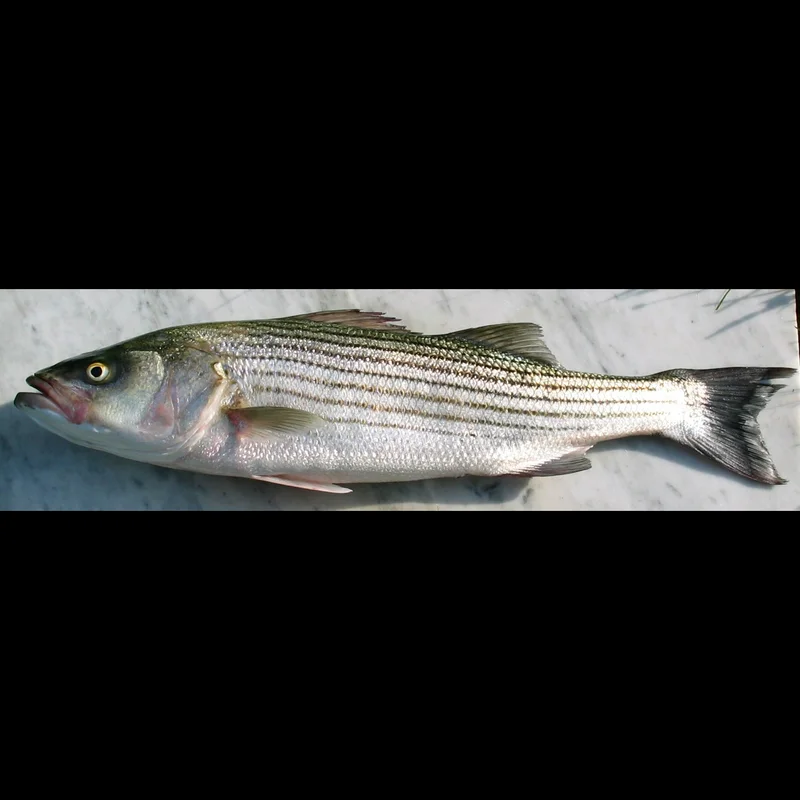
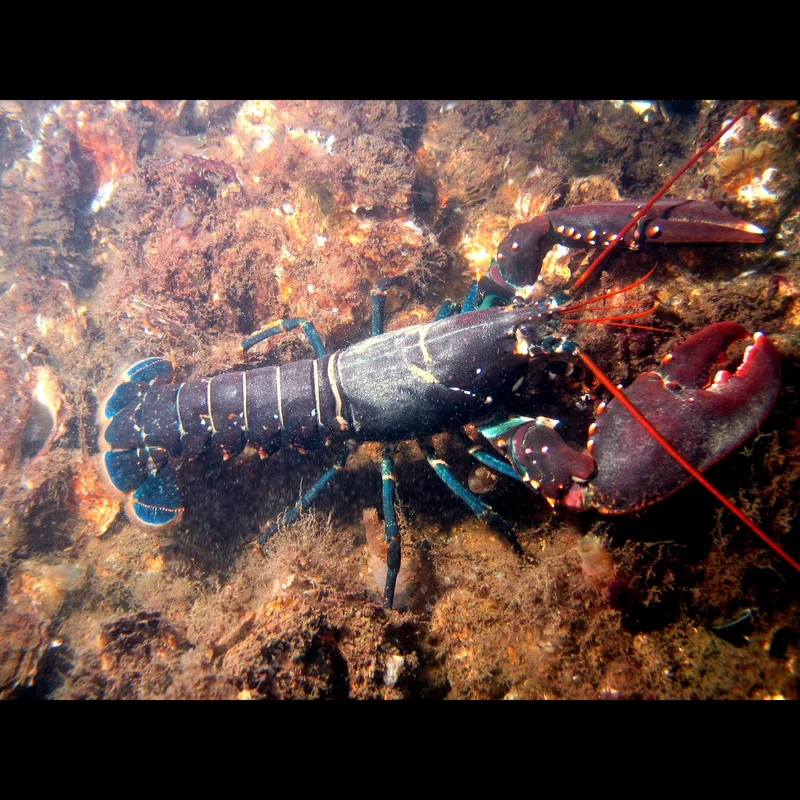
Divers can anticipate encountering black sea bass, often seen darting through the wreckage. Lobster are also frequently observed sheltering within its many crevices, requiring an observant eye to spot them.
A recreational depth range allows for extended bottom times, fostering a relaxed exploration atmosphere without the pressures of deeper sites. Improved water clarity over the years has made the William B.
Diggs a consistently inviting dive, encouraging discovery of its resident creatures and the general layout of the barge.
Conditions are Good
Optimal conditions expected
Current conditions near William B Diggs (1934) show 22° air, 24° sea temperature, 1.0 m waves, and 30 km/h wind. Forecast data is refreshed regularly to ensure accuracy.
Best Time to Dive
Planning a dive to the William B. Diggs is best during the summer and early autumn months, when conditions are most favorable. July and August typically offer the highest air temperatures, reaching around 25.5°C (78°F), and generally calmer surface conditions with minimal wave heights, averaging 0.9 m (3.0 ft). Wind speeds are also at their lowest during this period, enhancing overall comfort for boat travel and pre-dive preparations. While diving scores remain 'Good' through October and November, these months see air temperatures beginning to drop, ranging from 16°C (61°F) in October to 10.5°C (51°F) in November. Rainfall, consistently low throughout the year, doesn't significantly impact dive planning, but colder air and choppier conditions during winter and early spring (January-May) can make the experience less appealing.
PEAK SEASON SCORE
Scores combine air & water temps, waves, wind & rainfall for overall conditions.
BEST MONTHS TO DIVE
Monthly records compiled from satellite and marine observation nodes over the last 3 years. Data provided by Open-Meteo and MET Norway.
Dive Experience & Conditions
Descending upon the William B. Diggs, divers are met with a clear water environment, allowing good appreciation of the wooden barge's remains. It's a comfortable experience, often utilized for student dives given its manageable maximum depth of 13.7 m (45 ft). The wreck’s structure provides plenty of nooks and crannies to investigate, creating a feeling of active discovery. Divers often report finding black sea bass navigating the wreckage, while vibrant cold water coral and mussels cling to the various surfaces. Peering into the numerous holes and overhangs reveals where lobsters patiently lurk. It's a site that rewards careful observation and offers ample opportunities for underwater photography or simply enjoying the marine life.
Dive Difficulty & Safety Guidelines
While diving the William B. Diggs is generally considered suitable for students and those new to wreck diving, adherence to standard safety protocols remains essential. The site's wooden hull, though largely intact, presents numerous openings and potential overhead environments where divers should remain mindful of their buoyancy and entanglement risks, particularly around any loose debris.
Always dive within your certification limits. Given the region's climate, waters can be cool; proper thermal protection is crucial to prevent hypothermia, even during warmer months.
As with all wreck dives, a thorough buddy check and dive plan are paramount, ensuring clear communication and readiness for any unforeseen circumstances.
Recommended Equipment
- Dive Computer
This gear list is based on verified equipment signals for William B Diggs (1934), United States. Always confirm final gear choices with your dive operator, guide, or liveaboard.
Recommended Dive Suit
Environmental conditions are expected to remain consistent in the short-term outlook.
Even in warm destinations, extended dives can gradually draw heat away from the body.
Exposure protection such as 3mm wetsuit is commonly used when diving in waters of this temperature. Surface intervals may feel cooler. The surrounding waters at William B Diggs (1934) are currently registering temperatures of roughly 24°C (75°F). Surface air temperatures are resting at 22°C (71°F).
Due to technical issues with our weather providers, data hasn't been fetched for over 48 hours. The data above reflects the conditions at the time of the last successful fetch.
Emergency & Medical Support
Essential information to help you plan your dive trip to William B Diggs (1934).

Hyperbaric chambers are a critical part of dive safety infrastructure. Availability varies significantly by region, and not all dive areas have immediate access.
Before diving, it's recommended to:
- confirm nearest medical facilities
- check emergency procedures with local dive operators
- ensure dive insurance covers evacuation if required
Divers Alert Network
Diving emergency assistance available through DAN World.
+1-919-684-9111- 24/7 emergency hotline
- Diving medical assistance
- Evacuation coordination
Emergency contacts are provided for reference. Always verify local emergency services before diving.
Marine Life at William B Diggs (1934)
The William B. Diggs provides a habitat rich with distinct cold water species. Divers will find the wreck adorned with cold water coral and mussels, creating a vibrant ecosystem on the sunken structure.
Black sea bass are a common sight, navigating the various sections of the barge. Lobsters are a particular draw, often found sheltering in the numerous holes and overhangs, making it a productive spot for observant divers looking to spot these crustaceans.

Dive Centers Near William B Diggs (1934)
Nearest Airports
Nearest airports to help plan travel to this dive area.
Search Flights
Check available flights and routes on Expedia, using the nearby airports listed in this section.
Search Flights on Expedia
Plan Your Stay
Looking for a place to stay for your dive trip? Explore hotels, stays, and vacation rentals for dive groups near North Wildwood.
Dive Navigator may earn a commission from these links at no extra cost to you.
Frequently Asked Questions
What type of vessel is the William B. Diggs?
A wooden-hulled barge, the William B. Diggs sank in 1934. Its historical structure continues to offer an interesting dive site.
What is the maximum depth of the William B. Diggs wreck?
The wreck rests at a maximum depth of 13.7 m (45 ft). This shallow depth makes it accessible for various certification levels.
Is the William B. Diggs suitable for new wreck divers?
Yes, it is often utilized for student dives and is considered a great site for those new to New Jersey wreck diving due to its manageable depth and generally clear conditions.
What kind of marine life can divers expect to see at the site?
Divers can expect to encounter cold water coral, mussels, and black sea bass. Lobsters are also frequently observed seeking shelter within the wreck's many holes and overhangs.
What are the typical water conditions like at the William B. Diggs?
Today, the water over the wreck is generally clear, which has improved significantly since the mid-eighties. While specific water temperatures are not consistently reported, the presence of 'cold water coral' indicates cooler conditions.
When is the best time to dive the William B. Diggs?
The best time to dive is typically during the summer months of June, July, and August, when air temperatures are highest and wave heights and wind speeds are generally at their lowest, providing the most comfortable surface conditions.
Why is the wreck also known as the 'Green Light Blinker'?
The William B. Diggs is frequently referred to as the 'Green Light Blinker' because of a navigation aid that is located nearby the wreck site.
Planning to dive William B Diggs (1934)?
Send one inquiry and receive offers directly from the best verified local dive operators.
Conditions are Good
Optimal conditions expected
Current conditions near William B Diggs (1934) show 22° air, 24° sea temperature, 1.0 m waves, and 30 km/h wind. Forecast data is refreshed regularly to ensure accuracy.