
Diving at Wreck of the Islander (United States)
Resting in the St. Lawrence River near Alexandria Bay, the Wreck of the Islander offers a compelling underwater exploration. This historic vessel provides a unique destination for certified divers, combining intriguing structural features with accessible conditions. Divers find this site suitable for photography and observing marine life, making it a distinctive experience within the region's diverse dive offerings. Its accessible shore entry further distinguishes it.
Recent updates for Wreck of the Islander show an air temperature measuring 18.5°C. Overall water conditions reflect the typical seasonal state for United States. Please exercise standard safety precautions before entering the water.
Dive Site Location & Key Facts
Dive Site Overview
Holding the remnants of a historic vessel off the USA East coast, the Wreck of the Islander offers divers a tangible opportunity to engage with underwater history. Situated within Alexandria Bay on the U.S. side of the St. Lawrence River, its position makes it a key destination for exploring freshwater wrecks.
Descending to a maximum depth of 30 m (100 ft), the site is suitable for intermediate to advanced divers who possess the necessary experience for deeper explorations. A typical dive here averages around 40 minutes, allowing ample time to thoroughly explore the ship's features and the immediate surrounding environment. Primarily, the wreck rests on a mix of sand and rubble, forming a stable yet varied foundation for new ecosystems.
These bottom conditions also contribute to the ecological niche the wreck now provides for various aquatic life. Accessing the site is straightforward, as it does not require special permits, simplifying logistics for those eager to explore its depths and historical significance.
Exploring the structural components of the ship, divers can observe how the vessel has become an integrated part of the river's underwater landscape, offering both historical intrigue and a developing artificial reef ecosystem. Navigating around the hull and superstructure reveals details of its past life, now transformed by time and the aquatic environment.
Encountering this site provides a compelling narrative for those who appreciate maritime history and the natural processes of a freshwater wreck.
Conditions are Excellent
07:00 - 14:00
Optimal conditions expected
Current conditions near Wreck of the Islander show 18° air, --° sea temperature, N/A waves, and 15 km/h wind. Forecast data is refreshed regularly to ensure accuracy.
Best Time to Dive
Planning a dive at the Islander wreck becomes most rewarding between May and October, aligning with the site's reported best months. During this period, summer water temperatures generally range from 20-26°C (68-79°F), offering comfortable conditions for extended bottom times. Air temperatures also warm considerably, with July and August averaging around 22-20°C (72-68°F), creating a pleasant surface environment. May and June see air temperatures climb from 13°C to 19°C (55°F to 66°F), while September and October maintain milder air at 18°C to 12°C (64°F to 53°F). This seasonal window typically presents stable weather and optimal dive scores, enhancing the overall underwater experience at the wreck.
PEAK SEASON SCORE
Scores combine air & water temps, waves, wind & rainfall for overall conditions.
BEST MONTHS TO DIVE
Monthly records compiled from satellite and marine observation nodes over the last 3 years. Data provided by Open-Meteo and MET Norway.
Dive Experience & Conditions
Descending upon the Islander, divers encounter water with visibility typically ranging from 10 to 20 m (30 to 65 ft), allowing for good views of the wreck's expanse. Currents at the site are generally mild, easing navigation around the historical structure. However, divers should be prepared for moderate surge, which can add a dynamic element to the experience. Water temperatures vary significantly with the seasons; summer brings a more comfortable 20-26°C (68-79°F), while winter conditions are considerably cooler, often between 5-15°C (41-59°F). The wreck rests on a mix of sand and rubble bottom, where its remains create intricate exploration paths. This site is considered intermediate to advanced, requiring a foundational understanding of wreck diving.
Dive Difficulty & Safety Guidelines
Approach the Wreck of the Islander with appropriate training and a clear understanding of its characteristics. Certification for intermediate to advanced divers is recommended, given the moderate surge and the potential for navigation within the wreck's structure. While currents are generally mild, situational awareness remains crucial throughout the dive.
Always carry a reliable flashlight, especially for illuminating the darker interior sections or under ledges of the wreck. Although no specific hazards were reported for the Islander itself, general wreck diving practices suggest vigilance for potential entanglement from fishing lines that might accumulate over time on any popular wreck site. No permits are required for diving here.
Recommended Equipment
- Dive Computer
This gear list is based on verified equipment signals for Wreck of the Islander, United States. Always confirm final gear choices with your dive operator, guide, or liveaboard.
Recommended Dive Suit
Because recent water temperature readings are not available for Wreck of the Islander, the guidance below is based mainly on current air conditions and seasonal expectations. Current surface air temperatures are roughly 18°C (65°F).
Longer-range forecasts show some uncertainty in upcoming temperature trends. A significant temperature drop is forecast; strongly suggest bringing a backup warmer suit option. A neoprene vest or hood can add flexibility if temperatures feel cooler underwater.
Based on regional estimates and current weather, the likely required exposure protection is a 5mm or thicker wetsuit. Note that local currents and upwellings can alter this. Surface intervals may feel cooler. Dive depth and duration can significantly affect perceived warmth. Divers planning trips later in the week may want to consider bringing a slightly warmer suit.
Emergency & Medical Support
Essential information to help you plan your dive trip to Wreck of the Islander.

Hyperbaric chambers are a critical part of dive safety infrastructure. Availability varies significantly by region, and not all dive areas have immediate access.
Before diving, it's recommended to:
- confirm nearest medical facilities
- check emergency procedures with local dive operators
- ensure dive insurance covers evacuation if required
Divers Alert Network
Diving emergency assistance available through DAN World.
+1-919-684-9111- 24/7 emergency hotline
- Diving medical assistance
- Evacuation coordination
Emergency contacts are provided for reference. Always verify local emergency services before diving.
Marine Life at Wreck of the Islander
Beneath the surface, the Islander's structure acts as an artificial reef, attracting a variety of marine species. Divers can observe fish inhabiting the wreck, utilizing its features for shelter and foraging.
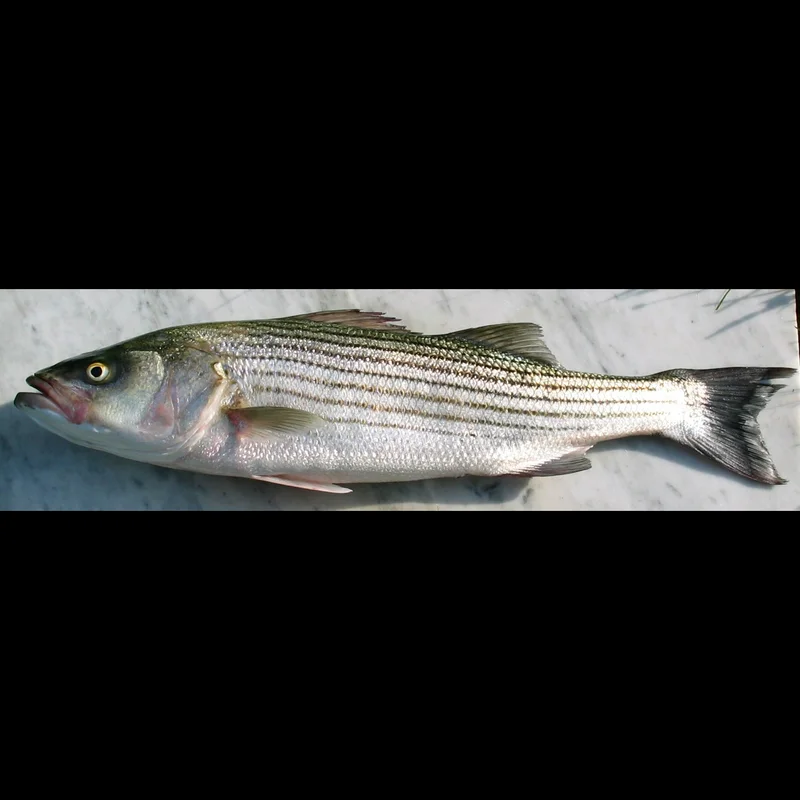
Common sightings include species like catfish, trout, and bass. Occasionally, divers might even spot salmon navigating these waters.
The site's environment, combining structural remains with sandy and rubble patches, supports this localized ecosystem, offering consistent opportunities to observe these aquatic residents.

Dive Centers Near Wreck of the Islander
Today: Open 24 hours

Nearest Airports
Nearest airports to help plan travel to this dive area.
Search Flights
Check available flights and routes on Expedia, using the nearby airports listed in this section.
Search Flights on Expedia
Plan Your Stay
Looking for a place to stay for your dive trip? Explore hotels, stays, and vacation rentals for dive groups near Alexandria Bay.
Dive Navigator may earn a commission from these links at no extra cost to you.
Frequently Asked Questions
What is the maximum depth of the Wreck of the Islander?
The Wreck of the Islander reaches a maximum depth of 30 m (100 ft), making it suitable for divers with intermediate to advanced certification levels.
What are the typical visibility conditions at this dive site?
Visibility at the Wreck of the Islander typically ranges from 10 to 20 m (30 to 65 ft). Conditions can vary based on weather and seasonal factors, but this range is generally expected.
Is shore entry possible for this wreck dive?
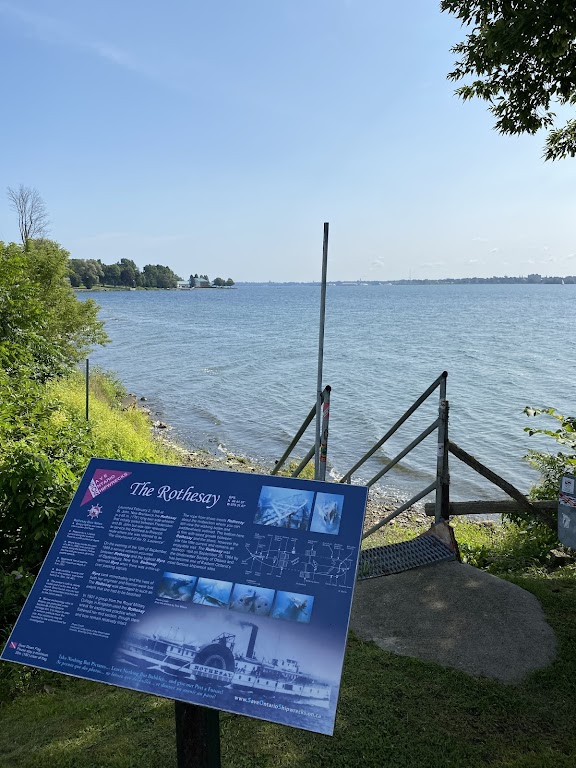
Yes, the Wreck of the Islander is noted for its accessibility from shore. There is even a dedicated dive park in Alexandria Bay that assists divers with staging their dives.
What kind of marine life can divers expect to encounter?
Divers exploring the Islander wreck can expect to see a variety of marine species. Commonly observed fish include catfish, trout, and bass, with possible sightings of salmon.
Are there strong currents at the Wreck of the Islander?
Currents at the Wreck of the Islander are generally described as mild. However, divers should be aware that moderate surge can be present, requiring attention during the dive.
What is the recommended certification level for diving this wreck?
An intermediate to advanced certification level is recommended for divers visiting the Wreck of the Islander. This ensures divers have the necessary skills for wreck exploration and potential moderate surge.
Are permits required to dive the Wreck of the Islander?
No, permits are not required for diving the Wreck of the Islander. This simplifies logistics for divers planning a visit to the site.
Planning to dive Wreck of the Islander?
Send one inquiry and receive offers directly from the best verified local dive operators.
Conditions are Excellent
07:00 - 14:00
Optimal conditions expected
Current conditions near Wreck of the Islander show 18° air, --° sea temperature, N/A waves, and 15 km/h wind. Forecast data is refreshed regularly to ensure accuracy.