
Diving at Cemetery Bay (Vietnam)
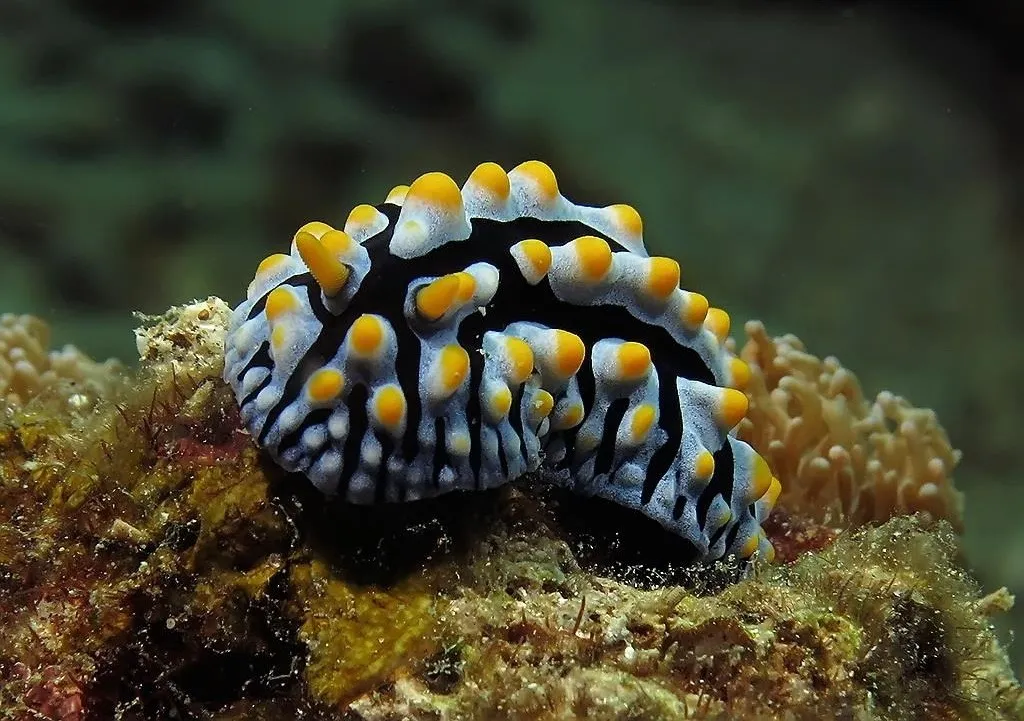
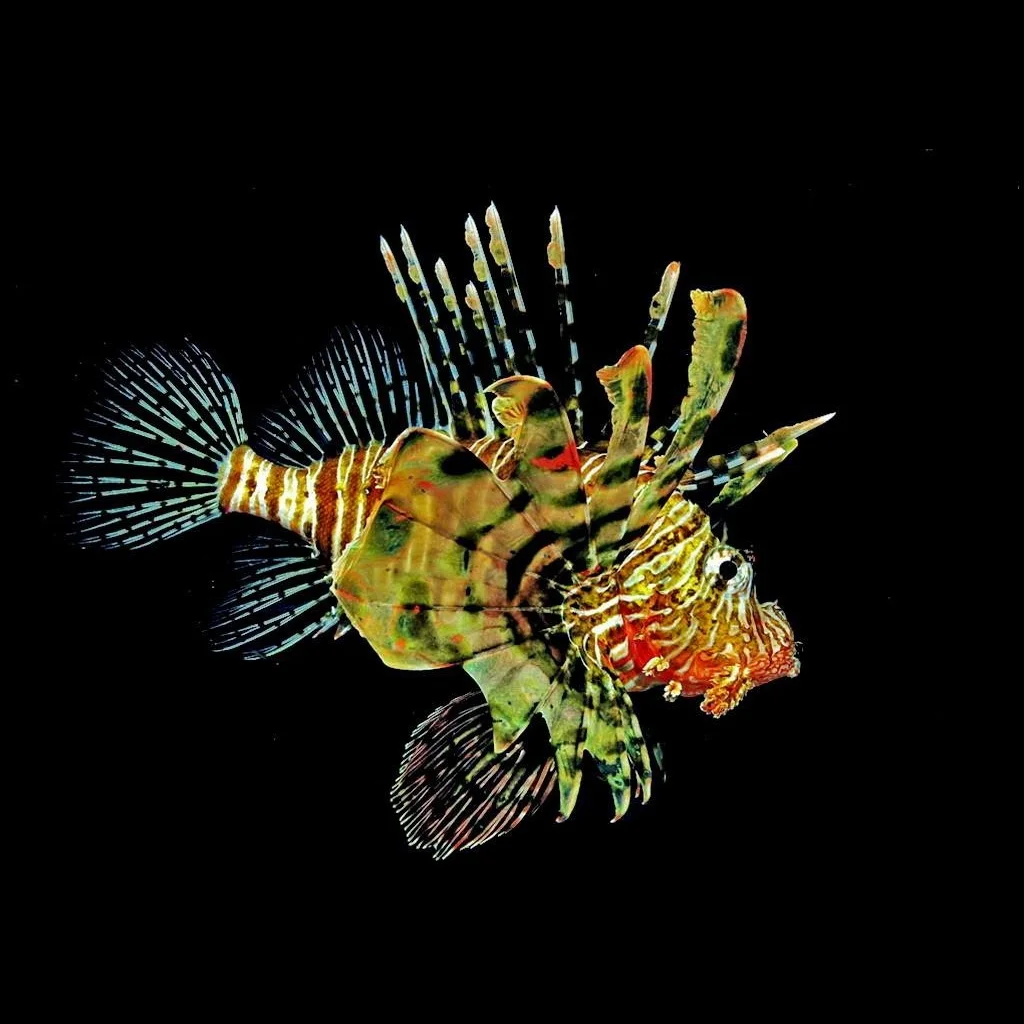
Cemetery Bay in Nha Trang provides a straightforward yet rewarding dive, excellent for observing smaller marine life and established structures. Divers can anticipate sightings of lionfish, nudibranchs, and sea anemones. An artificial reef at the site serves as a focal point for biodiversity, creating a compact habitat within a largely sandy and rocky environment. It proves a solid spot for observing macro life and reef interactions without extreme depths.
As evening covers Cemetery Bay, the local air temperature is measured at 28°C. The current wave height at the surface is recorded at 0.3 m. These late-day readings characterize the surface conditions for the night.
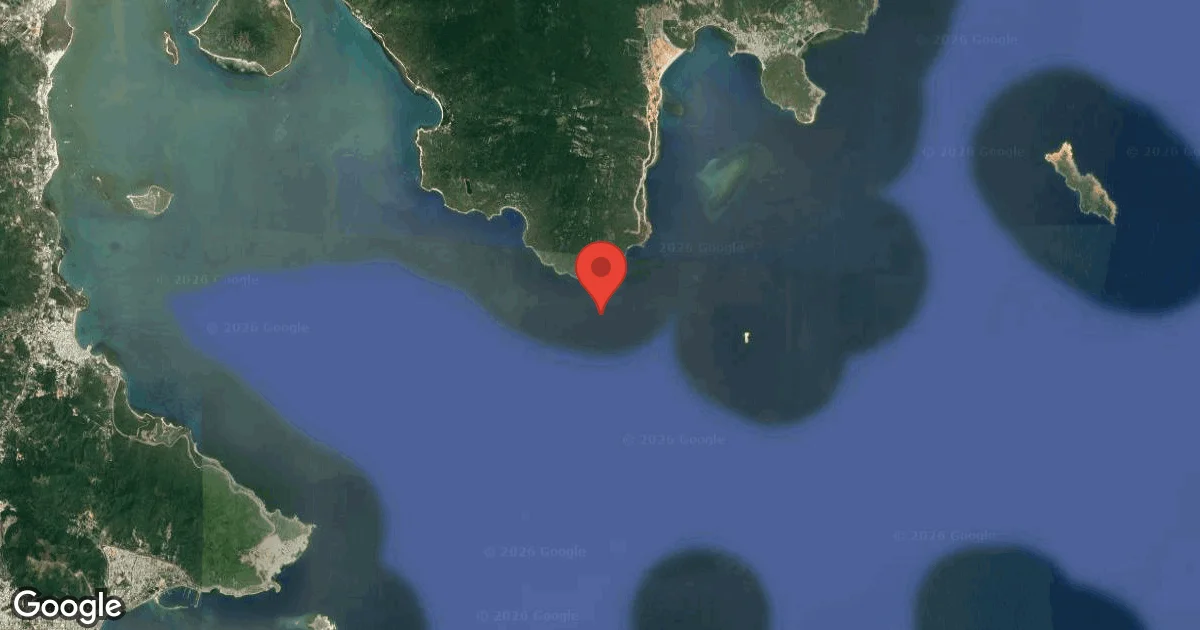
Dive Site Location & Key Facts
Dive Site Overview
Descending into Cemetery Bay provides a gentle introduction to Nha Trang's underwater topography, appealing to various dive skill levels. Seafloor features a gradual descent, transitioning from expansive sandy patches to more rugged rocky outcrops.
This varied bottom composition creates distinct microhabitats, inviting observation of different species interacting with preferred substrates. A prominent artificial reef anchors the central part of the bay, functioning as a vital hub for marine activity. Designed to foster biodiversity, the structure provides ample crevices and surfaces for invertebrates and fish, adding significant structural complexity to the predominantly open environment.
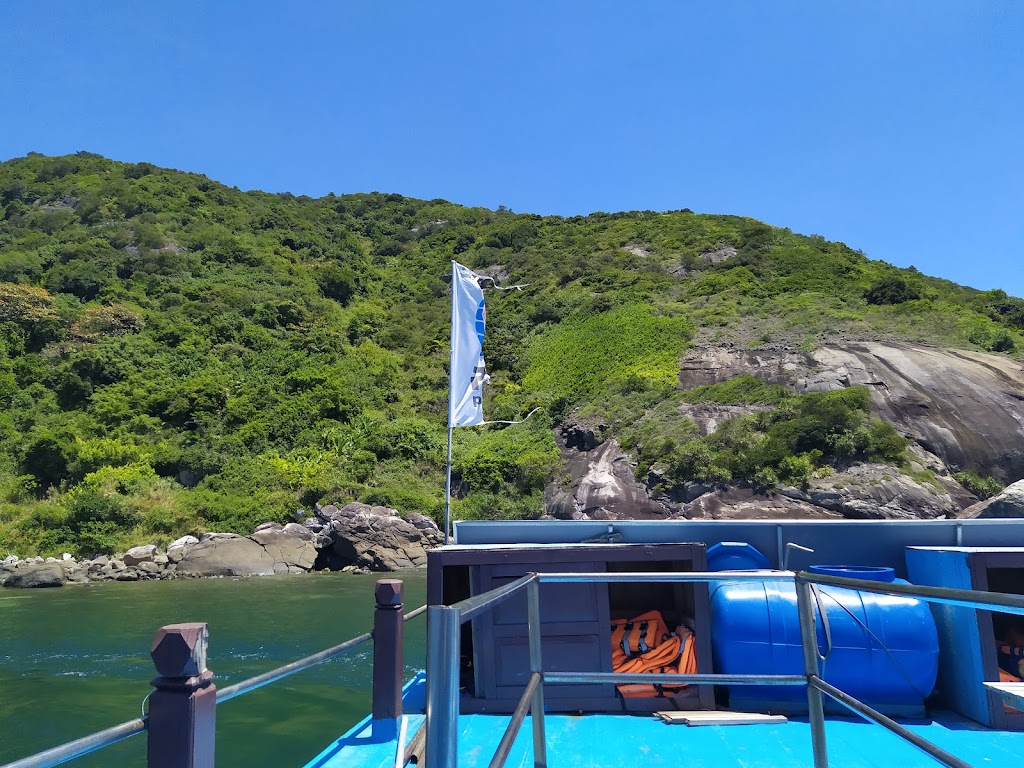
East of the bay, divers will encounter smaller kelp formations, which contribute further to the local ecosystem and offer additional areas for exploration and spotting macro life. Site access is primarily by boat, facilitating direct entry onto the main dive features.
Maximum depth is 15 m (49 ft), an excellent choice for open water certifications, training dives, and photographers seeking extended bottom time in shallower waters. Cemetery Bay typically offers a tranquil diving environment, largely sheltered from stronger offshore currents.
Such inherent calm allows for relaxed observation of underwater features and its inhabitants, enhancing the overall dive experience. Divers can expect relatively easy navigation, focusing on discovery rather than challenging conditions, which contributes to its broad appeal.
Conditions are Good
Optimal conditions expected
Current conditions near Cemetery Bay show 28° air, 29° sea temperature, 0.4 m waves, and 24 km/h wind. Forecast data is refreshed regularly to ensure accuracy.
Best Time to Dive
Planning a dive at Cemetery Bay benefits from understanding its seasonal shifts, with conditions varying notably throughout the year. May through September is generally considered excellent for diving, characterized by warmer air temperatures, often peaking around 29.5°C (85°F), and minimal rainfall, averaging around 2-3 mm. During these months, wave heights are typically lower, often around 0.4-0.5 m (1.3-1.6 ft), and wind speeds are lighter. In contrast, November and December present more moderate conditions. Air temperatures might average between 25-25.5°C (77-78°F), but rainfall increases significantly to 7-10 mm. Wave heights can rise to over 1 m (3.3 ft), accompanied by stronger winds, potentially impacting surface comfort and visibility. Water temperature data is not consistently reported for this specific site, but generally follows regional trends.
PEAK SEASON SCORE
Scores combine air & water temps, waves, wind & rainfall for overall conditions.
BEST MONTHS TO DIVE
Monthly records compiled from satellite and marine observation nodes over the last 3 years. Data provided by Open-Meteo and MET Norway.
Dive Experience & Conditions
Entering the waters of Cemetery Bay, divers encounter a distinct blend of sandy and rocky seafloor, gradually sloping to its maximum depth. An artificial reef, serving as the main attraction, offers a structured element to navigate, fostering a sense of discovery as you explore its nooks. Patches of kelp toward the eastern edge of the bay add to the textural variety of the underwater environment. Such a combination creates a dynamic yet accessible dive. Visibility conditions vary depending on local weather patterns and recent rainfall, but the generally sheltered nature of the bay can contribute to clearer experiences on calmer days. A relatively shallow profile, with a maximum depth of 15 m (49 ft), provides ample bottom time for observation and photography.
Dive Difficulty & Safety Guidelines
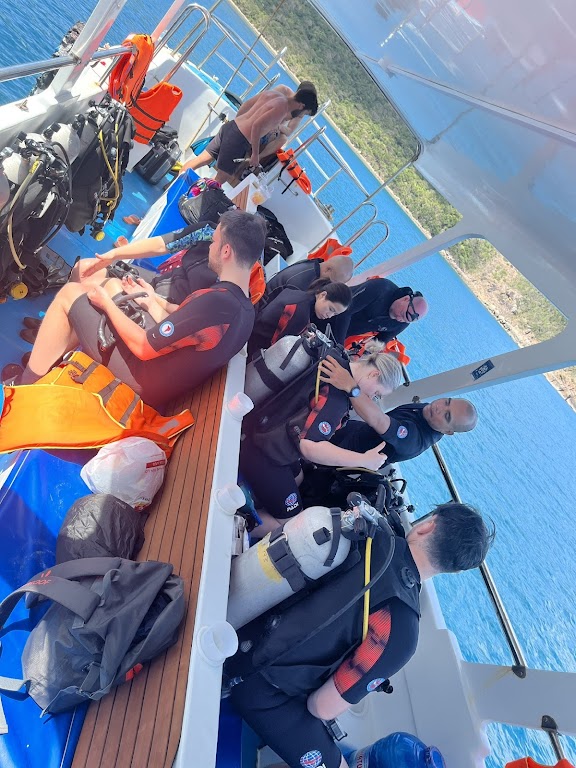
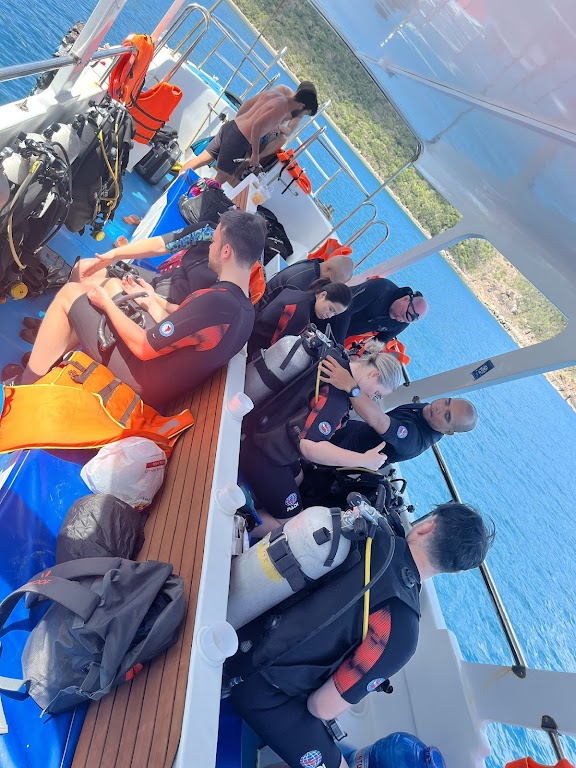
Approaching Cemetery Bay requires standard dive planning and an awareness of the site's characteristics. As a primarily boat-entry site, divers should ensure proper procedures for boat diving are followed, including managing entry and exit points safely. While specific hazards are not consistently reported for this location, always be mindful of typical reef environment considerations.
Maintaining neutral buoyancy is crucial to protect the artificial reef and any existing natural corals. Given the presence of lionfish, maintaining a respectful distance from marine life is always a prudent practice. Always dive within your certification limits and stay aware of your dive buddy.
Recommended Equipment
- Dive Computer
- DSMB
This gear list is based on verified equipment signals for Cemetery Bay, Vietnam. Always confirm final gear choices with your dive operator, guide, or liveaboard.
Recommended Dive Suit
Subtle variations in currents or depth can sometimes influence perceived water temperature.
Dive skin or rash guard tends to perform well in water temperatures like those currently observed here. Short-term weather patterns suggest stable conditions for divers visiting the area.
Divers heading to Cemetery Bay today should expect water temperatures around 29°C (84°F). Surface air temperatures are resting at 28°C (83°F).
Emergency & Medical Support
Essential information to help you plan your dive trip to Cemetery Bay.

Hyperbaric chambers are a critical part of dive safety infrastructure. Availability varies significantly by region, and not all dive areas have immediate access.
Before diving, it's recommended to:
- confirm nearest medical facilities
- check emergency procedures with local dive operators
- ensure dive insurance covers evacuation if required
Divers Alert Network
Diving emergency assistance available through DAN World.
+1-919-684-9111- 24/7 emergency hotline
- Diving medical assistance
- Evacuation coordination
Emergency contacts are provided for reference. Always verify local emergency services before diving.
Marine Life at Cemetery Bay
A range of marine life thrives in Cemetery Bay's underwater landscape, particularly around its central artificial reef. The structure offers shelter and foraging grounds, making it a reliable spot for observing common sightings like lionfish, often perched among the reef's crevices.
Nudibranchs, with their vibrant colors, can be found delicately moving across the reef and substrate. Sea anemones, a key feature from site data, sway gently, offering homes to various small commensal species.
Patches of kelp east of the bay also contribute to a diverse habitat, attracting additional species and micro-organisms.

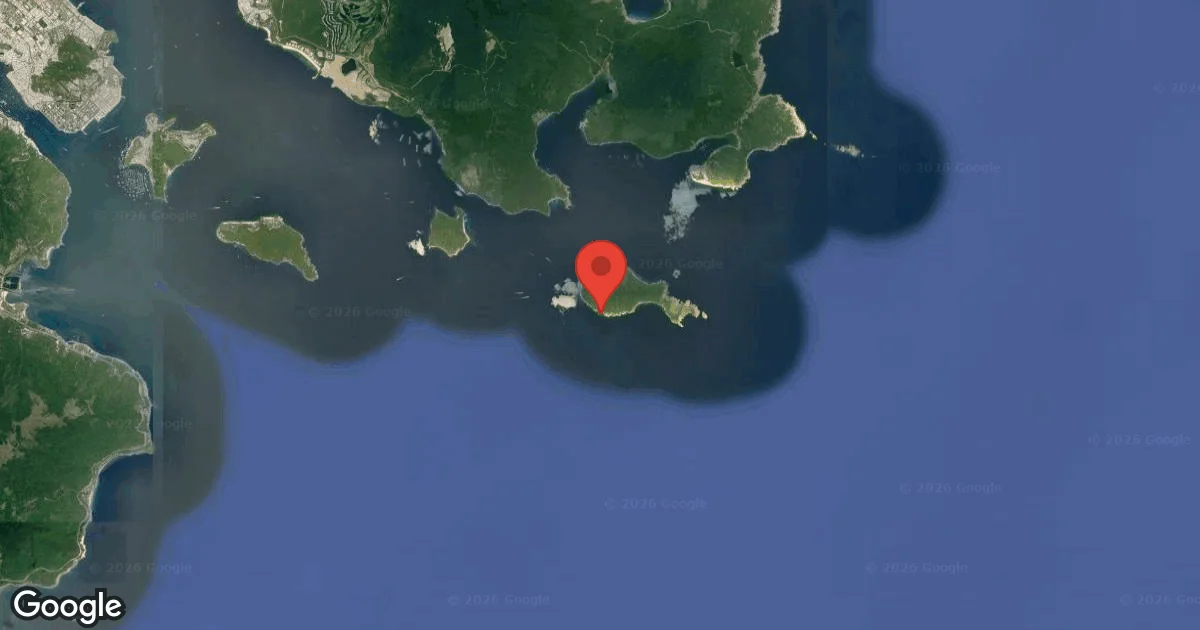
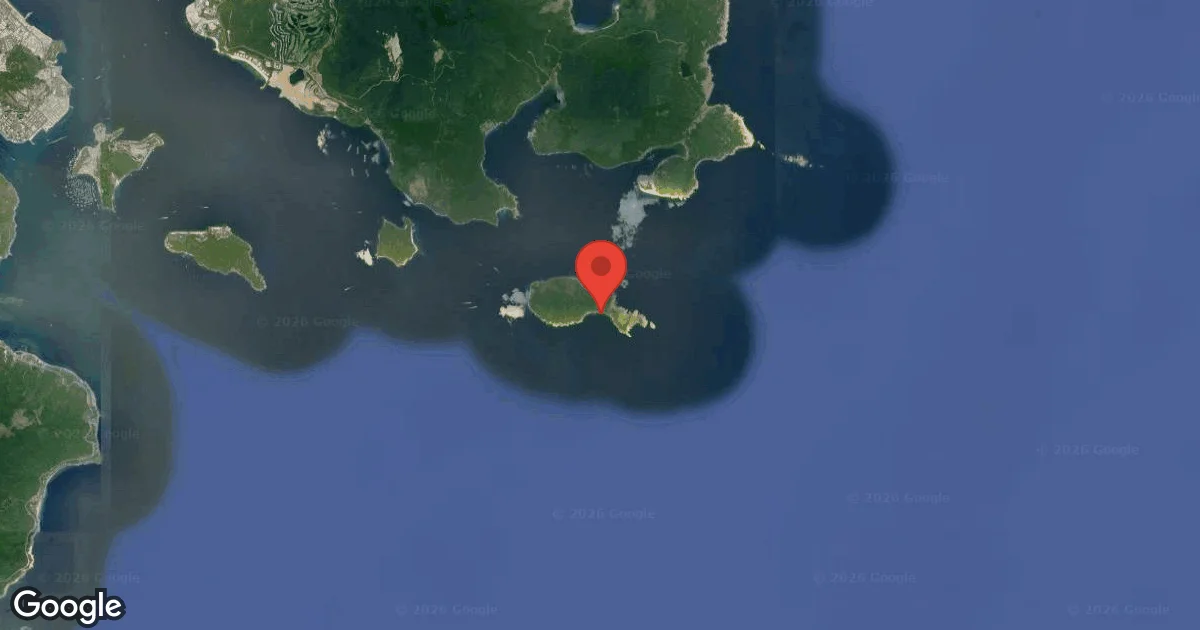
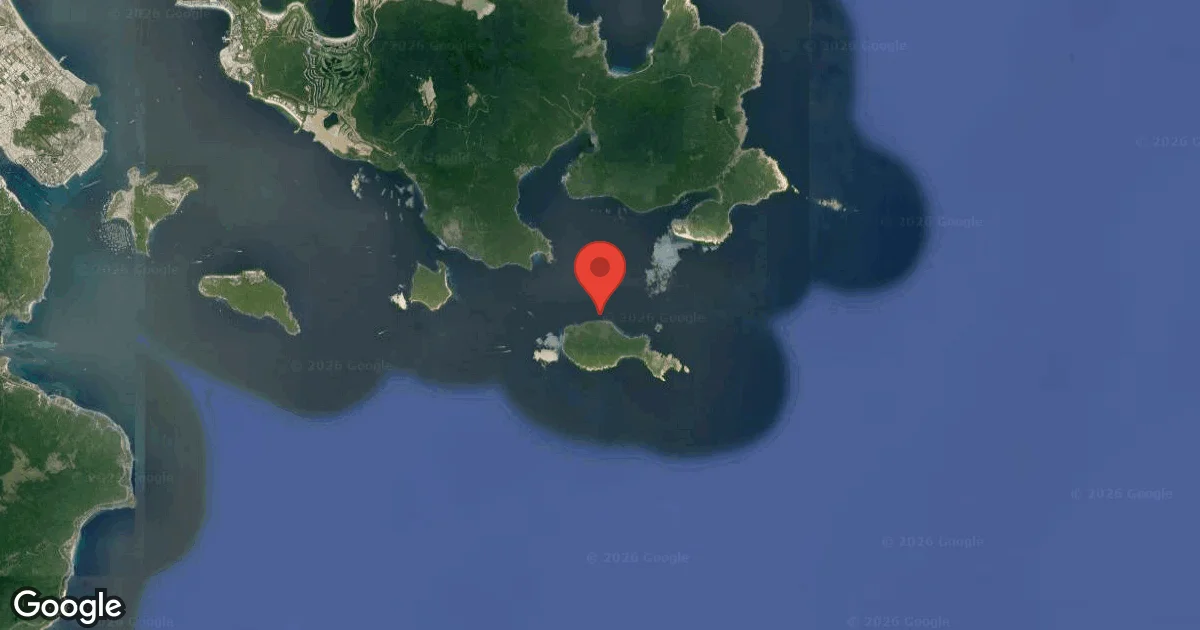
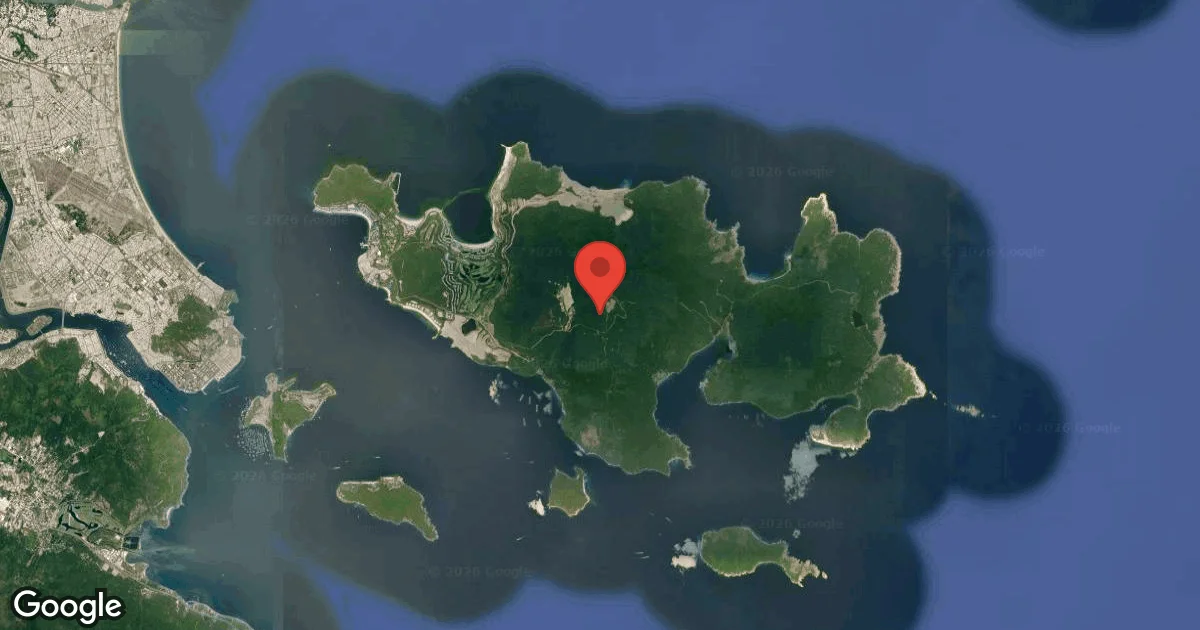
Dive Sites Near Cemetery Bay
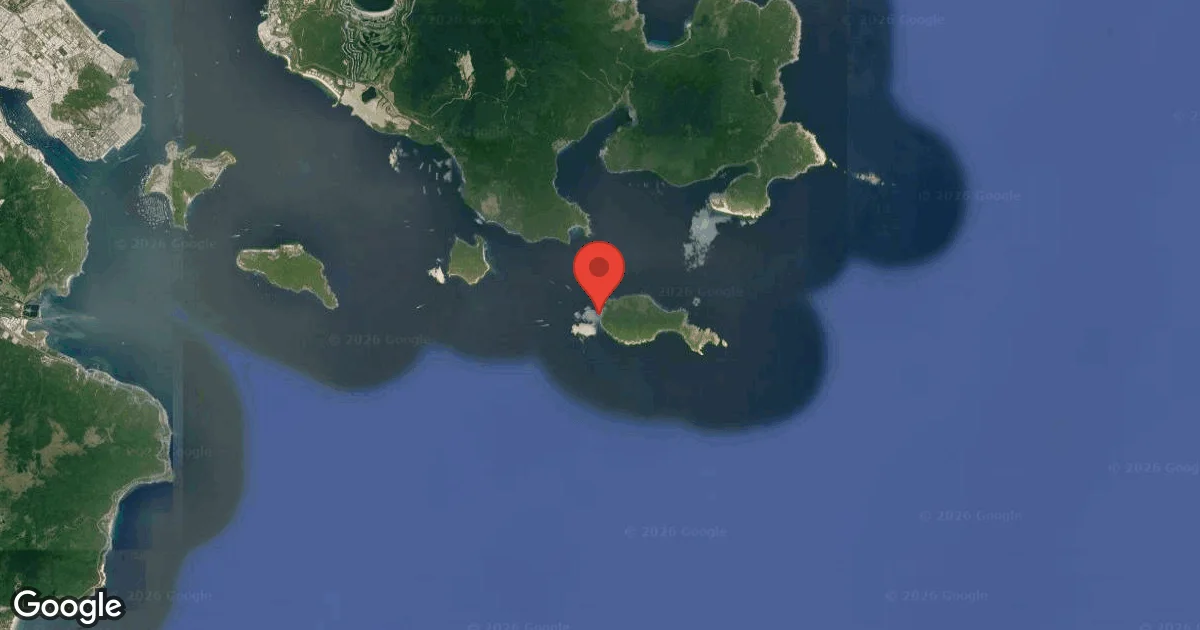
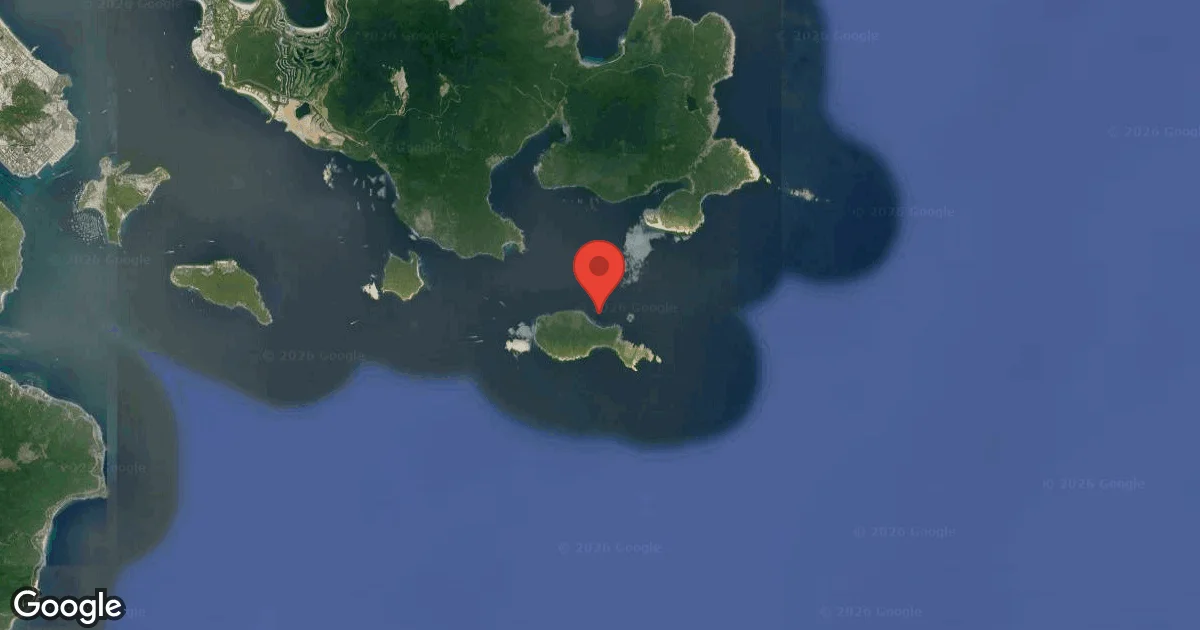
View all dive sites in VietnamDiscover more underwater gems in this area.
Dive Centers Near Cemetery Bay
Today: 09:00 - 21:00
Nearest Airports
Nearest airports to help plan travel to this dive area.
Search Flights
Check available flights and routes on Expedia, using the nearby airports listed in this section.
Search Flights on ExpediaFrequently Asked Questions
What is the maximum depth at Cemetery Bay?
Maximum depth recorded for Cemetery Bay is typically around 15 meters (49 feet). This makes it an accessible site for divers of various experience levels, including those with entry-level certifications. The relatively shallow profile allows for extended bottom times.
What type of dive site is Cemetery Bay?
Cemetery Bay is characterized as a beach and reef dive site. It features a sandy and rocky bottom, with a significant artificial reef at its center. This combination offers a blend of natural and man-made structures for exploration.
What marine life can divers expect to see?
Divers commonly encounter marine life such as lionfish, nudibranchs, and sea anemones. The artificial reef acts as a magnet for these species, providing shelter and feeding opportunities. Look closely around the reef and kelp patches for macro organisms.
How is the dive site typically accessed?
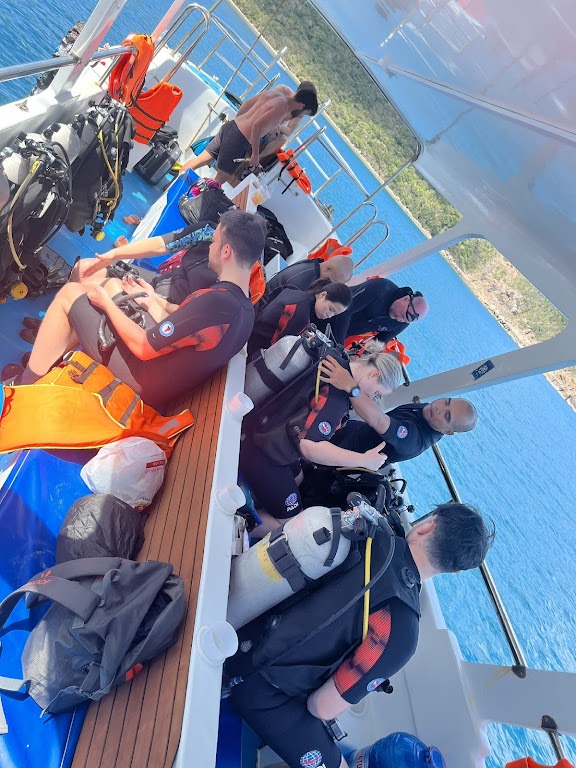
Cemetery Bay is primarily accessed by boat. Divers are usually transported from shore to the dive site, which allows for convenient entry directly over the main features of the bay. Entry from the beach is also possible in some conditions.
Are there any unique features at the site?
A key unique feature of Cemetery Bay is its artificial reef, centrally positioned within the site. This structure offers a focal point for marine activity and exploration. Additionally, some kelp formations can be found east of the bay, adding further ecological interest.
What are the best months for diving here?
Best months for diving at Cemetery Bay are generally from May to September. This period typically offers warmer air temperatures, lower rainfall, and calmer surface conditions. These factors contribute to a more comfortable and enjoyable dive experience.
Is this site suitable for beginner divers?
Yes, Cemetery Bay is well-suited for beginner divers due to its relatively shallow maximum depth of 15 meters and generally calm conditions. The site's boat entry and clear structural features also make it manageable for those still gaining experience. It provides a relaxed environment to practice skills and observe marine life.
Planning to dive Cemetery Bay?
Send one inquiry and receive offers directly from the best verified local dive operators.
Conditions are Good
Optimal conditions expected
Current conditions near Cemetery Bay show 28° air, 29° sea temperature, 0.4 m waves, and 24 km/h wind. Forecast data is refreshed regularly to ensure accuracy.