
Diving at Moray Beach (Vietnam)
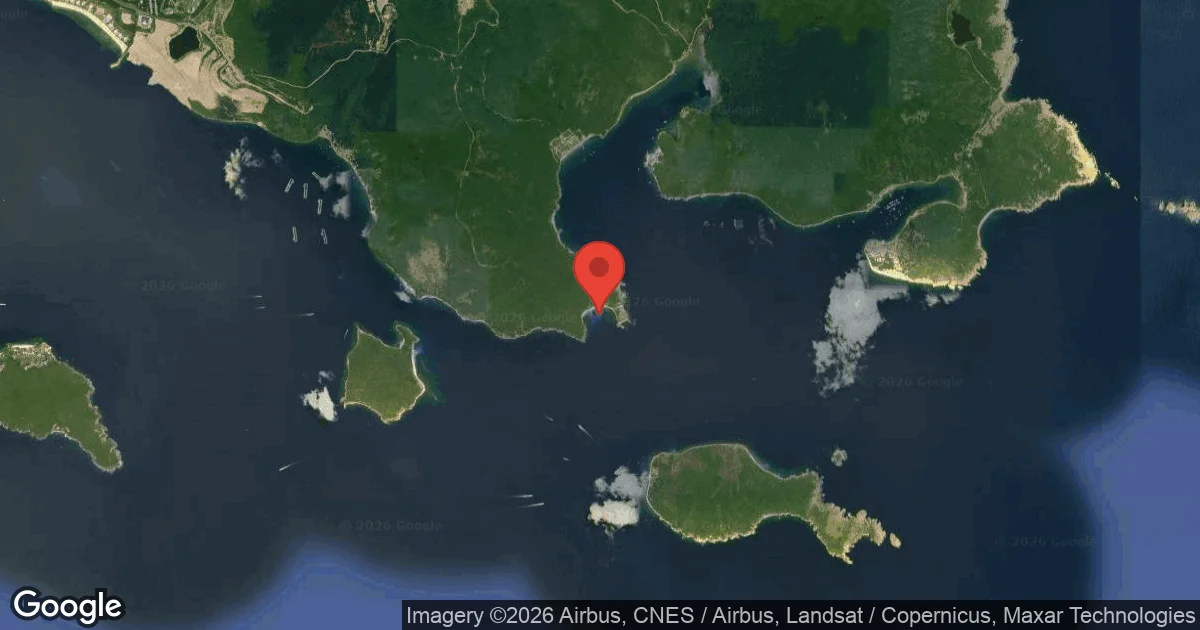
Moray Beach often greets divers with mild currents and water temperatures that shift between 24-30°C (75-86°F) throughout the year. Its accessible location near Nha Trang, Vietnam, makes it a popular spot for both new and experienced divers. Visibility at the site can be quite variable, ranging from 5-25 m (16-82 ft) depending on specific conditions. This flexibility in conditions allows for diverse underwater exploration.
Evening condition tracking at Moray Beach features an air temperature of 26°C. We have recorded wave heights measuring 0.4 m during this period. These figures outline the environmental parameters currently present.
Dive Site Location & Key Facts
Dive Site Overview
A diverse underwater landscape characterizes this dive site, offering distinct experiences within a relatively compact area. Exploring its contours reveals a rich mix of vibrant coral reefs, intricate rocky formations, and expansive sandy patches across the seafloor.
Divers encounter both hard and soft corals thriving in the protective environment of Nha Trang Bay, providing shelter for numerous species. Recreational depth here typically spans 10-20 m (33-66 ft), accommodating a range of certification levels. It's recognized for supporting varied marine life, from smaller reef inhabitants to the occasional larger pelagic species, though such sightings depend on conditions.
The site proves intriguing enough for multiple visits; each dive can uncover new nooks and features across the rock and sand. Its accessibility, combined with the gentle slopes of the sandy bottom transitioning into rocky reefs, makes it an appealing location for marine life enthusiasts and those seeking relatively easy diving. Exploring these different habitats provides continuous discovery.
Conditions are Good
Optimal conditions expected
Current conditions near Moray Beach show 26° air, 29° sea temperature, 0.4 m waves, and 26 km/h wind. Forecast data is refreshed regularly to ensure accuracy.
Best Time to Dive
Optimal diving conditions at Moray Beach generally occur from March through September, when the region experiences its most favorable weather patterns. During these months, air temperatures are consistently warm, averaging from 26°C (79°F) in March to 29.5°C (85°F) in July, with minimal rainfall. For instance, May sees only about 2.1 mm of rain. Wave heights are typically lower during this period, often below 0.5 meters, contributing to calmer seas and better visibility. Water temperatures during this prime season tend to be higher, ranging from 26-30°C (79-86°F), providing comfortable diving without the need for thick wetsuits. Conversely, the period from November to February may present cooler air temperatures, increased rainfall, and higher wave activity, leading to more moderate diving conditions.
PEAK SEASON SCORE
Scores combine air & water temps, waves, wind & rainfall for overall conditions.
BEST MONTHS TO DIVE
Monthly records compiled from satellite and marine observation nodes over the last 3 years. Data provided by Open-Meteo and MET Norway.
Dive Experience & Conditions
Upon entry at this site, usually from shore, divers begin exploring the shallower reef sections that gradually slope to deeper areas. Depths here range from approximately 10 m (33 ft) in the more accessible spots down to about 20 m (66 ft) at the site's maximum extent. Currents are generally mild, typically between 0-2 knots, allowing for relaxed navigation among the coral and rock formations. While surge isn't consistently reported, local conditions might influence it. Visibility, however, varies significantly; some days offer clear views extending to impressive distances, while other reports indicate lower visibility, sometimes limited to a few meters. The seafloor presents a patchwork of sand, rock, and coral, providing diverse habitats for marine species as you descend.
Dive Difficulty & Safety Guidelines
Responsible diving practices enhance safety for everyone at this accessible site. Given the mostly mild currents, it's a good place to practice buoyancy control without significant drift challenges. Maintaining awareness of your depth and air consumption remains standard practice, especially when exploring deeper sections or traversing areas with varying visibility.
While specific hazards aren't consistently reported, divers should always monitor their surroundings for other groups and boat traffic, particularly during peak seasons. Always dive within your certification limits and consider diving with local guides who are familiar with the site's daily nuances. This approach ensures an enjoyable underwater experience.
Recommended Equipment
- Dive Computer
This gear list is based on verified equipment signals for Moray Beach, Vietnam. Always confirm final gear choices with your dive operator, guide, or liveaboard.
Recommended Dive Suit
Forecast conditions over the next few days suggest temperatures will remain relatively stable.
Divers who prefer a balanced level of warmth often select dive skin or rash guard in water temperatures like this.
At Moray Beach, the water is currently sitting around 29°C (85°F). Surface air temperatures are resting at 26°C (79°F).
Emergency & Medical Support
Essential information to help you plan your dive trip to Moray Beach.

Hyperbaric chambers are a critical part of dive safety infrastructure. Availability varies significantly by region, and not all dive areas have immediate access.
Before diving, it's recommended to:
- confirm nearest medical facilities
- check emergency procedures with local dive operators
- ensure dive insurance covers evacuation if required
Divers Alert Network
Diving emergency assistance available through DAN World.
+1-919-684-9111- 24/7 emergency hotline
- Diving medical assistance
- Evacuation coordination
Emergency contacts are provided for reference. Always verify local emergency services before diving.
Marine Life at Moray Beach
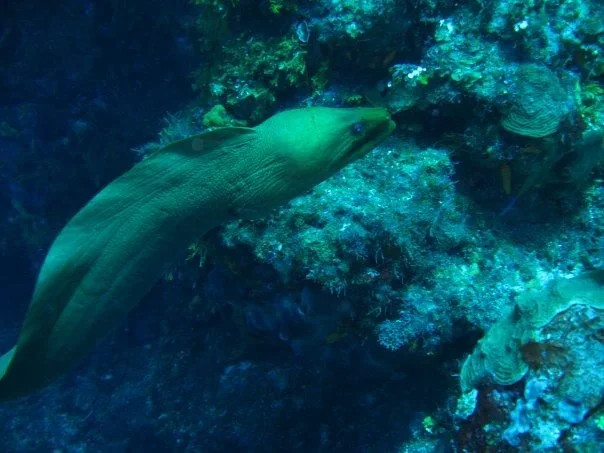
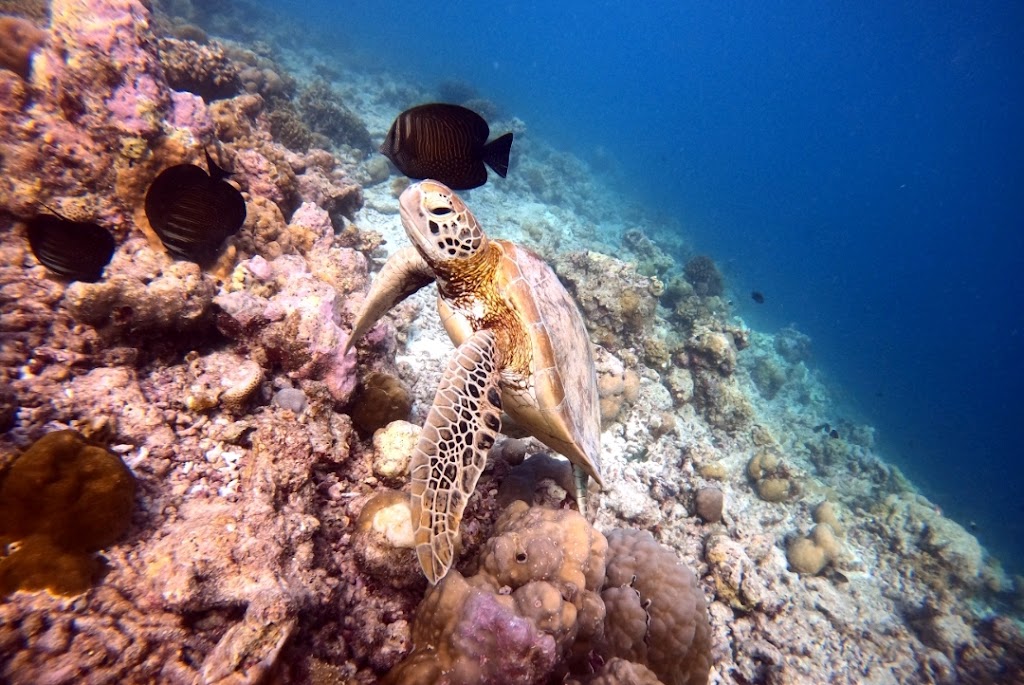
The immediate impression at Moray Beach is often the vibrant activity around its corals, which host a range of fascinating creatures. Divers frequently spot white-eyed moray eels peeking from rocky crevices and majestic lionfish hovering nearby.
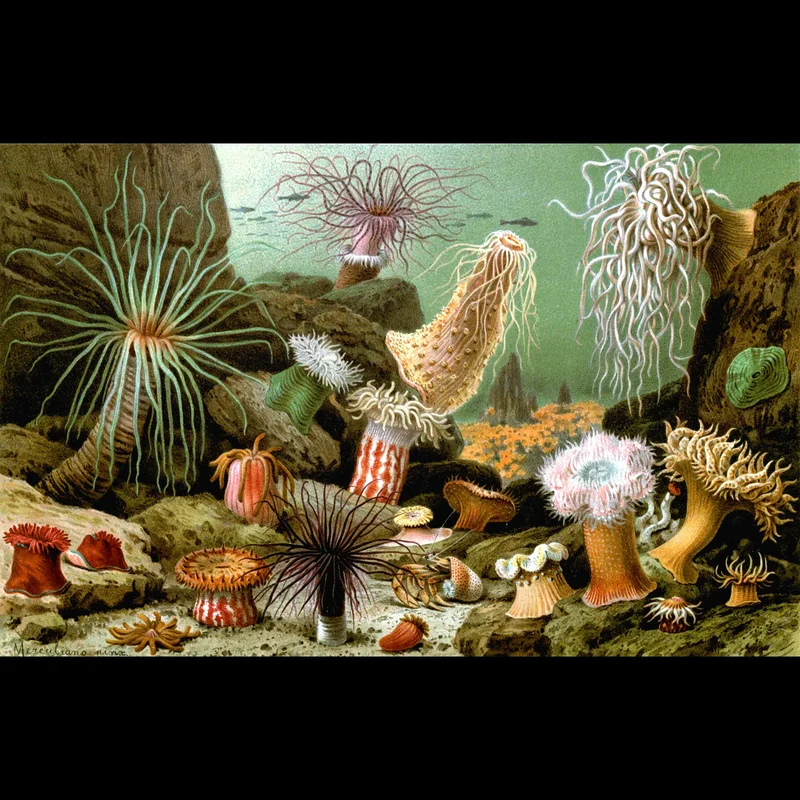
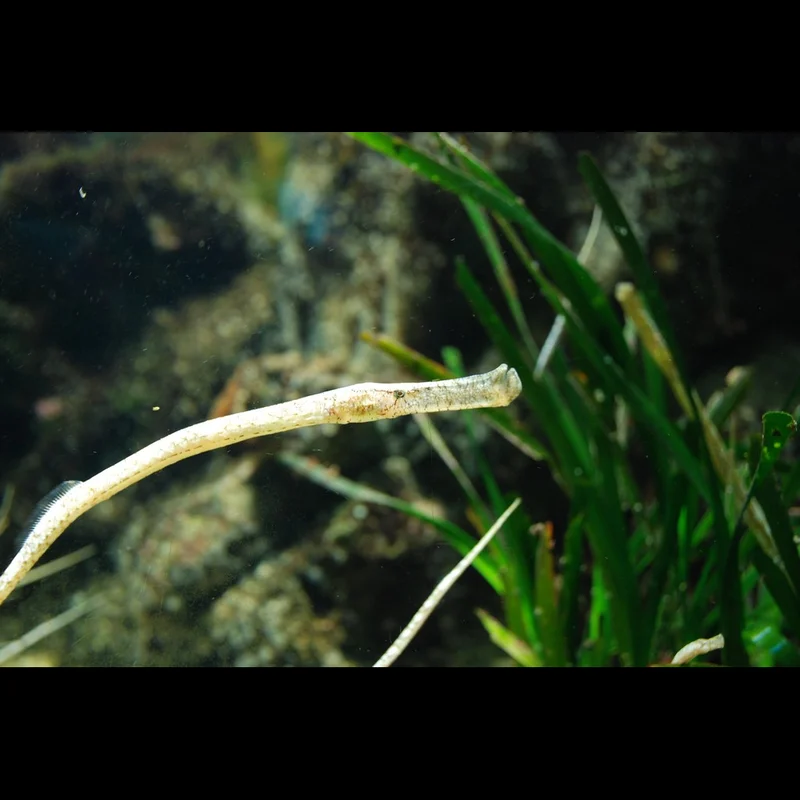
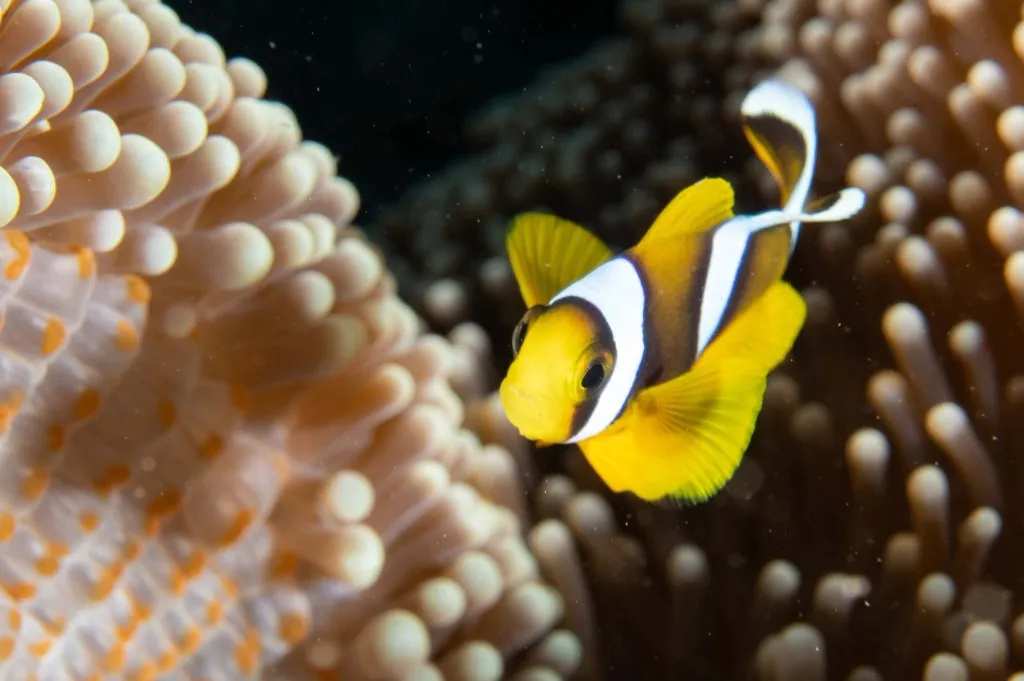
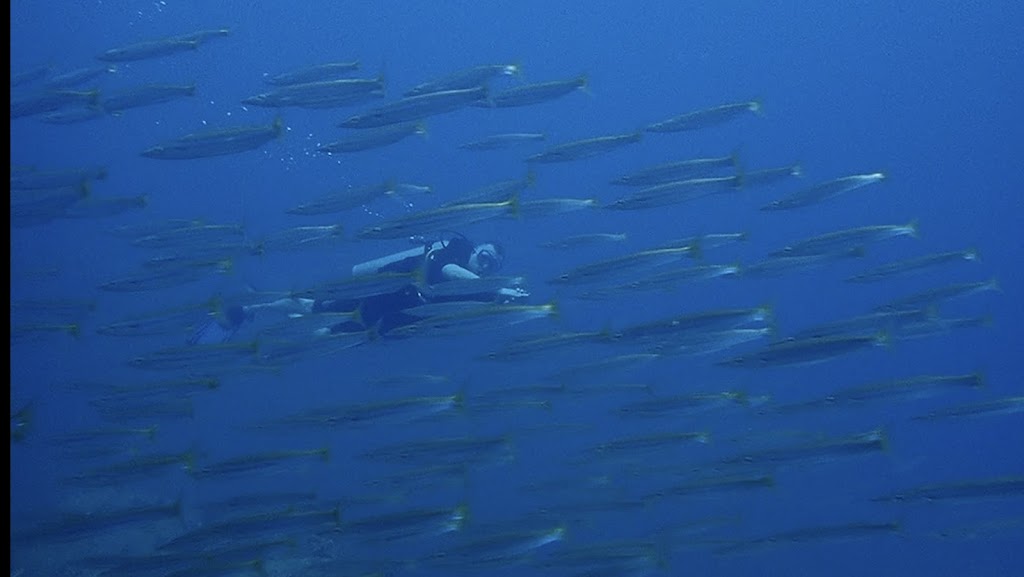
Clownfish, or anemonefish, are commonly observed nestled among anemones, adding bursts of color to the reef. Various schooling fishes populate the open water, alongside pipefish, pufferfish, and colorful wrasse.
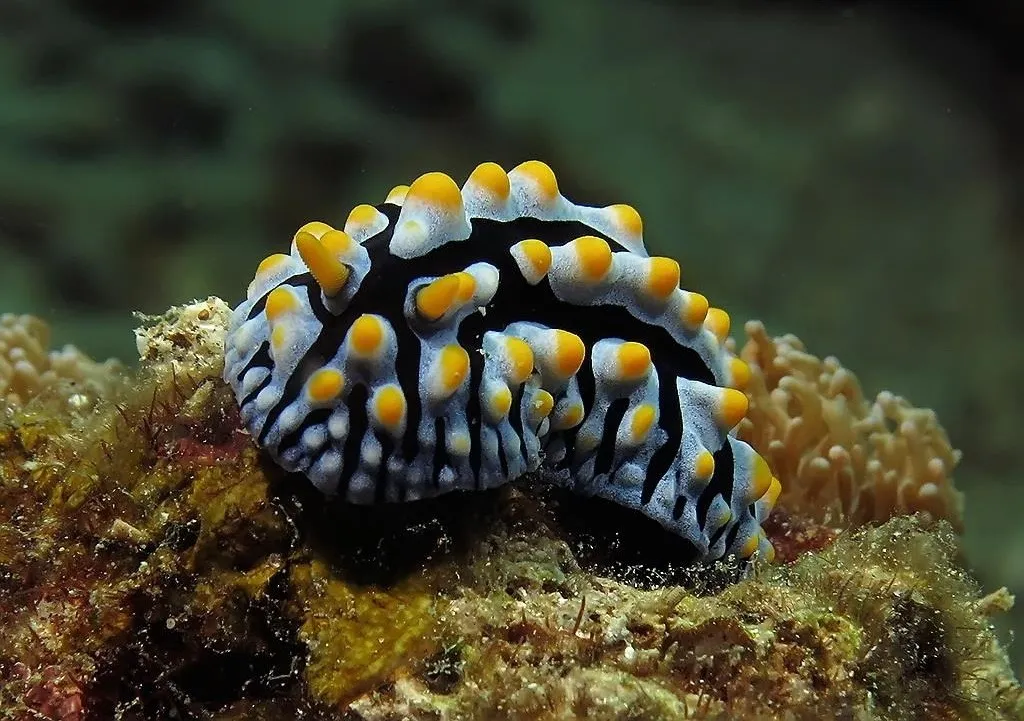
Molluscs, including diverse nudibranchs, are also present, often found meticulously moving across the corals and rocks. Keep an eye out for squid, which can be elusive but are sometimes seen darting through the water.
Dive Sites Near Moray Beach
View all dive sites in VietnamDiscover more underwater gems in this area.
Dive Centers Near Moray Beach
Today: 09:00 - 21:00
Nearest Airports
Nearest airports to help plan travel to this dive area.
Search Flights
Check available flights and routes on Expedia, using the nearby airports listed in this section.
Search Flights on ExpediaFrequently Asked Questions
What is the typical dive depth at Moray Beach?
Typical dive depths commonly range from shallower sections to a maximum recreational depth of about 20 meters. This range suits most recreational divers, including beginners.
What are the visibility conditions like?
Visibility can be quite variable. While good days offer extensive views, it can sometimes drop to more limited ranges depending on seasonal and local factors like recent rainfall or currents.
Is Moray Beach suitable for beginner divers?
Yes, Moray Beach is generally considered suitable for beginners. Its mild currents and manageable depth range make it an accessible site for those new to diving or looking for a relaxed experience.
What marine life can I expect to see?
You can expect to see a variety of reef fish, including clownfish, pufferfish, and wrasse. Moray eels and lionfish are also frequently sighted, alongside colorful nudibranchs and occasional squid.
Are there strong currents at the dive site?
Currents at Moray Beach are typically mild, generally reported between 0-2 knots. This usually allows for comfortable drift-free diving, though conditions can always vary.
What types of corals can be found there?
The site features a healthy mix of both hard and soft corals. These coral formations contribute to the diverse ecosystem and provide shelter for many marine species.
Planning to dive Moray Beach?
Send one inquiry and receive offers directly from the best verified local dive operators.
Conditions are Good
Optimal conditions expected
Current conditions near Moray Beach show 26° air, 29° sea temperature, 0.4 m waves, and 26 km/h wind. Forecast data is refreshed regularly to ensure accuracy.