
Diving at Nha Trang (Vietnam)
While online sentiment often expresses apprehension about diving in Nha Trang, the actual underwater experience frequently surpasses expectations. This coastal city, nestled along Vietnam's south-central coast, offers surprisingly accessible dive locations around its nearby islands and protected areas. It's a destination that invites divers to look beyond initial reports and discover its thriving coral ecosystems firsthand.
As evening covers Nha Trang, the local air temperature is measured at 25°C. The current wave height at the surface is recorded at 0.3 m. These late-day readings characterize the surface conditions for the night.
Dive Site Location & Key Facts
Dive Site Overview
Exploring Nha Trang's underwater topography reveals a world of colorful coral reefs, intricate rocky outcrops, and dramatic pinnacles. The seabed commonly features a sandy bottom, contrasting with a profusion of hard and soft corals that impress with their density and variety.
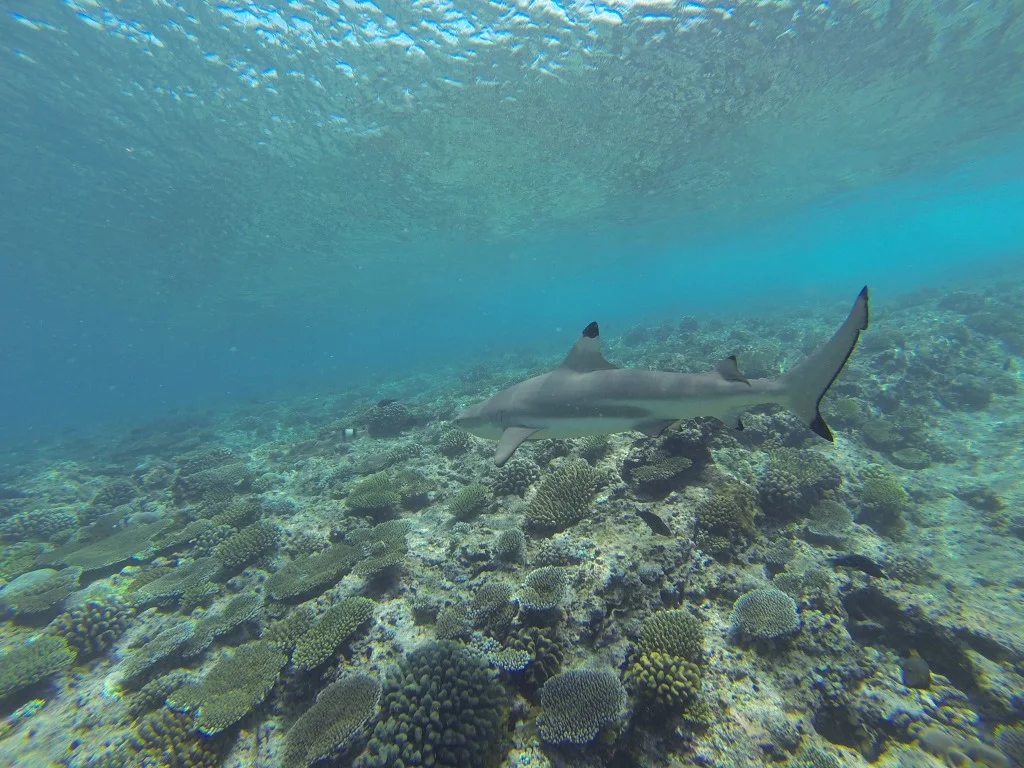
Nha Trang Marine Park is notably claimed to house a significant portion of the world's known coral species, making it a vibrant subject for exploration. Dive sites typically reach maximum depths of around 18-20 m (60-65 ft), accommodating both novice and more experienced divers with a range of shallow and deeper interests. While the region isn't known for large pelagic encounters like sharks or manta rays, the focus here shifts to diverse tropical marine life within the reef structures.
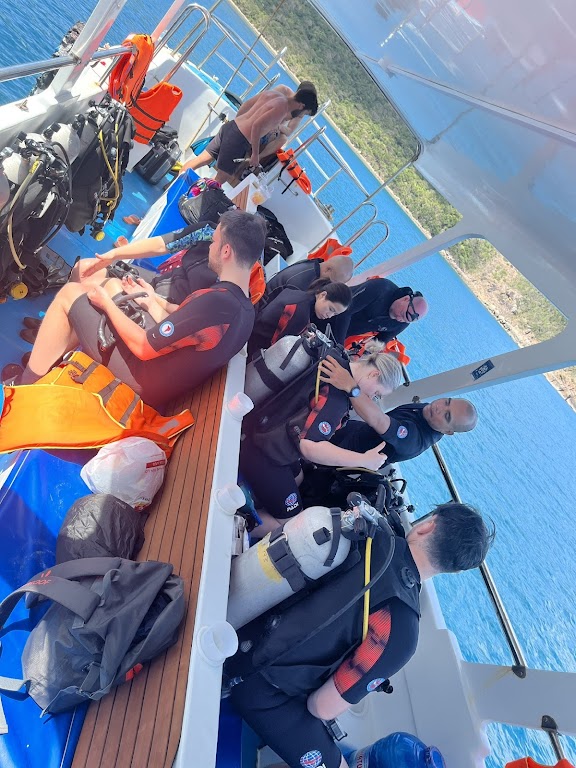
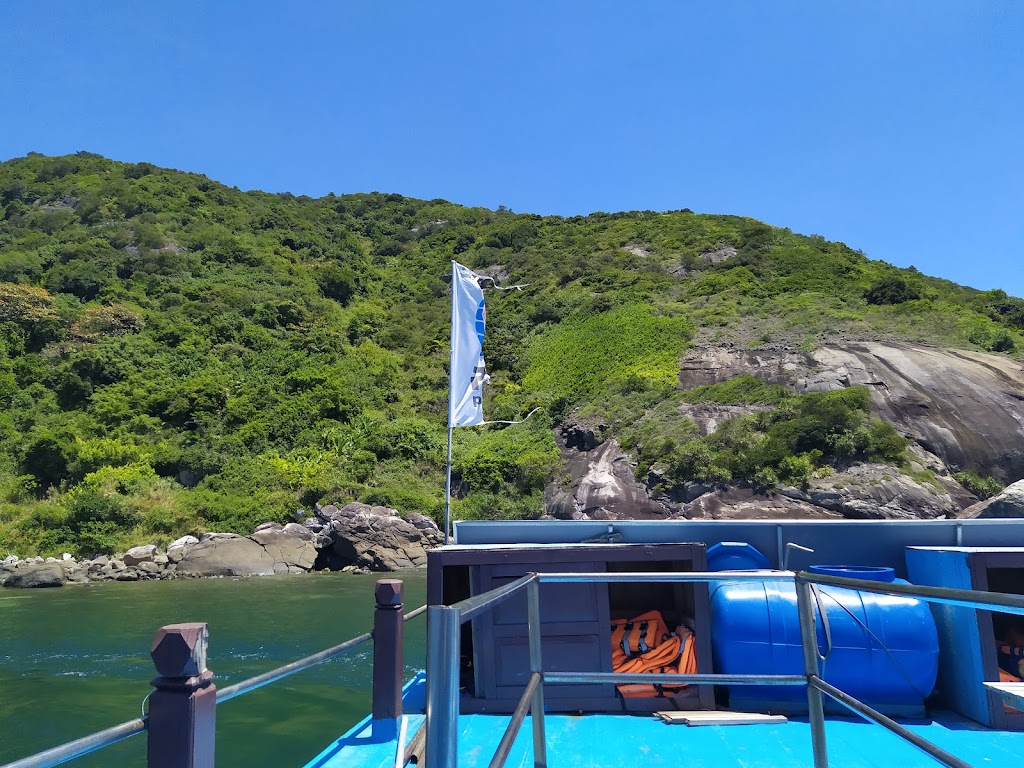
Daily boat trips depart to key areas such as Hon Mun Marine Protected Area, ensuring guided access and necessary equipment for exploring these rich, accessible ecosystems.
Conditions are Good
Optimal conditions expected
Current conditions near Nha Trang show 25° air, 29° sea temperature, 0.4 m waves, and 26 km/h wind. Forecast data is refreshed regularly to ensure accuracy.
Best Time to Dive
Optimizing visibility is often a primary consideration for planning a dive trip, and Nha Trang's conditions are at their best during the summer months from May to September. This period consistently registers excellent dive scores, characterized by the lowest average wave heights, minimal wind speeds (averaging 11.8-14.6 km/h or 7-9 mph), and very low rainfall, typically less than 3 mm per month. Air temperatures during these months are warm, ranging from 25.5-27°C (78-81°F), contributing to comfortable surface intervals. The dry season, from January to April, also offers good diving, with similarly low rainfall (less than 1.6 mm monthly) and gradually warming air temperatures from 21°C (70°F) in January to 25.5°C (78°F) in April. While wave heights are slightly higher than in summer, conditions remain generally favorable. Conversely, the period from October to December sees moderate dive scores, with increased rainfall (6.3-10.8 mm monthly) and higher wave activity, which can impact visibility and sea conditions more frequently.
PEAK SEASON SCORE
Scores combine air & water temps, waves, wind & rainfall for overall conditions.
BEST MONTHS TO DIVE
Monthly records compiled from satellite and marine observation nodes over the last 3 years. Data provided by Open-Meteo and MET Norway.
Dive Experience & Conditions
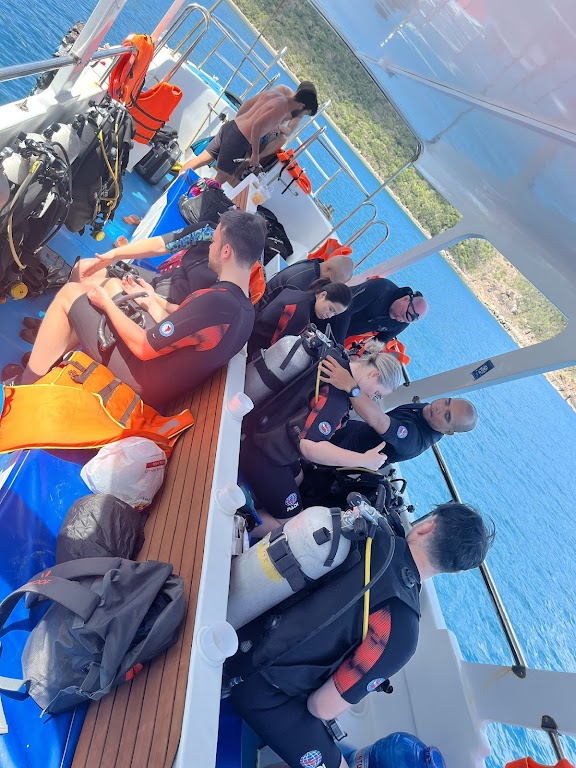
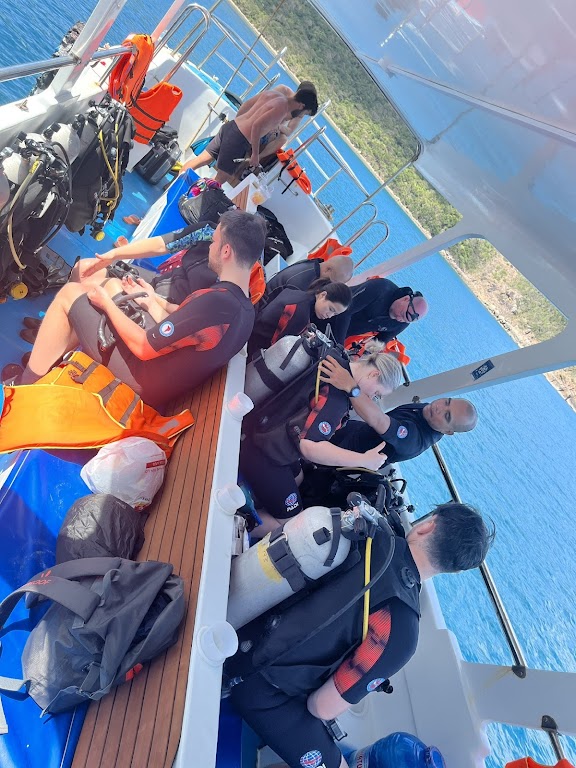
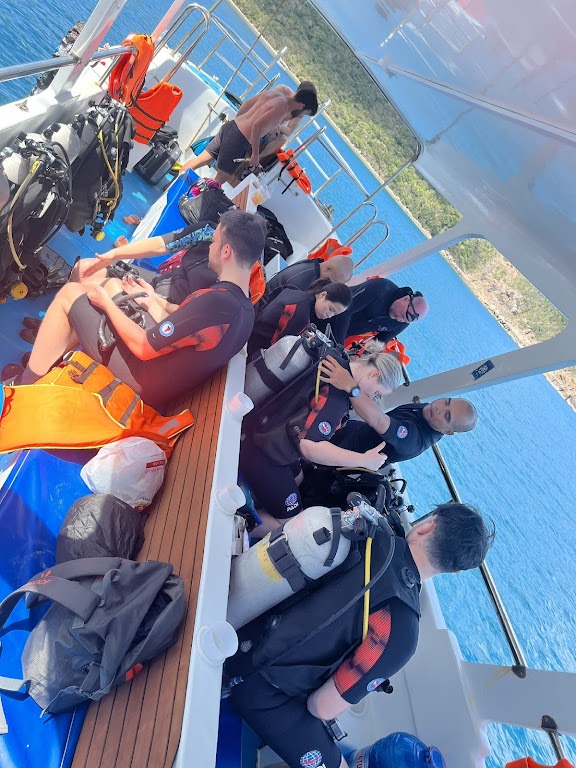
When descending beneath the surface, divers typically explore sites that reach a maximum depth of 18-20 m (60-65 ft). Surface conditions frequently present a flat calm sea, particularly in the mornings during peak season, with currents often described as minimal or almost zero at the dive spots. This makes for relatively easy diving, suitable for various skill levels. Water conditions are consistently warm, contributing to diver comfort. While specific temperature data isn't consistently reported, the general consensus points to agreeable warmth. Visibility, while subject to daily variation, frequently exceeds initial expectations, often hovering around 10 m (33 ft) and allowing for clear views of the vibrant reef life. Boat trips to the dive sites are generally short, typically around 30 minutes, allowing ample time for multiple dives.
Dive Difficulty & Safety Guidelines
While diving in Nha Trang is generally straightforward, divers should be aware of broader environmental concerns, including reports of over-fishing, coral bleaching, and localized pollution. Responsible diving practices are paramount; maintaining good buoyancy control and avoiding contact with the fragile coral structures helps preserve the ecosystem. Dive operators adhere to safety standards and often visit marine protected areas like Hon Mun, where specific regulations are in place to safeguard the environment.
Occasional encounters with party boats at some sites mean divers should remain aware of surface traffic. Always follow your dive guide's instructions and familiarize yourself with local guidelines to ensure a safe and respectful interaction with Nha Trang's marine environment.
Recommended Equipment
- Dive Computer
This gear list is based on verified equipment signals for Nha Trang, Vietnam. Always confirm final gear choices with your dive operator, guide, or liveaboard.
Recommended Dive Suit
Current diving conditions indicate water temperatures around 29°C (85°F) at Nha Trang. Surface air temperatures are resting at 25°C (77°F).
Current forecasts indicate relatively stable conditions for the coming days.
Most divers exploring waters at this temperature rely on dive skin or rash guard for effective insulation. Water temperature is only one factor influencing overall comfort during a dive.
Emergency & Medical Support
Essential information to help you plan your dive trip to Nha Trang.

Hyperbaric chambers are a critical part of dive safety infrastructure. Availability varies significantly by region, and not all dive areas have immediate access.
Before diving, it's recommended to:
- confirm nearest medical facilities
- check emergency procedures with local dive operators
- ensure dive insurance covers evacuation if required
Divers Alert Network
Diving emergency assistance available through DAN World.
+1-919-684-9111- 24/7 emergency hotline
- Diving medical assistance
- Evacuation coordination
Emergency contacts are provided for reference. Always verify local emergency services before diving.
Marine Life at Nha Trang
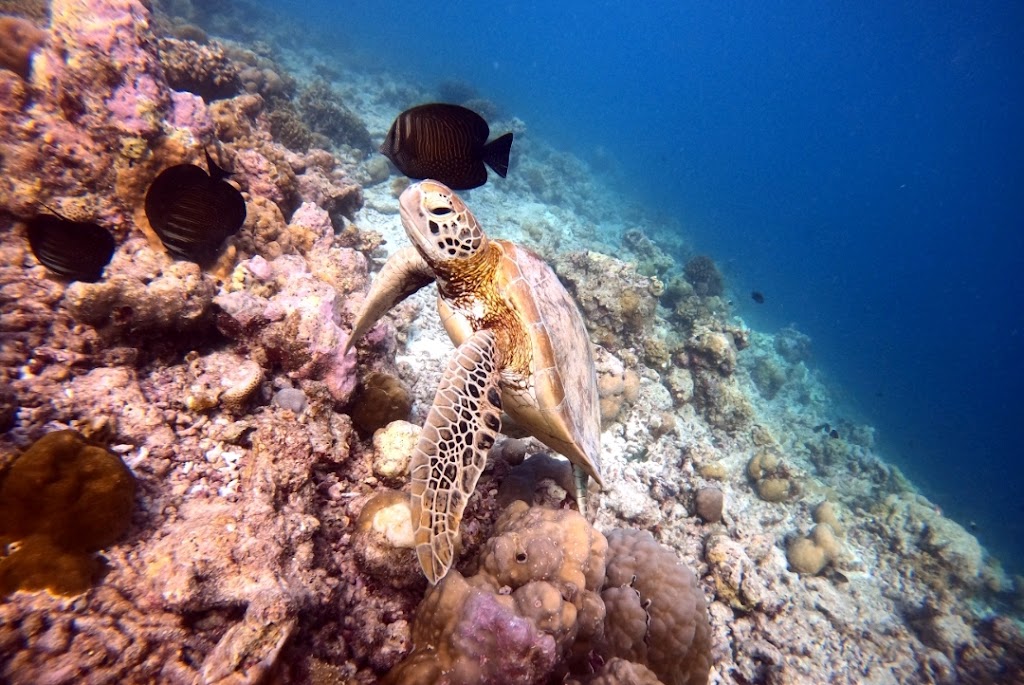
The underwater landscape in Nha Trang captivates with a truly spectacular amount and array of corals. Both hard and soft coral species form the foundation for a vibrant reef ecosystem.
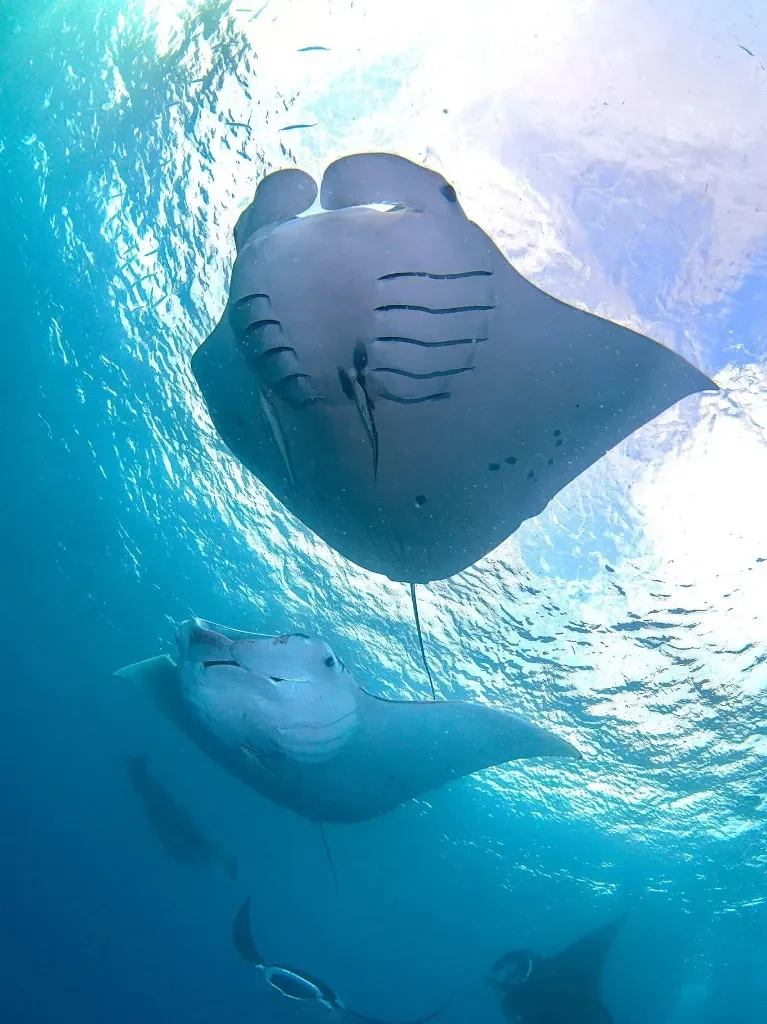
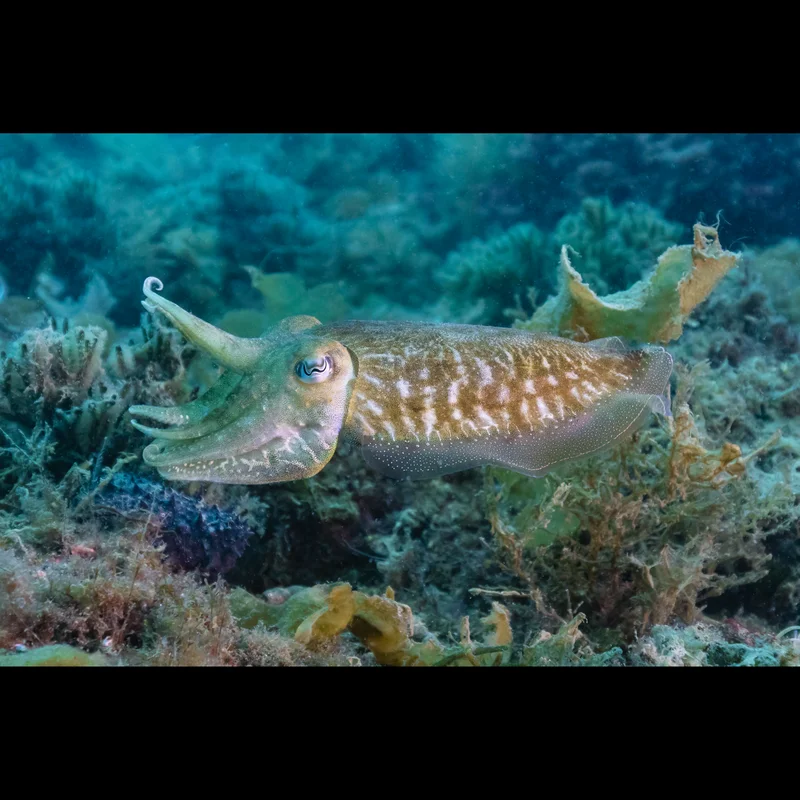
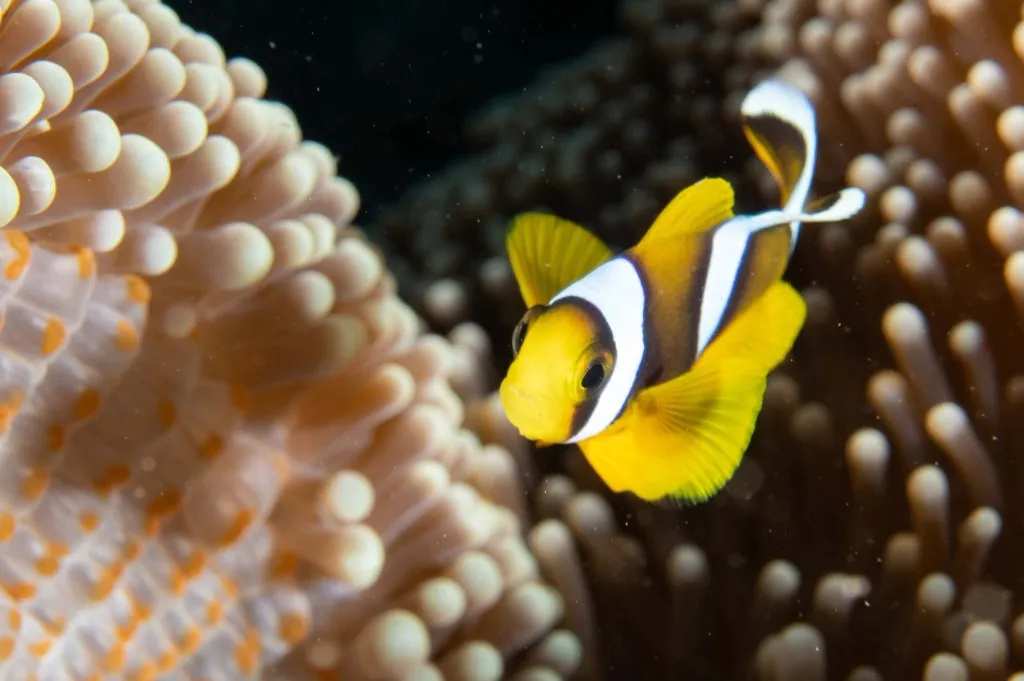
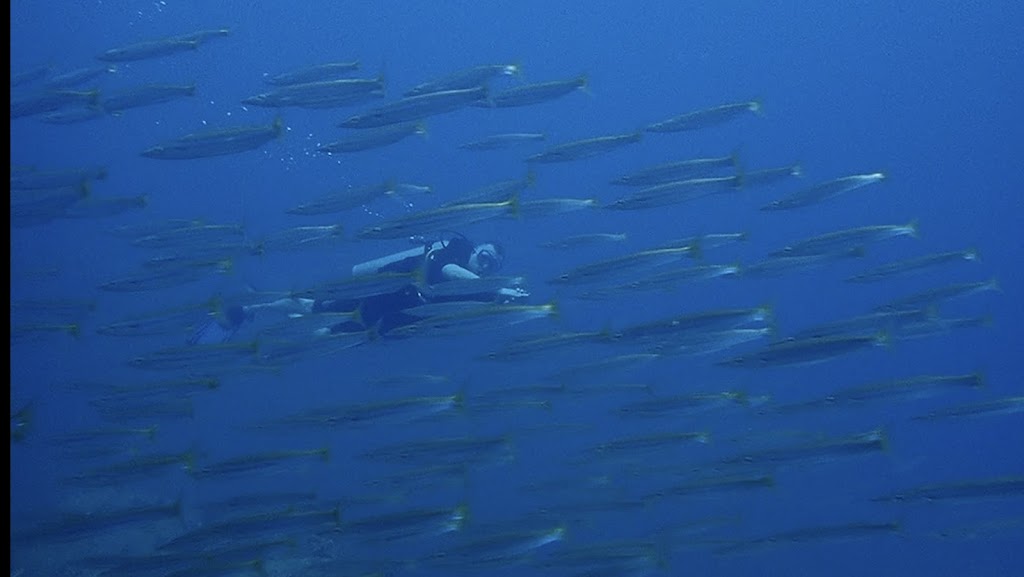
Within these structures, divers will encounter a diverse array of tropical reef fish, including colorful clownfish, alongside numerous nudibranchs, adding intricate detail to the dive. While large pelagic species like sharks or manta rays are not commonly sighted, occasional rays and cuttlefish make appearances.
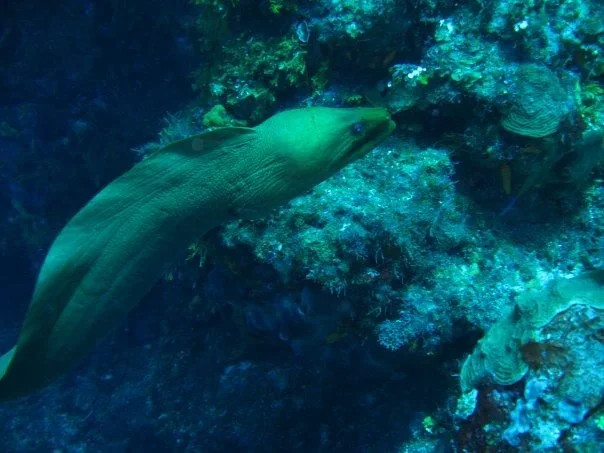
A notable resident is a particularly large moray eel, sometimes observed at certain sites, reaching a couple of meters in length.
Dive Sites Near Nha Trang
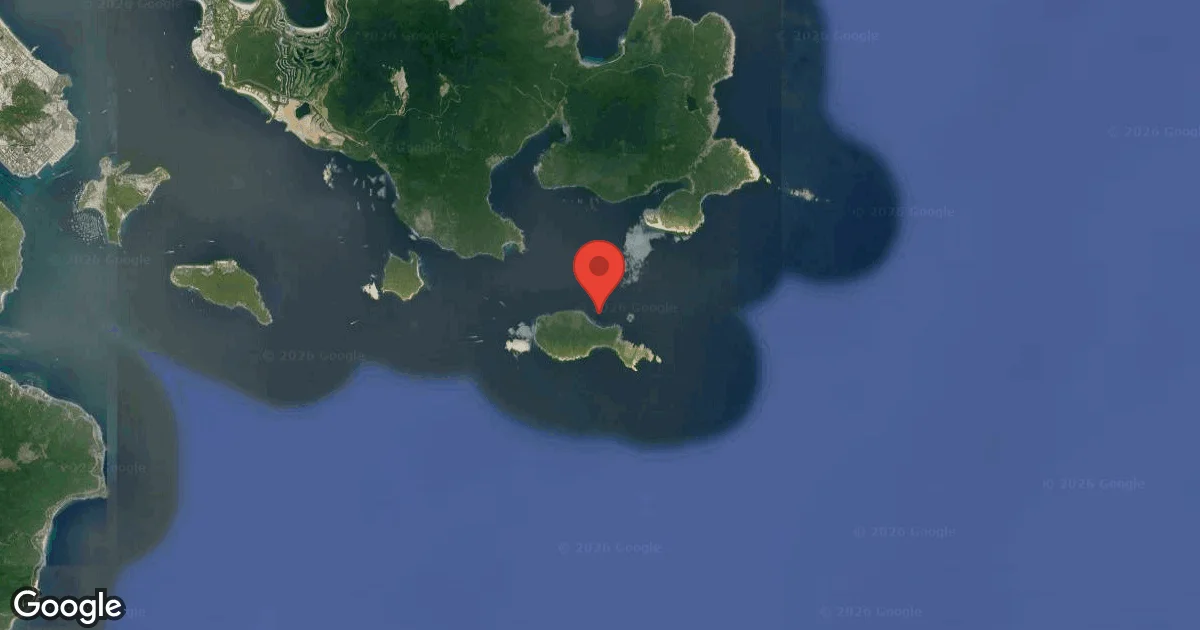
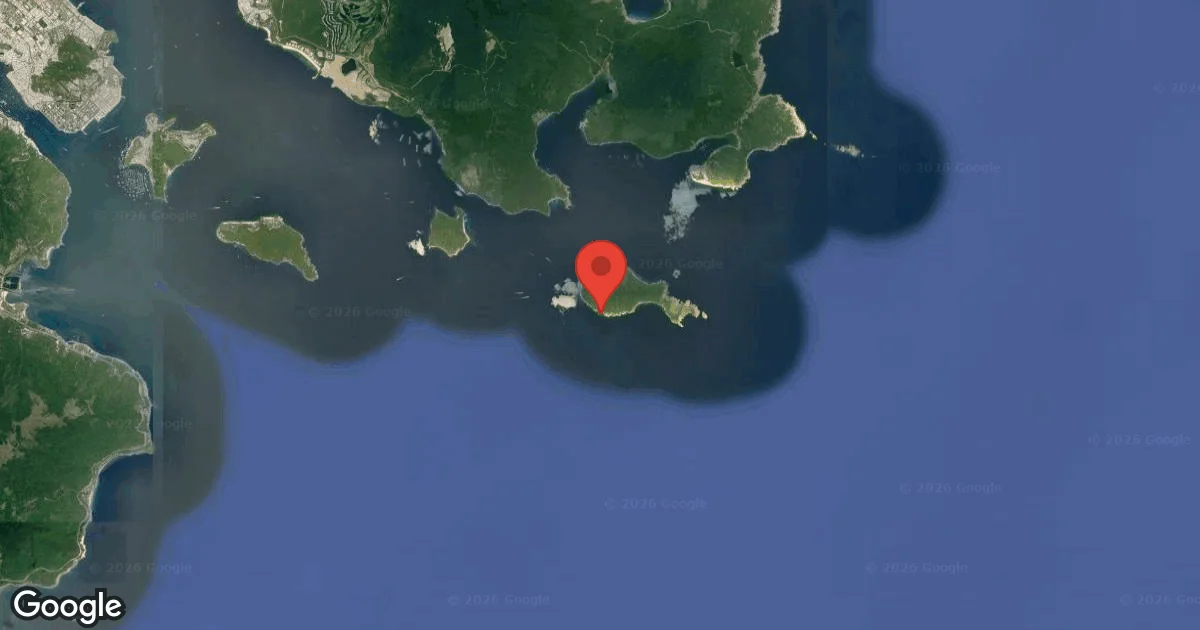
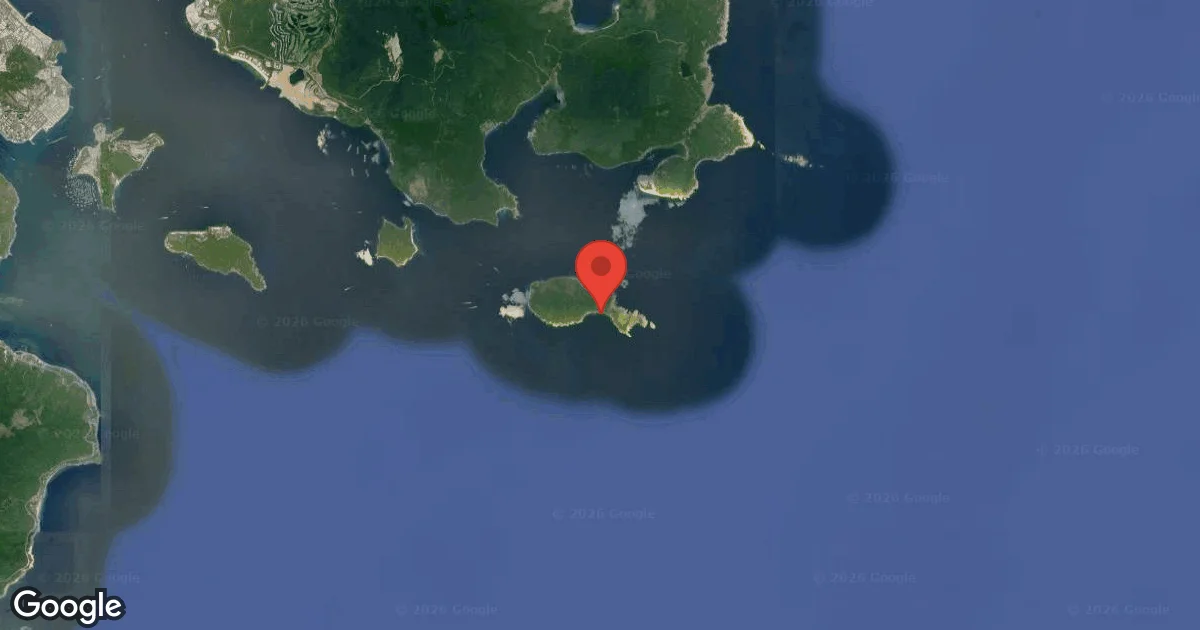
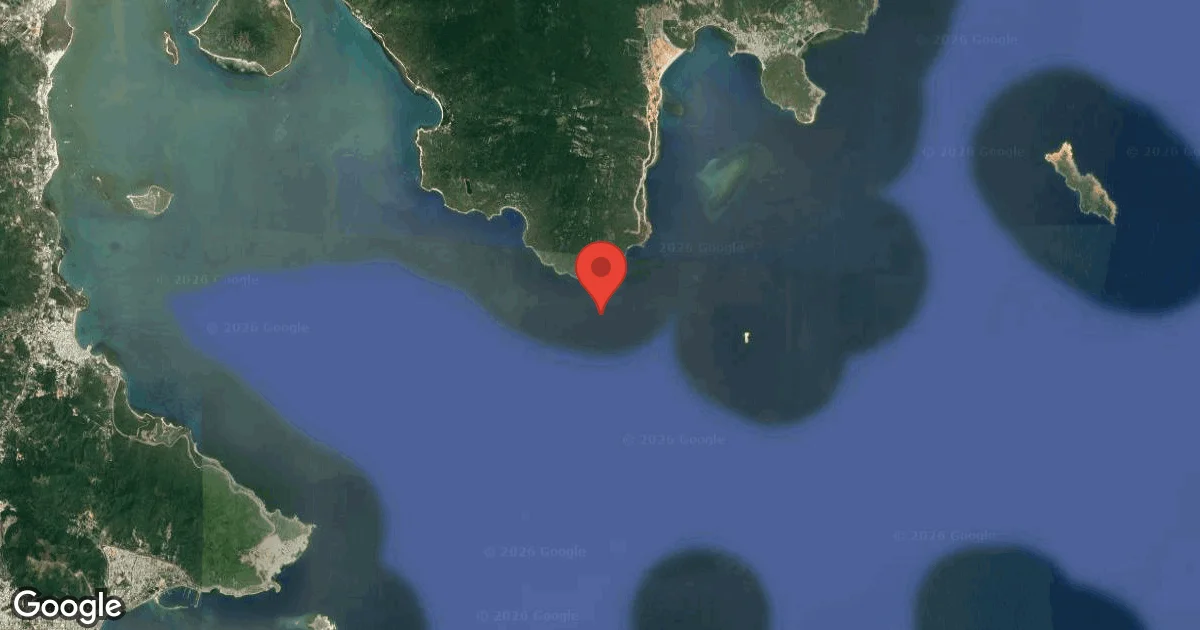
View all dive sites in VietnamDiscover more underwater gems in this area.
Dive Centers Near Nha Trang
Today: 09:00 - 21:00
Nearest Airports
Nearest airports to help plan travel to this dive area.
Search Flights
Check available flights and routes on Expedia, using the nearby airports listed in this section.
Search Flights on ExpediaFrequently Asked Questions
What is the best time of year to dive in Nha Trang?
The best time for diving is during the summer months, from May to September, when conditions are characterized by excellent dive scores, minimal waves, low winds, and very little rain. The dry season (January to April) also offers good conditions.
What kind of marine life can I expect to see?
You'll primarily encounter diverse tropical reef fish and an impressive variety of hard and soft corals. Nudibranchs are common, and you might spot occasional rays or cuttlefish. Larger marine life like sharks or manta rays are not typically present, but a large moray eel is a notable resident.
Is Nha Trang suitable for beginner divers?
Yes, Nha Trang is suitable for beginners. Many shallow reef sites cater to less experienced divers, and the typically calm sea conditions with minimal currents make for an accessible and enjoyable learning environment.
What are the typical dive depths in Nha Trang?
Most dive sites in Nha Trang have a maximum depth ranging from 18 to 20 m (60 to 65 ft). This depth range accommodates both entry-level and more experienced certified divers.
What are the general water conditions like?
The waters are consistently warm, providing a comfortable diving experience. Visibility often averages around 10 m (33 ft) and can be better than anticipated, with minimal currents prevailing at most dive sites.
How do I access the dive sites?
Dive sites are accessed via daily boat trips from Nha Trang city. Many operators run excursions to nearby islands and marine protected areas such as Hon Mun, usually involving a short 30-minute boat ride.
Are there any specific conservation concerns for divers?
Divers should be mindful of reports concerning over-fishing and coral health in the region. Practicing excellent buoyancy and avoiding contact with the corals helps support conservation efforts, especially within marine protected areas.
Planning to dive Nha Trang?
Send one inquiry and receive offers directly from the best verified local dive operators.
Conditions are Good
Optimal conditions expected
Current conditions near Nha Trang show 25° air, 29° sea temperature, 0.4 m waves, and 26 km/h wind. Forecast data is refreshed regularly to ensure accuracy.