
Diving in China
Planning dives in China means understanding how conditions vary across different types of dive locations. We currently feature 10 mapped dive sites across China. This allows divers to evaluate locations before planning trips.
Planning a dive expedition to China typically involves initial international flights into major cities such as Beijing, Shanghai, Guangzhou, or Hong Kong. From these primary gateways, divers usually arrange domestic connections to reach coastal destinations. Hainan Island, with its access points like Haikou or Sanya, serves as a central hub for marine diving operations.
This island is where the majority of permitted marine dive activities are concentrated, making it a crucial first stop for many. Beyond the southern tropical waters, the country also presents distinct freshwater diving opportunities. Provinces like Zhejiang and Guangxi offer different challenges and focus on submerged historical structures or unique geological features, requiring separate travel arrangements.
Divers must consider varying regional access and local regulations when structuring their itineraries. Travel requirements and permits can differ significantly by province, necessitating thorough advance planning. The dive landscape here combines complex logistical considerations with a diverse array of underwater topography, from tropical reefs to deep inland lakes.
Dive Map of China
Understanding the geographical spread of dive sites is crucial for effective trip planning in China. A visual dive map serves as an indispensable tool, allowing divers to identify clusters of activity and specific locations that align with their interests. This helps in grasping the overall distribution of underwater experiences.
The map highlights key marine areas like Hainan Island, particularly around Sanya, which hosts sites such as Wuzhizhou Island and the Sanya Coral Reef National Nature Reserve. Simultaneously, it points to unique inland destinations. Qiandao Lake in Zhejiang province, for instance, is marked for its submerged ancient cities.
Observing the map provides clarity on potential travel routes and the distinct environments available. It helps divers visualize the journey between tropical reefs and historical lake sites, aiding in the strategic organization of a multi-faceted diving itinerary.
Dive Sites to Explore
View all 10 sites
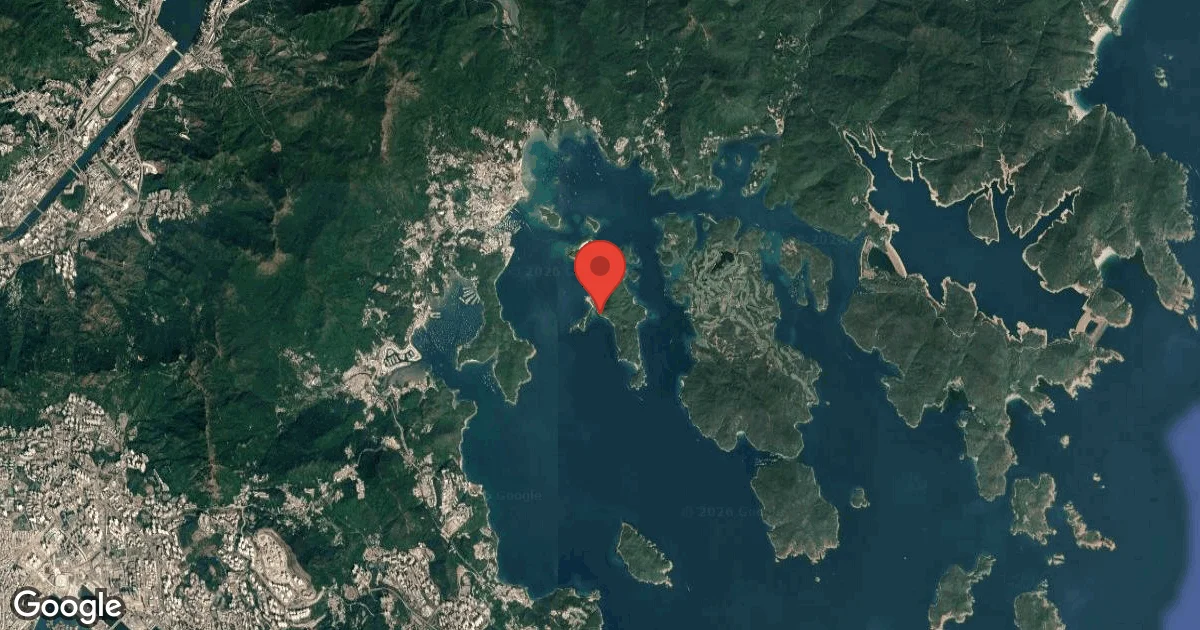
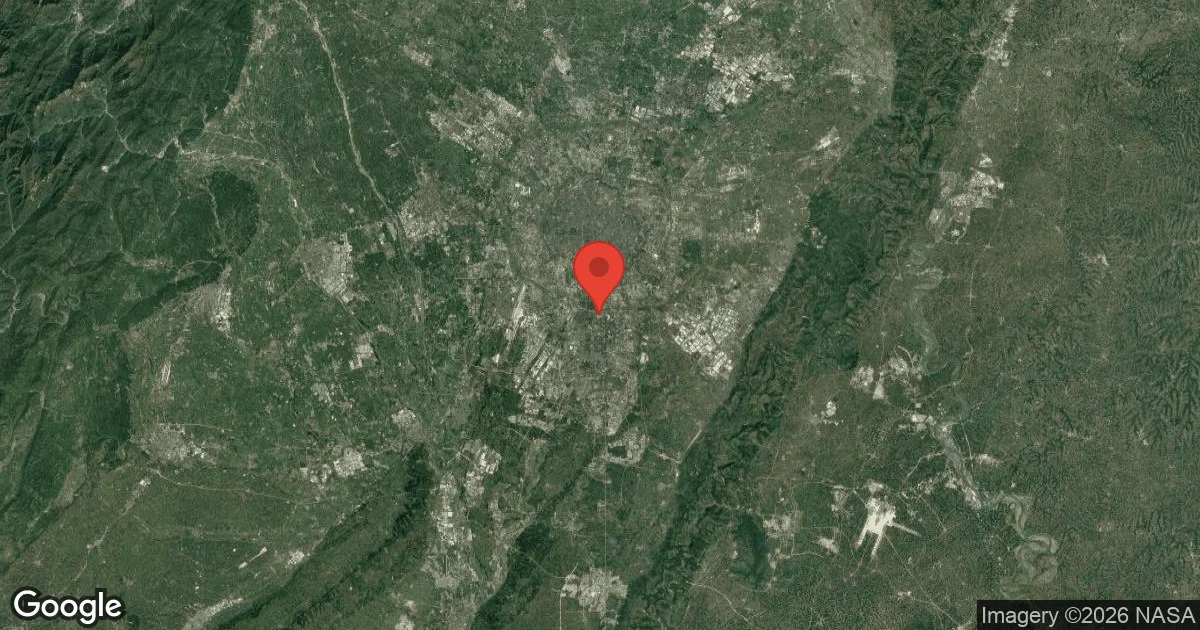
Underwater exploration across China reveals a fascinating dichotomy, with distinct experiences awaiting divers from tropical marine environments to intriguing inland freshwater sites. This geographical spread offers a diverse range of challenges and attractions, though access to certain areas is subject to strict regulations.
One prominent contrast is found in Zhejiang province, where Qiandao Lake harbors the submerged Shi Cheng, or Lion City. Flooded in 1959, this ancient city lies at depths around 40 m (130 ft), preserving white temples, memorial arches, and houses with classical Chinese carvings. Visibility here is often limited, sometimes to 15 cm (6 inches) when sediment is disturbed, and conditions are dark below 12 m (40 ft), making these exploratory dives demanding.
In sharp contrast, Hainan Island, particularly around Sanya, provides a tropical marine experience. Wuzhizhou Island stands out as a premier destination, frequently offering visibility over 20 m (65 ft) and hosting more than 1,000 fish species alongside various corals. The Sanya Coral Reef National Nature Reserve and Yalong Bay also feature extensive coral reefs, providing accessible reef diving.
For technical divers, Guangxi province once offered the Jiutun underwater cave in Du’an, known as Asia's deepest diveable cave. However, such deep and complex cave systems carry significant risks, leading to past fatalities during explorations exceeding 120 m (394 ft). Furthermore, sites like Panjiakou in Hebei, featuring a flooded section of the Great Wall, and Lükutan in Guangdong, are now prohibited for diving, underscoring the dynamic regulatory landscape.
Best Time to Dive in China
Choosing the optimal time for diving in China often involves a trade-off between comfortable conditions, specific regional access, and avoiding peak travel periods. For southern regions like Hainan, the dry season from November to April is generally considered ideal for underwater activities.
During this dry period, conditions are typically stable, offering better overall visibility. However, diving is still possible during the wet season, from May to October, though divers might encounter slightly reduced visibility and occasional rain showers. Water temperatures in southern areas range from 24-30°C (75-86°F) between March and October, providing warm conditions for marine exploration.
Typhoon season, which runs from July to September, can impact visibility and access, particularly in coastal areas. Inland freshwater sites, like Qiandao Lake, present different seasonal considerations, with water temperatures dropping significantly below the thermocline. Major national holidays such as Chinese New Year (late January to mid-February), Labour Day (May 1-5), and October Golden Week also shape dive travel patterns, often aligning with favorable weather and stable sea conditions, making them popular times for both domestic and international divers.
Monthly Sea Temperatures
Sea temperatures in China exhibit seasonal shifts and regional variations, significantly influencing dive planning and equipment choices. In the southern marine regions, such as Hainan Island, water temperatures are considerably warmer.
From March to October, southern areas experience comfortable water temperatures ranging from 24-30°C (75-86°F). This period offers pleasant conditions for diving in tropical environments. However, inland freshwater sites, like Qiandao Lake, present a stark contrast.
In these lakes, water temperatures can drop significantly, potentially into the 4-9°C (40s°F) range below the thermocline. This cold water necessitates appropriate thermal protection, such as drysuits, for divers exploring submerged structures. Understanding these temperature differences is crucial for selecting the right gear and preparing for the dive environment.
| Jan | Feb | Mar | Apr | May | Jun | Jul | Aug | Sep | Oct | Nov | Dec | |
|---|---|---|---|---|---|---|---|---|---|---|---|---|
| Max | 19° | 19° | 20° | 24° | 27° | 29° | 29° | 29° | 28° | 27° | 25° | 22° |
| Avg | 17° | 17° | 17° | 21° | 25° | 27° | 27° | 27° | 27° | 25° | 23° | 19° |
| Min | 15° | 14° | 15° | 17° | 23° | 25° | 26° | 26° | 26° | 23° | 21° | 16° |
Dive Conditions
Dive conditions in China vary considerably by region, often dictating the skill levels required for safe exploration. In freshwater lake environments, such as Qiandao Lake, conditions can be challenging due to limited visibility and dark depths.
Visibility at the surface of Qiandao Lake can be as low as 1.5 m (5 ft), decreasing to mere inches in some areas and reducing to zero if fine sediment is disturbed. Below 12 m (40 ft), these lakes are pitch black, necessitating strong dive lights and proficient buoyancy control to avoid silting out the site. Dives in these areas are often considered exploratory due to much of the submerged city remaining unmapped, demanding advanced technical diving qualifications and experience.
Conversely, marine areas like Wuzhizhou Island in Sanya offer significantly better conditions, with visibility often exceeding 20 m (65 ft). While currents are not extensively detailed for all sites, the potential for strong currents in other regions would typically require divers to have experience with drift diving. Typhoon season, from July to September, can also affect visibility and access, making it important to monitor weather conditions.
Marine Life Highlights
Most Mentioned Species
Marine life in China varies across dive locations, with different species appearing depending on environment and conditions. The species highlighted here are the most frequently associated with dive sites in our data, offering a realistic overview of what divers are most likely to encounter.
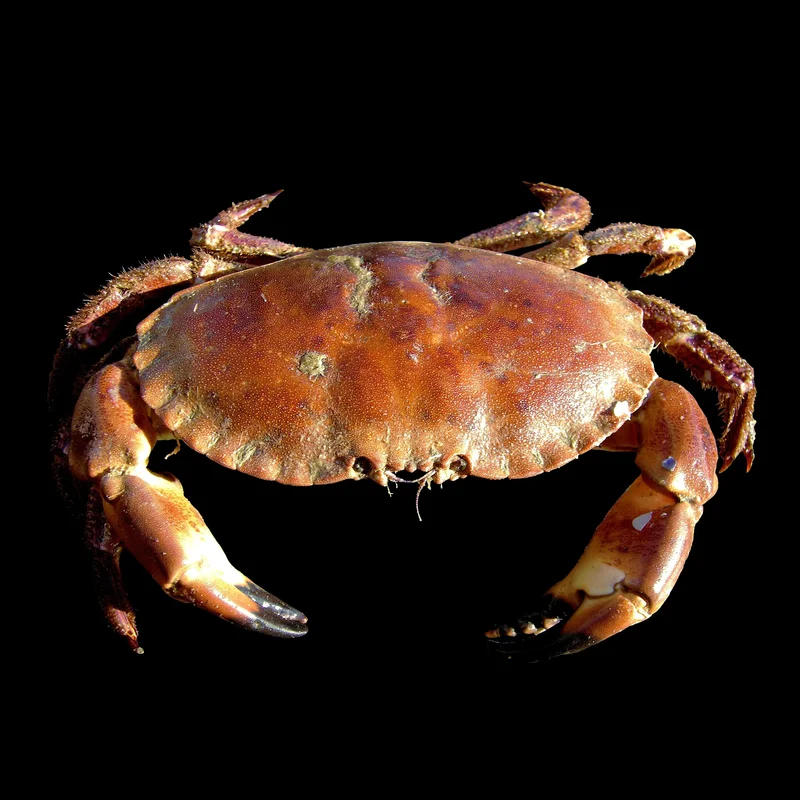
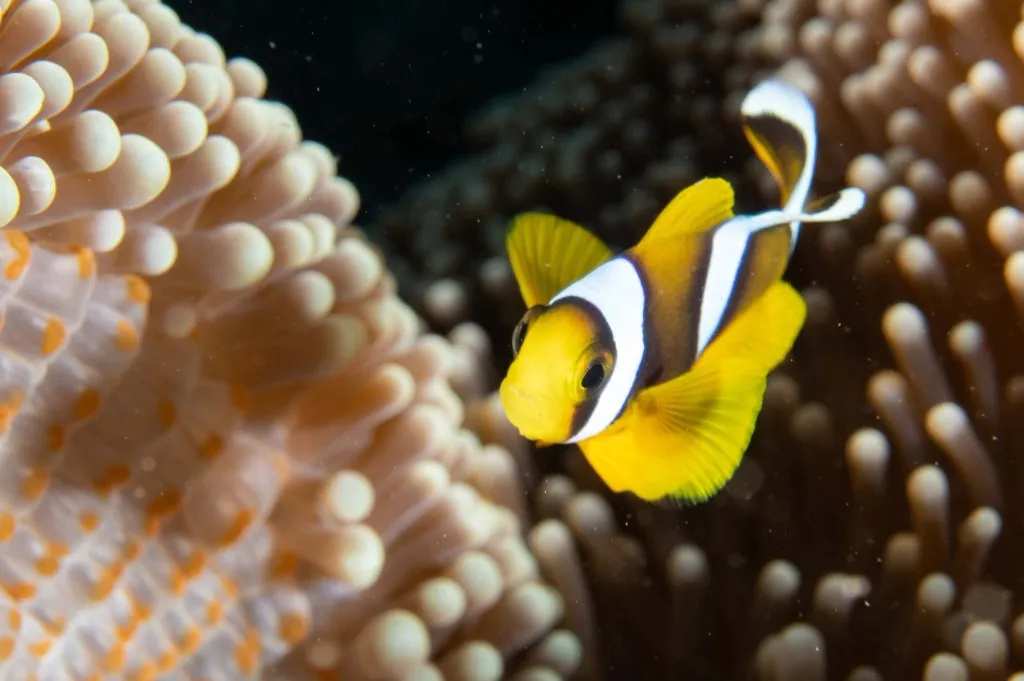
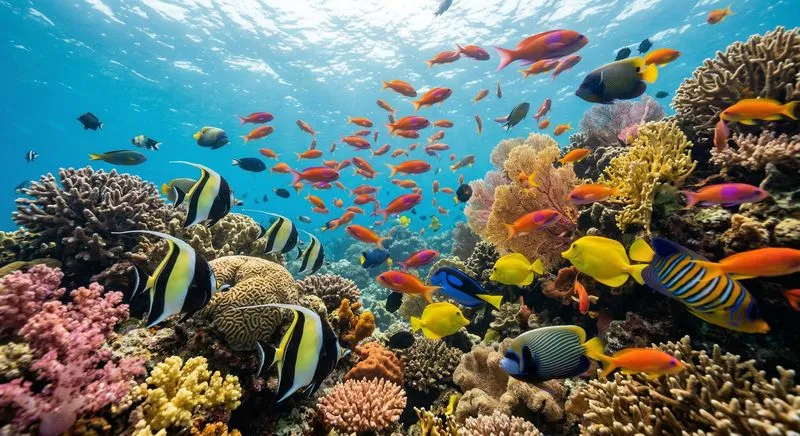
China's marine life is primarily concentrated in its southern coastal regions, particularly around Hainan Island, where tropical ecosystems thrive. Here, divers can explore extensive coral reefs, home to a variety of reef fish.
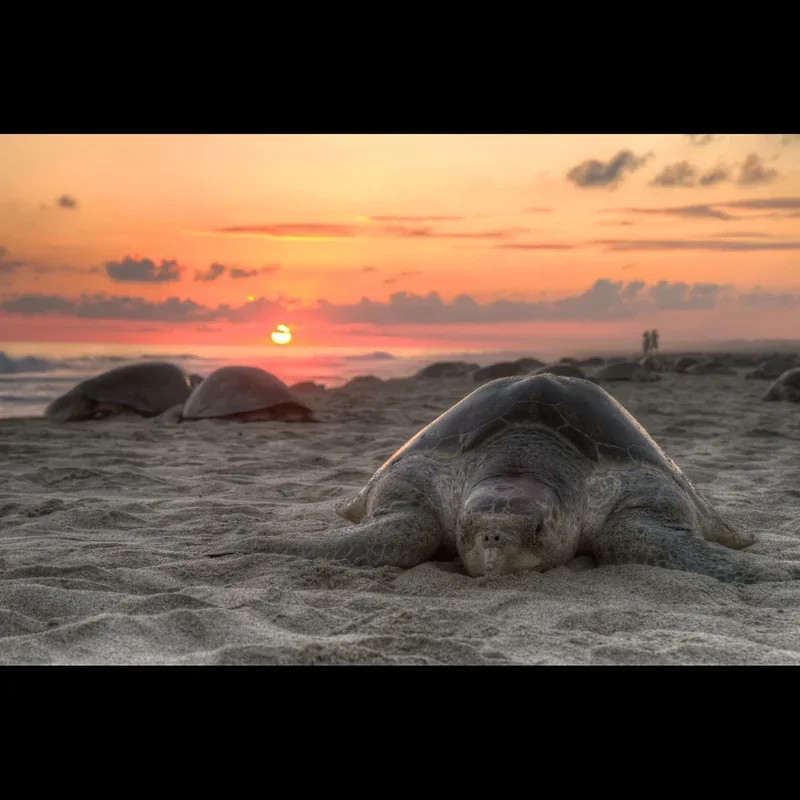
These reefs host species such as butterflyfish, angelfish, and parrotfish. Sea turtles are a common sight, especially in protected areas like Wuzhizhou Island and Nanshan Marine Park. Divers may also encounter reef sharks, which generally maintain their distance, as well as rays gracefully moving through deeper waters. Moray eels and octopuses can be found hiding in crevices among the corals, alongside clownfish and sea anemones.
In stark contrast, freshwater dive sites like Qiandao Lake offer a different ecological experience. Little visible life is reported in these submerged environments, with observations limited to a few small crabs. Divers exploring the ancient cities beneath the lakes typically do not encounter fish, highlighting the unique focus on archaeological and geological features rather than biological diversity in these specific inland locations.
Regions for Diving
Diving opportunities across China vary significantly, presenting different experiences from tropical marine environments to unique freshwater historical sites. Hainan Island stands out as a primary marine diving destination, contrasting sharply with the inland lake and cave diving found in other provinces.
Hainan, particularly around Sanya, offers accessible coral reef diving with sites like Wuzhizhou Island, the Sanya Coral Reef National Nature Reserve, Yalong Bay, and Nanshan Marine Park. These areas boast warm water temperatures, typically 24-30°C (75-86°F) from March to October, and good visibility, often exceeding 20 m (65 ft) at Wuzhizhou. The dry season from November to April is optimal for these coastal dives, where divers can encounter sea turtles, reef fish, and various corals.
Inland, Zhejiang province provides a distinct experience at Qiandao Lake, home to the submerged Shi Cheng (Lion City). This site offers historical exploration rather than marine life, with challenging conditions including dark waters below 12 m (40 ft) and limited visibility, sometimes just 1.5-7.5 m (5-25 ft). Water temperatures below the thermocline can drop into the 4-9°C (40s°F) range. Guangxi province once featured the Jiutun underwater cave in Du’an, a deep technical dive, but diving in such locations, along with Panjiakou in Hebei and Lükutan in Guangdong, has been prohibited due to safety concerns and regulations. While Hainan focuses on recreational marine diving, other regions lean towards specialized or restricted technical exploration.
Travel & Passport Guide
Travel Basics
Trip Planning
Safety & Diving Considerations
Navigating the regulatory landscape for diving in China necessitates a clear understanding of local rules and specific training requirements. Outside of Hainan Island, local governments have not issued permits to diving clubs since 2013, making diving in unauthorized areas illegal. Any club involved in a fatality in such locations faces immediate closure.
Specific environments, such as the deep, dark, and silty conditions found at Qiandao Lake, demand advanced technical diving certifications and considerable experience. These sites present inherent risks like severely limited visibility, deep depths, and rapid air consumption, requiring proficient buoyancy control and robust lighting. Divers exploring these challenging locations must be adequately trained and equipped.
Environmental hazards also play a role, particularly the low visibility in some lake dives, which can quickly degrade to zero if fine sediment is disturbed, potentially causing disorientation. Coastal diving during typhoon season, from July to September, can also impact visibility and access, so monitoring weather conditions is essential. Furthermore, responsible diving practices, including avoiding contact with delicate corals in marine reserves, are crucial for preserving the underwater ecosystems.
Dive Centers in China
View all 1 dive centers
Frequently Asked Questions
What are the primary diving regions in China?
The main diving regions include Hainan Island, particularly around Sanya, known for its marine environments. Inland, Zhejiang province offers unique freshwater diving in Qiandao Lake. Other regions like Guangxi once featured technical cave diving, but many non-Hainan sites now face prohibitions.
What kind of marine life can I expect to see?
In marine areas like Sanya, divers can encounter sea turtles, reef sharks, rays, barracuda, and a variety of tropical reef fish such as butterflyfish, angelfish, and parrotfish. Hard and soft corals, sea anemones, clownfish, moray eels, and octopuses are also present. Freshwater lakes, however, have very limited visible life, typically only small crabs.
When is the best time to dive in China?
For marine diving in southern regions like Hainan, the dry season from November to April offers optimal conditions. Warmer waters, 24-30°C (75-86°F), are present from March to October. Major holidays like Chinese New Year, Labour Day, and October Golden Week are popular travel times, often coinciding with favorable weather. Typhoon season from July to September can affect conditions.
What are the typical water temperatures?
In southern marine regions like Hainan, water temperatures typically range from 24-30°C (75-86°F) between March and October. In contrast, freshwater lakes such as Qiandao Lake can have significantly colder temperatures, potentially dropping into the 4-9°C (40s°F) range below the thermocline.
Are there any specific safety considerations for diving in China?
Yes, several areas like Panjiakou and Lükutan are prohibited for diving, and operating dive clubs without government permission (outside Hainan) can lead to severe penalties. Diving in deep, dark, and silty lake/cave environments requires advanced technical skills. Typhoon season (July-September) also poses risks to coastal diving, potentially impacting visibility and access.