
Diving in Jamaica
Jamaica offers diverse diving conditions, shaped by local geography, water type, and site accessibility. At present, 10 dive sites are recorded on our platform for Jamaica. It provides a clearer overview of available dive options.
Jamaica's underwater topography presents a diverse array of dive opportunities, primarily along its north and south coasts. Key destinations such as Montego Bay, Negril, and Ocho Rios define the northern dive landscape, while Port Royal, situated near Kingston, offers unique historical exploration in the south. This geographical arrangement provides a wide spectrum of experiences, encompassing vast coral reefs, striking drop-offs, and notable historical wrecks.
These distinct regions cater to varying skill levels. Negril is recognized for its extensive coral reefs and shallower dives, making it suitable for newer divers. Conversely, sites around Ocho Rios and Port Royal combine reef and wreck diving, with options ranging from accessible inshore reefs to more advanced wall dives and drop-offs, some influenced by the Cayman Trench.
Protected marine areas, including the Montego Bay Marine Park, safeguard these ecosystems. The island's waters host diverse marine life, such as sea turtles, stingrays, and eagle rays. Tropical fish like angelfish and parrotfish are common, alongside moray eels, lobsters, and nurse sharks, all inhabiting colorful coral formations, sponges, and sea fans.
Dive Map of Jamaica
Jamaica's coastal waters are structured into distinct dive zones, influencing how visitors approach their underwater explorations. The northern coastline encompasses the primary concentration of dive sites and operations, with hubs such as Montego Bay, Negril, and Ocho Rios. Such an arrangement facilitates access to diverse locations, simplifying itinerary planning for many.
Further east, Port Antonio offers a more secluded option. Near Kingston, the historic Port Royal provides diving opportunities on the south coast. This geographical spread ensures a spectrum of underwater environments, from protected marine parks to historical wreck sites.
Divers can choose a base that aligns with their preferred dive style, whether seeking Negril's extensive reefs, Montego Bay's marine park with drop-offs, or Ocho Rios' blend of reefs and artificial wrecks like the SS Kathryn.
Dive Sites to Explore
View all 10 sites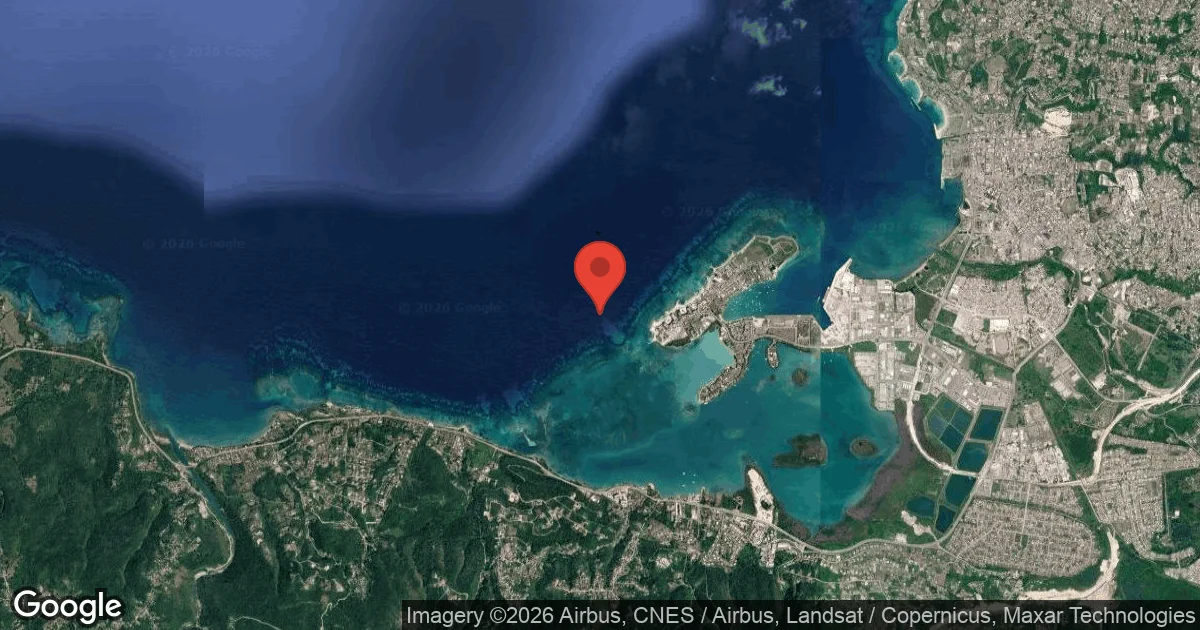
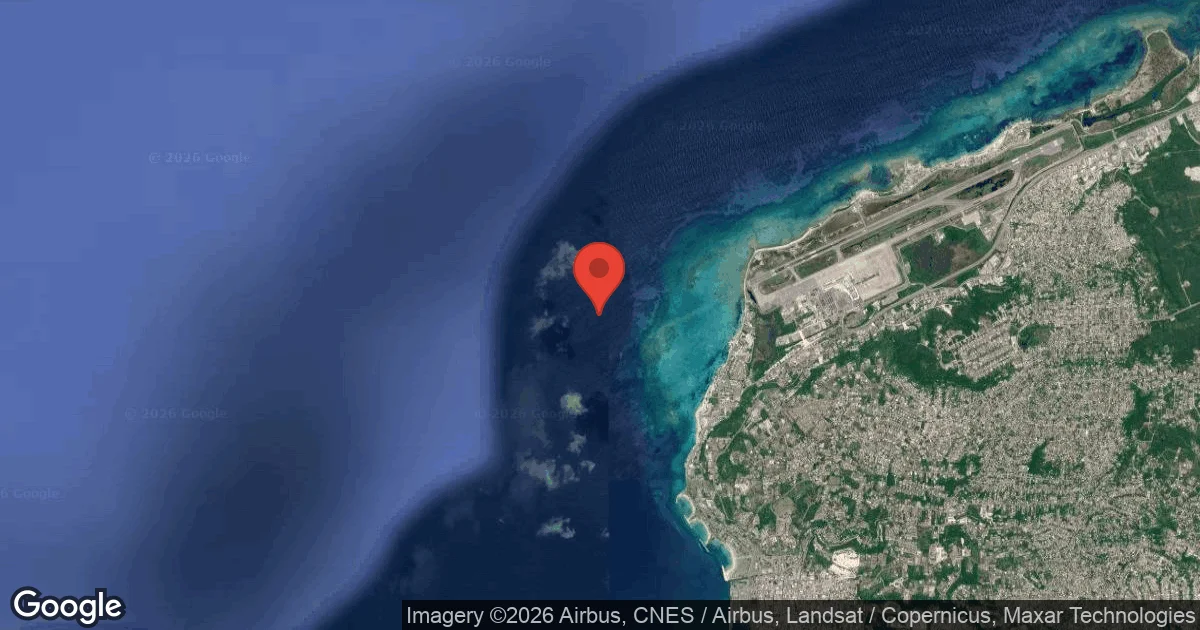
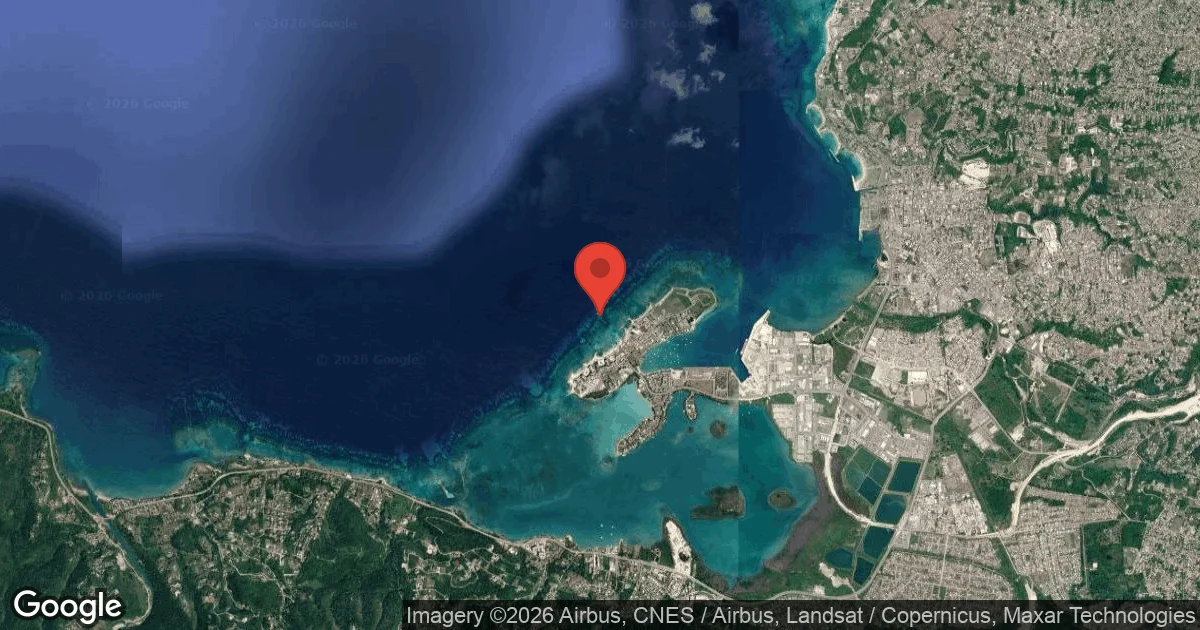
Exploring Jamaica's underwater landscape reveals a collection of sites, often grouped by their proximity to major dive destinations. These locations offer a spectrum of experiences, from shallow coral gardens to deeper walls and historical wrecks. Visibility generally ranges from 10 to 40 meters (32 to 131 feet), occasionally reaching greater distances, allowing for clear views of the diverse marine structures and inhabitants.
Dive sites are distributed across areas like Negril, Montego Bay, Ocho Rios, and the historic Port Royal. Each region has its signature dives, appealing to different preferences, whether for beginner-friendly reefs or advanced cavern and wreck explorations. The sites mentioned clearly indicate a mix of reefs, caverns, and wrecks available across the island's diveable coasts.
Here are some notable dive sites:
* Throne Room (Negril): This popular underwater cavern is a beginner-friendly site, located around 18 meters (60 feet) below the surface. It is known for its large elephant-ear sponges resembling thrones and abundant marine life. Mild currents in Negril allow for relaxed exploration, making it suitable for observing smaller creatures.
* Widowmaker's Cave (Montego Bay): Considered an advanced cavern dive, Widowmaker's Cave has entrances at 11 meters (35 feet) and 24 meters (80 feet). It is a significant site within the Montego Bay Marine Park, housing moray eels, nurse sharks, and grouper within its ledges.
* SS Kathryn (Ocho Rios): Jamaica's most popular wreck dive, the SS Kathryn was intentionally sunk in the 1950s to create an artificial reef. This wreck has become a thriving ecosystem, attracting schools of snapper, sergeant majors, and hamlets. Divers can also find sea snakes, lobsters, and moray eels within its structure.
* Port Royal (Kingston): This ancient submerged city offers historical wreck dives alongside healthy coral reef systems. These sites provide a glimpse into Jamaica’s maritime past, with several sunken ships and artifacts integrated into the natural environment.
* The Arches (Negril): Located just offshore, The Arches and The Caves feature fascinating underwater structures and caverns connected by a narrow tunnel. This site is known for its unique geological formations and has been associated with dolphin sightings.
Best Time to Dive in Jamaica
Optimal diving conditions in Jamaica are typically experienced from December to April, characterized by calm seas and consistently good visibility. During this period, visibility often ranges from 20 to 40 meters (66 to 131 feet), providing excellent clarity for underwater exploration. Currents are generally mild, contributing to a relaxed diving environment across many sites. This season is also a good time to spot certain marine life, as eagle rays and reef sharks are more commonly encountered.
While diving is possible year-round, the hurricane season can introduce challenges, including decreased visibility, stronger winds, and higher waves. However, even after storms, currents typically help clear sediment quickly, restoring visibility. Late summer is also noted for warm water temperatures and a lack of strong winds, suggesting favorable conditions outside the peak season for those prioritizing warmth and calm.
Winter months, from December to April, offer a comfortable balance of calm conditions and good visibility. During this time, water temperatures are a comfortable 26-28°C (79-82°F). The consistency of these conditions makes the winter and early spring an ideal window for planning a dive trip, ensuring a high likelihood of pleasant underwater experiences. Sea turtles are also frequently seen throughout the year, adding to the consistent marine encounters.
Monthly Sea Temperatures
Jamaica's sea temperatures remain consistently warm throughout the year, ensuring comfortable diving conditions regardless of the season. The water generally ranges between 26-29°C (79-84°F), exhibiting minimal fluctuations between its warmest and coldest periods. This stable thermal environment is a significant draw for divers, eliminating the need for heavy thermal protection.
During the winter months, specifically from December to April, temperatures typically hover around 26-28°C (79-82°F). The late summer season can see slightly warmer waters, occasionally reaching up to 29°C (84°F), which some describe as exceptionally mild. The average water temperature across the year settles around 28°C (82°F).
This consistent warmth means divers often find a 3mm wetsuit to be sufficient for thermal comfort. Many may even opt to dive without one, particularly during the warmer months, allowing for greater freedom of movement underwater. The predictable and inviting warmth of the ocean contributes significantly to a relaxed and enjoyable dive experience.
| Jan | Feb | Mar | Apr | May | Jun | Jul | Aug | Sep | Oct | Nov | Dec | |
|---|---|---|---|---|---|---|---|---|---|---|---|---|
| Max | 28° | 28° | 28° | 29° | 30° | 30° | 30° | 31° | 31° | 30° | 30° | 29° |
| Avg | 27° | 27° | 27° | 28° | 28° | 29° | 29° | 30° | 30° | 29° | 29° | 28° |
| Min | 26° | 26° | 27° | 27° | 27° | 28° | 28° | 29° | 29° | 28° | 28° | 28° |
Dive Conditions
Jamaica's dive conditions are generally stable, offering dependable underwater experiences for much of the year, though some variability exists depending on the season and specific location. Visibility is typically good, ranging from 10 to 30 meters (32 to 100 feet), and can sometimes extend up to 40 meters (131 feet) or more. Clear water is a common characteristic, allowing for expansive views of the reef structures and marine life.
Currents around Jamaica are mostly mild, particularly in areas like Negril, which allows for relaxed, slow diving and excellent opportunities for macro observations, such as spotting seahorses. However, stronger currents can be encountered in certain areas, especially where larger gorgonians thrive, indicating nutrient-rich waters. Divers should be prepared for varying current strengths based on the specific dive site and daily conditions.
Hurricane season, while not impacting every year, can introduce the most significant variability, leading to decreased visibility, stronger winds, and higher waves. Despite this, currents often help to clear any suspended sediment relatively quickly, restoring underwater clarity. Overall, divers can anticipate predominantly favorable and clear conditions.
Marine Life Highlights
Most Mentioned Species
Marine life in Jamaica varies across dive locations, with different species appearing depending on environment and conditions. The species highlighted here are the most frequently associated with dive sites in our data, offering a realistic overview of what divers are most likely to encounter.
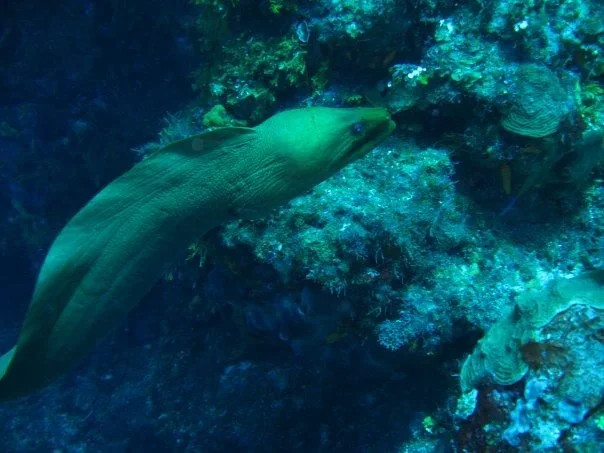
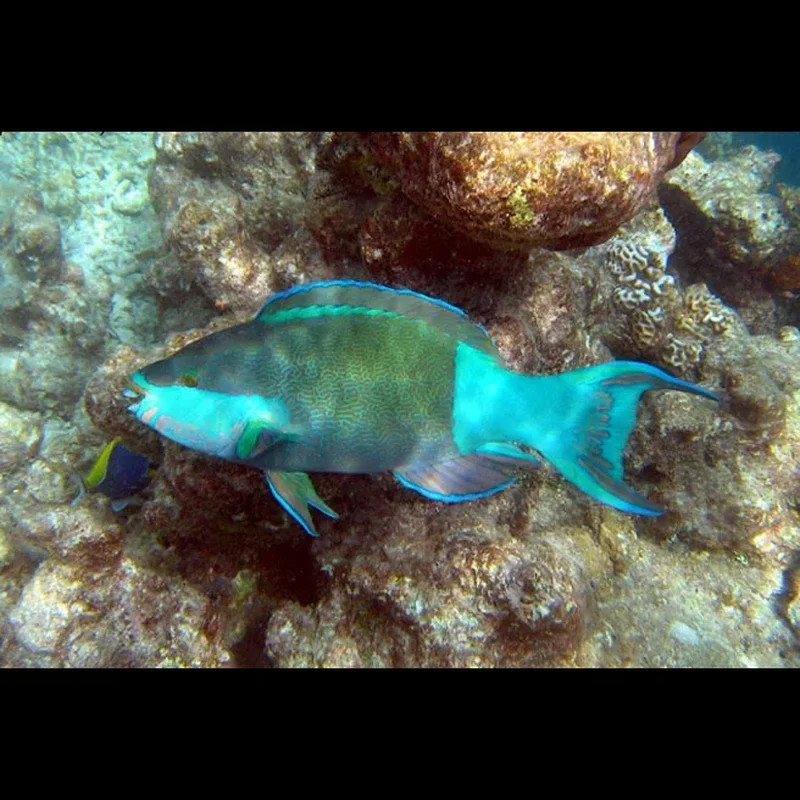
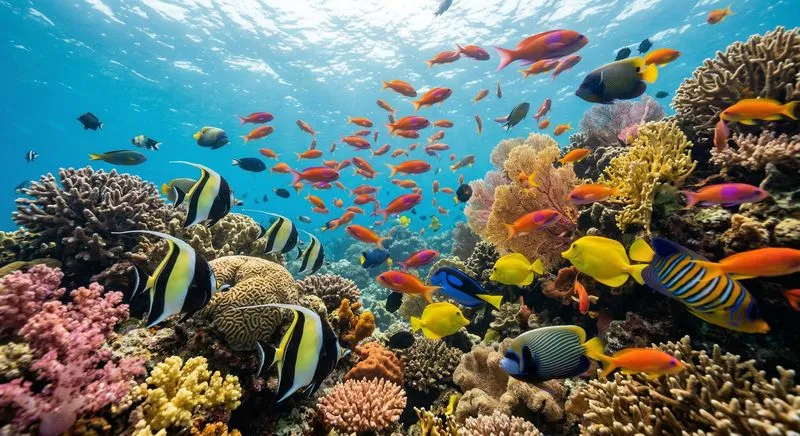
Jamaica's marine ecosystems support a diverse range of species, with some notable encounters linked to specific seasons. Sea turtles are a consistent presence, frequently observed year-round across various dive sites. During the cooler winter months, from December to April, divers have a higher chance of spotting larger pelagic species such as eagle rays and reef sharks.
The coral reefs themselves are home to a wide array of tropical fish, including angelfish, parrotfish, snapper, sergeant majors, and hamlets. Moray eels are commonly found tucked into crevices, alongside lobsters, crabs, and shrimp, adding to the invertebrate diversity. Delicate creatures like seahorses can be found in areas with mild currents, such as Negril, where divers can take their time to observe them.
The underwater landscape is adorned with diverse corals, large gorgonians, and various sponges, including prominent elephant-ear sponges. Nurse sharks are also present, often found resting in ledges or within wrecks. Occasional sightings of dolphins and stingrays further enrich the diving experience.
Regions for Diving
Jamaica offers distinct diving experiences across its primary regions, each with unique characteristics that cater to different diver preferences. While water temperatures remain consistently warm, typically 26-29°C (79-84°F) year-round, and good visibility is common across the island, the type of dive sites and local conditions vary.
Montego Bay This region is known for the Montego Bay Marine Park, a protected area that boasts coral reefs and diverse marine life. Montego Bay offers a mix of reef diving and dramatic drop-offs. A notable site here is Widowmaker’s Cave, an advanced cavern dive with entrances at 11 meters (35 feet) and 24 meters (80 feet), providing opportunities to see moray eels, nurse sharks, and grouper. Visibility often ranges from 10 to 30 meters (32 to 100 feet). The calm conditions from December to April are particularly favorable here.
Negril Located on the western end of the island, Negril is characterized by its extensive coral reefs and shallow dives, making it suitable for beginners. Sites like the Throne Room are popular underwater caverns, featuring large elephant-ear sponges and abundant smaller marine life. The Arches and The Caves, with their fascinating underwater structures and tunnels, are also found here. Negril typically experiences mild currents, allowing for relaxed diving and better chances of spotting seahorses. Visibility is consistently good, often reaching 20-40 meters (66-131 feet).
Ocho Rios On the north coast, Ocho Rios provides a mix of reef and wreck diving. Sites like Shipwreck Reef and Devil’s Reef offer varied underwater topography. The SS Kathryn is Jamaica's most popular wreck dive, sunk in the 1950s to create an artificial reef now teeming with snapper, sergeant majors, and hamlets. The caverns around Catherine’s Wreck also provide interesting exploration. This area offers a balance of natural reef structures and historical artificial reefs.
Port Royal / Kingston Near the capital city of Kingston, the historic waters of Port Royal are a key destination for wreck diving. This ancient submerged city allows divers to explore several sunken ships and artifacts, offering a glimpse into Jamaica’s maritime history. These historical sites are often surrounded by healthy coral reef systems. While the focus is on wrecks, the integration with natural reefs provides a diverse experience.
Travel & Passport Guide
Travel Basics
Trip Planning
Safety & Diving Considerations
Diving in Jamaica generally presents manageable conditions, but safety considerations primarily revolve around understanding local currents and potential weather impacts. While many areas, such as Negril, are known for mild currents, certain sites, particularly those with significant gorgonian growth, can experience stronger flows. Divers should always consult with local dive operators regarding daily current conditions and dive plans, especially for deeper or more exposed sites.
Visibility is typically good, ranging from 10 to 40 meters (32 to 131 feet), but it can be affected by weather. Hurricane season introduces the risk of decreased visibility, strong winds, and high waves. It is crucial to monitor weather forecasts and adhere to local advice during these periods. Reputable dive centers will prioritize diver safety by assessing conditions and adjusting itineraries as needed.
Ensuring all dive equipment is well-maintained and following standard safe diving practices are fundamental. Divers should carry appropriate certifications for the planned dives and consider any specific training needed for cavern or wreck explorations. Planning and communication with experienced local guides are key to a safe and enjoyable diving experience.
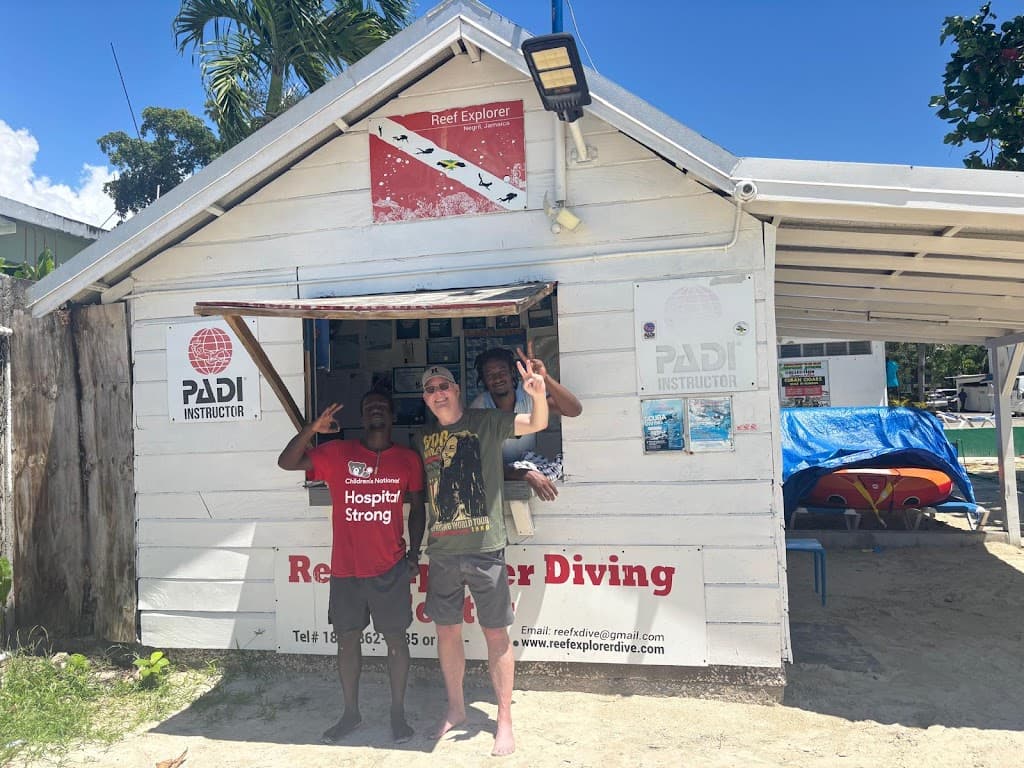
Dive Centers in Jamaica
View all 4 dive centers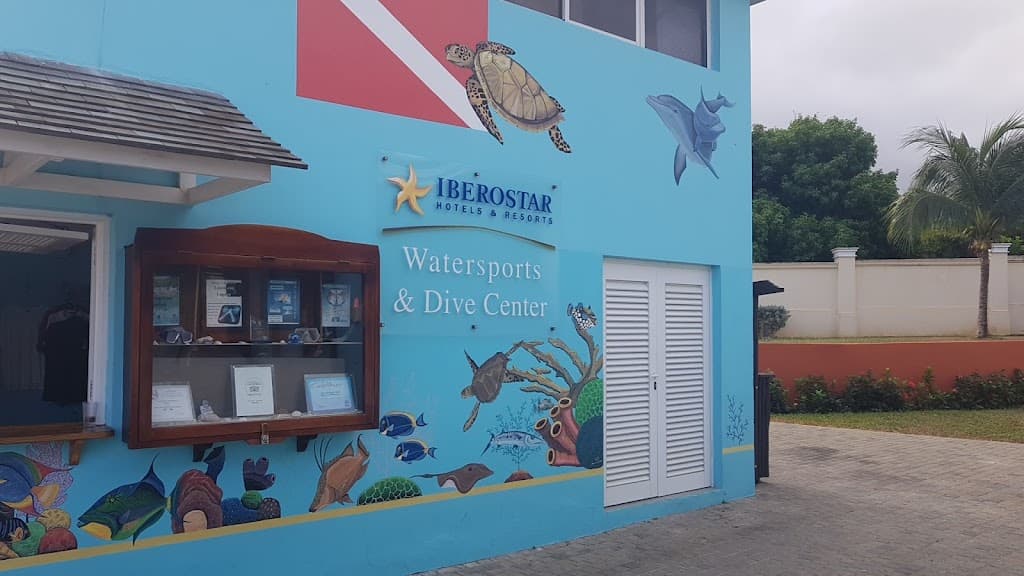
Frequently Asked Questions
What are the typical sea temperatures for diving in Jamaica?
Jamaica offers consistently warm waters throughout the year. Sea temperatures generally range between 26-29°C (79-84°F). During the winter months, temperatures average around 26-28°C (79-82°F), while late summer can see the warmest waters. This consistent warmth means that most divers will find a 3mm wetsuit sufficient, or may even be comfortable diving without one.
When is the best time of year to go diving in Jamaica?
The optimal period for diving in Jamaica is typically from December to April. This season is characterized by calm seas, good visibility, and mild currents, making for pleasant underwater conditions. While diving is possible year-round, this window offers the most consistent and favorable weather, minimizing the risk of disruptions from stronger winds or higher waves.
What kind of marine life can divers expect to see in Jamaica?
Divers in Jamaica can encounter a variety of marine life. Sea turtles are a frequent sight throughout the year. During winter, there's an increased chance of spotting eagle rays and reef sharks. The coral reefs teem with tropical fish such as angelfish, parrotfish, and snapper. Moray eels, lobsters, and nurse sharks are also commonly observed among the corals and wrecks. Delicate seahorses can be found in calmer areas like Negril.
Which regions are recommended for diving in Jamaica?
Key diving regions in Jamaica include Montego Bay, Negril, Ocho Rios, and Port Royal. Montego Bay is known for its marine park and sites like Widowmaker's Cave. Negril offers extensive coral reefs and shallow dives, including the Throne Room and The Arches. Ocho Rios features a mix of reef and wreck diving, with the popular SS Kathryn. Port Royal specializes in historical wreck dives near Kingston. Each region provides distinct experiences for divers.
What are the general visibility and current conditions in Jamaica?
Jamaica typically offers good visibility, ranging from 10 to 40 meters (32 to 131 feet), allowing for clear views of the underwater scenery. Currents are generally mild across many dive sites, especially in areas like Negril, which is conducive to relaxed diving. However, stronger currents can be present in specific locations. Visibility can decrease during hurricane season, but currents usually help clear sediment quickly.