
Diving in Peru
Exploring dive sites in Peru involves navigating different conditions, with variations in visibility, depth, and access. 6 dive locations are currently indexed within Peru on our platform.
Peru's diving identity is shaped by its distinctive Pacific coast, where nutrient-rich cold waters meet a vibrant mix of temperate and tropical species. This unique environment, influenced by the Humboldt Current, creates an underwater landscape unlike more conventional tropical destinations. Divers can explore diverse habitats, from extensive kelp forests to rocky reefs and even historical wrecks.
The country’s diving landscape is remarkably diverse, spanning from the central waters of Lima and the tropical reefs of Los Órganos to the rugged, untouched southern reaches of Moquegua. Each region offers a unique underwater adventure, characterized by frequent encounters with majestic marine mammals and a vibrant, dense population of fish species.
Key destinations like the Palomino Islands near Lima are known for their lively sea lion colonies. Further north, the warmer waters of the Tropical Pacific Coast host green sea turtles and colorful reef fish. This combination of cold-water biodiversity and pockets of warmer, more tropical conditions provides a compelling and varied dive adventure.
Dive Map of Peru
Peru's underwater world unfolds across a diverse Pacific coastline, with distinct dive regions spanning its length. From the lively capital area around Lima to the less-frequented southern reaches, each zone presents unique sites for exploration.
Key dive locations such as the Palomino Islands, El Chuncho, and Caleta El Ñuro are concentrated within these varied regions. These spots, alongside others like the Chincha Islands and Punta Veleros Reef, showcase Peru's diverse underwater topography.
Consulting a detailed dive map helps highlight the specific characteristics of destinations like Los Órganos, Pucusana, and Moquegua, allowing divers to pinpoint their preferred experiences and plan accordingly.
Dive Sites to Explore
View all 6 sites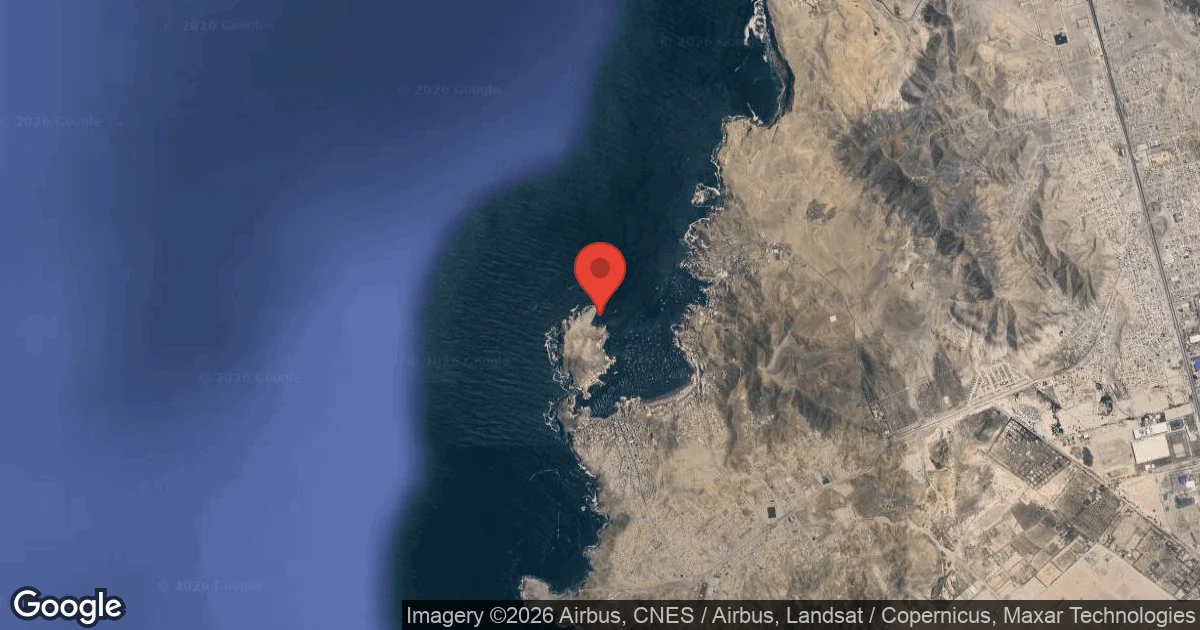
The Palomino Islands near Lima stand out as a premier destination, primarily known for their thriving sea lion colonies and abundant marine life. This area offers an exhilarating experience, allowing divers to interact with playful pinnipeds in their natural habitat.
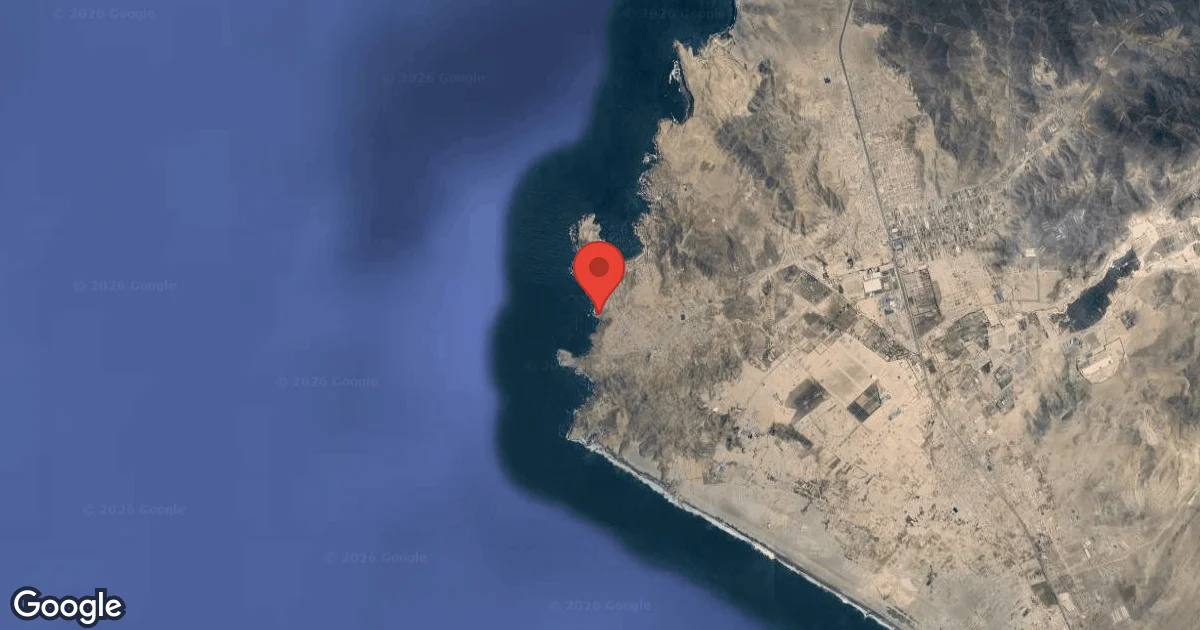
Further south, El Chuncho in Pucusana provides a calm bay with a maximum depth of 14 m (46 ft). Here, divers can navigate a sargassum forest, observing numerous fish, sea stars, crabs, octopuses, and prawns along the rock walls. Nearby, El Venado offers both rocky and sandy bottoms, adding to the variety of underwater scenery in the Pucusana district. Visibility in these areas can range from 5 to 15 m (15 to 50 ft).
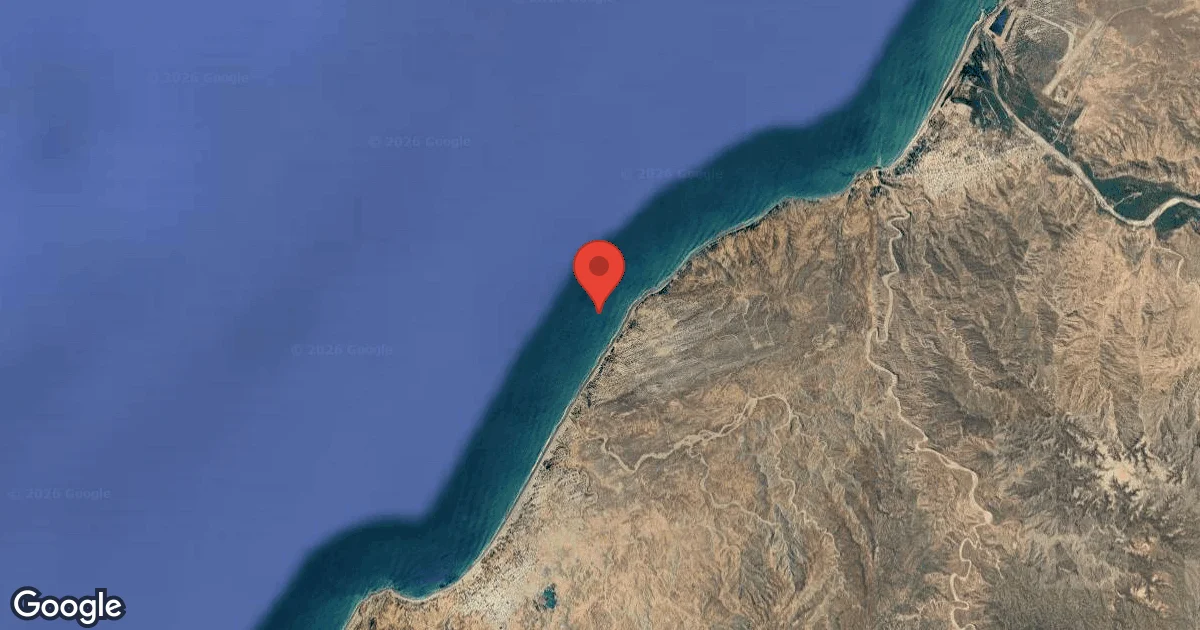
Caleta El Ñuro, a picturesque fishing village, is celebrated for its clear waters and frequent encounters with sea turtles. This site is also home to mesmerizing schools of fish. For those seeking a historical dimension, the Chincha Islands present opportunities for wreck diving, adding a different type of underwater exploration to Peru's offerings. Divers might also explore Punta Veleros Reef in Piura, where butterflyfishes and soft pink corals create a vibrant underwater landscape.
Best Time to Dive in Peru
Considering the dynamics of high and low seasons is key for planning a dive trip to Peru, as conditions vary significantly. The dry season, from May to September, often brings clearer skies and calmer seas, making it an excellent period for reef and wreck diving.
However, for divers who prioritize warmer water, the summer months, from December to March, are ideal, even though this coincides with the wet season. During this time, the water temperatures are at their highest, enhancing comfort for many divers. An additional draw is the seasonal arrival of humpback whales for their breeding season, which occurs from August through October, offering a unique opportunity for wildlife encounters.
Visibility can vary with the season, generally improving in late summer after plankton blooms. Currents may also be less predictable during shoulder seasons, so planning according to specific dive interests and desired conditions is advisable. Overall, Peru offers distinct seasonal advantages for different types of diving experiences.
Monthly Sea Temperatures
Water temperatures in Peru exhibit a notable range, largely influenced by the cold Humboldt Current along much of its coast. Divers typically experience brisk waters averaging around 13°C (55°F) in some southern regions.
During the cooler months from April to November, water temperatures can be as low as 14°C (57°F). In contrast, the summer months, from December to March, see temperatures rise to a warmer 19°C (66°F). The northern Tropical Pacific Coast, particularly around Los Órganos, offers comparatively warm waters that generally do not drop below 20°C (68°F).
For most central diving areas like Lima, temperatures vary between 13-20°C (55-68°F). This necessitates appropriate thermal protection, with a 7 mm wetsuit being a common recommendation; a drysuit, hood, and gloves are often preferred for optimal comfort, especially during colder periods.
| Jan | Feb | Mar | Apr | May | Jun | Jul | Aug | Sep | Oct | Nov | Dec | |
|---|---|---|---|---|---|---|---|---|---|---|---|---|
| Max | 23° | 23° | 25° | 22° | 21° | 20° | 19° | 18° | 17° | 18° | 20° | 21° |
| Avg | 21° | 21° | 21° | 20° | 19° | 18° | 17° | 17° | 16° | 17° | 18° | 20° |
| Min | 19° | 19° | 17° | 17° | 18° | 16° | 15° | 16° | 15° | 15° | 16° | 18° |
Dive Conditions
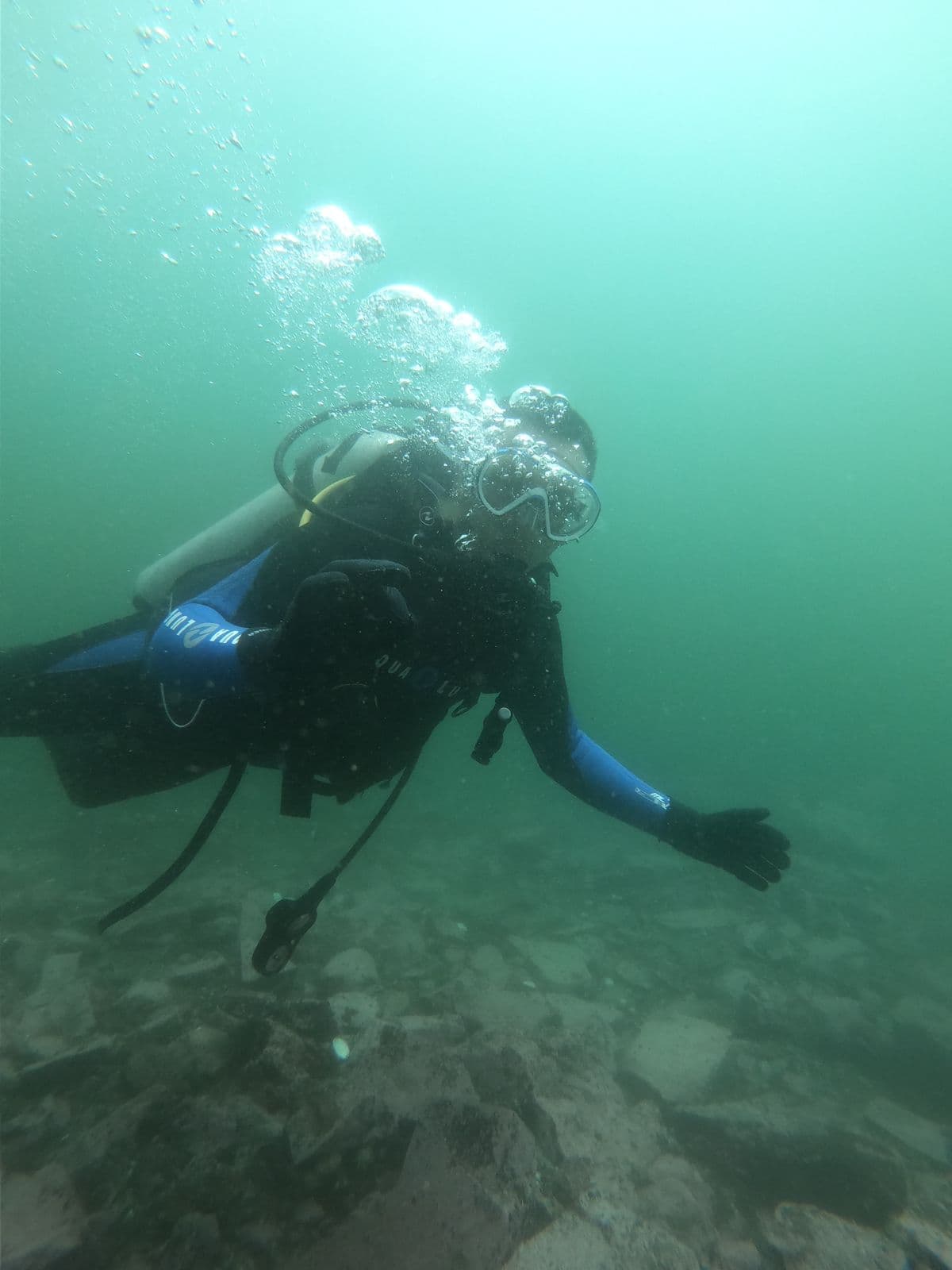
The underwater environment in Peru is characterized by varying visibility and currents, heavily influenced by the nutrient-rich Humboldt Current. Visibility typically ranges from 5 to 15 m (15 to 50 ft), though it can extend up to 18 m (60 ft) on calm days. This can be less predictable and sometimes murky due to plankton blooms, which, while reducing clarity, support the abundant marine life.
Visibility also varies with the season, generally improving in the late summer. Divers should be prepared for varying conditions, as currents can be mild in some sheltered bays like El Chuncho and La Francesa, but more exhilarating for drift dives in other areas. The presence of upwelling further contributes to these dynamic conditions.
Due to the cooler water temperatures and variable visibility, dive lights are often recommended for exploring Peru's diverse underwater terrains, which include kelp forests, rocky reefs, and wall dives. Divers should always consult with local dive centers for the most current conditions.
Marine Life Highlights
Most Mentioned Species
Marine life in Peru varies across dive locations, with different species appearing depending on environment and conditions. The species highlighted here are the most frequently associated with dive sites in our data, offering a realistic overview of what divers are most likely to encounter.
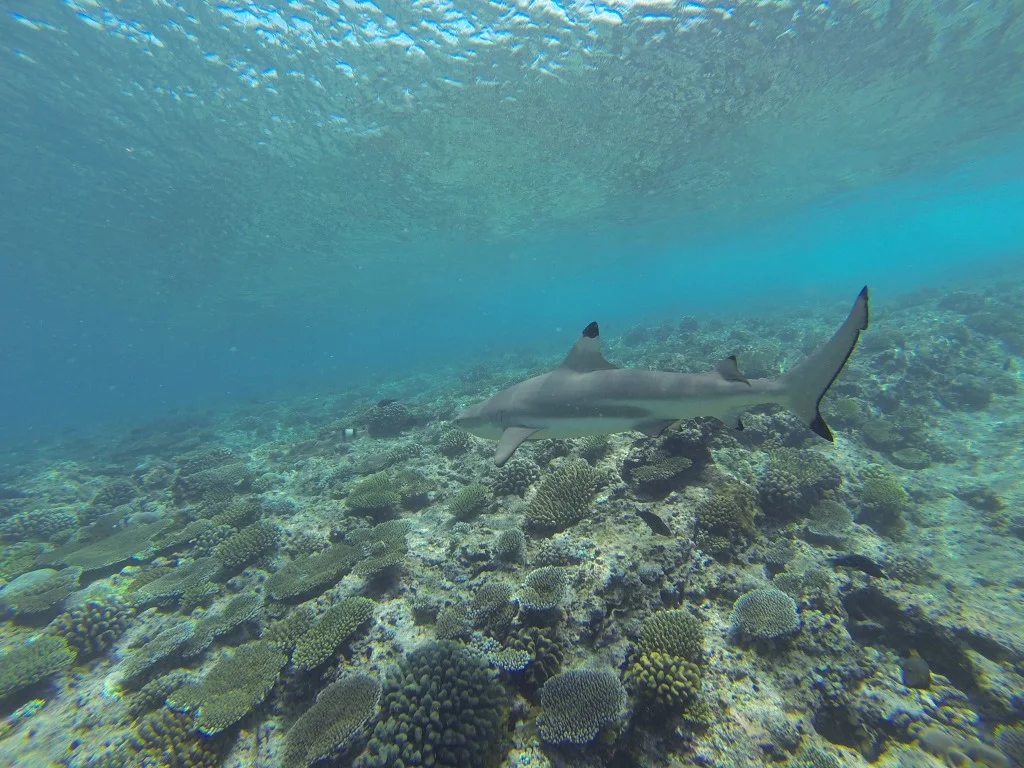
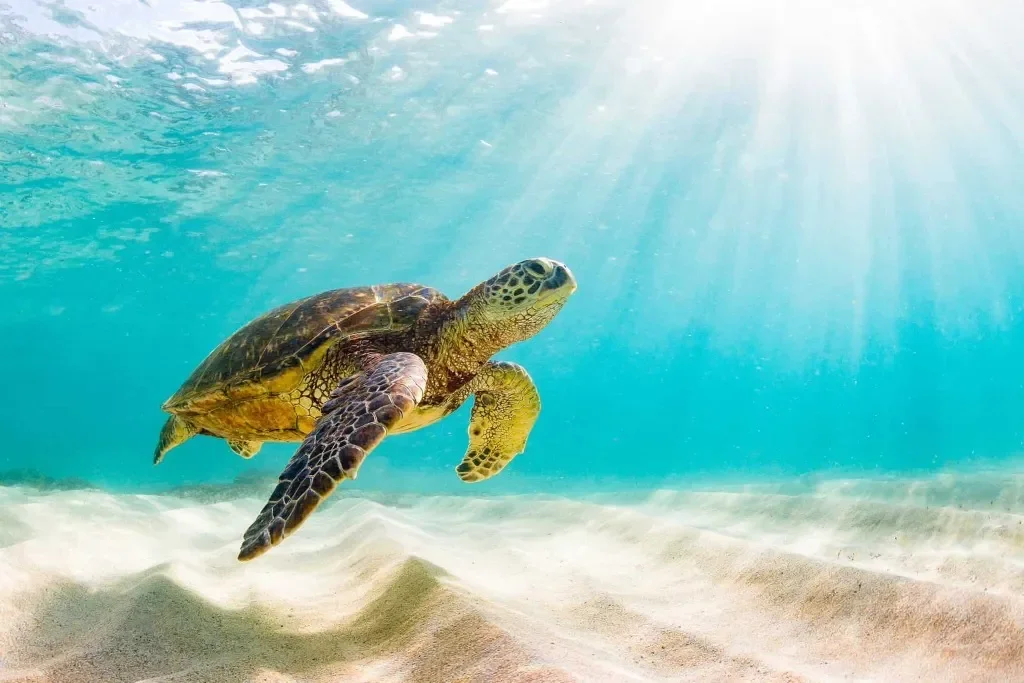
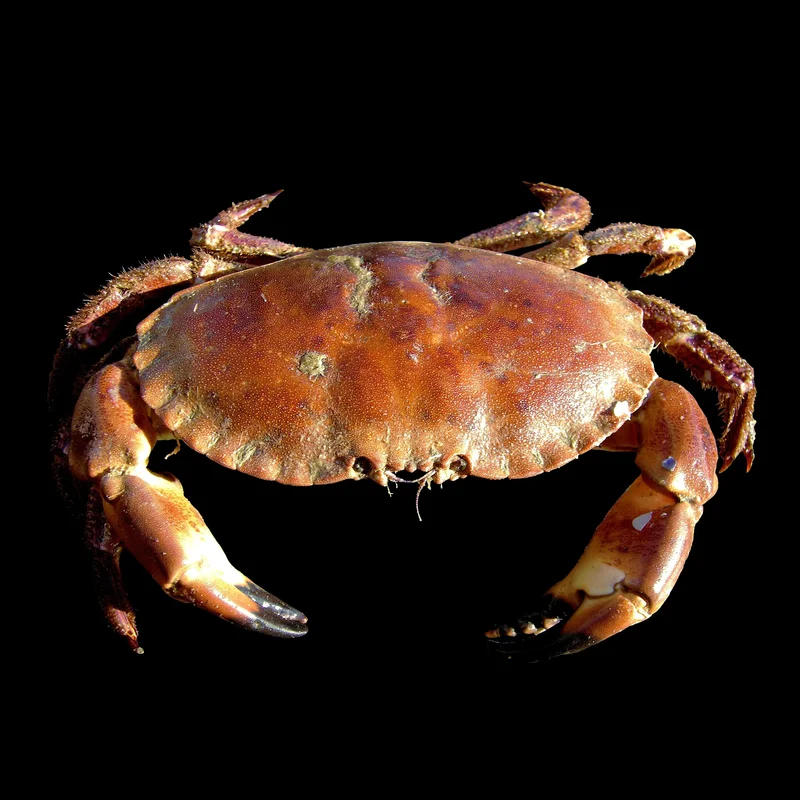
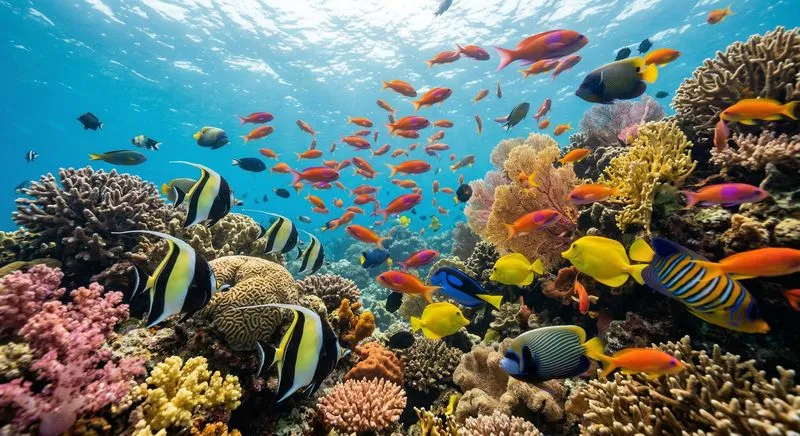
Peru's Pacific waters, enriched by the Humboldt Current, support a diverse and often abundant array of marine life. While not always boasting vibrant coral reefs, the emphasis is on the unique temperate and tropical species adapted to these nutrient-rich conditions.
Divers frequently encounter playful sea lions, especially around destinations like the Palomino Islands and La Lobera. Humboldt penguins are also a highlight in southern dive spots such as the Paracas National Reserve. Green sea turtles are common in areas like Caleta El Ñuro and under Los Organos Pier.
Fish life includes species like butterflyfish, angelfish, wrasses, damselfish, pufferfish, porcupine fish, and the charismatic blue-eyed tramboyo. Seasonal sightings can include larger pelagics such as scalloped hammerheads, manta rays, and even humpback whales during their breeding season from August to October. The underwater landscape also teems with invertebrates like octopuses, moray eels, crabs, prawns, sea stars, anemones, and a variety of nudibranchs, some endemic to the region.
Regions for Diving
Exploring Peru's dive landscape means encountering distinct underwater environments, each with its own character and marine inhabitants. The central region near Lima, encompassing Pucusana and the Palomino Islands, serves as a common starting point for many divers. Pucusana is characterized by kelp forests and sites such as El Chuncho, where sargassum forests shelter various fish, octopuses, and prawns. Water temperatures in this area typically range from 13-20°C (55-68°F), necessitating thick wetsuits.
Further north, the Tropical Pacific Coast, centered around Los Órganos and extending to areas like Piura and Caleta El Ñuro, offers comparatively warmer waters, generally not dropping below 20°C (68°F). This region provides consistent opportunities for encounters with resident green sea turtles and features sites like Punta Veleros Reef, adorned with soft pink corals and butterflyfishes. Diving here often highlights vibrant reef ecosystems.
Towards the south, regions including Moquegua and Arequipa, with destinations such as Caleta San Jose and Puerto Ingles, remain less explored but offer specific encounters like the blue-eyed tramboyo. These southern areas are defined by cooler waters and marine life adapted to the Humboldt Current. For those interested in historical exploration, the Chincha Islands present opportunities for wreck diving. Across these regions, visibility can range from 5 to 20 m (15 to 65 ft), varying with the season and local conditions.
Travel & Passport Guide
Travel Basics
Trip Planning
Safety & Diving Considerations
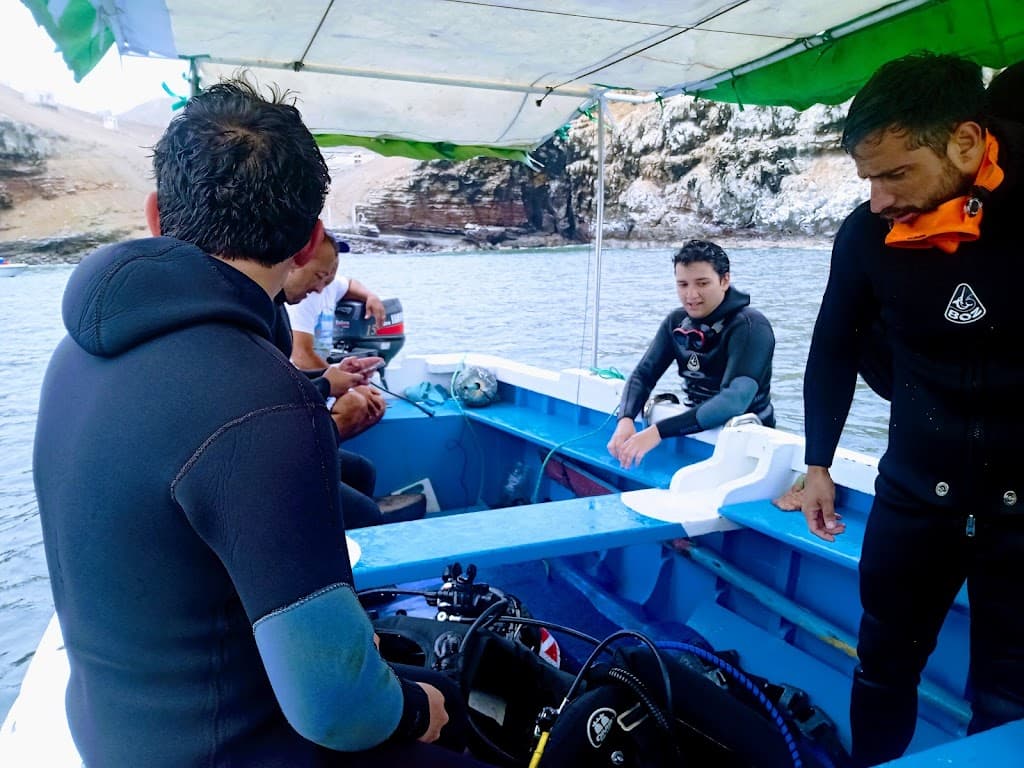
Ensuring a safe and enjoyable dive experience in Peru involves being prepared for its unique conditions. The waters are generally cooler than typical tropical destinations, often ranging from 13-20°C (55-68°F). This means a 7 mm wetsuit is usually necessary, and a drysuit, along with a hood and gloves, is recommended for extended dives or during the colder months.
While some areas have mild currents, others can experience stronger flows, making drift diving exhilarating but requiring careful planning and experience. Divers should always consult with local PADI-certified dive centers, especially in hubs like Los Órganos and Lima, to get the most current information on conditions, site suitability, and necessary gear.
It's important to be aware that visibility can vary, sometimes being less predictable due to plankton blooms. Carrying appropriate dive lights can enhance the experience, especially when exploring deeper sites or kelp forests. Always dive within your certification limits and consider the guidance of experienced local dive guides.
Dive Centers in Peru
View all 12 dive centers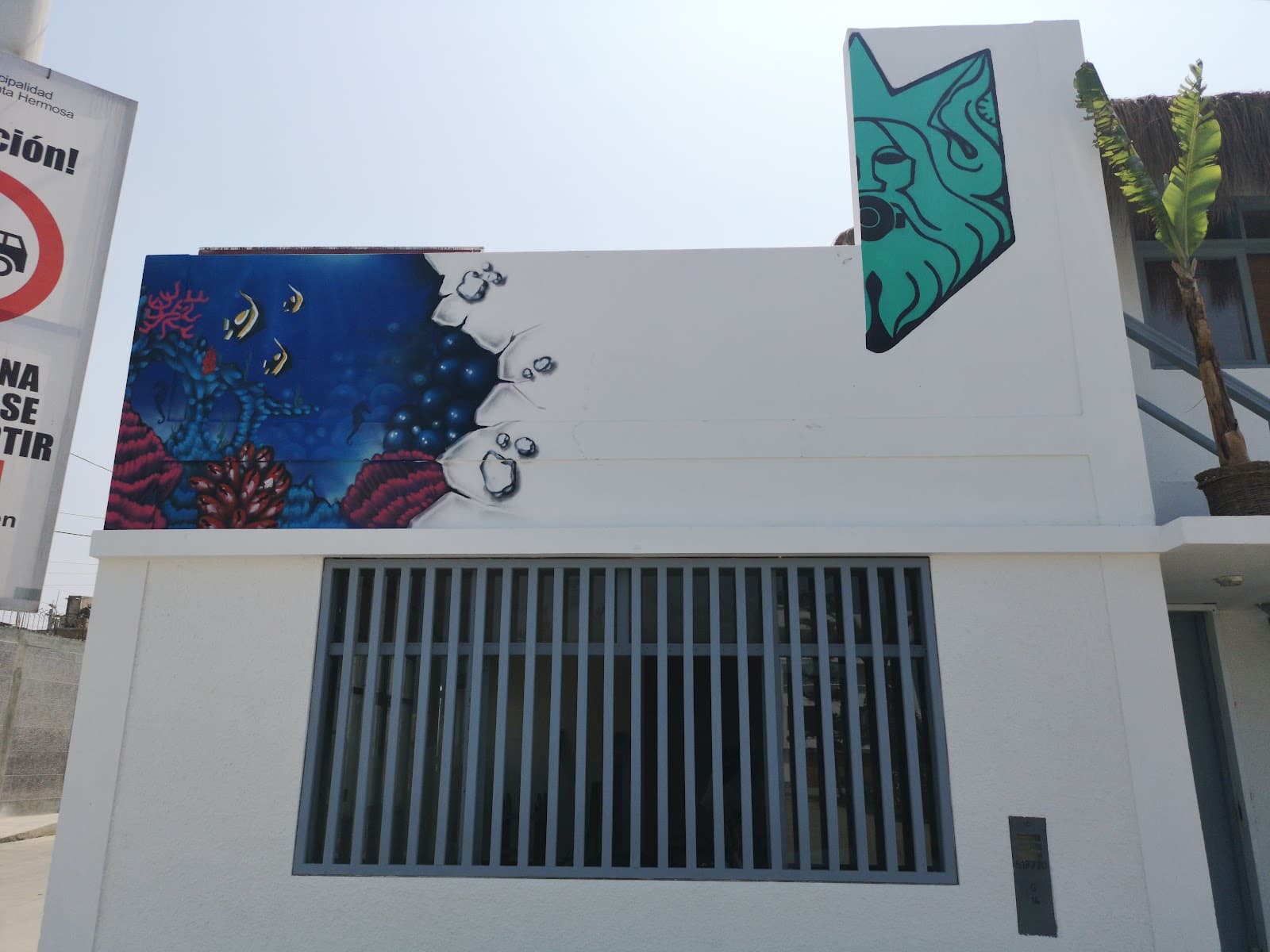
Frequently Asked Questions
What is the best time to dive in Peru?
The best time to dive in Peru depends on your preferences. For calmer seas and clearer skies, the dry season from May to September is ideal for reef and wreck diving. If warmer waters are a priority, the summer months of December to March are best, despite being the wet season. Humpback whales can be seen from August through October.
What are the typical water temperatures in Peru?
Water temperatures in Peru vary significantly. In central and southern areas, they range from a brisk 14°C (57°F) in cooler months to 19°C (66°F) in summer. The northern Tropical Pacific Coast, around Los Órganos, offers warmer waters that typically stay above 20°C (68°F). A 7mm wetsuit is generally recommended, with a drysuit advised for colder regions.
What kind of marine life can I expect to see while diving in Peru?
Peru's nutrient-rich waters support diverse marine life. Divers can encounter sea lions, Humboldt penguins, green sea turtles, and a variety of fish including butterflyfish, angelfish, and pufferfish. Seasonal sightings may include scalloped hammerheads, manta rays, and humpback whales. Invertebrates like octopuses, moray eels, and nudibranchs are also common.
Are there opportunities for wreck diving in Peru?
Yes, Peru offers wreck diving opportunities for adventurous divers. The Chincha Islands, for example, are noted for providing access to historical wrecks, adding an intriguing dimension to underwater exploration. These sites are often best explored during the dry season when clearer skies and calmer seas can enhance the experience.
What are the general visibility conditions in Peru's dive sites?
Visibility in Peru's dive sites typically ranges from 5 to 15 meters (15 to 50 feet), occasionally reaching up to 18 meters (60 feet) on calm days. It can vary with the season and plankton blooms, which, while sometimes reducing clarity, are essential for the rich marine ecosystem. Dive lights are often useful due to these varying conditions.