
Diving at Eastern Reach - Manta Bommie (Australia)
Eastern Reach - Manta Bommie stands out among Australia's dive sites, characterized by its dynamic 'The Group' rock outcrops. This area transforms into an active cleaning station, particularly during the summer, drawing large pelagics. It offers exceptional observations of significant marine interactions on its shallow bommies.
As evening covers Eastern Reach - Manta Bommie, the local air temperature is measured at 21°C. The current wave height at the surface is recorded at 1.6 m. These late-day readings characterize the surface conditions for the night.
Dive Site Location & Key Facts
Dive Site Overview
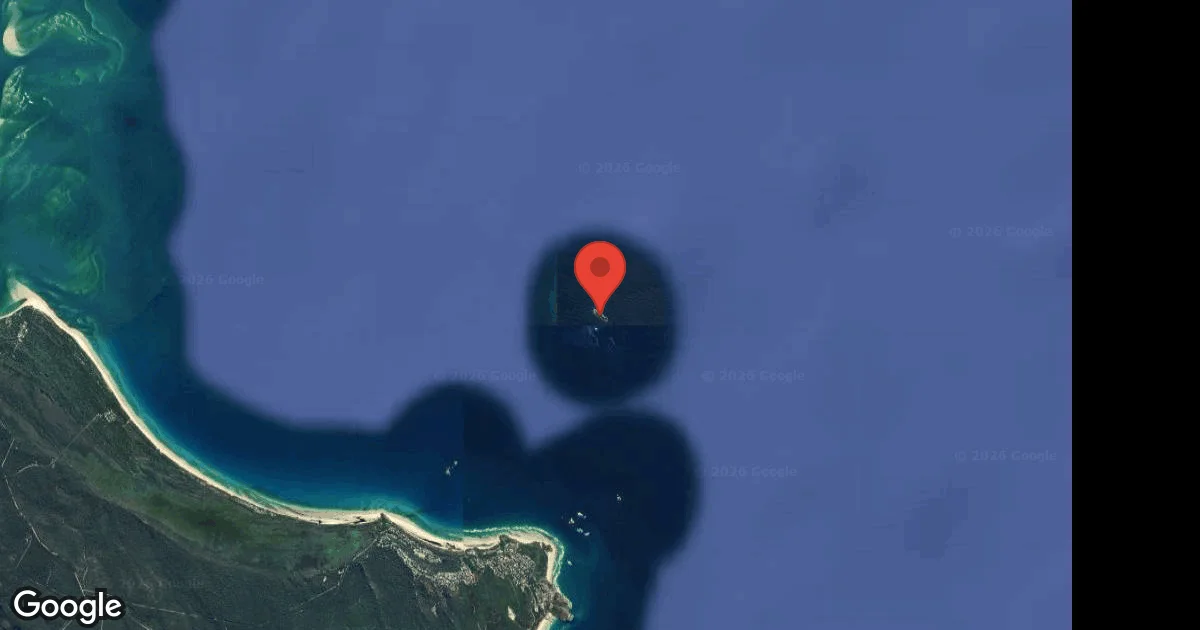
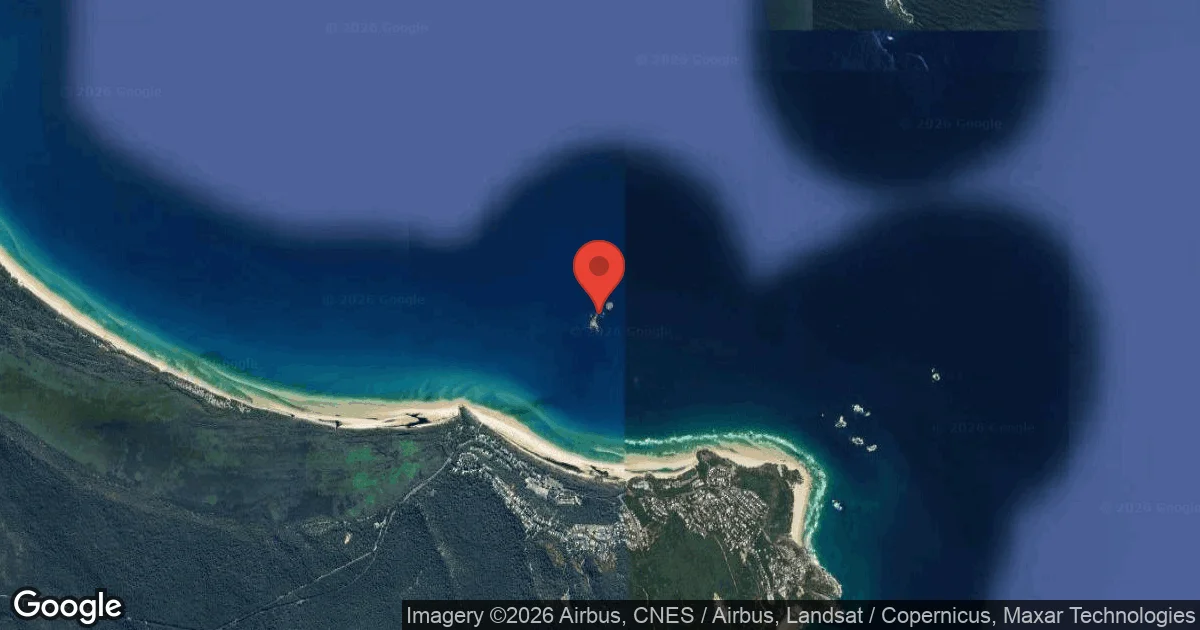
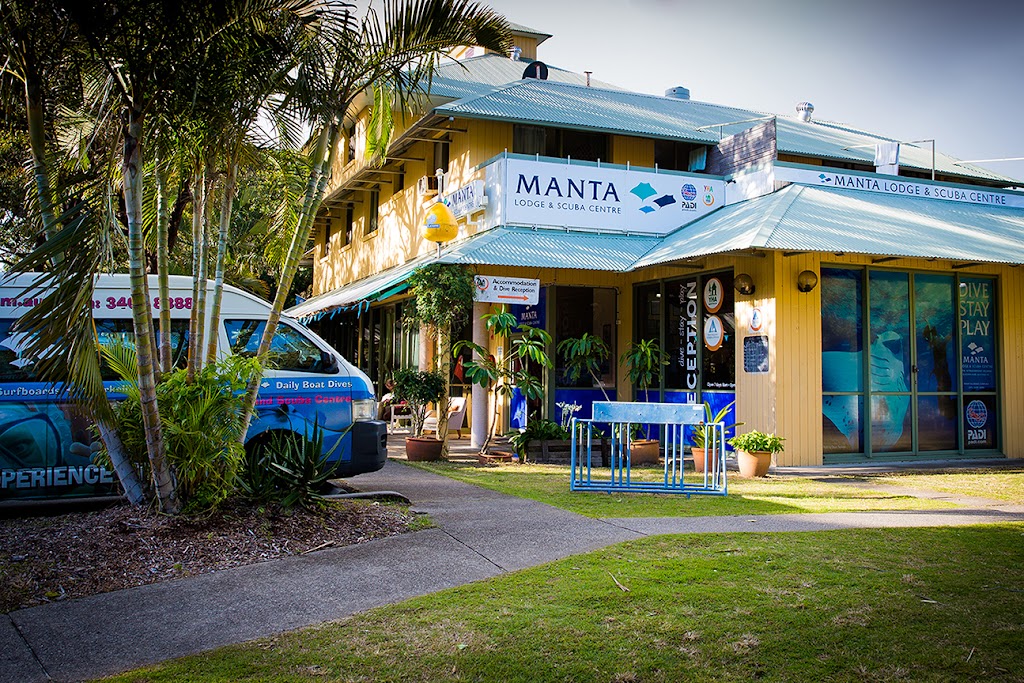
Manta Bommie, named for the iconic Manta Lodge, functions as a critical marine hub centered around three prominent rock outcrops, known as 'The Group'. This dive location offers a primary depth range of 5-15 m (16-50 ft), making it suitable for Open Water, Advanced, and even snorkeling experiences.
During the austral summer, from October through April, these bommies become dynamic cleaning stations, actively drawing in migrating reef manta rays for exceptional close encounters. The interaction between cleaners and large pelagics is a highlight, unfolding consistently at shallower depths. Beyond the peak manta season, divers can often spot large Black Blotched Rays, Leopard Sharks, and various octopuses, frequently seen seeking mates among the formations.
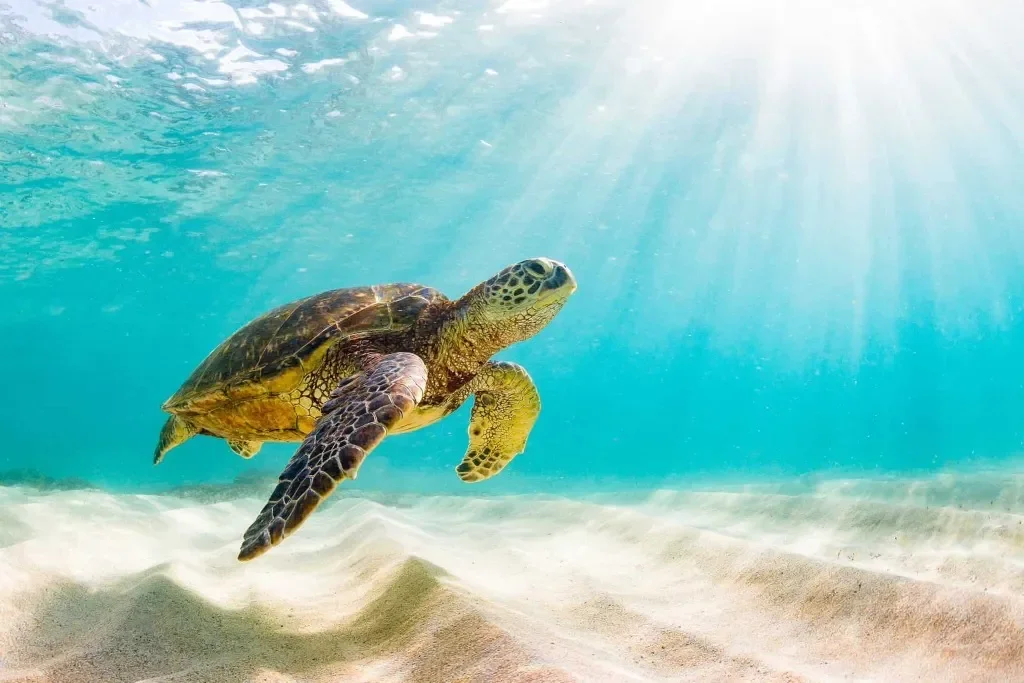
Year-round, the site consistently hosts resident green turtles, bamboo sharks, wobbegong sharks, and a diverse array of other rays. While its vibrant marine life is a significant draw, this exposed area is frequently prone to significant current and swell.
These conditions present a challenging dive, demanding careful planning and appropriate experience to navigate successfully.
Conditions are Good
Optimal conditions expected
Current conditions near Eastern Reach - Manta Bommie show 21° air, 22° sea temperature, 1.3 m waves, and 23 km/h wind. Forecast data is refreshed regularly to ensure accuracy.
Best Time to Dive
Planning a visit to Eastern Reach - Manta Bommie depends heavily on desired marine encounters, with the peak manta ray season running from October through April. During these summer months, air temperatures typically range from 22°C (72°F) in October to 25°C (77°F) in February. While specific water temperatures aren't consistently reported, conditions are generally warm and inviting. For 'Good' dive scores and potentially calmer conditions, the months of June, July, September, and October are notable, often featuring lower average rainfall, such as 1.5-2.5 mm in June and October, compared to over 11 mm in March. Beyond manta season, year-round sightings of turtles, bamboo sharks, and wobbegong sharks make the site consistently engaging.
PEAK SEASON SCORE
Scores combine air & water temps, waves, wind & rainfall for overall conditions.
BEST MONTHS TO DIVE
Monthly records compiled from satellite and marine observation nodes over the last 3 years. Data provided by Open-Meteo and MET Norway.
Dive Experience & Conditions
Approaching Eastern Reach - Manta Bommie, divers should prepare for a potentially exhilarating experience defined by its exposed nature. The site can be subject to considerable current and swell, making it a challenging dive even for experienced divers. Visibility at the cleaning stations varies, but typically allows for clear observations of manta rays and other large species. The sensation of observing cleaner wrasses interacting with large pelagics at depths between 5-15 m (16-50 ft) is a highlight. Navigating the three rock outcrops requires situational awareness, especially when conditions are active. It’s a dynamic underwater environment, often requiring adaptability.
Dive Difficulty & Safety Guidelines
Considering Eastern Reach - Manta Bommie's susceptibility to current and swell, divers should possess adequate experience, typically Open Water or Advanced certification, to comfortably navigate its conditions. Strong currents may necessitate drift diving techniques and a confident approach to entries and exits. Always consult with local dive operators regarding daily forecasts, as dive site accessibility is heavily influenced by prevailing weather.
Maintain situational awareness, especially near the cleaning stations, to avoid disturbing marine life and to manage any sudden changes in current.
Recommended Equipment
- Dive Computer
- DSMB
This gear list is based on verified equipment signals for Eastern Reach - Manta Bommie, Australia. Always confirm final gear choices with your dive operator, guide, or liveaboard.
Recommended Dive Suit
Forecast conditions over the next few days suggest temperatures will remain relatively stable.
Two divers in the same water temperature may experience very different comfort levels.
Many divers find that 3-5mm wetsuit offers the right level of insulation for conditions like these. A hood or vest is suggested for sensitive divers due to surface winds. Surface intervals may feel cooler. The surrounding waters at Eastern Reach - Manta Bommie are currently registering temperatures of roughly 22°C (71°F). Surface air temperatures are resting at 21°C (69°F).
Due to technical issues with our weather providers, live updates are temporarily delayed. The data above reflects the conditions at the time of the last successful fetch.
Emergency & Medical Support
Essential information to help you plan your dive trip to Eastern Reach - Manta Bommie.

Hyperbaric chambers are a critical part of dive safety infrastructure. Availability varies significantly by region, and not all dive areas have immediate access.
Before diving, it's recommended to:
- confirm nearest medical facilities
- check emergency procedures with local dive operators
- ensure dive insurance covers evacuation if required
Divers Alert Network
Diving emergency assistance available through DAN World.
+1-919-684-9111- 24/7 emergency hotline
- Diving medical assistance
- Evacuation coordination
Emergency contacts are provided for reference. Always verify local emergency services before diving.
Marine Life at Eastern Reach - Manta Bommie
The structural composition of the 'The Group' rock outcrops forms natural cleaning stations, acting as a magnet for a diverse array of marine life. During summer, reef manta rays are the primary spectacle, utilizing these stations for cleaning.
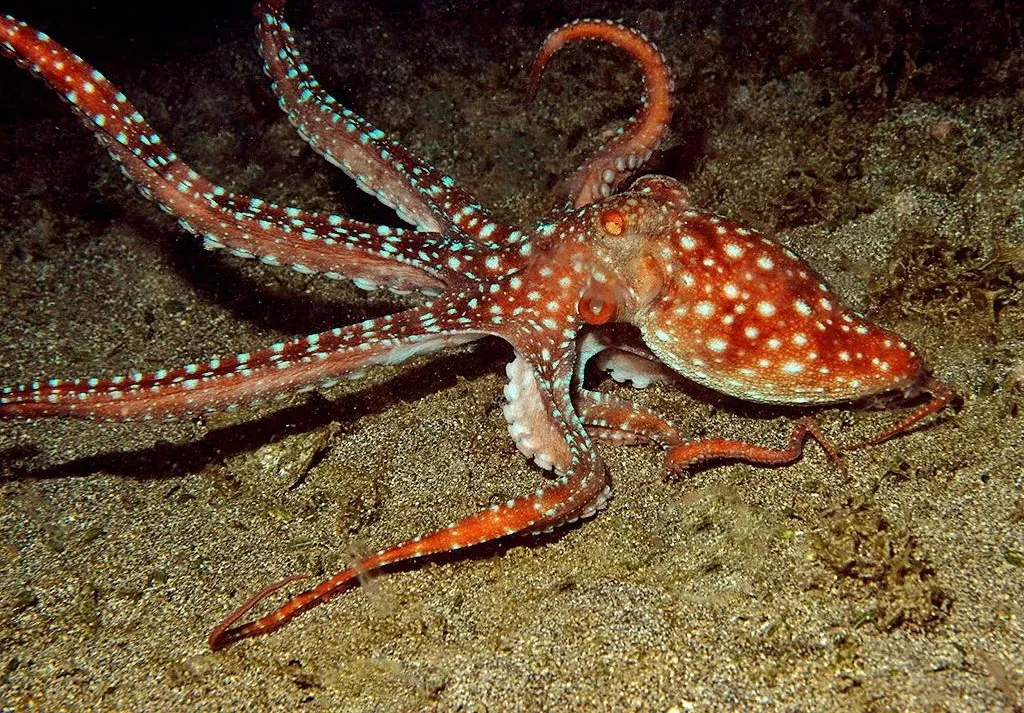
Outside of manta season, the bommie's landscape supports thriving populations of Black Blotched Rays, Leopard Sharks, and various octopuses often found among the rocks. Year-round residents include green turtles, bamboo sharks, and wobbegong sharks.
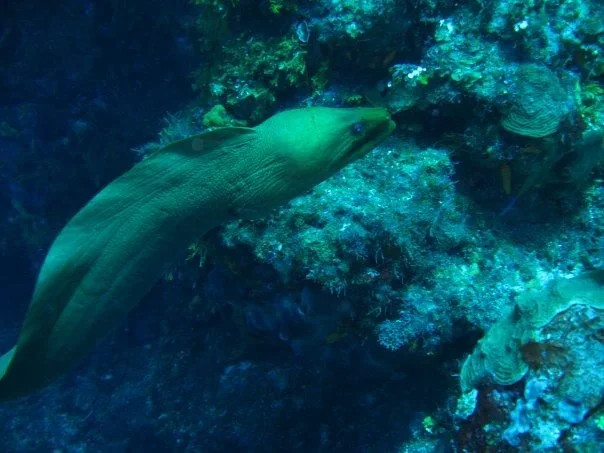
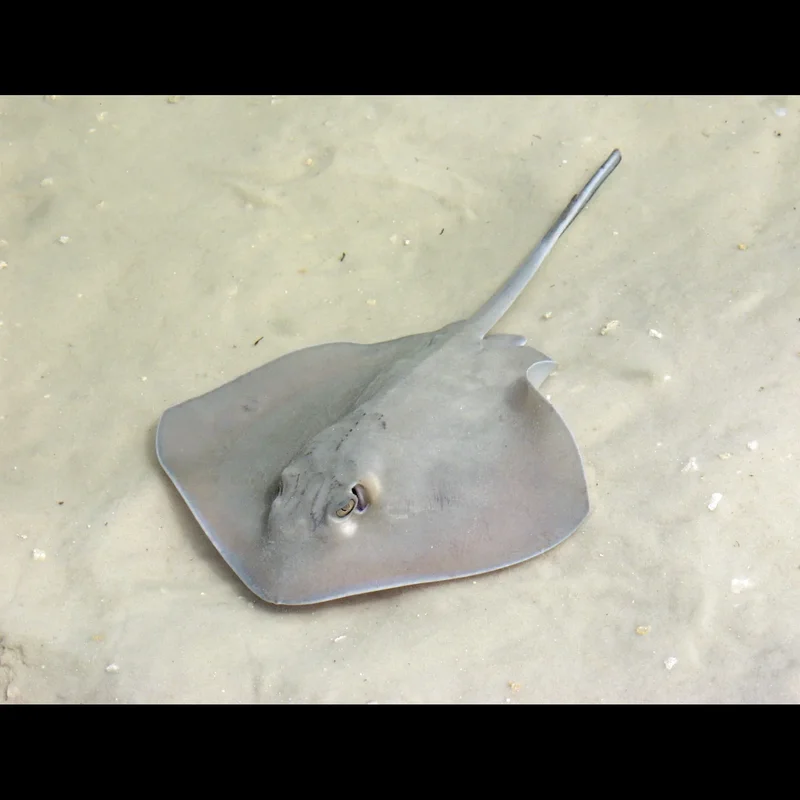
Divers can also encounter guitarfish, several species of large stingrays, and moray eels, which blend into the crevices.
Dive Sites Near Eastern Reach - Manta Bommie
View all dive sites in AustraliaDiscover more underwater gems in this area.
Dive Centers Near Eastern Reach - Manta Bommie
Nearest Airports
Nearest airports to help plan travel to this dive area.
Search Flights
Check available flights and routes on Expedia, using the nearby airports listed in this section.
Search Flights on ExpediaFrequently Asked Questions
When is the best time to see manta rays at Manta Bommie?
Manta rays are most frequently sighted during the summer months, specifically from October through April. This period aligns with their migration patterns and use of the bommie's cleaning stations. Outside these months, sightings are less common but still possible.
What is the typical depth range for diving Manta Bommie?
The main dive area at Manta Bommie spans depths from 5 to 15 meters (16 to 50 feet). This relatively shallow profile makes it accessible for various certification levels, including Open Water divers and snorkelers, though conditions can vary.
Is Manta Bommie suitable for beginner divers?
While Open Water certified divers can experience Manta Bommie, its exposure to current and swell means conditions can be challenging. Beginners should have a comfortable level of experience and always dive with an experienced guide, especially when conditions are active.
What other marine life can be seen besides manta rays?
Beyond seasonal mantas, the site consistently hosts turtles, bamboo sharks, and wobbegong sharks. During summer, look for Black Blotched Rays, Leopard Sharks, and octopuses. Various other ray species and moray eels are also common residents.
Are there strong currents at Manta Bommie?
Yes, Manta Bommie is prone to strong currents and swell, which can make it a challenging dive. Conditions vary daily, so checking with local dive operators for current reports is crucial for planning your dive.
What kind of structures make up 'The Group' at Manta Bommie?
'The Group' refers to three distinct rock outcrops that form the core structure of the Manta Bommie dive site. These formations create the cleaning stations and provide the diverse habitat for the resident marine life.
Planning to dive Eastern Reach - Manta Bommie?
Send one inquiry and receive offers directly from the best verified local dive operators.
Conditions are Good
Optimal conditions expected
Current conditions near Eastern Reach - Manta Bommie show 21° air, 22° sea temperature, 1.3 m waves, and 23 km/h wind. Forecast data is refreshed regularly to ensure accuracy.