
Diving at Shag Rock (Australia)
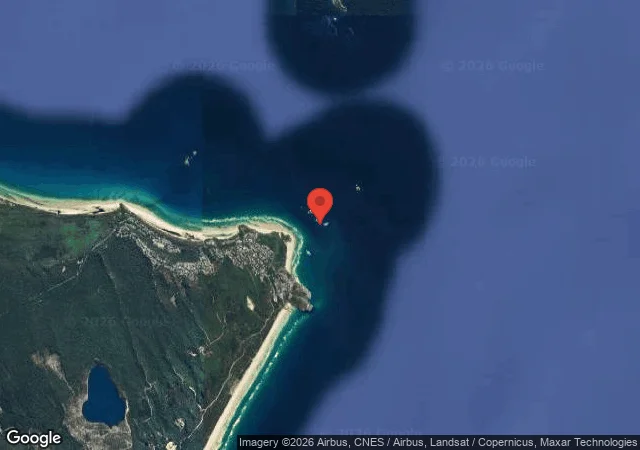
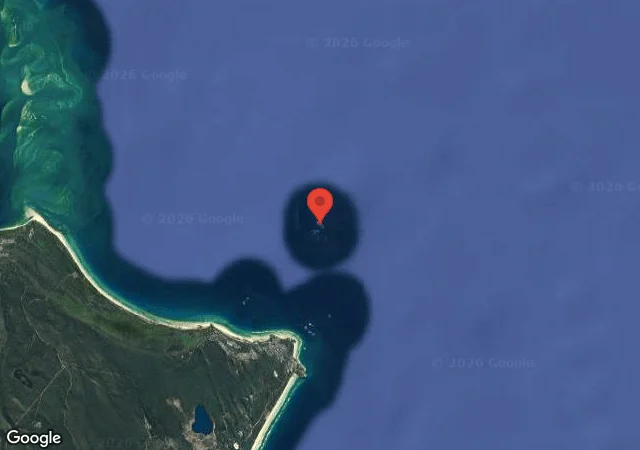
Shag Rock, off North Stradbroke Island, typically offers varied underwater visibility, shifting from 5 m (16 ft) to 20 m (66 ft) depending on prevailing conditions. Its underwater topography includes rocky reefs and coral gardens, stretching to a maximum depth of 20 m (66 ft). This dive site provides a diverse environment for both macro and larger marine species.
Evening condition tracking at Shag Rock features an air temperature of 19°C. We have recorded wave heights measuring 0.8 m during this period. These figures outline the environmental parameters currently present.
Dive Site Location & Key Facts
Dive Site Overview
Standing as a prominent landmark off North Stradbroke Island, Shag Rock presents a versatile dive environment, frequently serving as an excellent alternative when less protected sites are inaccessible. Its distinctive reef system is characterized by impressive rock formations, several of which breach the surface, creating a dynamic underwater landscape.
Dives here typically range from shallower sections around 6 m (20 ft) down to approximately 18 m (59 ft) in deeper channels. Explorations wind through vibrant coral gardens and past rugged rocky outcrops, revealing a diverse array of habitats. A key feature is the natural swim-through, a cave-like passage that seamlessly connects the eastern and western sides of the rock.
This overhead environment demands good buoyancy and comfort with confined spaces. For those preferring an open-water route, a deep trench, sometimes termed the 'fake swim-through,' offers an equally compelling path, running parallel with high, vertical walls.
Additionally, the 'Sunken Reef' section, fully submerged and slightly detached, provides further exploration opportunities, rounding out the site's varied topography.
Conditions are Good
07:00 - 14:00
Optimal conditions expected
Current conditions near Shag Rock show 19° air, 20° sea temperature, 0.8 m waves, and 26 km/h wind. Forecast data is refreshed regularly to ensure accuracy.
Best Time to Dive
The conditions for diving at Shag Rock shift notably across the seasons, presenting varied experiences. During winter months, specifically June through October, the dive scores often rate 'Good,' with lower average rainfall, typically ranging from 1.25 mm to 2.55 mm. Air temperatures during this period are cooler, averaging 17°C (63°F) in July to 21.5°C (71°F) in October. Conversely, summer months (December-March) see 'Moderate' dive scores, higher rainfall up to 11.4 mm in March, and warmer air temperatures peaking around 25°C (77°F) in February. Wave heights tend to be slightly higher in early autumn (March) but are generally moderate throughout the year, suggesting Shag Rock can be approached in various conditions due to its protected position.
PEAK SEASON SCORE
Scores combine air & water temps, waves, wind & rainfall for overall conditions.
BEST MONTHS TO DIVE
Monthly records compiled from satellite and marine observation nodes over the last 3 years. Data provided by Open-Meteo and MET Norway.
Dive Experience & Conditions
Dropping below the surface at Shag Rock reveals a topography of rocky reefs and coral gardens that extend from shallow depths to around 18 m (59 ft). A popular dive plan involves anchoring on the western side and proceeding toward the eastern side via the swim-through. This cave-like passage can experience some surge, necessitating careful assessment of conditions before entering. For those preferring to bypass the swim-through, a deep trench with high, vertical walls runs parallel, offering an alternative route to the eastern side. On calmer days, the entire site is open for exploration, but swell direction often dictates which side of the rock is more sheltered. The site can experience currents at times, which divers should be prepared for, though it generally remains accessible even when other sites are rough.
Dive Difficulty & Safety Guidelines
Navigating Shag Rock involves careful consideration of its unique features and potential encounters. The primary overhead environment is the swim-through cave; divers entering this passage must possess appropriate training, maintain excellent buoyancy control, and feel comfortable in confined spaces. It's always possible to bypass this section if conditions are unfavourable or a diver feels uneasy.
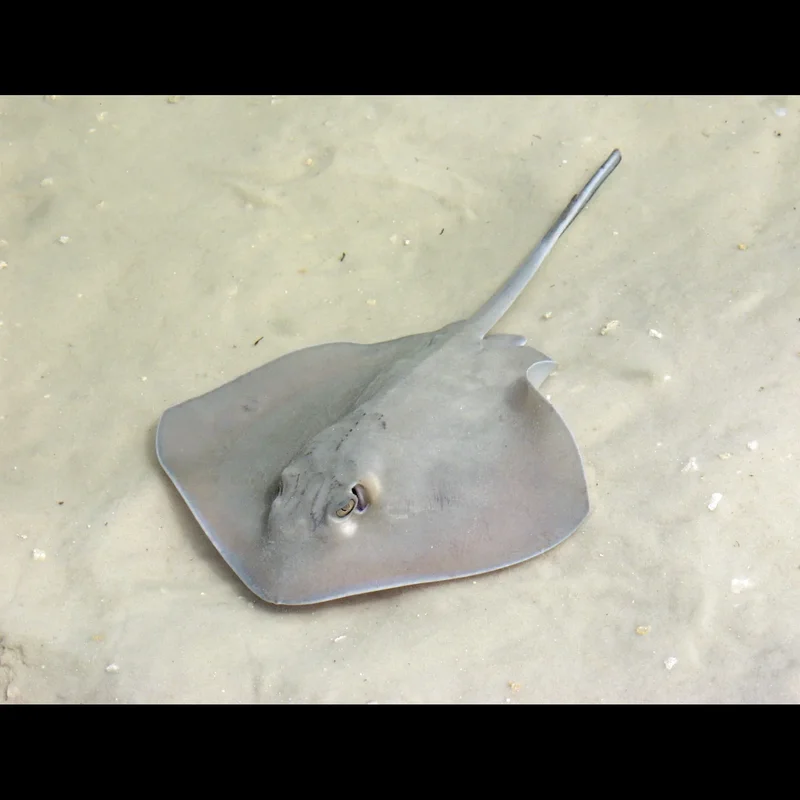
Another safety consideration arises when settling on sandy areas, as a considerable population of electric rays often hides camouflaged under the sand. Divers should exercise caution and maintain awareness of their surroundings to avoid accidental contact.
Recommended Equipment
- Dive Computer
This gear list is based on verified equipment signals for Shag Rock, Australia. Always confirm final gear choices with your dive operator, guide, or liveaboard.
Recommended Dive Suit
Forecasts suggest a slight cooling pattern in the days ahead. Cooler days are ahead; you might want a warmer option for later in the week. Divers planning multiple dives may appreciate having a warmer option available.
Some divers prefer slightly warmer exposure protection simply for additional comfort.
5mm wetsuit usually works well for maintaining comfort during standard dive profiles in these conditions. Surface intervals may feel cooler. The latest environmental readings for Shag Rock suggest water temperatures around 20°C (68°F). Surface air temperatures are resting at 19°C (66°F).
Emergency & Medical Support
Essential information to help you plan your dive trip to Shag Rock.

Hyperbaric chambers are a critical part of dive safety infrastructure. Availability varies significantly by region, and not all dive areas have immediate access.
Before diving, it's recommended to:
- confirm nearest medical facilities
- check emergency procedures with local dive operators
- ensure dive insurance covers evacuation if required
Divers Alert Network
Diving emergency assistance available through DAN World.
+1-919-684-9111- 24/7 emergency hotline
- Diving medical assistance
- Evacuation coordination
Emergency contacts are provided for reference. Always verify local emergency services before diving.
Marine Life at Shag Rock
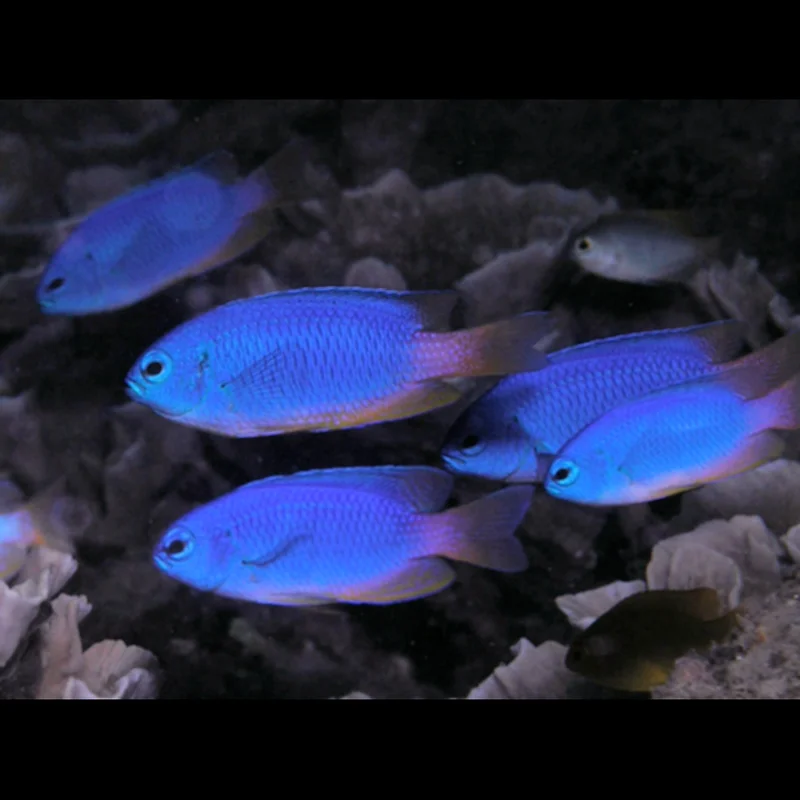
Divers exploring Shag Rock can anticipate a dynamic range of marine encounters, from the intricate world of invertebrates to the grandeur of pelagic visitors. The site's coral gardens and rocky crevices shelter numerous reef fish, offering consistent sightings of species like angelfish and damselfish.
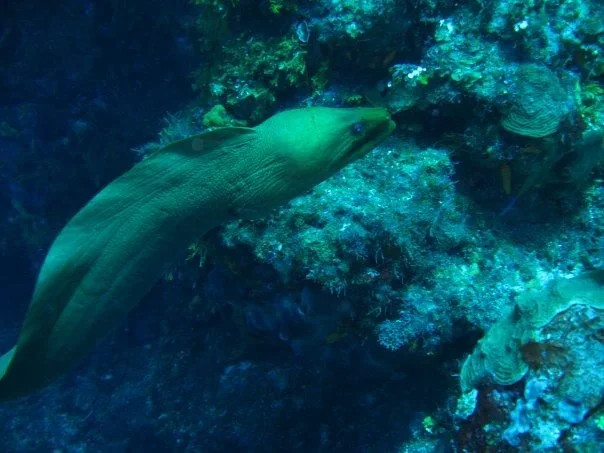
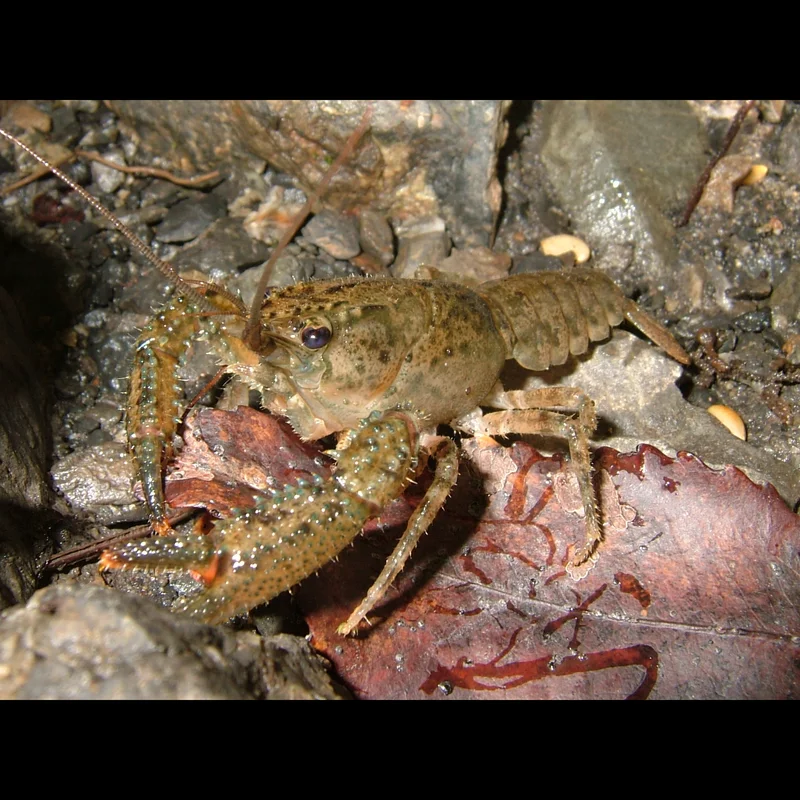
Patches of rock are often adorned with a variety of colorful nudibranchs, while moray eels peer from their hideouts. Crayfish and cuttlefish are also commonly observed navigating the reef.
Shag Rock acts as a reliable habitat for several larger species, including resident turtles, often found grazing or resting. Wobbegong sharks and brown-banded catsharks are frequently encountered, typically resting on the seafloor. Stingrays, stingarees, and shovelnose rays are also regular inhabitants, often partially buried in sandy patches.
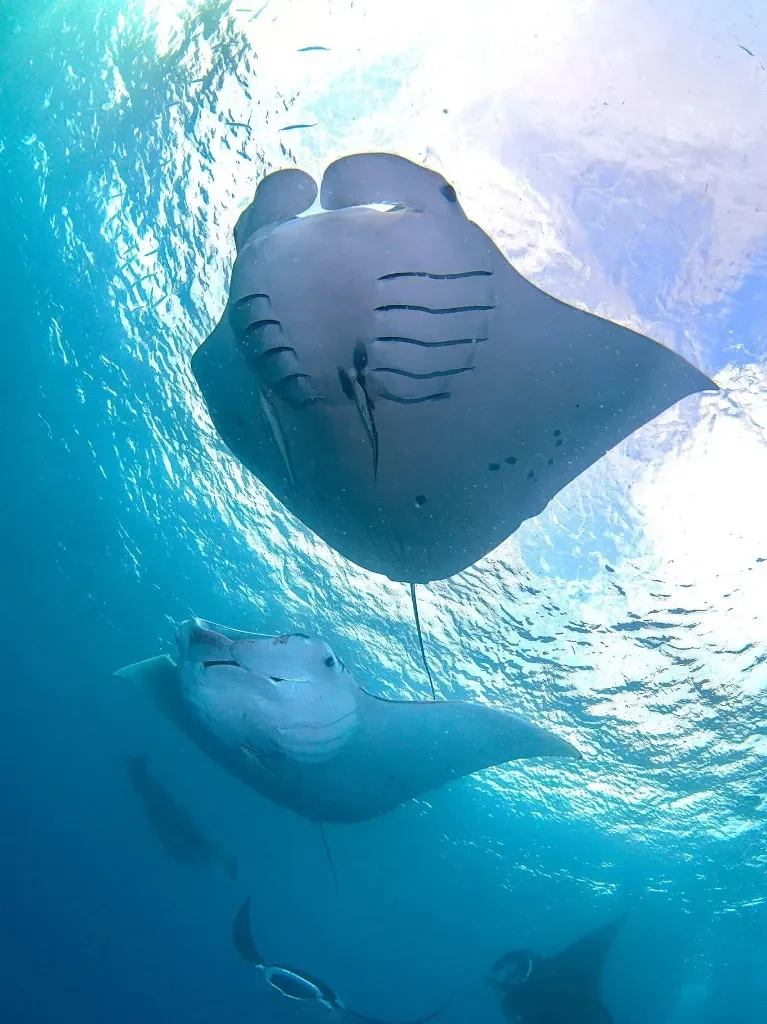
During the warmer summer months, the area sees transient visits from graceful leopard sharks and, occasionally, majestic manta rays, adding an exciting pelagic dimension to the dive experience.
Dive Sites Near Shag Rock
View all dive sites in AustraliaDiscover more underwater gems in this area.
Dive Centers Near Shag Rock
Nearest Airports
Nearest airports to help plan travel to this dive area.
Search Flights
Check available flights and routes on Expedia, using the nearby airports listed in this section.
Search Flights on ExpediaFrequently Asked Questions
What is the typical depth range at Shag Rock?
The dive site features rocky reefs and coral gardens with depths typically ranging from 6 m (20 ft) up to 20 m. Most dives explore depths around 18 m.
Are there any swim-throughs at Shag Rock?
Yes, there is a prominent cave-like swim-through connecting the eastern and western sides of the rock. An alternative, a deep trench, also runs parallel to this passage.
Is Shag Rock suitable for all diver experience levels?
Yes, Shag Rock is generally considered an easy dive, appropriate for divers of all experience levels. Conditions can vary, particularly within the swim-through, requiring some experience.
What marine life can I expect to see at Shag Rock?
The site is home to diverse species including turtles, wobbegong sharks, brown-banded catsharks, stingrays, moray eels, and various reef fish. Leopard sharks and manta rays are seasonal visitors during summer.
How are the currents at Shag Rock?
While Shag Rock is known for its protected position, currents can be present at times. It's advisable to assess local conditions with your dive operator and be prepared for potential drift.
What are the main hazards at Shag Rock?
The primary hazard involves electric rays that are often hidden under the sand, so divers should be mindful when resting or hovering near sandy patches. The swim-through is an overhead environment requiring appropriate training.
How far is Shag Rock from North Stradbroke Island?
Shag Rock is a short boat ride, typically less than 5 minutes, from North Stradbroke Island's home beach. Access from Brisbane takes approximately 1.5 hours by boat.
Planning to dive Shag Rock?
Send one inquiry and receive offers directly from the best verified local dive operators.
Conditions are Good
07:00 - 14:00
Optimal conditions expected
Current conditions near Shag Rock show 19° air, 20° sea temperature, 0.8 m waves, and 26 km/h wind. Forecast data is refreshed regularly to ensure accuracy.