
Diving at Flat Rock (Australia)
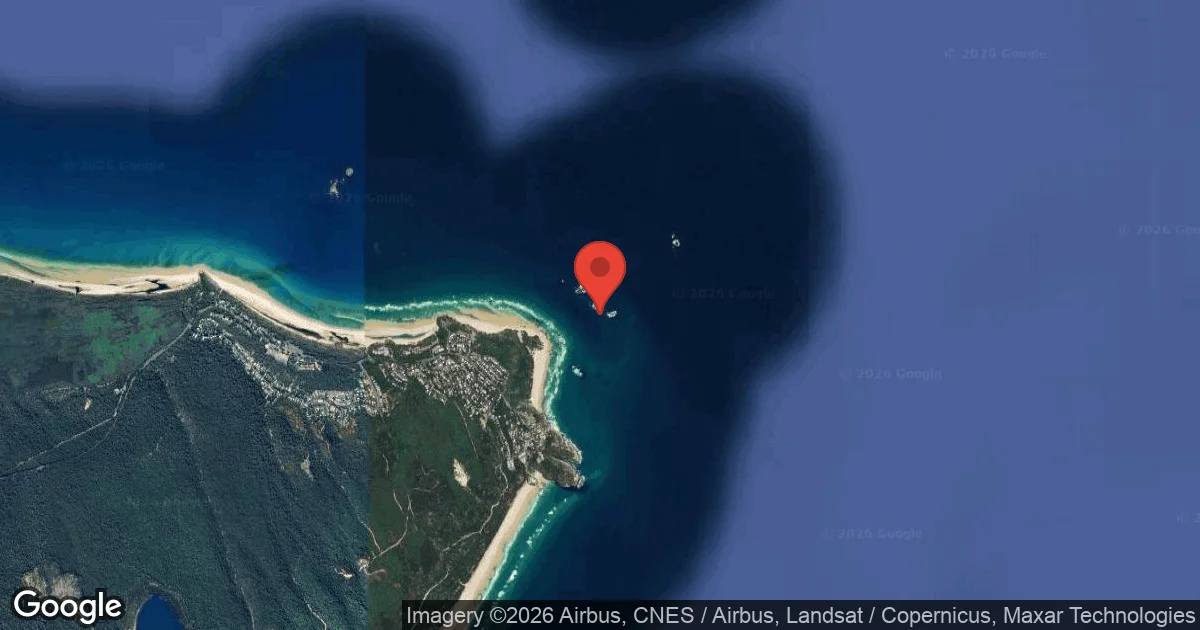
Beyond the bustle of the mainland, Flat Rock emerges as a distinct rocky outpost, providing a contrast to nearby shore dives. Off North Stradbroke Island, this site is a celebrated destination for its natural environment. It's an isolated reef, fostering a rich habitat for a diverse array of marine life, making it a pivotal dive location in South East Queensland.
As evening covers Flat Rock, the local air temperature is measured at 20.5°C. The current wave height at the surface is recorded at 1.2 m. These late-day readings characterize the surface conditions for the night.
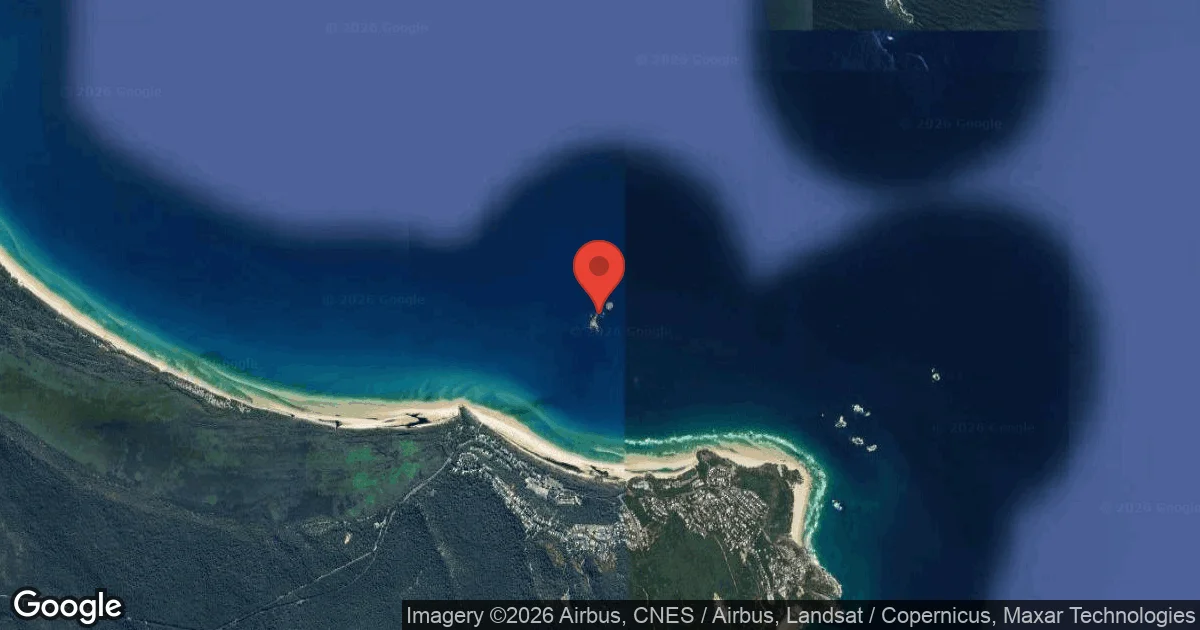
Dive Site Location & Key Facts
Dive Site Overview
Flat Rock's underwater topography presents a diverse range of features, accommodating various experience levels across its extensive coral reefs. This natural rocky island encompasses several distinct dive sites, each with unique characteristics and depth profiles.
Shark Alley, for instance, is a deeper area where the reef descends to 28 m (92 ft) on either side of an alley; it's often characterized by strong currents and the seasonal presence of larger marine life. The Nursery offers a shallower, gentler dive experience, known for its prolific small, tropical fish and juvenile marine species.
On the northern side, Turtle Cave provides a small cave at 10 m (33 ft), with the surrounding reef continuing down to 30 m. The overall maximum depth across Flat Rock can reach up to 35 m (115 ft).
Visibility at this site can extend up to 25 m (82 ft), but this varies significantly with conditions and current flows. Accessing Flat Rock, found approximately 2.5 nautical miles north of Point Lookout, typically involves a short boat ride from land, emphasizing its offshore nature and requiring careful planning.
Conditions are Good
Optimal conditions expected
Current conditions near Flat Rock show 20° air, 22° sea temperature, 1.1 m waves, and 28 km/h wind. Forecast data is refreshed regularly to ensure accuracy.
Best Time to Dive
Seasonal patterns at Flat Rock often dictate the most favorable conditions for diving and marine encounters. During the Australian winter, from June to September, divers typically find the best conditions. Air temperatures during these months range from 18°C to 20°C (64-68°F), and rainfall is notably low, often around 1.0-2.4 mm; this combination contributes to clearer waters and more stable weather. This period is particularly optimal for observing grey nurse sharks, which aggregate seasonally at Shark Alley. Other months, including April, May, October, November, December, January, and February, offer moderate dive conditions with air temperatures between 20.5°C and 25.5°C (68.9-78.1°F). However, March experiences increased rainfall and is associated with poorer dive scores, making it a less desirable month for a visit.
PEAK SEASON SCORE
Scores combine air & water temps, waves, wind & rainfall for overall conditions.
BEST MONTHS TO DIVE
Monthly records compiled from satellite and marine observation nodes over the last 3 years. Data provided by Open-Meteo and MET Norway.
Dive Experience & Conditions
Divers seeking immersion at Flat Rock will encounter a spectrum of experiences, catering to various certification levels. Turtle Cave, for example, accommodates divers of all levels; its small cave sits at 10 m, with the surrounding reef descending to 30 m. Conversely, Shark Alley is generally recommended for advanced divers, given its deeper profile that reaches a maximum depth of 28 m and its exposure to open ocean conditions. Navigating the site's deeper sections, which can extend to the overall maximum of 35 m, typically requires Advanced Open Water Diving qualifications. Visibility is often clear, potentially reaching up to 25 m (82 ft), but this varies. Water temperatures are not consistently reported but tend to be warmer in summer and cooler in winter due to the region's humid subtropical climate.
Dive Difficulty & Safety Guidelines
While Flat Rock itself presents no specific hazards in available data, divers should always adhere to general safety protocols and understand the site's varied conditions. Some nearby sites like Sevens Reef and Boat Rock are known for heavy currents, implying that certain exposed areas of Flat Rock, particularly deeper sections like Shark Alley which is further out to sea, may also experience variable current strengths.
Divers exploring depths up to 35 m (115 ft) should hold Advanced Open Water certification and consider their experience level for deeper and more exposed dives. Awareness of large marine life, including various shark species, is part of the experience, not a typical hazard, but divers should maintain respectful distances.
Given this is a boat-accessed site, using an SMB and having a surface watch can contribute to overall dive safety.
Recommended Equipment
- Dive Computer
This gear list is based on verified equipment signals for Flat Rock, Australia. Always confirm final gear choices with your dive operator, guide, or liveaboard.
Recommended Dive Suit
With water temperatures around 22°C (71°F), many divers find a 3-5mm wetsuit provides comfortable protection.
Divers performing multiple dives may appreciate slightly warmer protection later in the day.
Forecast models indicate that diving conditions should remain largely unchanged.
Emergency & Medical Support
Essential information to help you plan your dive trip to Flat Rock.

Hyperbaric chambers are a critical part of dive safety infrastructure. Availability varies significantly by region, and not all dive areas have immediate access.
Before diving, it's recommended to:
- confirm nearest medical facilities
- check emergency procedures with local dive operators
- ensure dive insurance covers evacuation if required
Divers Alert Network
Diving emergency assistance available through DAN World.
+1-919-684-9111- 24/7 emergency hotline
- Diving medical assistance
- Evacuation coordination
Emergency contacts are provided for reference. Always verify local emergency services before diving.
Marine Life at Flat Rock
The marine biodiversity at Flat Rock delivers compelling encounters, with the aggregation of endangered Grey Nurse sharks in Shark Alley during winter being a significant draw. Beyond these docile giants, the natural rocky environment and vibrant coral gardens host a diverse array of life.
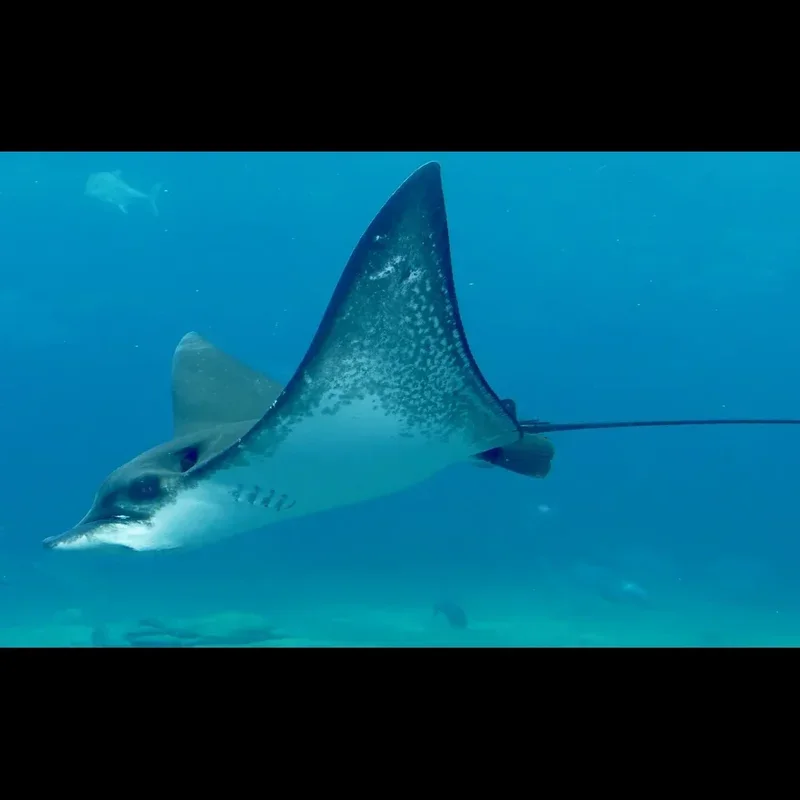
You can typically spot turtles, leopard sharks, and wobbegongs navigating the reefs. Eagle rays gracefully glide through the water, and pelagic fish are often seen in the deeper, more exposed areas.
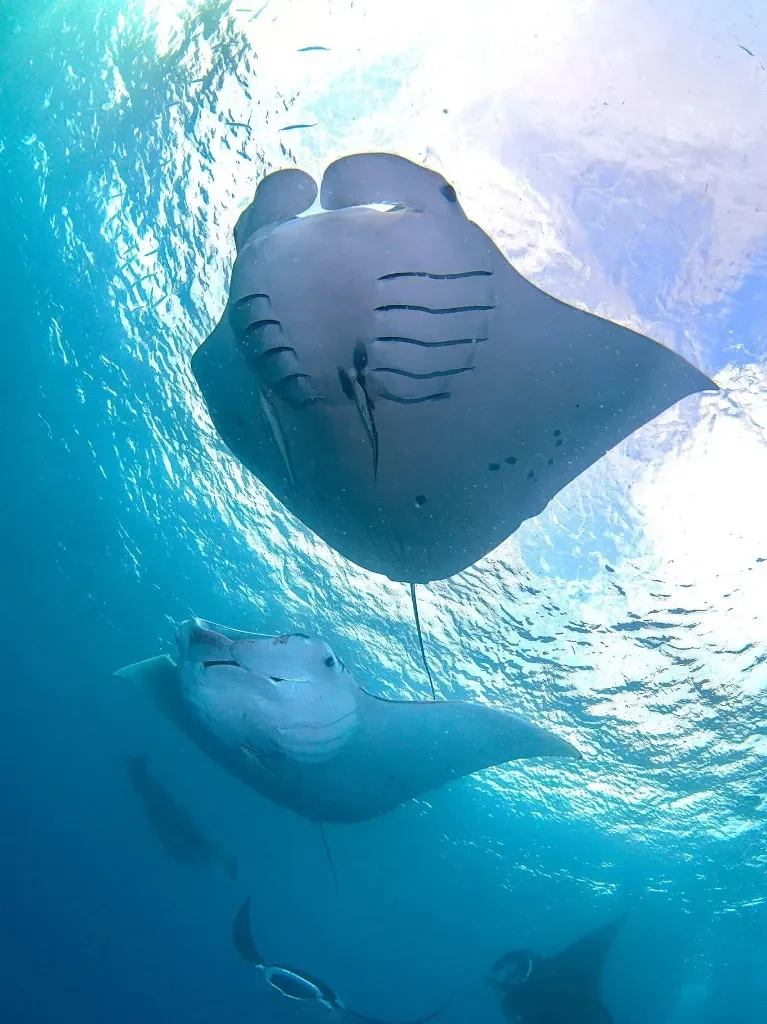
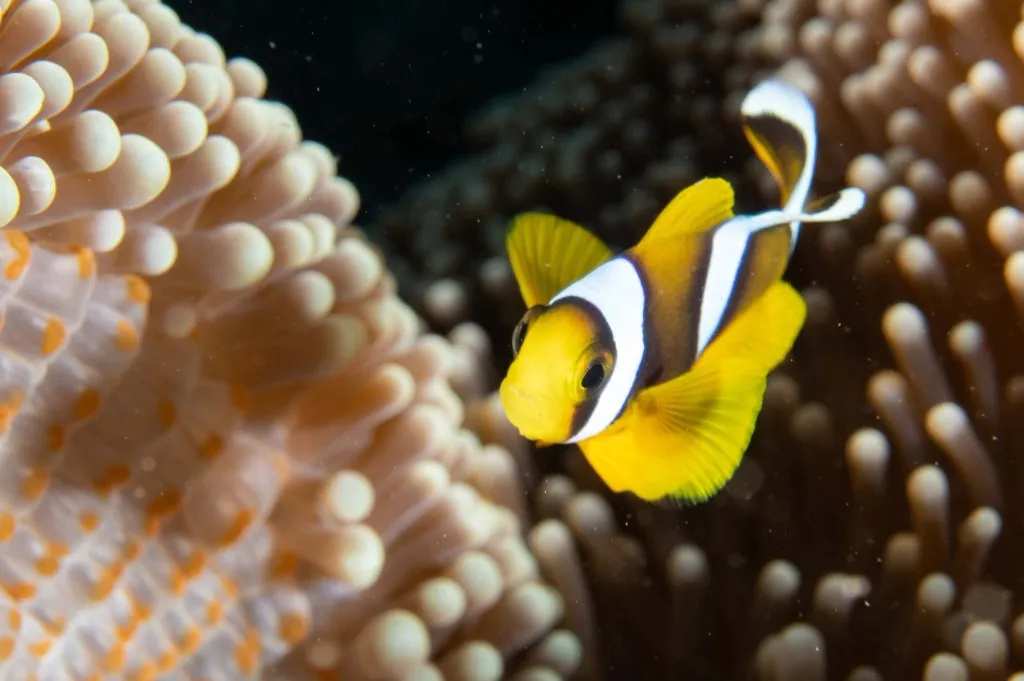
The shallower Nursery site teems with smaller tropical fish, and occasional sightings of manta rays add to the allure of this vibrant ecosystem.

Dive Sites Near Flat Rock
View all dive sites in AustraliaDiscover more underwater gems in this area.
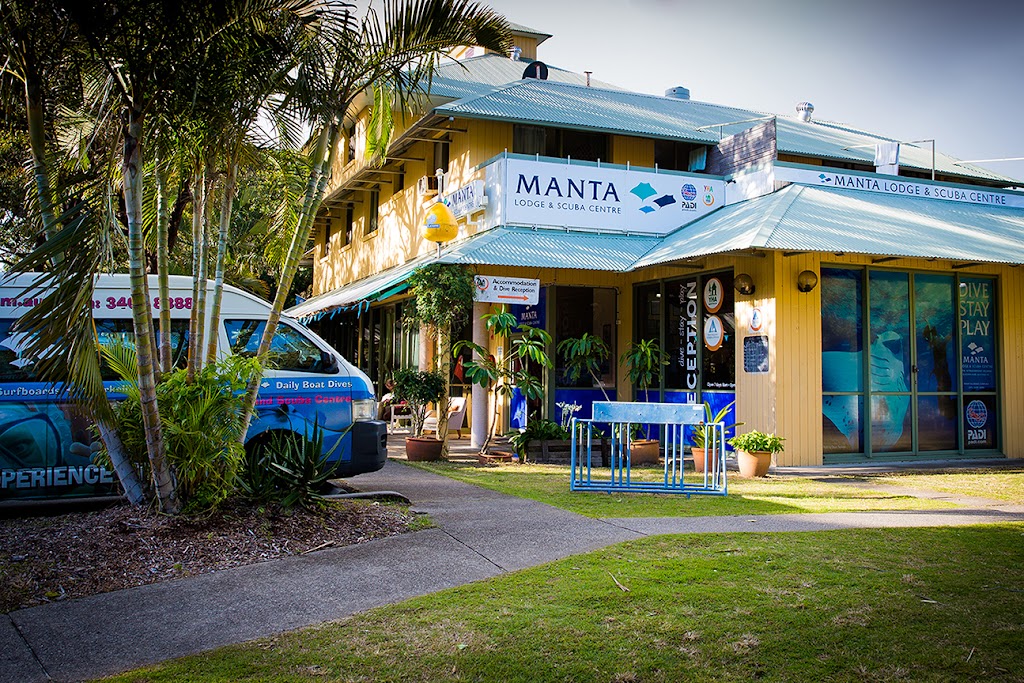
Dive Centers Near Flat Rock
Nearest Airports
Nearest airports to help plan travel to this dive area.
Search Flights
Check available flights and routes on Expedia, using the nearby airports listed in this section.
Search Flights on ExpediaFrequently Asked Questions
What is Flat Rock known for?
Flat Rock is primarily known for its natural rocky environment and diverse marine life, especially the seasonal aggregation of Grey Nurse sharks in Shark Alley during winter months. It's considered one of Brisbane's most popular scuba diving sites.
What is the maximum depth at Flat Rock?
The maximum depth across the Flat Rock dive site can reach up to 35 m (115 ft). Specific sub-sites like Shark Alley go to 28 m (92 ft), and Turtle Cave's reef drops to 30 m (100 ft).
What skill level is required for diving at Flat Rock?
The required skill level varies by the specific dive site within Flat Rock. While Turtle Cave is suitable for all levels of divers, deeper sections and areas like Shark Alley typically require Advanced Open Water Diving qualifications due to their depth and exposure.
When is the best time to see Grey Nurse sharks?
The best time to encounter Grey Nurse sharks at Flat Rock is during the winter months, specifically from June to September. This is their seasonal aggregation zone in Shark Alley.
What are the key dive sites within Flat Rock?
Flat Rock features several distinct dive sites, including Shark Alley, known for its deeper profile and sharks; The Nursery, a shallower area with small tropical fish; and Turtle Cave, which offers a small cave at 10 m (33 ft) and is suitable for all diver levels.
What is the typical visibility at Flat Rock?
Visibility at Flat Rock can reach up to 25 m (82 ft). However, like most dive sites, actual visibility can vary depending on local conditions, currents, and weather.
Planning to dive Flat Rock?
Send one inquiry and receive offers directly from the best verified local dive operators.
Conditions are Good
Optimal conditions expected
Current conditions near Flat Rock show 20° air, 22° sea temperature, 1.1 m waves, and 28 km/h wind. Forecast data is refreshed regularly to ensure accuracy.