
Diving at Henry Head (Australia)
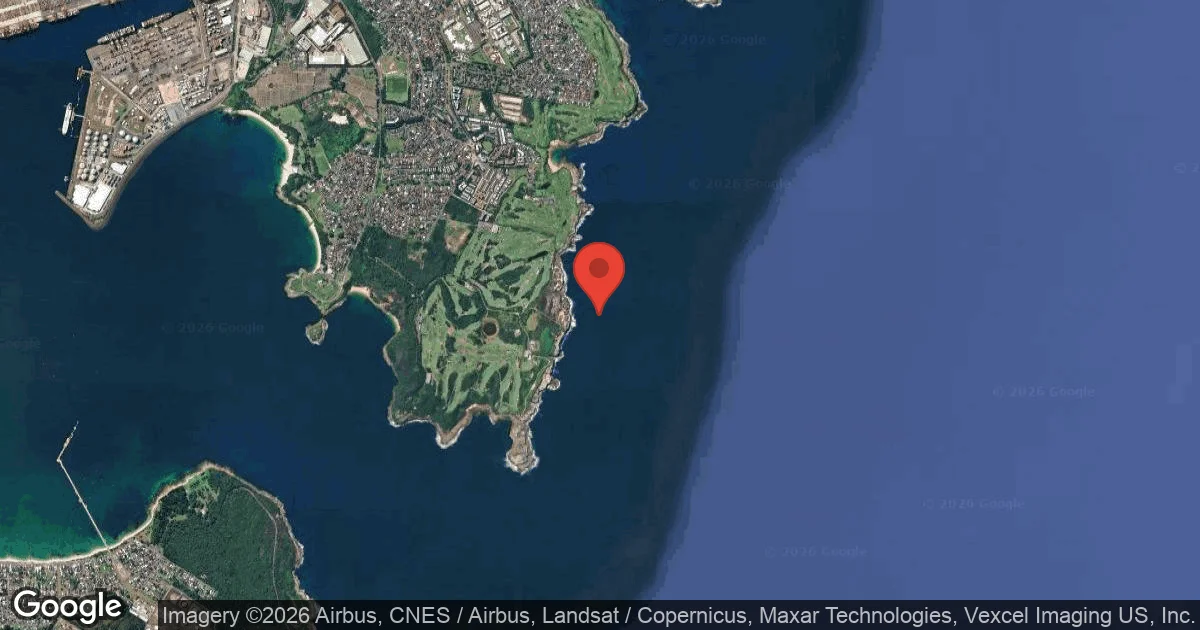
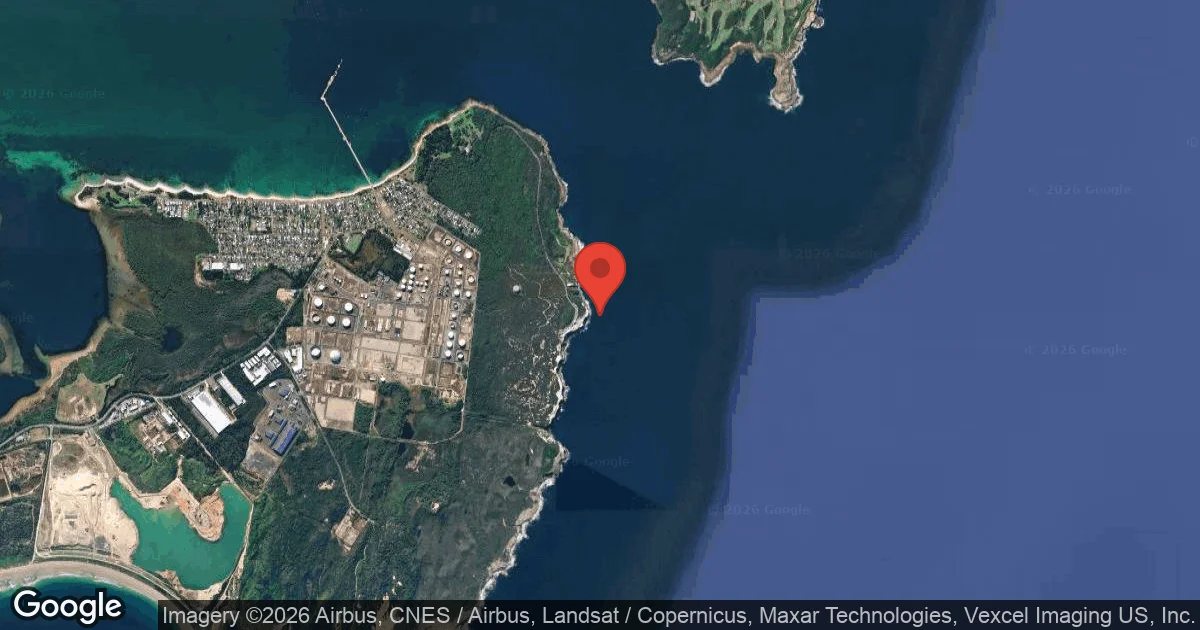
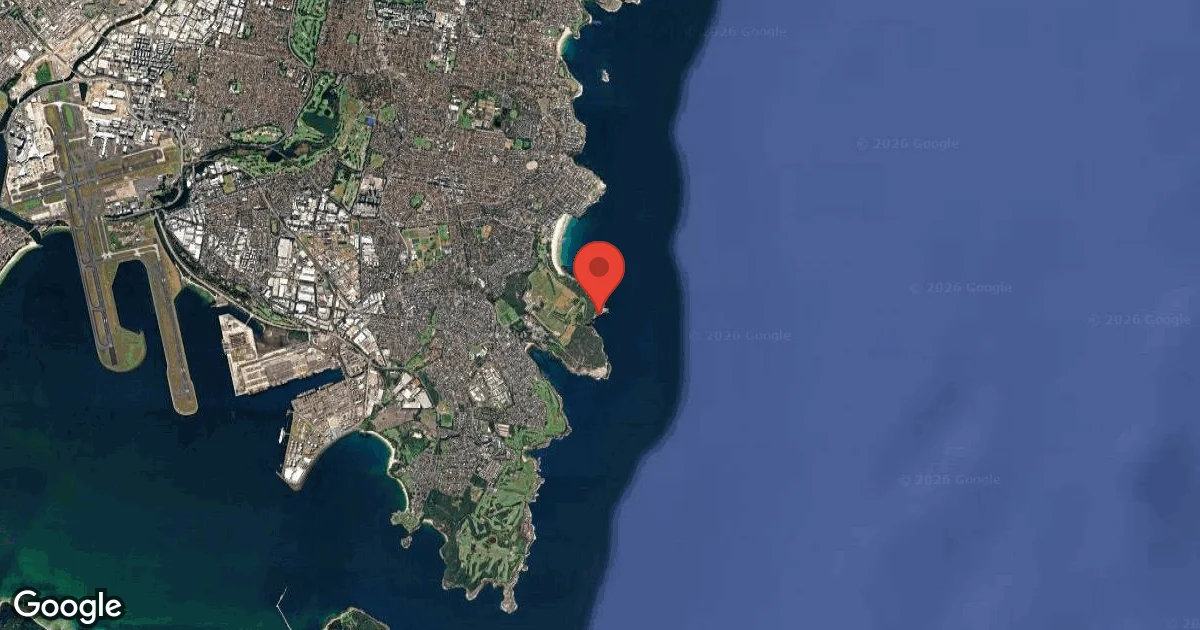
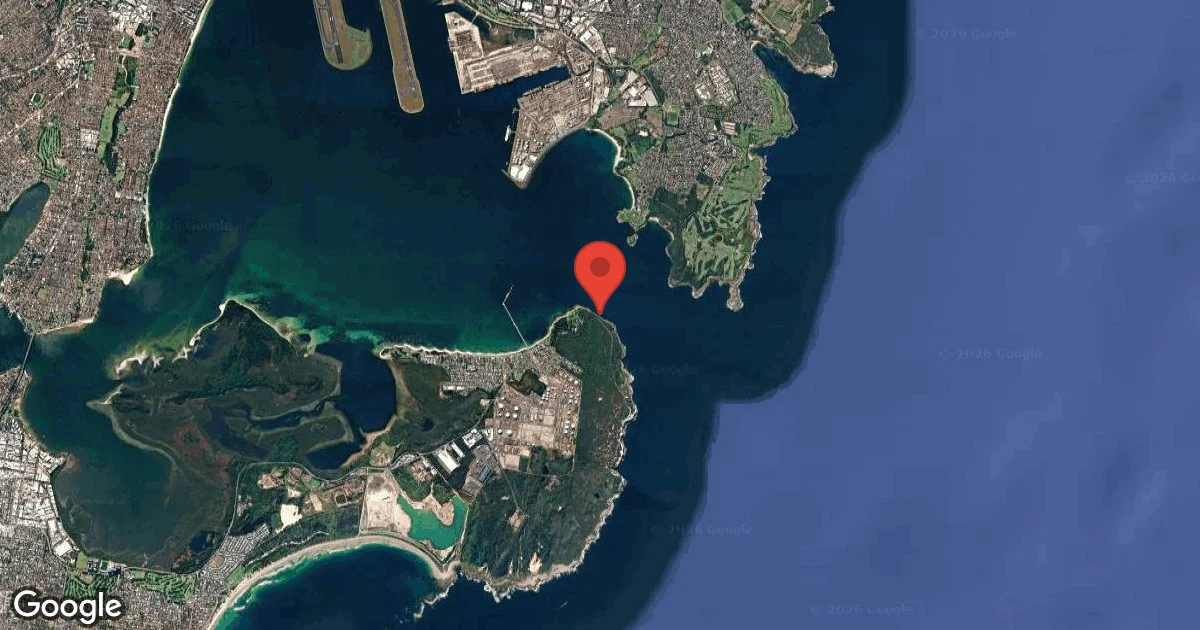
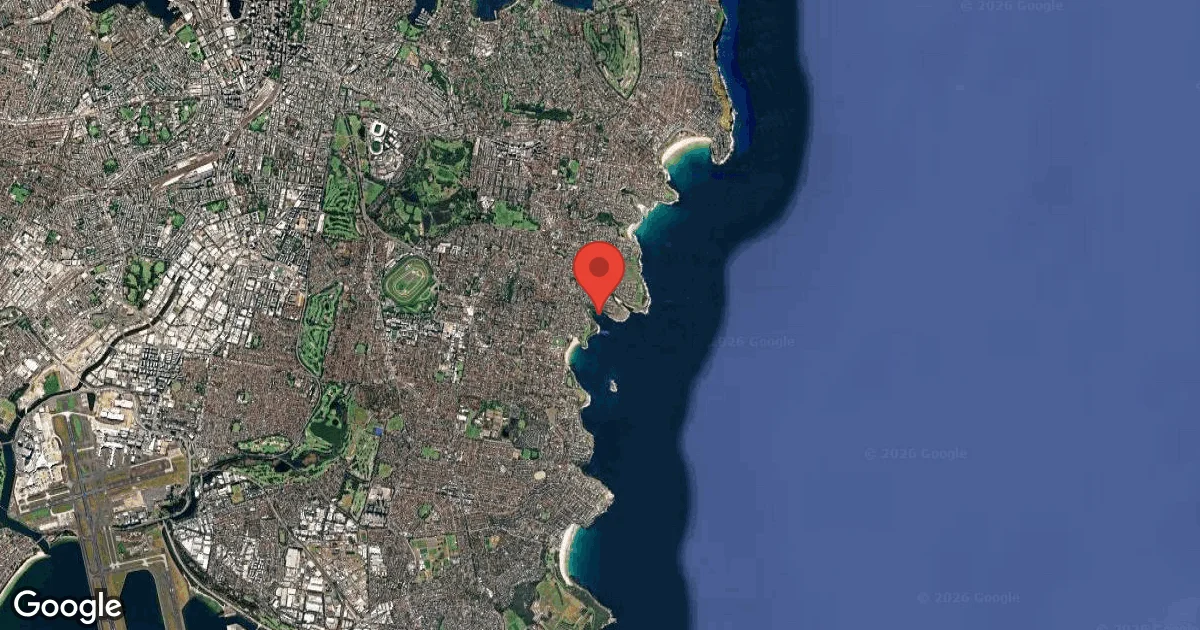
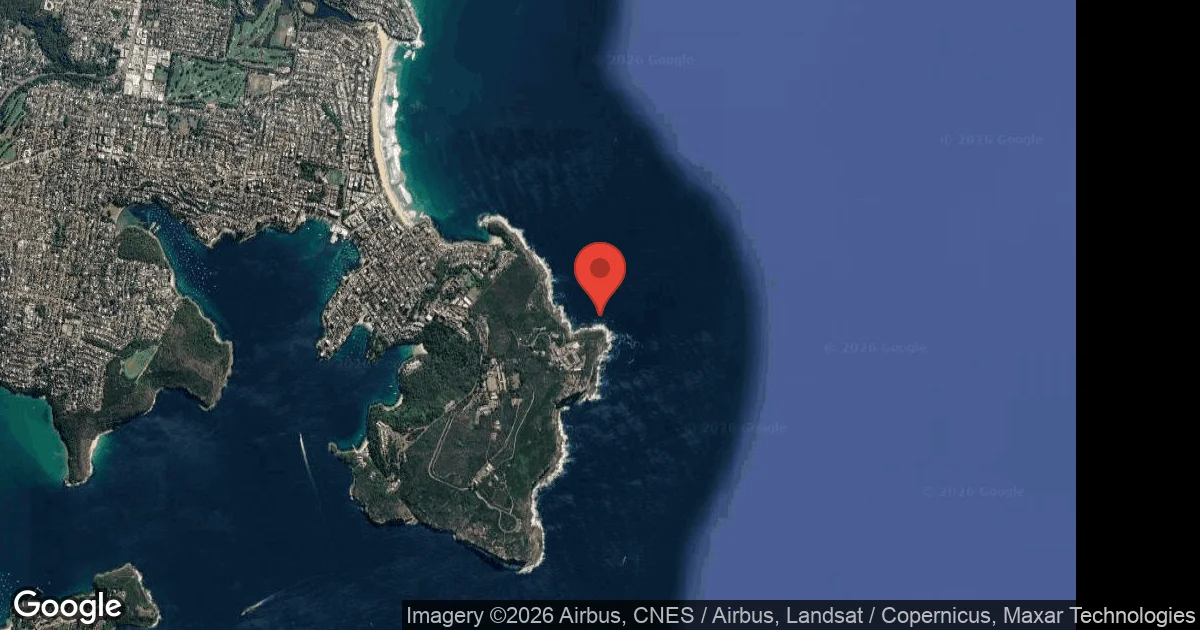
Henry Head, situated near Botany Bay, carries a rich historical tapestry both above and below its waters. Its coastline is dotted with landmarks like the old Cable Station and Endeavour Tower, remnants of past eras. The area also hosts the Henry Head Battery, a World War II bunker complex alongside supply buildings and the Henry Head Lighthouse. This deep historical context adds an intriguing layer to the natural marine splendor divers experience.
As evening covers Henry Head, the local air temperature is measured at 26.5°C. The current wave height at the surface is recorded at 1.1 m. These late-day readings characterize the surface conditions for the night.
Dive Site Location & Key Facts
Dive Site Overview
Beneath Henry Head, divers encounter a landscape defined by dramatic reefs, intriguing swim-throughs, and vibrant sponge gardens. This varied topography creates a dynamic and engaging underwater environment.
These sub-surface formations provide essential shelter and habitat, supporting a diverse array of marine life that thrives within the nooks and crannies of the reef system. Dive sites here are typically accessed via boat, with services often providing double boat dives lasting approximately four hours. Given the often-dynamic marine conditions off Sydney, the exact dive locations are never guaranteed in advance; instead, they are determined on the day by experienced guides, selecting the most appropriate and safest spots based on real-time factors like swell and visibility.
This adaptable approach is key to a positive dive experience in open ocean environments. Navigating these diverse rock formations allows for varied dive profiles.
Divers might explore areas with captivating features in shallower zones, or descend to around 30 m (100 ft) in specific reef sections. Regardless of depth, the interplay of light and shadow within the swim-throughs offers an engaging experience.
Groups are intentionally kept small, often with a maximum of 10 divers per guide. This ensures personalized attention and a more intimate exploration of the site's unique features, allowing divers to fully appreciate the intricate details of the sponge gardens and reef inhabitants without feeling crowded. The ever-changing nature of the ocean means each visit can present new discoveries within this rich environment.
Conditions are Good
Optimal conditions expected
Current conditions near Henry Head show 27° air, 18° sea temperature, 1.2 m waves, and 34 km/h wind. Forecast data is refreshed regularly to ensure accuracy.
Best Time to Dive
Considering Henry Head's ocean environment, the best time to dive often depends on a diver's preference for air temperature versus calmer seas. The summer months, such as January and February, offer warmer air temperatures averaging around 23°C (73°F), though these periods can see moderate wave heights exceeding 1.5 meters (5 feet). Conversely, the austral winter months, like June, present cooler air temperatures around 12°C (54°F) but often correspond with some of the calmest average wave conditions, around 1.4 meters (4.6 feet), contributing to a 'Good' dive score. Rainfall is generally low year-round, typically ranging from 1 to 4 mm (0.04 to 0.16 inches) per month, which minimizes its impact on visibility.
PEAK SEASON SCORE
Scores combine air & water temps, waves, wind & rainfall for overall conditions.
BEST MONTHS TO DIVE
Monthly records compiled from satellite and marine observation nodes over the last 3 years. Data provided by Open-Meteo and MET Norway.
Dive Experience & Conditions
Current dynamics at Henry Head are influenced by its open ocean positioning, meaning conditions can vary and affect the dive experience. Visibility fluctuates depending on recent weather and swell patterns; however, the clear waters frequently allow for good observations of the vibrant sponge gardens and underwater rock formations. While specific water temperature data isn't consistently reported, it varies seasonally, generally being cooler in winter and warmer during summer. Divers should be prepared for potential surge, particularly when navigating the dramatic reefs and swim-throughs. Strong winds, averaging 18-24 km/h (11-15 mph) throughout the year, can also contribute to surface chop and influence dive site selection for safety.
Dive Difficulty & Safety Guidelines
Diving at Henry Head requires appropriate certification, and it's highly recommended to join guided dives, especially when exploring its dramatic reefs and swim-throughs. Local operators often limit groups to a maximum of 10 divers per guide, ensuring a safer and more managed experience. Adherence to responsible tourism practices is paramount; this includes minimizing your environmental impact and respecting the marine ecosystem.
Divers should contribute to ongoing conservation efforts by avoiding contact with marine life and fragile habitats. Always follow your dive guide's instructions and stay within your certified limits.
Recommended Equipment
- Dive Computer
- DSMB
This gear list is based on verified equipment signals for Henry Head, Australia. Always confirm final gear choices with your dive operator, guide, or liveaboard.
Recommended Dive Suit
5mm wetsuit usually provides adequate warmth in water around this temperature. Those diving at Henry Head today will likely encounter water temperatures in the region of 18°C (65°F). Surface air temperatures are resting at 27°C (80°F).
Surface temperatures may decrease slightly later in the week. A significant temperature drop is forecast; strongly suggest bringing a backup warmer suit option. Some divers bring an extra layer for surface intervals between dives.
Conditions can vary slightly across different parts of the same dive site.
Emergency & Medical Support
Essential information to help you plan your dive trip to Henry Head.

Hyperbaric chambers are a critical part of dive safety infrastructure. Availability varies significantly by region, and not all dive areas have immediate access.
Before diving, it's recommended to:
- confirm nearest medical facilities
- check emergency procedures with local dive operators
- ensure dive insurance covers evacuation if required
Divers Alert Network
Diving emergency assistance available through DAN World.
+1-919-684-9111- 24/7 emergency hotline
- Diving medical assistance
- Evacuation coordination
Emergency contacts are provided for reference. Always verify local emergency services before diving.
Marine Life at Henry Head
The waters around Henry Head are home to vibrant sponge gardens that carpet the underwater rock formations, creating a rich tapestry of colors and textures. This diverse environment supports a variety of marine life, thriving within the dramatic reef structures and intricate swim-throughs.
While specific species aren't consistently reported, the general diversity promises engaging encounters. Divers exploring this locale can expect to observe marine creatures adapted to temperate reef ecosystems, making each dive a chance to discover something new within these lively habitats.

Dive Sites Near Henry Head
View all dive sites in AustraliaDiscover more underwater gems in this area.
Dive Centers Near Henry Head
Today: 07:00 - 17:00
Nearest Airports
Nearest airports to help plan travel to this dive area.
Search Flights
Check available flights and routes on Expedia, using the nearby airports listed in this section.
Search Flights on ExpediaFrequently Asked Questions
What kind of dive experience does Henry Head offer?
Henry Head provides boat dives to sites featuring dramatic reefs, rock formations, and swim-throughs. Expect to explore vibrant sponge gardens and encounter diverse marine life in these temperate waters.
Are dive sites at Henry Head guaranteed?
No, dive sites are not guaranteed. Due to the dynamic nature of ocean conditions off Sydney, the specific dive locations around Henry Head are typically determined on the dive day itself to ensure the best and safest experience.
What is the typical group size for diving at Henry Head?
Dive groups at Henry Head are usually kept small to enhance the experience and safety. Operators often maintain a maximum of 10 divers per guide.
How long is a typical dive trip to Henry Head?
Most dive trips to Henry Head are scheduled as double boat dives, lasting approximately four hours. This duration includes travel time and two separate dives.
What are the air temperatures like for diving at Henry Head?
Air temperatures at Henry Head vary seasonally. Expect averages around 23°C (73°F) in summer (Jan-Feb) and cooler temperatures around 12°C (54°F) in winter (June).
Is Henry Head suitable for new divers?
While Henry Head offers engaging diving, it's recommended for certified divers. Exploring its dramatic reefs and swim-throughs is best done under the guidance of experienced instructors or dive guides.
Planning to dive Henry Head?
Send one inquiry and receive offers directly from the best verified local dive operators.
Conditions are Good
Optimal conditions expected
Current conditions near Henry Head show 27° air, 18° sea temperature, 1.2 m waves, and 34 km/h wind. Forecast data is refreshed regularly to ensure accuracy.