
Diving at Whale Watching Platform (Australia)
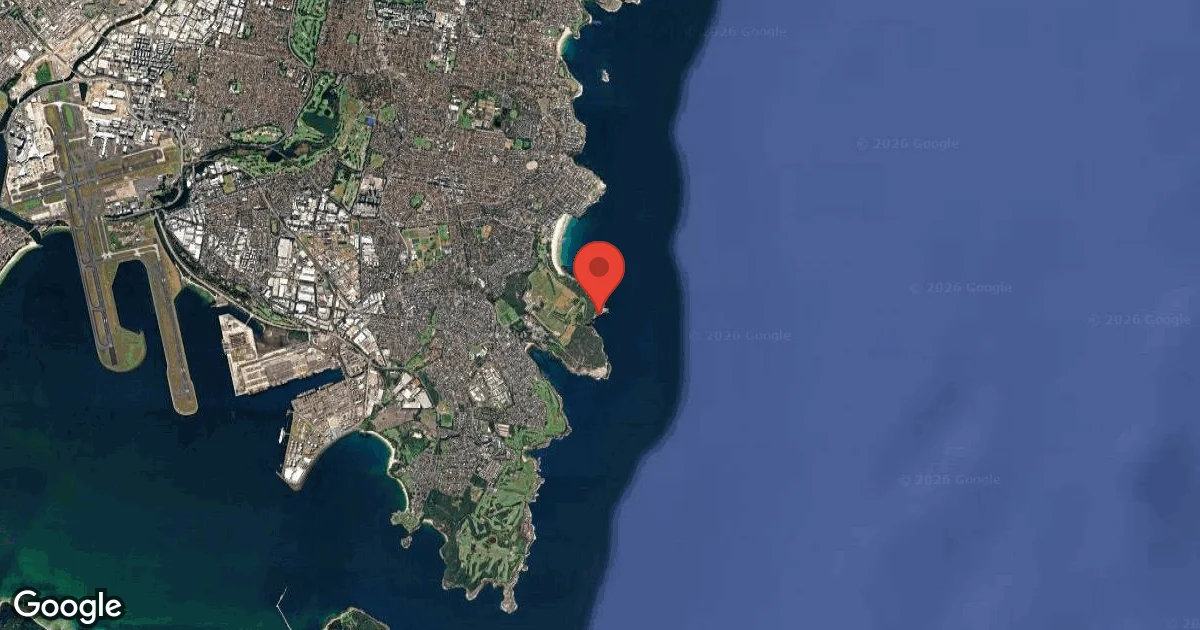
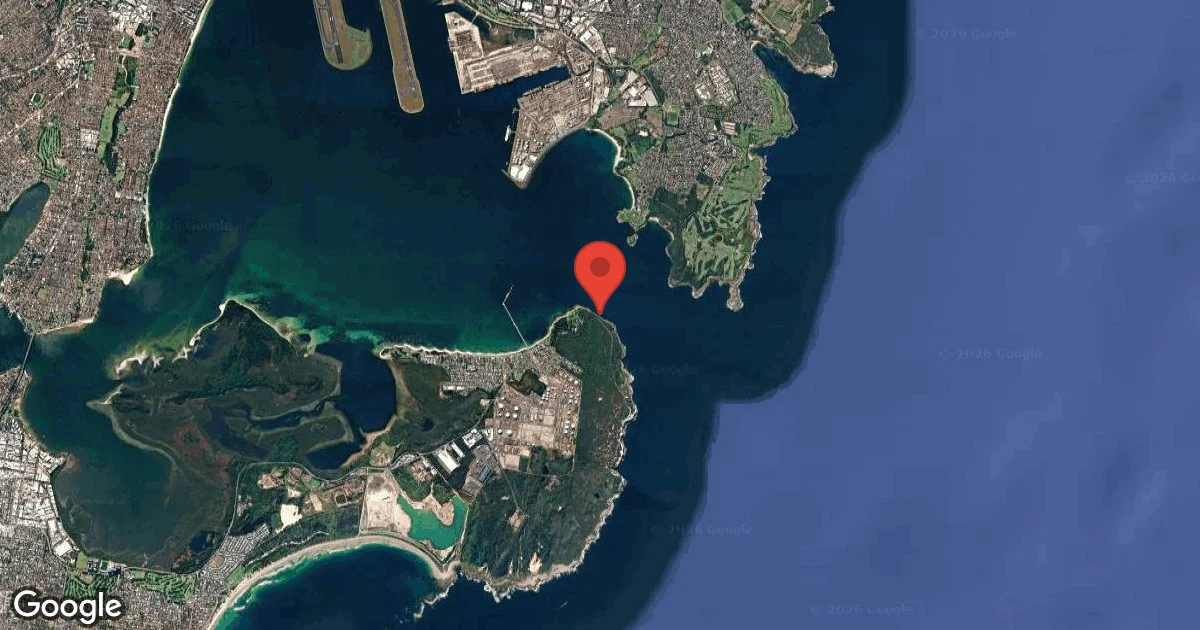
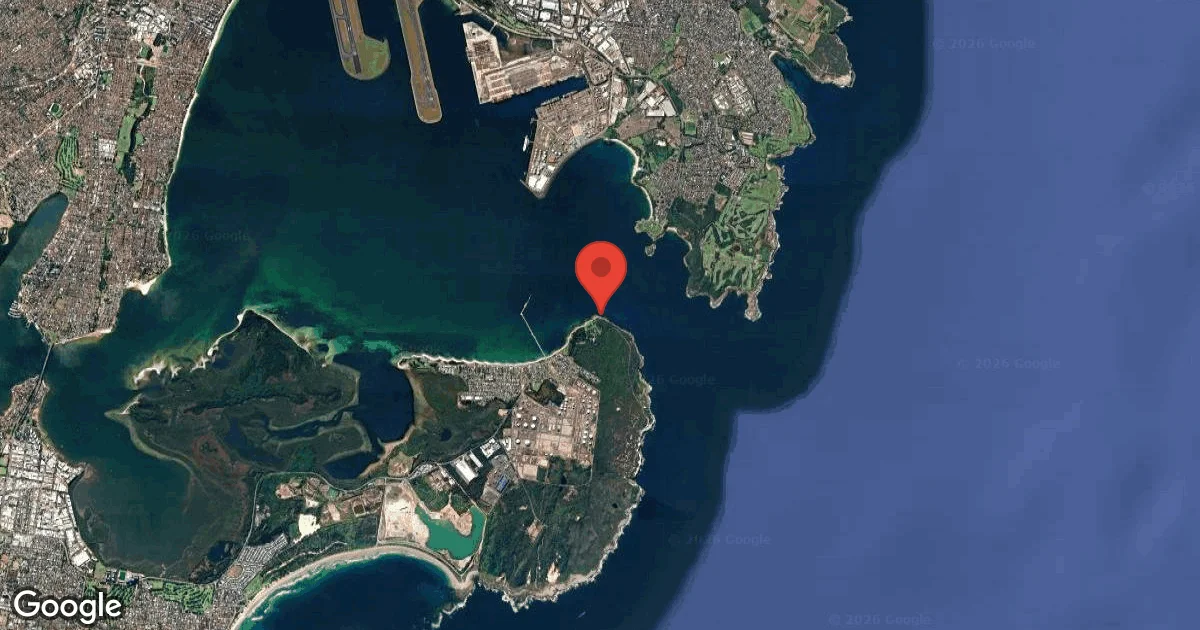
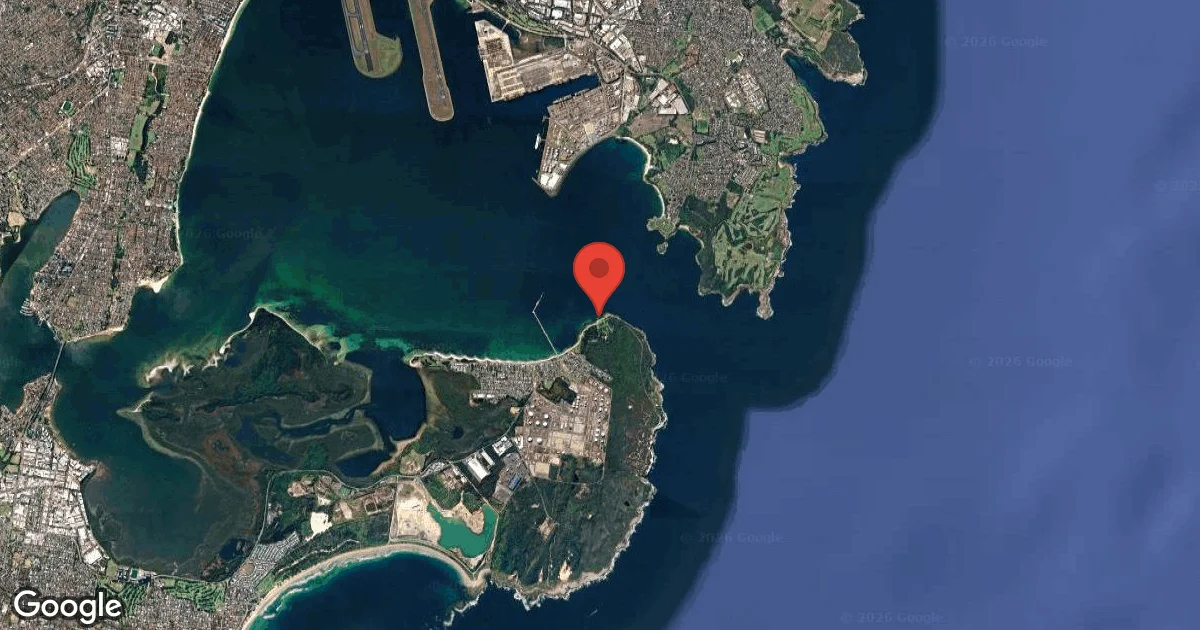
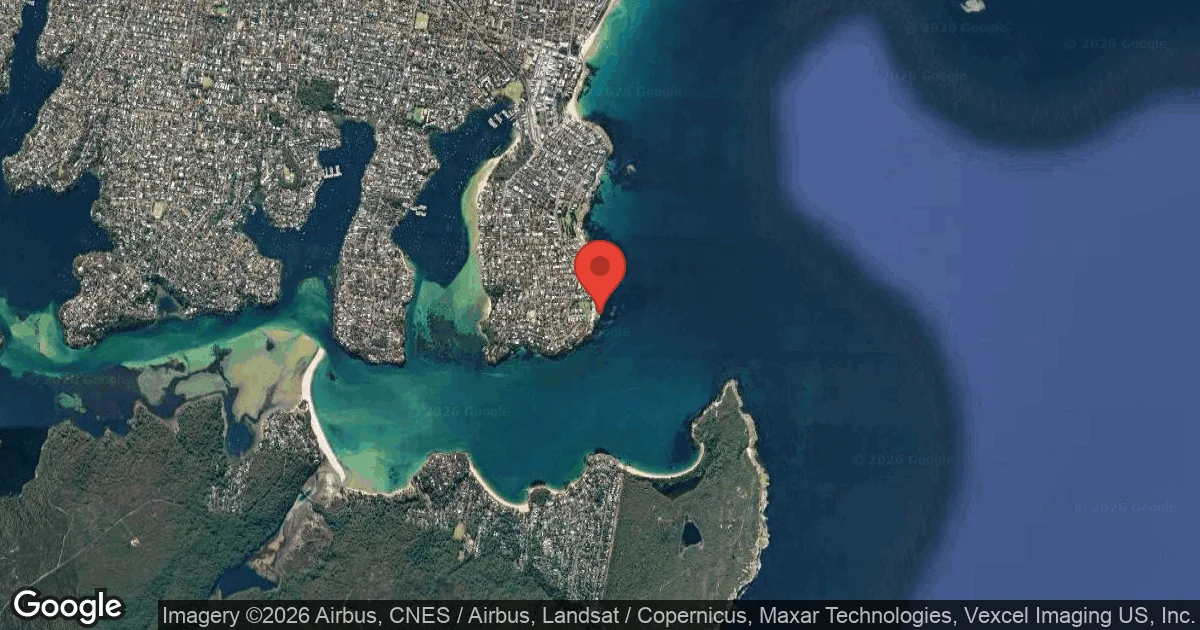
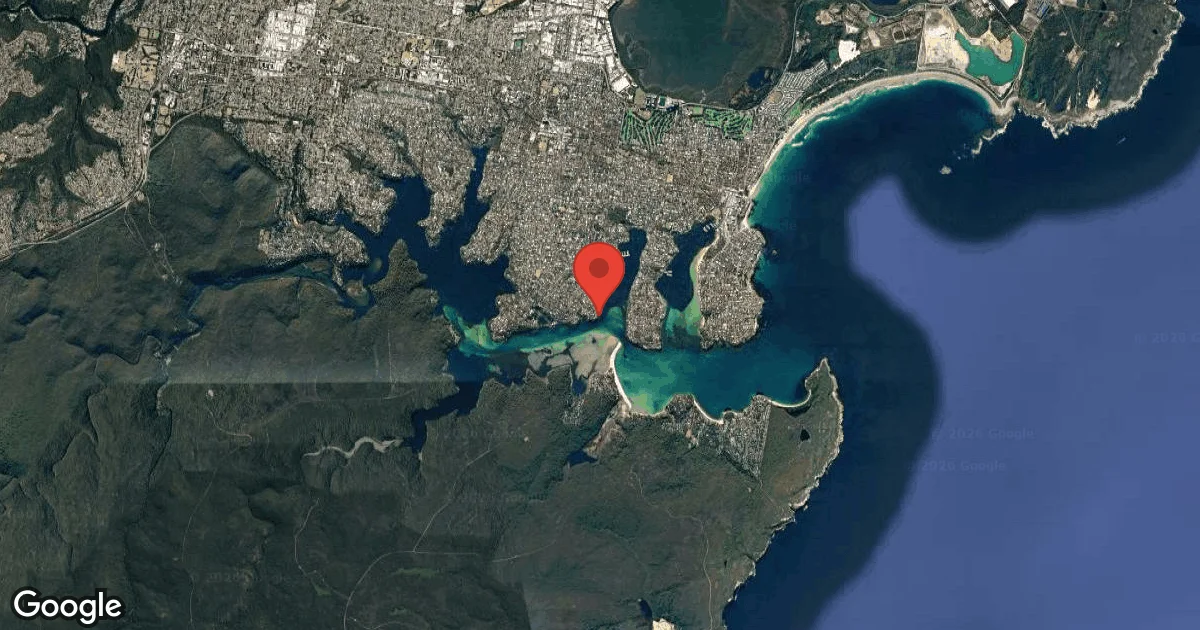
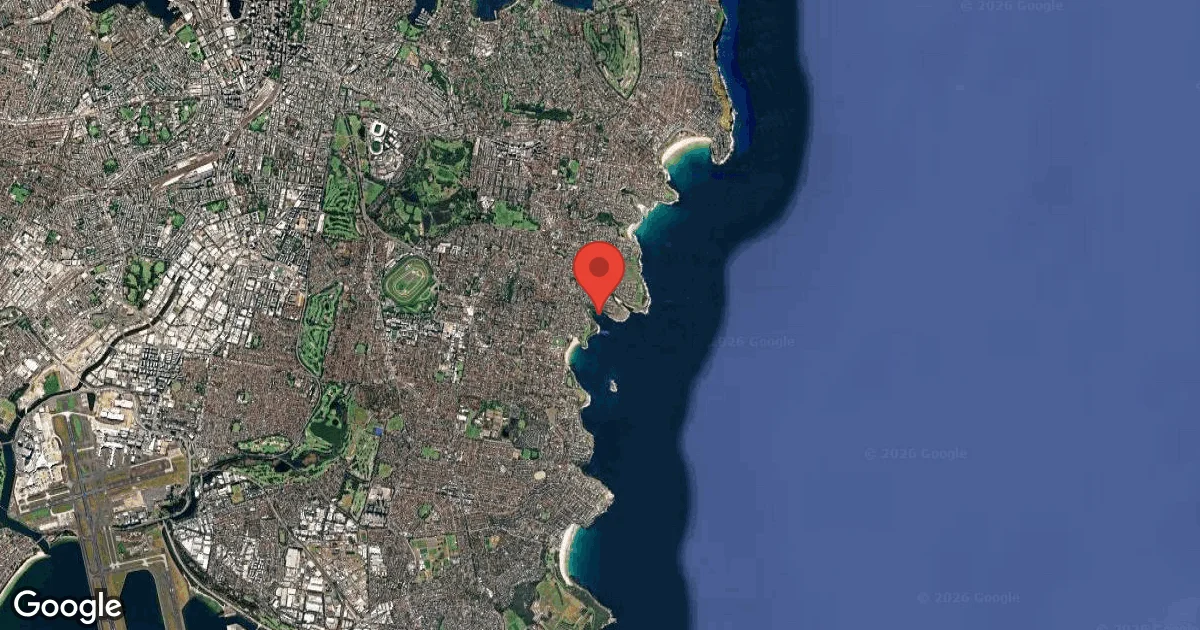
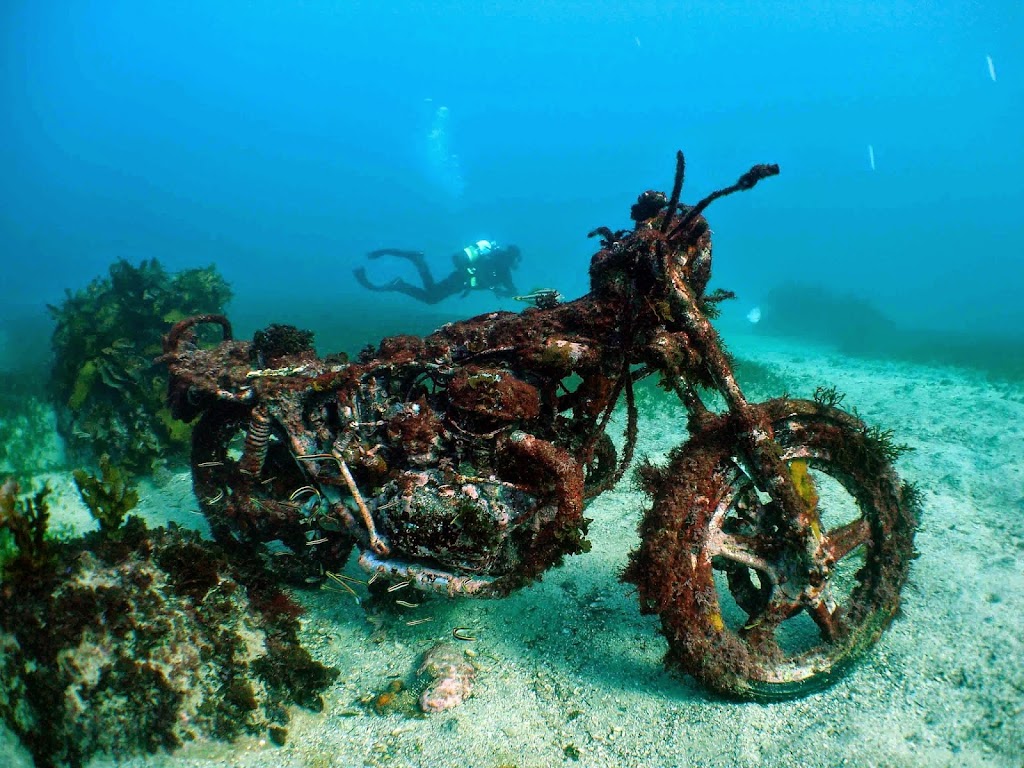
Beneath the Whale Watching Platform, an intricate underwater landscape unfolds, characterized by significant boulders and small walls that carve out numerous small caves and swim-throughs. This site, found on the southern side of Botany Bay in Sydney, Australia, boasts a dynamic topography that rewards exploration. Divers navigate a rocky bottom, often interspersed with sand patches and larger boulder formations, creating a varied and engaging environment.
Tonight's objective overview for Whale Watching Platform shows an air temperature of 16°C. The measured surface conditions include wave heights around 2 m. This environmental data is logged for the close of the day.
Dive Site Location & Key Facts
Dive Site Overview
Imagine descending into waters where the distant calls of migrating whales might reach you, even underwater. The Whale Watching Platform dive site offers just such an immersive possibility, particularly during the humpback whale migration season.
This deep-water dive, further offshore compared to nearby sites like The Leap and Cape Solander, often benefits from enhanced visibility, revealing a vibrant underwater world. Depths here range from 16 to 24 meters (52 to 78 ft), providing ample room for divers of varying experience levels to explore its unique features. The environment unfolds with an expanse of boulder fields, dramatic small walls, and fascinating swim-throughs that harbor a diverse range of marine creatures.
Access is predominantly by boat, making it an accessible offshore adventure. Exploring the varied topography, divers will encounter sandy patches, intricate rock formations, and ledges.
The experience combines the allure of potential pelagic giants with the intimacy of reef exploration, creating a distinctive Sydney dive for those seeking a more exposed yet rewarding underwater landscape. This site appeals to divers who appreciate detailed topographical features and the chance for clearer water conditions away from the immediate bay entrance.
Conditions are Good
Optimal conditions expected
Current conditions near Whale Watching Platform show 16° air, 18° sea temperature, 1.5 m waves, and 19 km/h wind. Forecast data is refreshed regularly to ensure accuracy.
Best Time to Dive
Planning your dive for optimal visibility is key at Whale Watching Platform, which generally experiences better clarity compared to other inner bay sites. While specific seasonal visibility trends are not consistently reported, the area benefits from relatively low average rainfall throughout the year, with October seeing some of the lowest at 1.18mm and April the highest at 3.98mm. Air temperatures vary considerably, ranging from cooler averages of 12°C (54°F) in June to warmer highs around 23°C (73°F) in February, suggesting more comfortable surface conditions in summer months. Water temperatures generally maintain a minimum of 15°C (59°F), but can be warmer during the summer. For a chance to hear passing whales, July is a prime month to consider.
PEAK SEASON SCORE
Scores combine air & water temps, waves, wind & rainfall for overall conditions.
BEST MONTHS TO DIVE
Monthly records compiled from satellite and marine observation nodes over the last 3 years. Data provided by Open-Meteo and MET Norway.
Dive Experience & Conditions
Your descent at the Whale Watching Platform typically places you over a rocky seabed that may include sections of sand. Divers will quickly encounter the site's signature large boulders and smaller walls, many featuring intriguing crevices and ledges. Visibility here tends to be good, often surpassing that of sites closer to the bay entrance, allowing for clear views of the underwater structures. A notable shear wall drops from approximately 12 to 13 meters (39 to 43 ft), adorned with sponges, sea squirts, and small gorgonias. The maximum depth reached is around 24 meters (78 ft). Water conditions are influenced by its ocean exposure, with average wave heights ranging from 1.6 m (5.2 ft) to 2.2 m (7.2 ft) throughout the year, requiring careful assessment on dive days. Wind speeds are consistently moderate, averaging between 18.5 km/h (11.5 mph) and 23.79 km/h (14.8 mph).
Dive Difficulty & Safety Guidelines
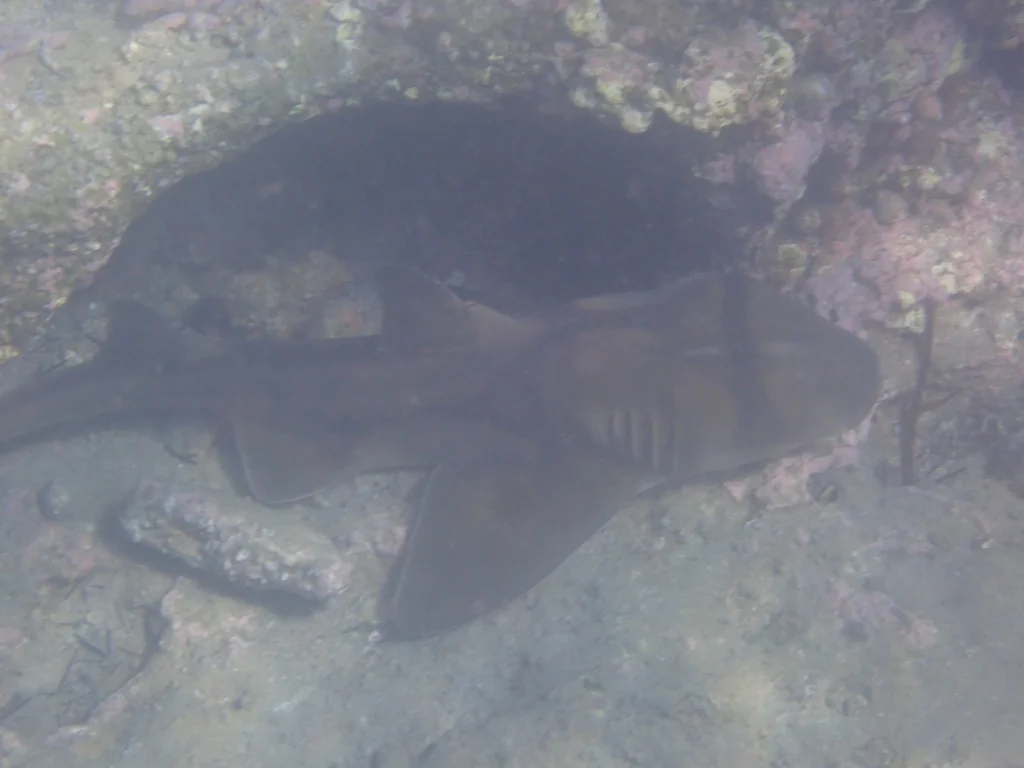
Diving at Whale Watching Platform presents typical ocean conditions that require experienced assessment and planning. As an ocean dive, understanding swell and current patterns before entering the water is crucial; strong currents can sometimes be encountered. While no specific hazards are listed, the presence of various shark species like Wobbegongs and Port Jackson sharks necessitates respectful observation and maintaining a safe distance.
Always dive within your certification limits and consider the site's maximum depth of 24 meters (78 ft) for air consumption and bottom time planning. Its offshore nature means conditions can be more exposed to open ocean influences. It's advisable to check local weather and sea forecasts before any boat-based dive operations.
Recommended Equipment
- Dive Computer
- DSMB
This gear list is based on verified equipment signals for Whale Watching Platform, Australia. Always confirm final gear choices with your dive operator, guide, or liveaboard.
Recommended Dive Suit
5-7mm wetsuit is often considered an appropriate level of exposure protection for conditions like these. A thermal robe or jacket is recommended between dives.
Current readings at Whale Watching Platform show water temperatures near 18°C (64°F). Surface air temperatures are resting at 16°C (61°F).
The forecast outlook suggests that temperatures will stay close to current levels.
Due to technical issues with our weather providers, live updates are temporarily delayed. The data above reflects the conditions at the time of the last successful fetch.
Emergency & Medical Support
Essential information to help you plan your dive trip to Whale Watching Platform.

Hyperbaric chambers are a critical part of dive safety infrastructure. Availability varies significantly by region, and not all dive areas have immediate access.
Before diving, it's recommended to:
- confirm nearest medical facilities
- check emergency procedures with local dive operators
- ensure dive insurance covers evacuation if required
Divers Alert Network
Diving emergency assistance available through DAN World.
+1-919-684-9111- 24/7 emergency hotline
- Diving medical assistance
- Evacuation coordination
Emergency contacts are provided for reference. Always verify local emergency services before diving.
Marine Life at Whale Watching Platform
What often catches a diver's eye first at Whale Watching Platform is the rich variety of benthic life, especially the Wobbegong sharks often found resting amongst the rocky formations. Exploring the numerous caves and swim-throughs will frequently bring you face-to-face with Bull rays and the distinctive Port Jackson sharks.
The site is also home to giant cuttlefish and occasional blue gropers. During the winter months, particularly June and July, the sound of humpback whales passing by can sometimes be heard underwater, adding a unique dimension to the dive experience.

Dive Sites Near Whale Watching Platform
View all dive sites in AustraliaDiscover more underwater gems in this area.
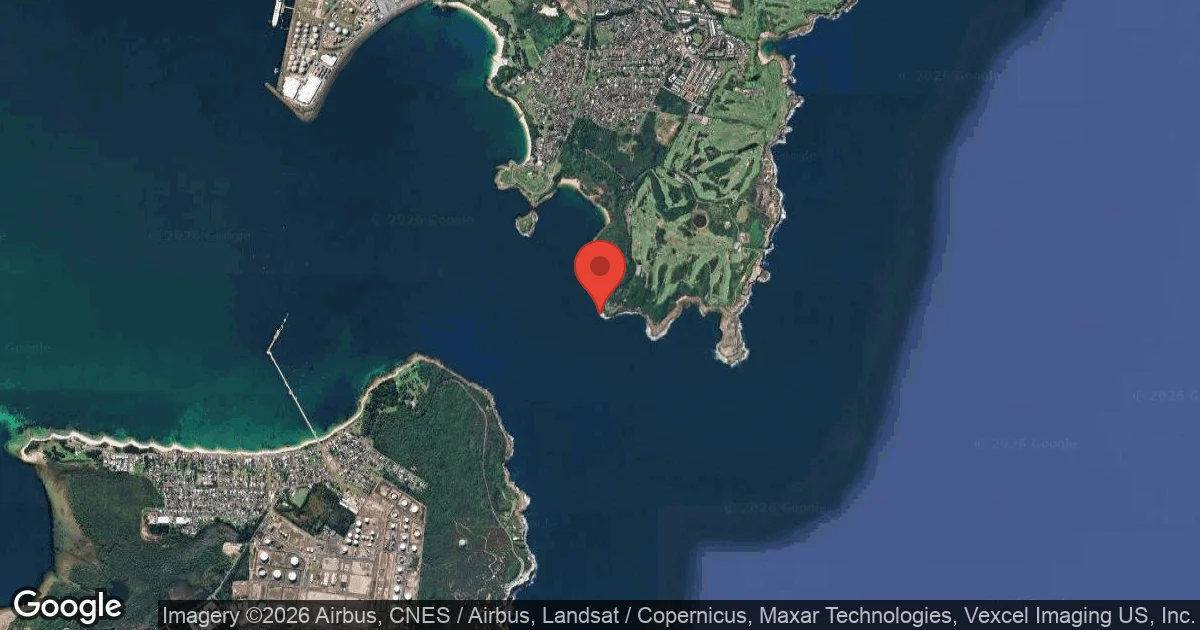
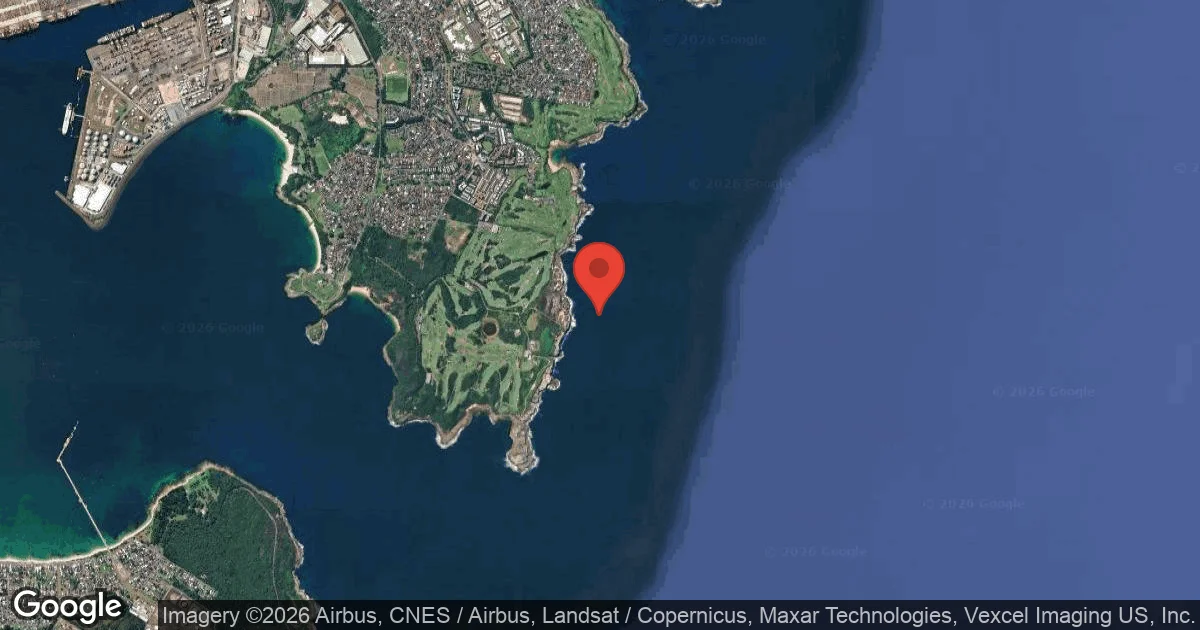
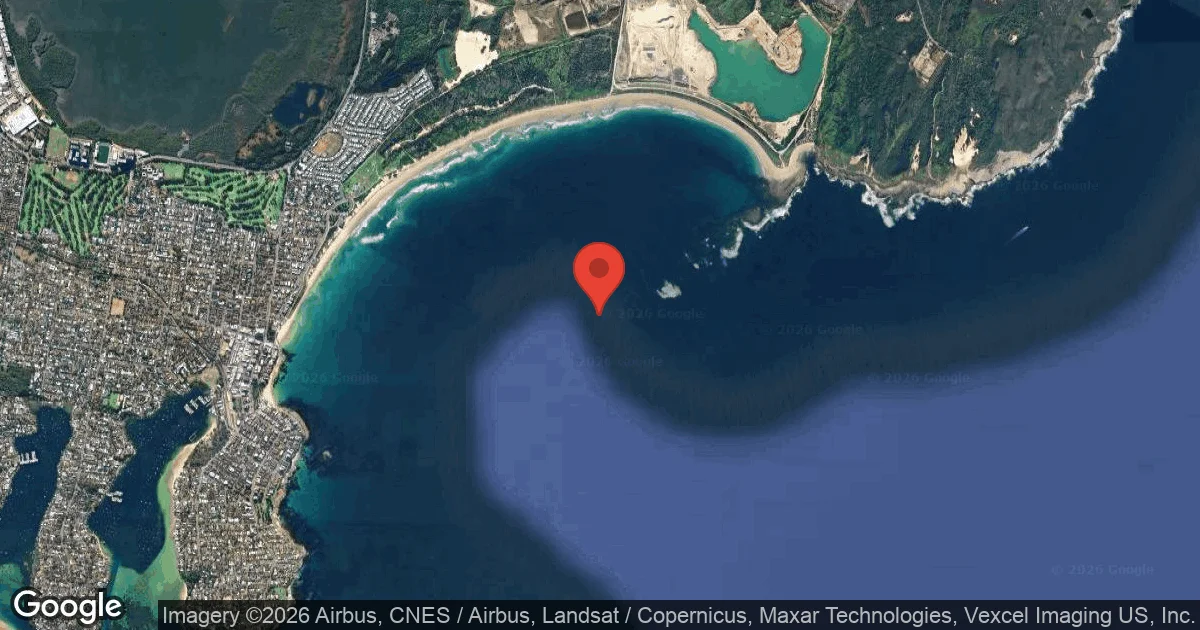
Dive Centers Near Whale Watching Platform
Today: 07:00 - 17:00
Nearest Airports
Nearest airports to help plan travel to this dive area.
Search Flights
Check available flights and routes on Expedia, using the nearby airports listed in this section.
Search Flights on ExpediaFrequently Asked Questions
What is the typical depth range at Whale Watching Platform?
The dive site features depths ranging from 16 to 24 meters (52 to 78 ft). This range accommodates both intermediate and advanced divers comfortably.
What kind of underwater topography can be expected?
Divers will explore a landscape of numerous boulders, small walls, and rocky outcrops. These formations create many small caves and swim-throughs, offering interesting areas for exploration.
Is whale activity common at this dive site?
While diving, you may hear migrating humpback whales, especially if diving around July during their migration period. The site is named after a land-based platform for whale watching, indicating its proximity to their travel routes.
What are the common marine life sightings?
Common sightings include Wobbegong sharks, Bull rays, Port Jackson sharks, giant cuttlefish, and blue gropers. The rocky environment supports a diverse array of fish and invertebrates.
How is the water clarity at Whale Watching Platform?
This site generally offers better visibility compared to other dive locations further inside Botany Bay. Ocean exposure contributes to clearer conditions.
What is the best way to access the dive site?
Access to the Whale Watching Platform dive site is primarily by boat. It lies on the southern side of Botany Bay, a short boat ride from various departure points.
What are the average water temperatures?
While specific water temperature data is limited, reports indicate a minimum water temperature of around 15°C (59°F). Temperatures can be higher, especially during the warmer summer months.
Planning to dive Whale Watching Platform?
Send one inquiry and receive offers directly from the best verified local dive operators.
Conditions are Good
Optimal conditions expected
Current conditions near Whale Watching Platform show 16° air, 18° sea temperature, 1.5 m waves, and 19 km/h wind. Forecast data is refreshed regularly to ensure accuracy.