
Diving at Oak Park (Australia)
Oak Park in Cronulla, Australia, stands as an accessible shore dive well-suited for a broad spectrum of certified divers. Novice and open water divers will find its easy navigation and shallow profile, reaching a maximum depth of approximately 12 m (40 ft), particularly inviting. More experienced divers also appreciate the site for its extensive layout and the abundance of marine life present, making it a versatile location for various skill levels to explore.
Evening condition tracking at Oak Park features an air temperature of 18°C. We have recorded wave heights measuring 1.6 m during this period. These figures outline the environmental parameters currently present.
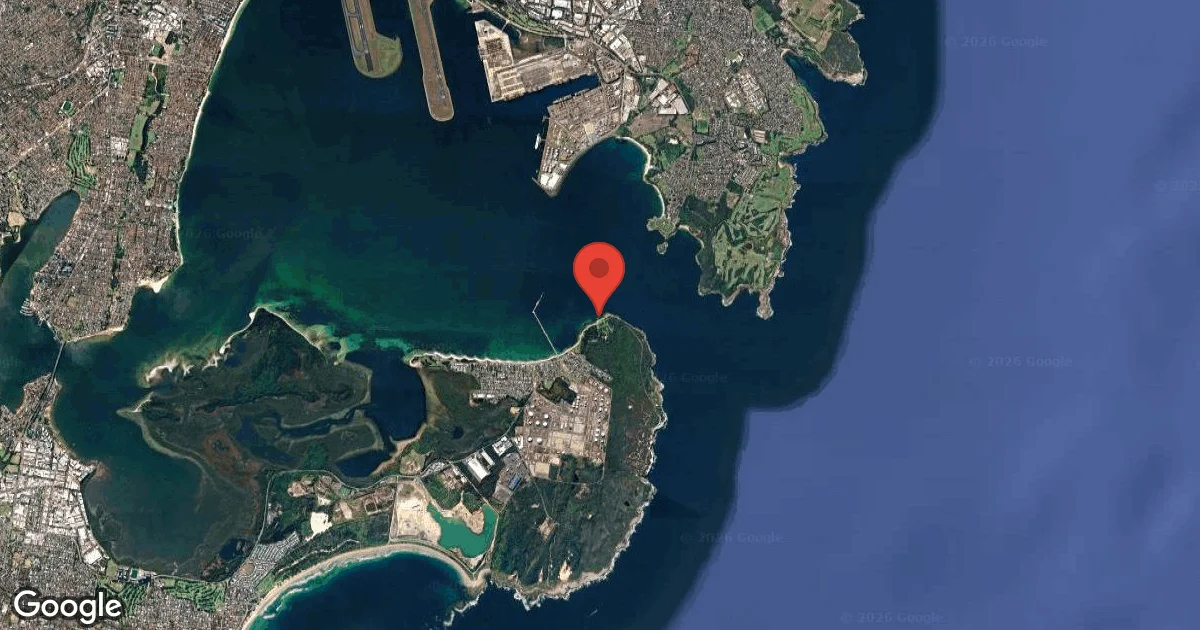
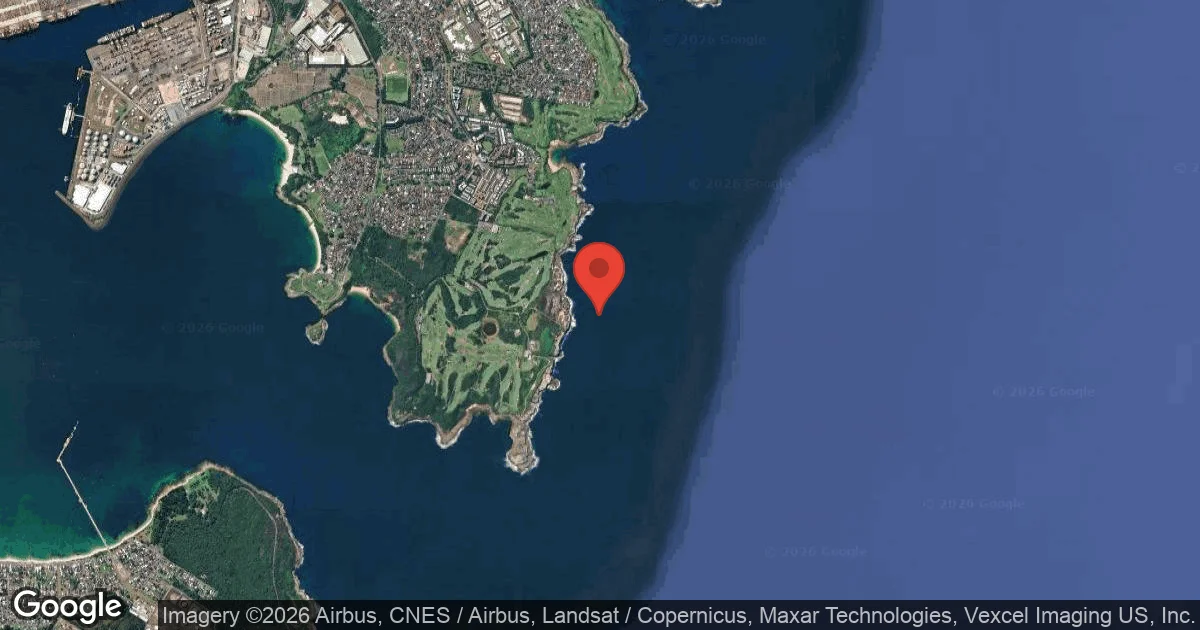
Dive Site Location & Key Facts
Dive Site Overview
This expansive dive site unfolds with a significant wall that arcs from the shoreline, guiding divers through a diverse underwater landscape. Traversing east, then north-east, the wall, standing two to three meters (7-10 ft) high, presents numerous low caverns and overhangs, creating intimate habitats for fish life.
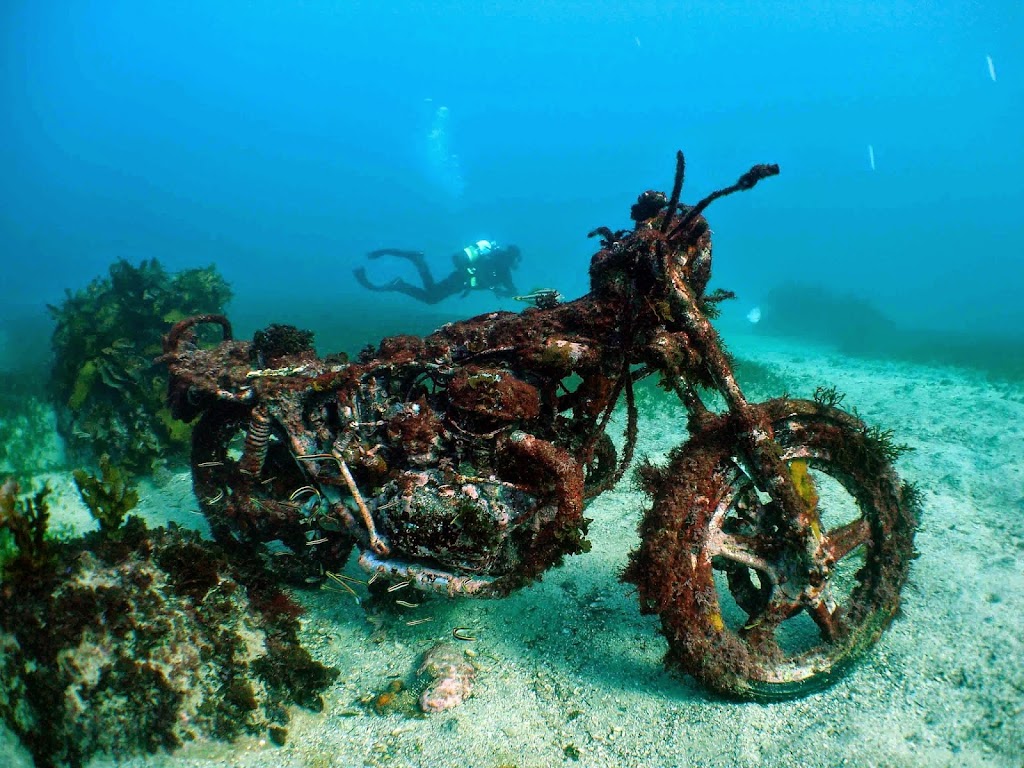
Continuing the exploration, one might encounter sand and sea tulips as the wall gradually disperses, leading to a second reef structure. Farther along, at roughly 11 m (36 ft) depth, a distinctive ceramic urinal serves as a unique landmark. A small cave, about 15 meters (49 ft) beyond, features a large crack allowing light to penetrate and hosts specific seasonal marine encounters.
Oak Park's massive layout and varied topographical features ensure that there are dozens of different areas to explore on any given dive.
Conditions are Good
Optimal conditions expected
Current conditions near Oak Park show 18° air, 18° sea temperature, 1.4 m waves, and 26 km/h wind. Forecast data is refreshed regularly to ensure accuracy.
Best Time to Dive
Diving conditions at Oak Park are often favorable during periods of southerly swells measuring less than 1 m (3 ft). While the site is generally shielded from southerly winds, significant swells from the east or north can impact entry and exit points. The site is a shore dive, and the ease of exiting the water is notably influenced by the tide; diving at low tide or on an outgoing tide is typically recommended for safer access back to shore. Average air temperatures fluctuate, ranging from about 12°C (54°F) in cooler months like June and July, to a comfortable 22-23°C (72-73°F) in January and February. Rainfall is generally low throughout the year, with averages typically below 5 mm (0.2 inches) monthly, suggesting clear skies for surface conditions on most days.
PEAK SEASON SCORE
Scores combine air & water temps, waves, wind & rainfall for overall conditions.
BEST MONTHS TO DIVE
Monthly records compiled from satellite and marine observation nodes over the last 3 years. Data provided by Open-Meteo and MET Norway.
Dive Experience & Conditions
Descending into Oak Park, divers encounter a submerged wall that feels like a natural guide, offering a clear path through the reef system. Exploring the low caverns, divers often observe friendly blue gropers darting among the rocks. Visibility here can vary, typically ranging from 3 to 15 m (10-49 ft), with an average often around 7 to 8 m (23-26 ft); this is sometimes marginally better on an incoming tide. The journey might lead to the peculiar ceramic urinal, a curious point of interest at depth, before arriving at the small cave with its inviting shaft of light. Water temperatures are not consistently reported but generally align with regional fluctuations, often requiring appropriate exposure protection. After heavy rains, stormwater from Port Hacking, nearby, can temporarily reduce visibility.
Dive Difficulty & Safety Guidelines
Before entering the water, divers should assess sea conditions from above the ocean pool, especially noting swell direction and size. Entry and exit points are critical here, with options near the north-east corner or the southern side of the pool, depending on the tide and swell. High tide, combined with even small swells, can make the platform slippery, potentially dislodging divers.
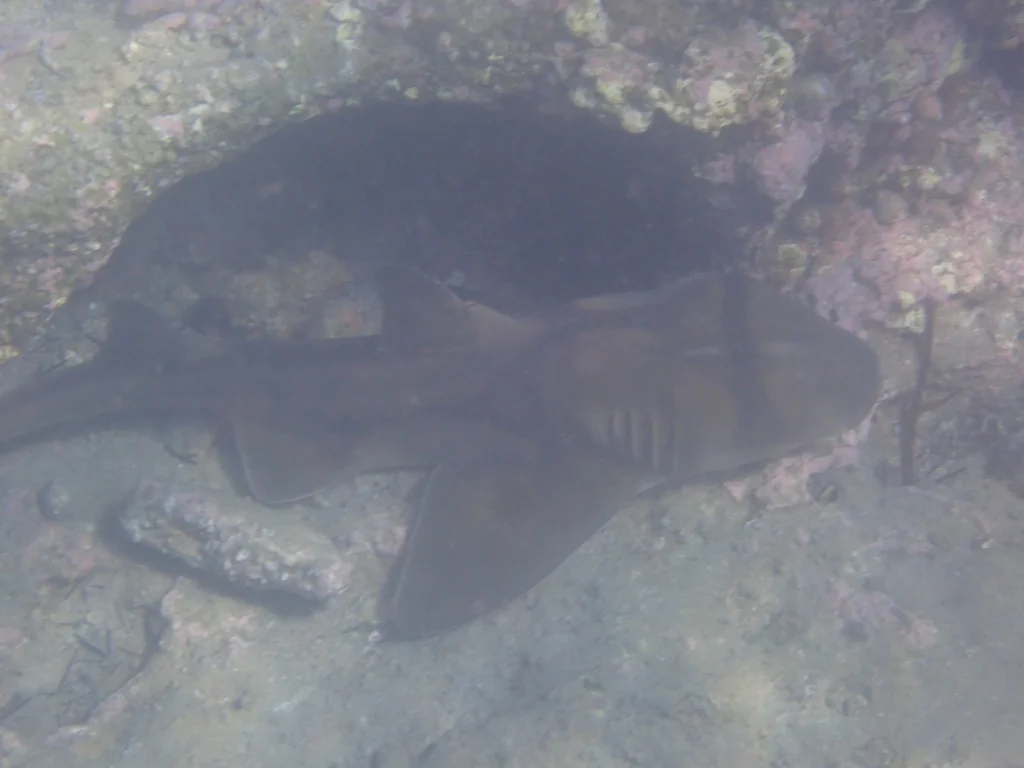
There is some boat traffic to be aware of, particularly when surfacing. Divers should avoid entering the narrow tunnel within the small cave due to dense schools of fish that can obstruct passage and potential seasonal presence of Port Jackson sharks.
Always prioritize diving during low or outgoing tides for the safest exit from this shore-based site.
Recommended Equipment
- Dive Computer
- Hard-soled Dive Boots
This gear list is based on verified equipment signals for Oak Park, Australia. Always confirm final gear choices with your dive operator, guide, or liveaboard.
Recommended Dive Suit
Exposure protection is partly a personal preference.
5mm wetsuit typically provides a reliable level of thermal protection for dives here. Surface intervals may feel cooler. Weather models currently point toward consistent diving conditions over the next several days.
Water temperatures across the dive area at Oak Park are presently estimated to be around 18°C (64°F). Surface air temperatures are resting at 18°C (65°F).
Due to technical issues with our weather providers, live updates are temporarily delayed. The data above reflects the conditions at the time of the last successful fetch.
Emergency & Medical Support
Essential information to help you plan your dive trip to Oak Park.

Hyperbaric chambers are a critical part of dive safety infrastructure. Availability varies significantly by region, and not all dive areas have immediate access.
Before diving, it's recommended to:
- confirm nearest medical facilities
- check emergency procedures with local dive operators
- ensure dive insurance covers evacuation if required
Divers Alert Network
Diving emergency assistance available through DAN World.
+1-919-684-9111- 24/7 emergency hotline
- Diving medical assistance
- Evacuation coordination
Emergency contacts are provided for reference. Always verify local emergency services before diving.
Marine Life at Oak Park
Oak Park is known for its substantial sponge gardens, forming a vibrant backdrop for an array of marine species. Divers frequently encounter a variety of fish, including the notably friendly blue gropers inhabiting the wall's overhangs.
Seasonal visitors include Port Jackson sharks, which may be found within the site's small cave during mating season. Encounters with turtles are possible, adding to the rich biodiversity.
More elusive finds like sea dragons have also been reported. The site's environment, with its kelp-covered ridges and sandy areas, supports numerous other species, including dense schools of bullseyes and roughies.

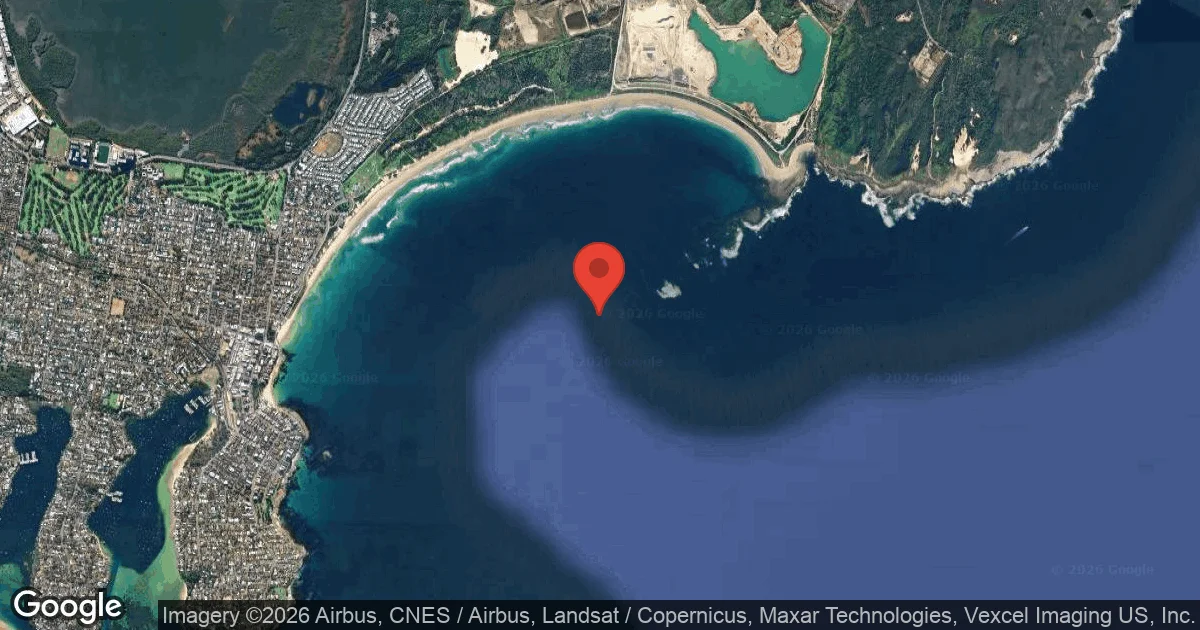
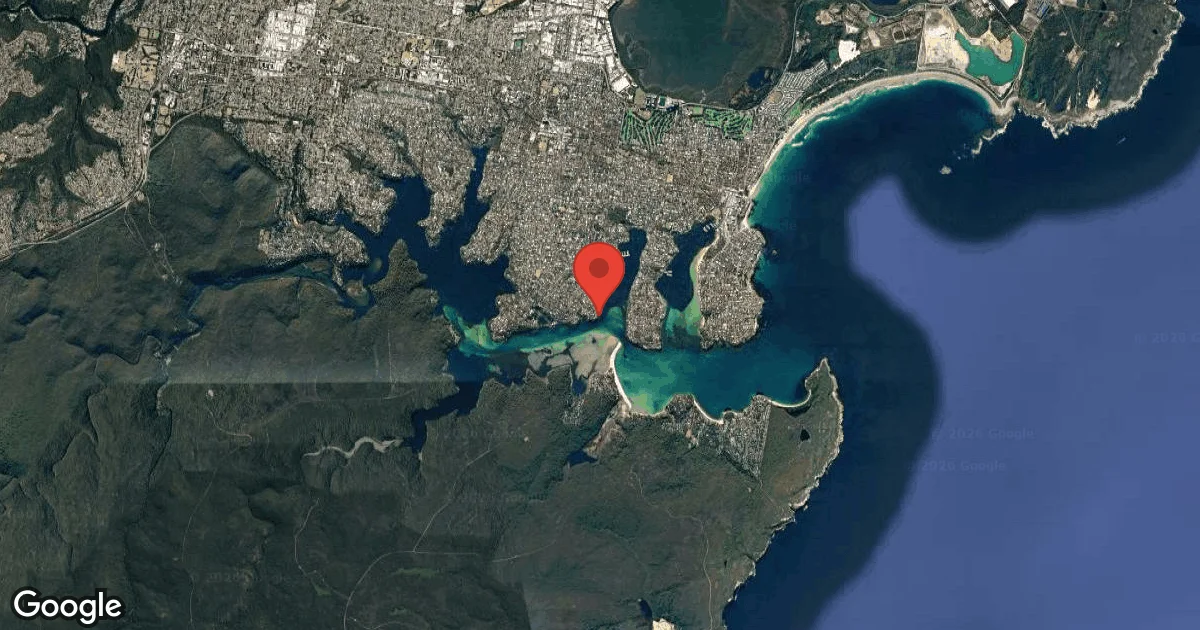
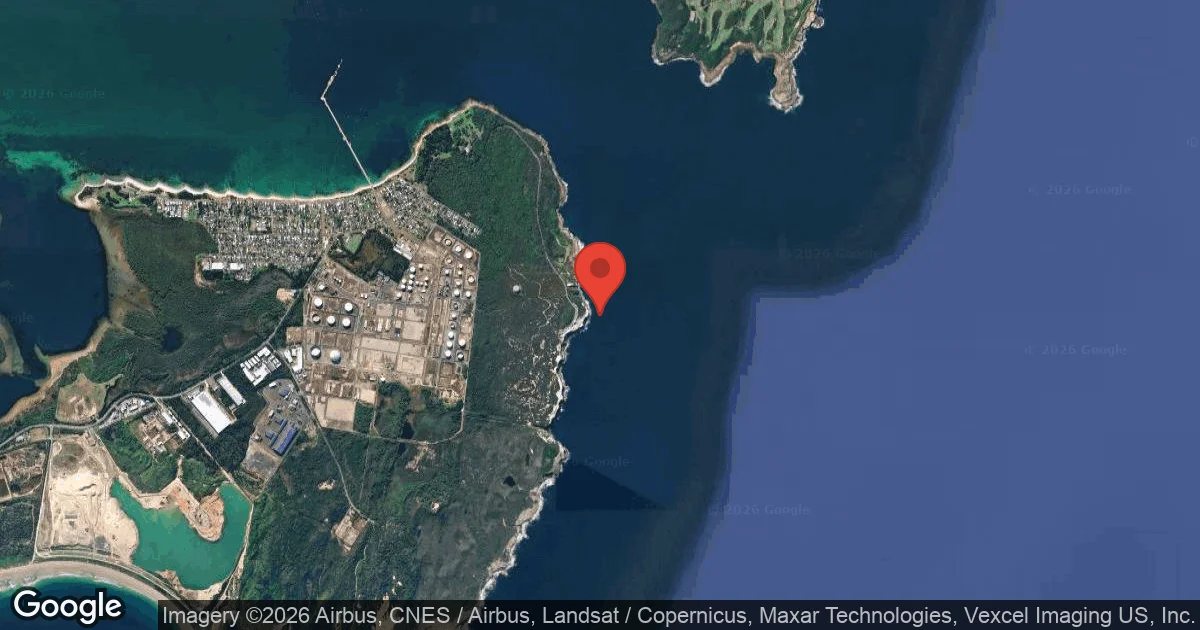
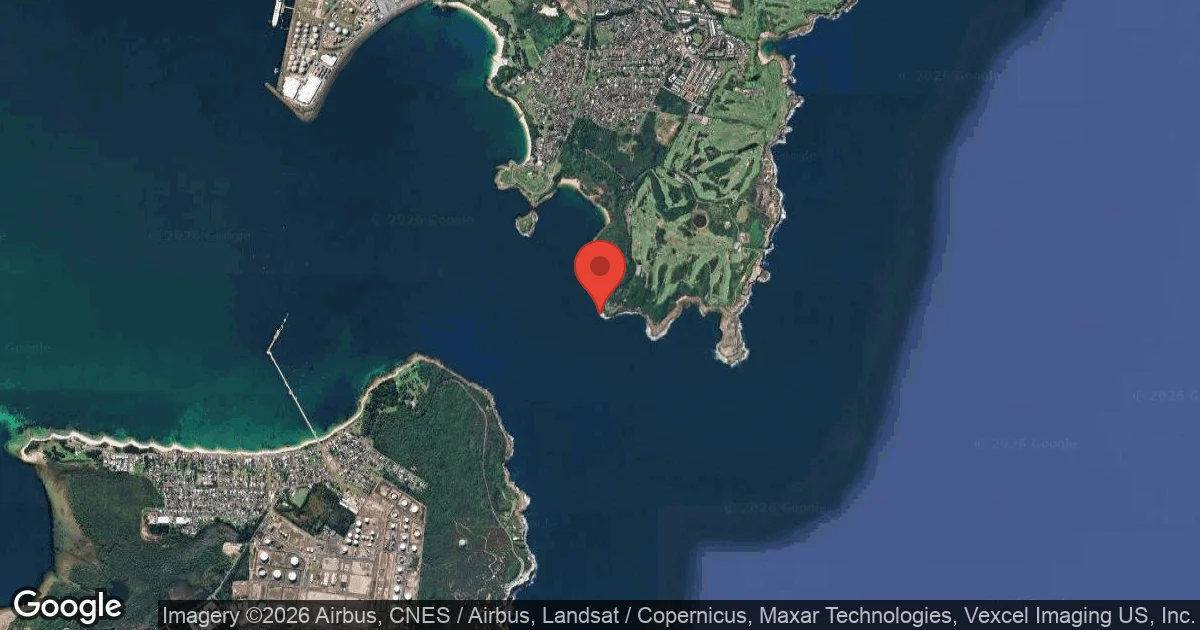
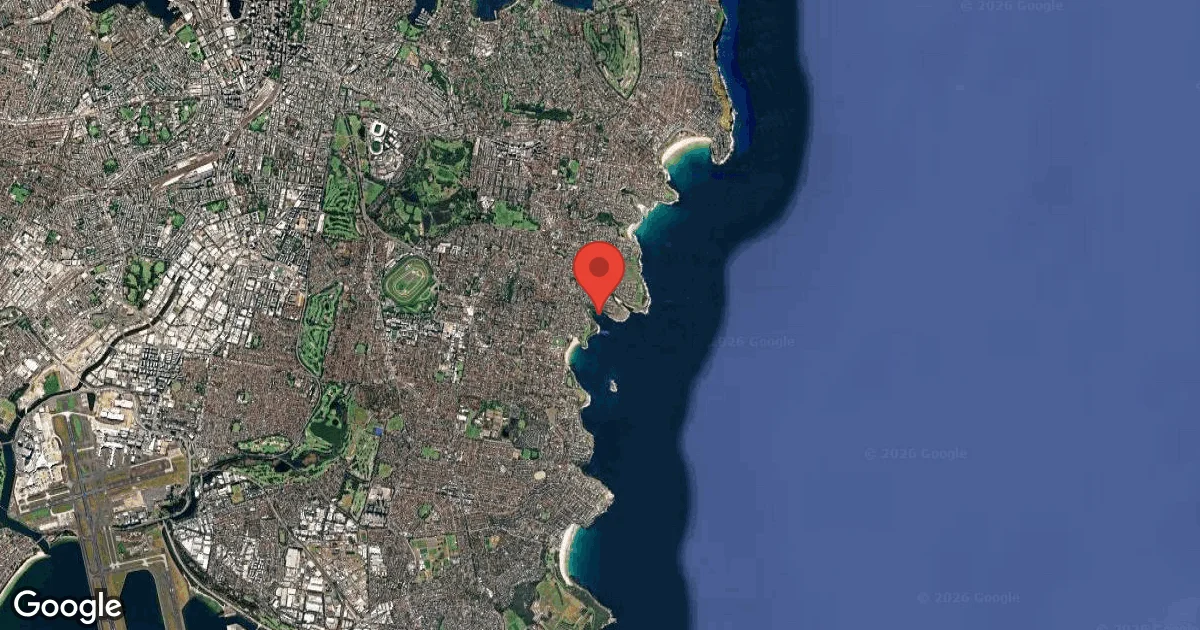
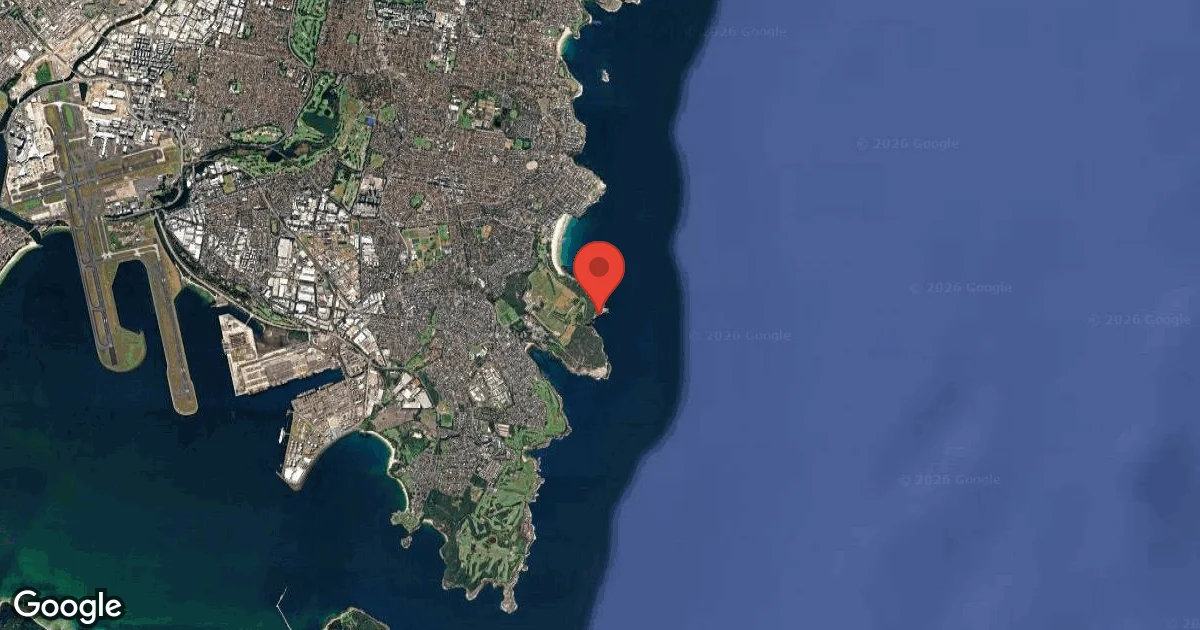
Dive Sites Near Oak Park
View all dive sites in AustraliaDiscover more underwater gems in this area.
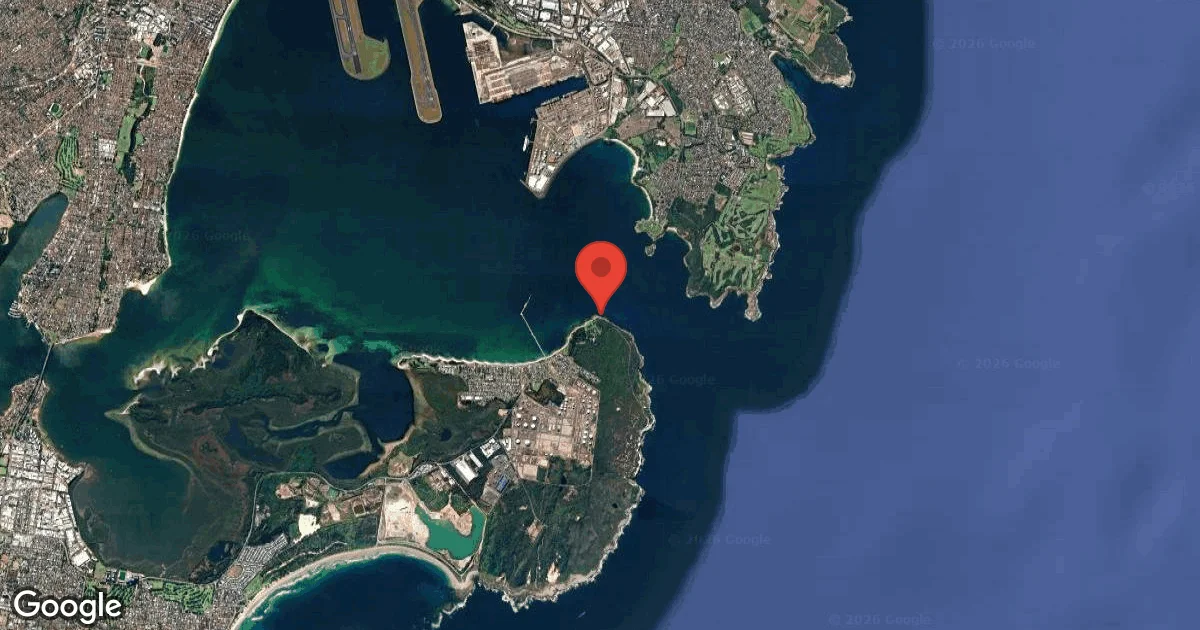
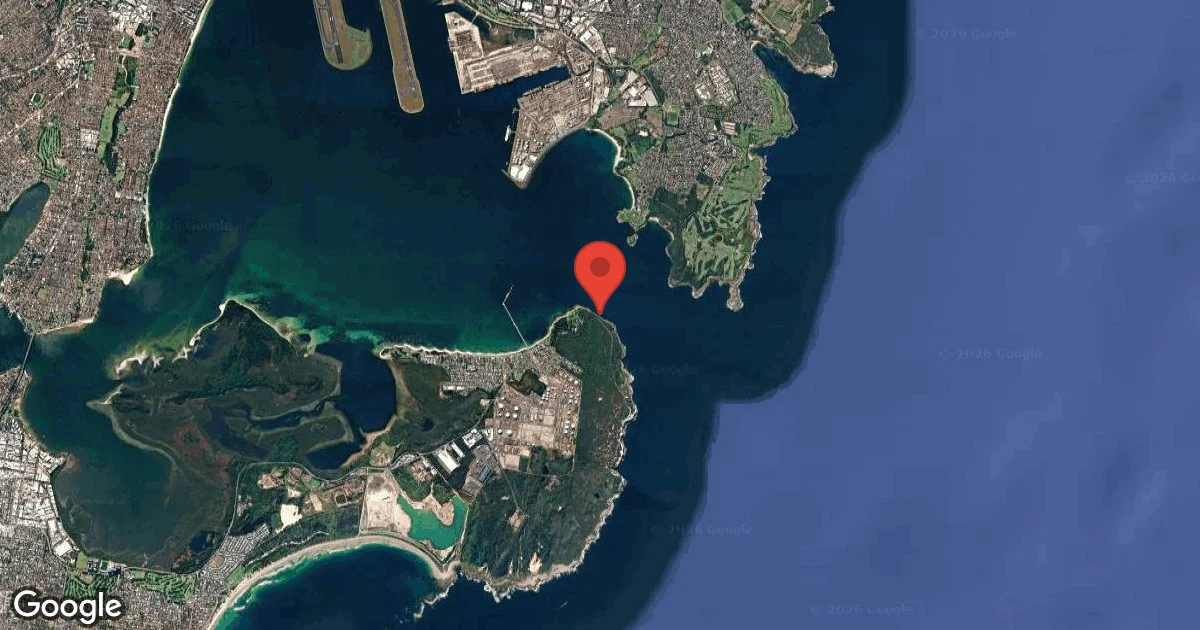
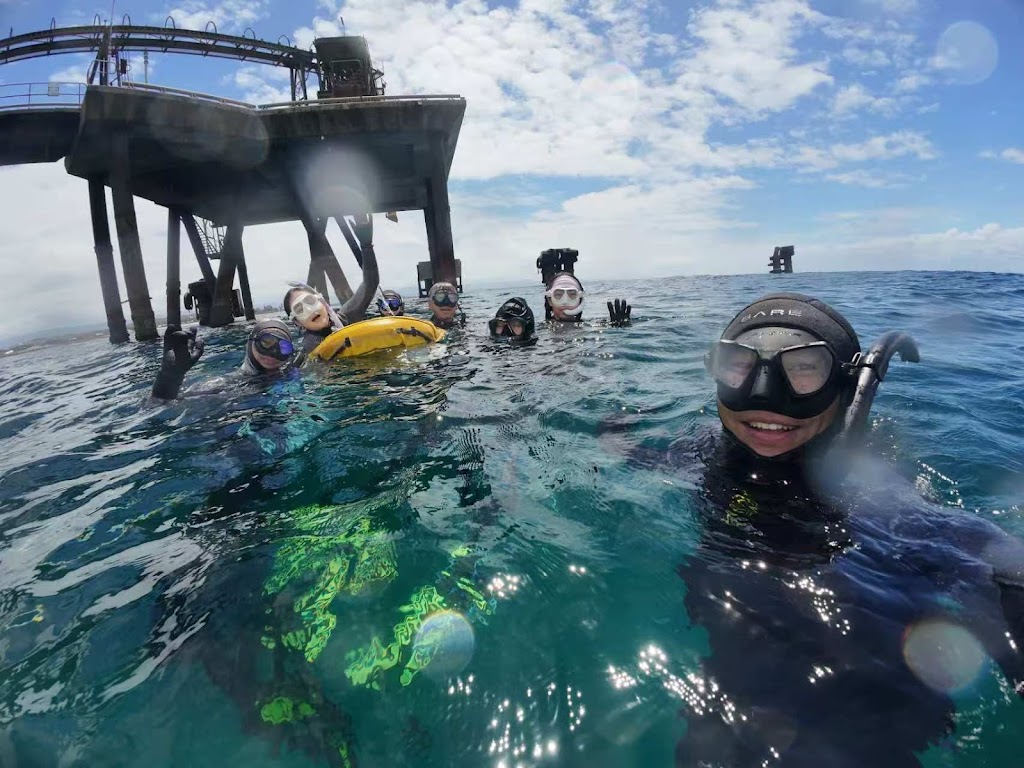
Dive Centers Near Oak Park
Today: 07:00 - 17:00
Nearest Airports
Nearest airports to help plan travel to this dive area.
Search Flights
Check available flights and routes on Expedia, using the nearby airports listed in this section.
Search Flights on ExpediaFrequently Asked Questions
What is the maximum depth at Oak Park?
The maximum depth typically encountered at Oak Park is around 12 meters (40 ft), though certain features like the ceramic urinal are found at approximately 11 meters (36 ft). This shallow profile makes it suitable for recreational diving.
How do tides affect diving at Oak Park?
While currents and visibility are not significantly impacted by tides, the ease and safety of entry and exit are highly tide-dependent. It's generally recommended to dive during low tide or on an outgoing tide to ensure a safer return to shore.
What kind of marine life can I expect to see?
Divers can expect to see a variety of fish life, including friendly blue gropers, and sponge gardens. Port Jackson sharks are seasonal visitors to the cave, and there are reports of turtles and sea dragons.
What are the typical visibility conditions?
Visibility at Oak Park can range from 3 to 15 meters (10-49 ft), often averaging between 7 and 8 meters (23-26 ft). Visibility might be slightly better on an incoming tide, but heavy rain can reduce it.
Are there any specific hazards to be aware of?
Key hazards include potential boat traffic and the need for careful entry/exit, especially during high tide or strong swells from the east or north. A small tunnel within a cave is not safe to enter due to dense fish populations and potential shark presence.
Is Oak Park suitable for beginner divers?
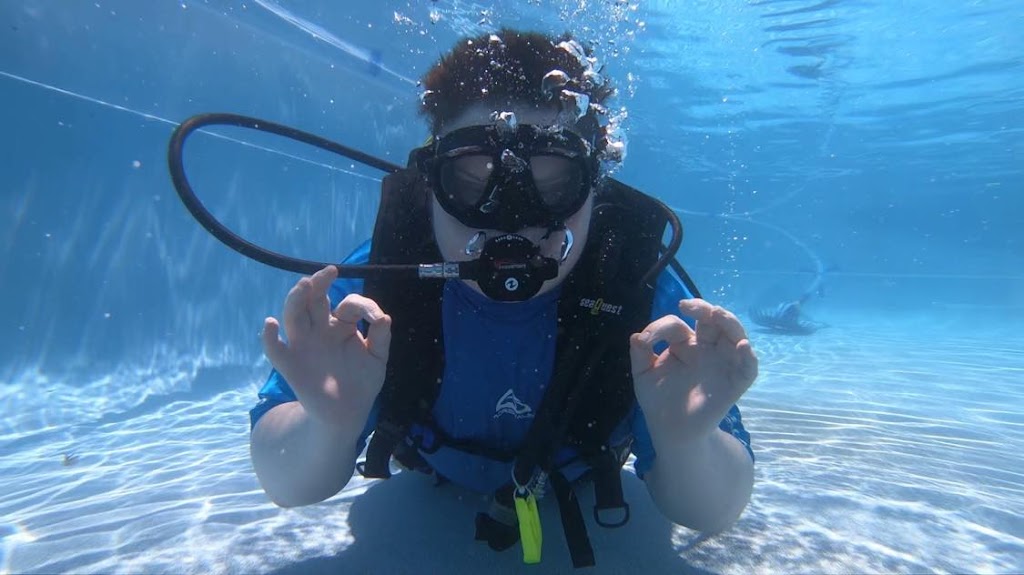
Yes, Oak Park is an excellent beginner dive site. Its easy navigation and shallow depths make it a popular choice for open water and novice divers to gain experience and confidence.
Planning to dive Oak Park?
Send one inquiry and receive offers directly from the best verified local dive operators.
Conditions are Good
Optimal conditions expected
Current conditions near Oak Park show 18° air, 18° sea temperature, 1.4 m waves, and 26 km/h wind. Forecast data is refreshed regularly to ensure accuracy.