
Diving at Osborn Shoals (Australia)
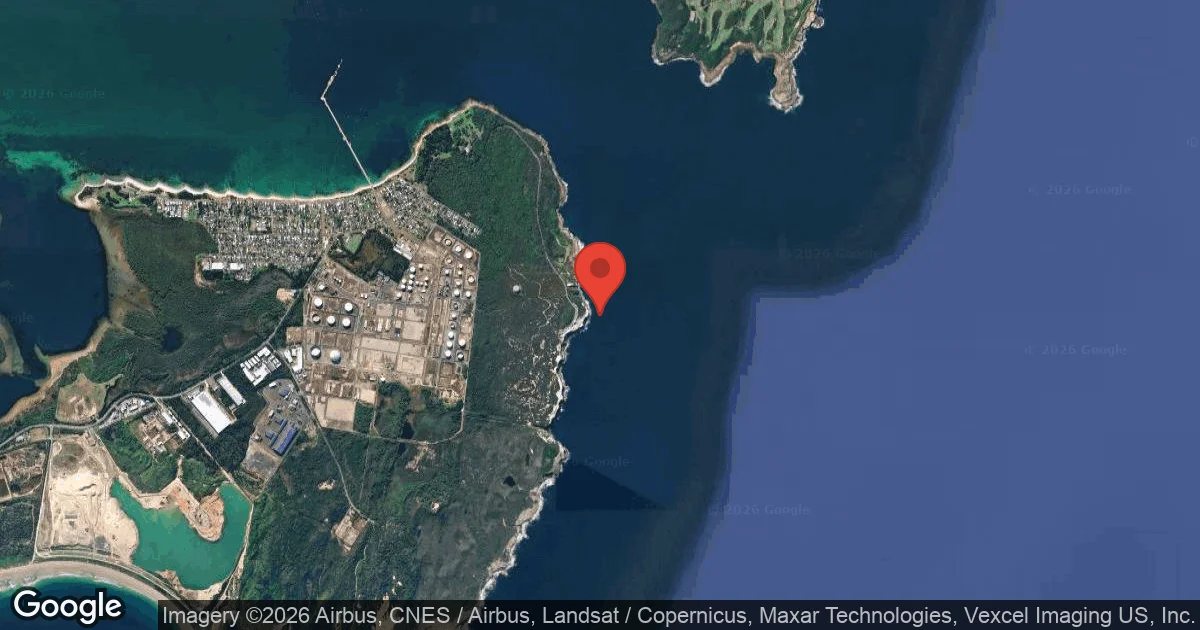
Osborn Shoals, a distinctive reef system situated off Cronulla Beach, Australia, presents a technical profile for certified divers. Its upper sections begin around 11-12 m (36-39 ft) and are characteristically adorned with kelp. Divers venturing deeper encounter sharp drop-offs and wall features descending to a maximum depth of 24 m (79 ft), where a diverse array of soft sponges thrives. This Sydney diving site comprises several distinct areas, each offering varied underwater topography for exploration.
Evening condition tracking at Osborn Shoals features an air temperature of 16°C. We have recorded wave heights measuring 1.4 m during this period. These figures outline the environmental parameters currently present.
Dive Site Location & Key Facts
Dive Site Overview
The underwater landscape of Osborn Shoals, officially recognized by the NSW Geographical Names Board, forms part of a larger reef structure extending intermittently across Bate Bay from Kurnell to Bundeena. Initially identified for its proximity to local wrecks, the shoals themselves offer a rich, varied environment for reef diving.
A relatively shallow plateau often forms the reef top, characterized by a flat expanse carpeted in kelp, with some areas featuring substantial sponge growth. Moving away from this shallower plateau, the landscape dramatically transforms into sharp drop-offs. Walls plunge to depths reaching twenty meters or more on the eastern, northern, and southern flanks, creating significant vertical relief.
Western and southern sides typically descend to around eighteen meters, offering a different profile. Multiple named sections, including Osborn Shoal East and Osborn Shoal South West, each provide distinct underwater experiences.
Exploration reveals fascinating overhangs and cracks along the wall edges, alongside a notable large cave that adds further structural interest and photographic opportunities. Varied topography ensures a diverse experience on each dive, rewarding careful inspection of the extensive reef system.
Its intricate structure supports a vibrant ecosystem, inviting detailed inspection of many nooks and crannies. Divers often describe the sensation of drifting along these significant wall features, encountering sudden changes in reef composition.
Conditions are Good
Optimal conditions expected
Current conditions near Osborn Shoals show 16° air, 18° sea temperature, 1.4 m waves, and 31 km/h wind. Forecast data is refreshed regularly to ensure accuracy.
Best Time to Dive
Planning a dive at Osborn Shoals often hinges on balancing comfortable air temperatures with prevalent sea conditions, though water temperatures are not consistently reported. The air temperature experiences significant seasonal shifts, ranging from an average of 12-14°C (54-57°F) during the winter months of June to August, up to a warmer 22-23°C (72-73°F) from December through February. Throughout the year, dive conditions are generally rated as 'Moderate,' with average wave heights typically between 1.6 and 2.1 meters and wind speeds varying from 18 to 24 km/h. Rainfall remains consistently low, averaging between 1 and 4 mm monthly. Optimal conditions for a moderate dive experience are generally found when winds are lighter and swells are lower, which can occur across any season depending on specific weather patterns.
PEAK SEASON SCORE
Scores combine air & water temps, waves, wind & rainfall for overall conditions.
BEST MONTHS TO DIVE
Monthly records compiled from satellite and marine observation nodes over the last 3 years. Data provided by Open-Meteo and MET Norway.
Dive Experience & Conditions
Approaching Osborn Shoals requires careful boat handling and sound navigational skills. Divers typically use a depth sounder to pinpoint the reef's shallower sections, which rise abruptly from deeper areas that exceed eighteen meters. Anchoring is a key maneuver: in westerly or north-westerly winds, deploying the anchor over the wall to the north-west is common. For other wind directions, boat operators may run east across the shoals and drop anchor, ensuring sufficient rope is deployed as securing a good hold directly on the reef top can be challenging. Once underwater, navigation is straightforward; divers often keep the extensive reef wall on one side for the outbound leg and switch sides for the return, exploring vast sections adorned with soft sponges and numerous small overhangs and cracks. Visibility varies, but can often exceed ten meters on good days, making wall navigation easier. Currents here are typically mild, but can pick up, requiring divers to be mindful of their position relative to the boat.
Dive Difficulty & Safety Guidelines
Diving Osborn Shoals requires careful planning and a good understanding of anchoring procedures, as securing a reliable anchor hold on the reef itself can be difficult. Divers should deploy ample anchor rope to mitigate the risk of the anchor breaking free, especially with varied substrate. Given the site's maximum depth and varied topography including walls and potential overhangs, strong buoyancy control and appropriate dive certification are recommended.
Recreational divers should be comfortable operating near the limits of their certification. Regular checks of local weather and sea conditions, particularly regarding wind and swell, are crucial before heading out.
While no specific hazards are consistently reported, divers should always adhere to safe diving practices and be prepared for changing conditions typical of coastal Australian diving. This includes monitoring for potential currents and maintaining situational awareness throughout the dive.
Recommended Equipment
- Dive Computer
- DSMB
This gear list is based on verified equipment signals for Osborn Shoals, Australia. Always confirm final gear choices with your dive operator, guide, or liveaboard.
Recommended Dive Suit
The latest conditions reported around Osborn Shoals place the water temperature close to 18°C (64°F). Surface air temperatures are resting at 16°C (61°F).
5-7mm wetsuit is generally considered suitable for water temperatures like this. Consider warmer surface protection (like a boat coat) due to brisk winds. A thermal robe or jacket is recommended between dives.
Forecast trends indicate similar diving conditions over the next few days.
Emergency & Medical Support
Essential information to help you plan your dive trip to Osborn Shoals.

Hyperbaric chambers are a critical part of dive safety infrastructure. Availability varies significantly by region, and not all dive areas have immediate access.
Before diving, it's recommended to:
- confirm nearest medical facilities
- check emergency procedures with local dive operators
- ensure dive insurance covers evacuation if required
Divers Alert Network
Diving emergency assistance available through DAN World.
+1-919-684-9111- 24/7 emergency hotline
- Diving medical assistance
- Evacuation coordination
Emergency contacts are provided for reference. Always verify local emergency services before diving.
Marine Life at Osborn Shoals
Osborn Shoals provides a vibrant habitat for diverse cool-water marine life, making it a rewarding site for underwater observations. Divers can frequently encounter an impressive array of macro creatures, often found tucked within the reef's numerous cracks and soft sponge formations.
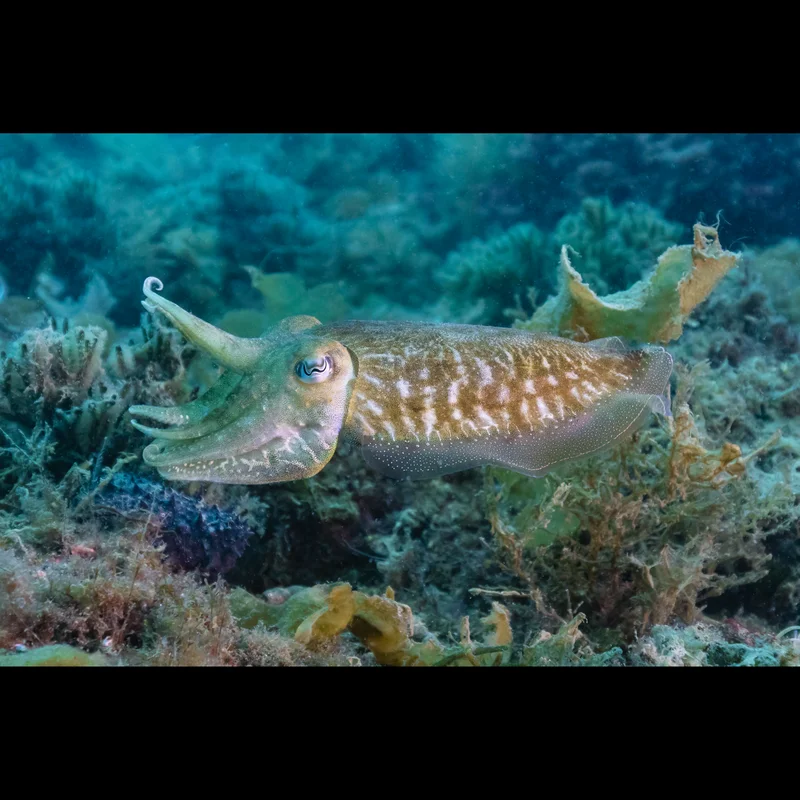
Native Sydney species are well-represented, including the distinct blue groper, red morwong, and various types of cuttlefish. The site is also known for its resident population of mado, striped wrasse, and silver sweep.
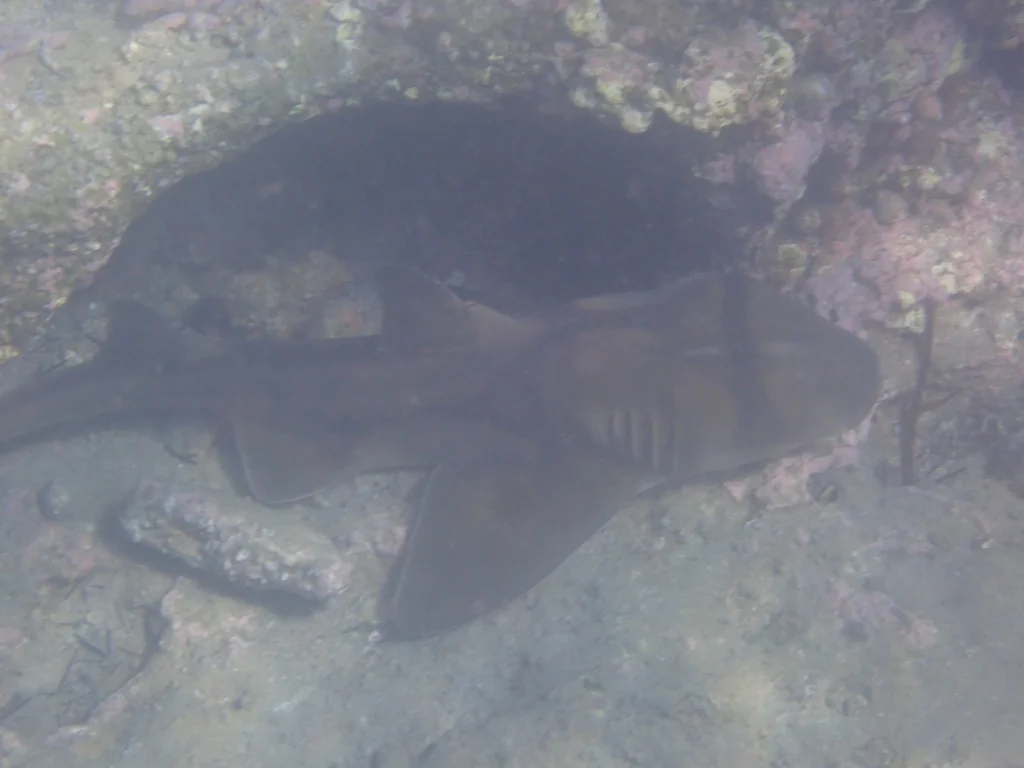
Furthermore, larger encounters may include sightings of both the Wobbegong Shark and the distinctive Port Jackson Shark, often found resting on the seabed or within sheltered crevices.

Dive Sites Near Osborn Shoals
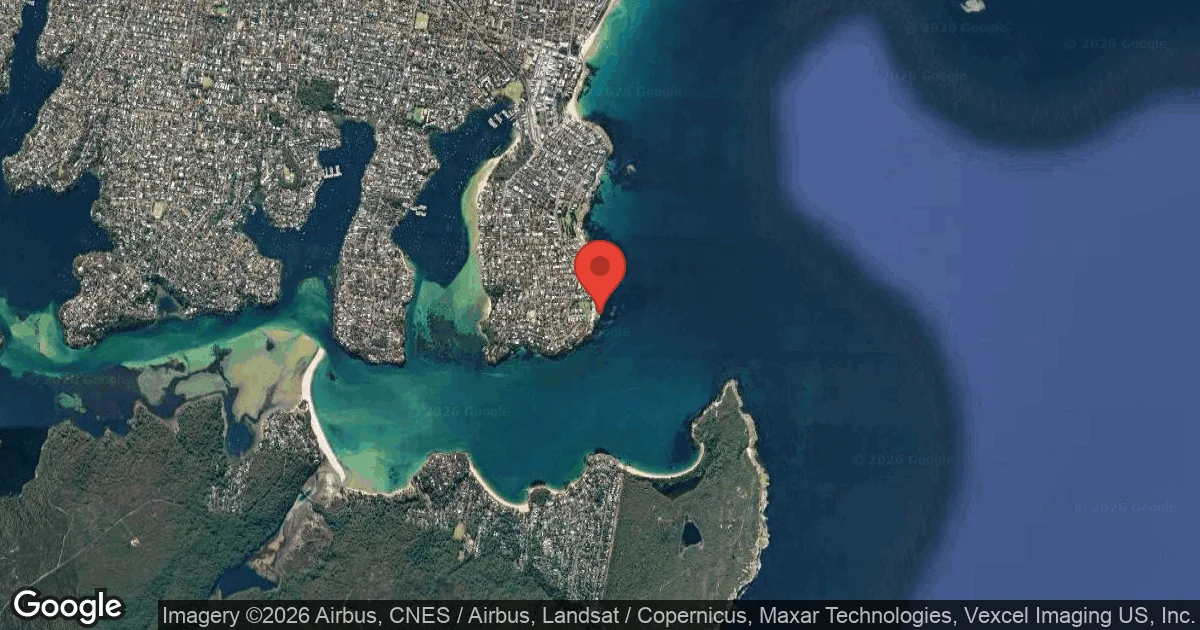
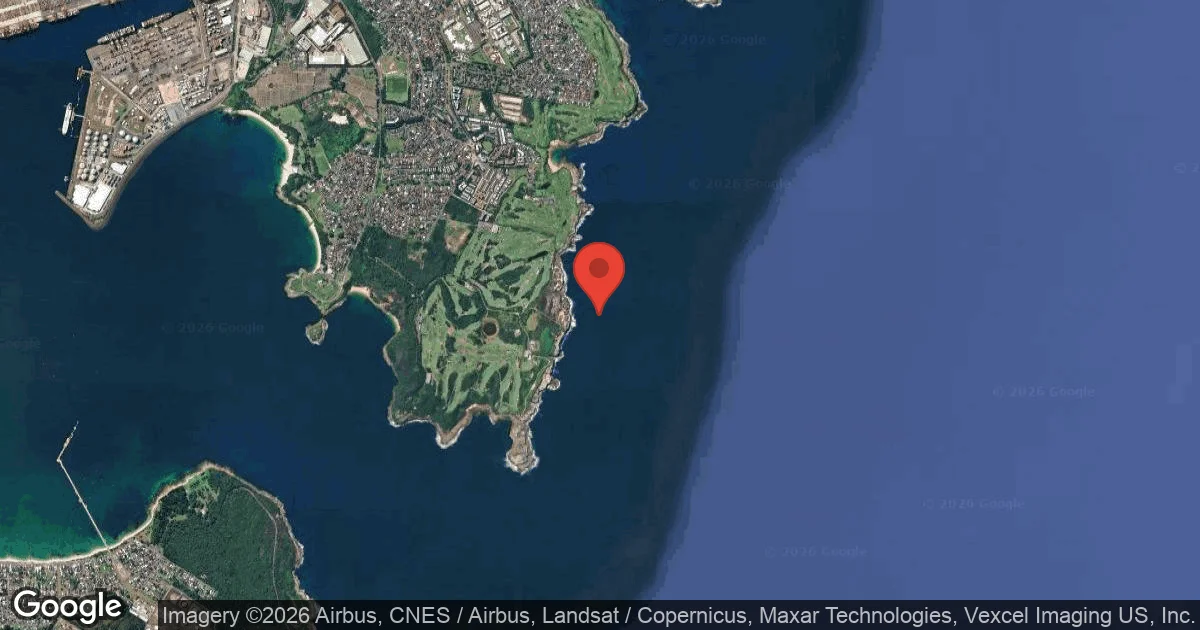
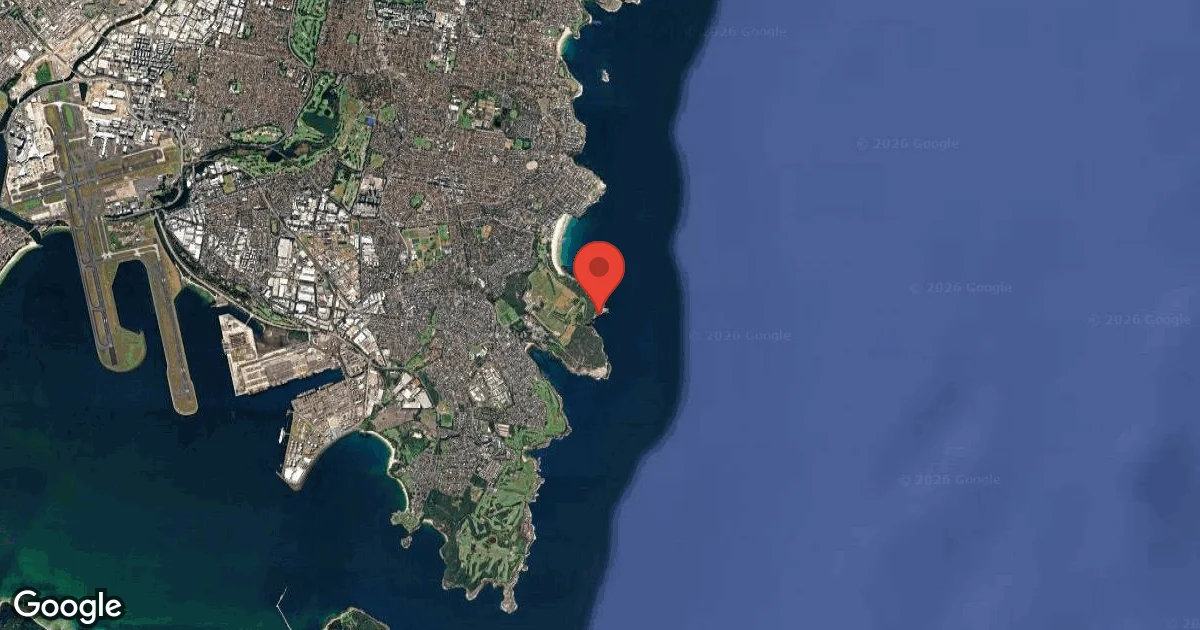
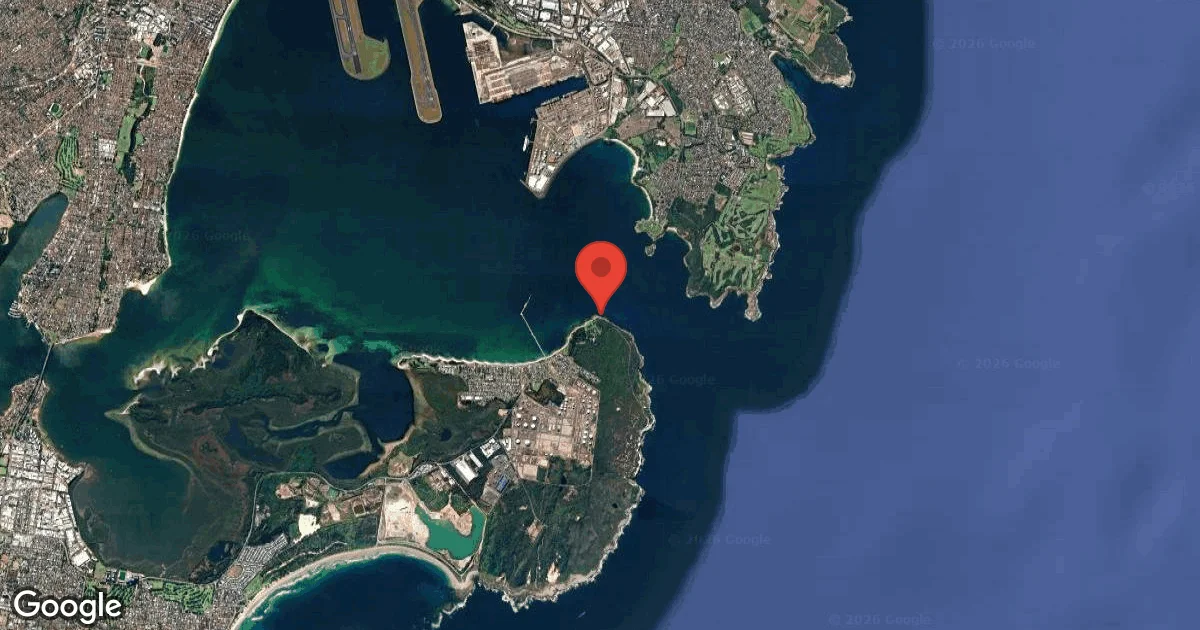
View all dive sites in AustraliaDiscover more underwater gems in this area.
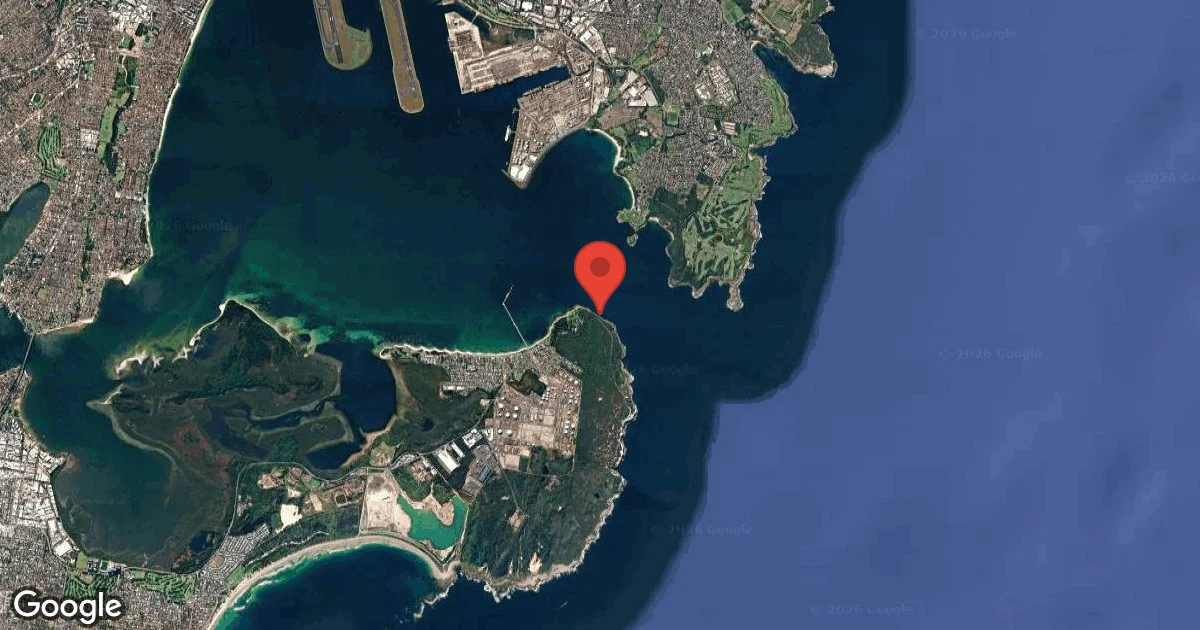
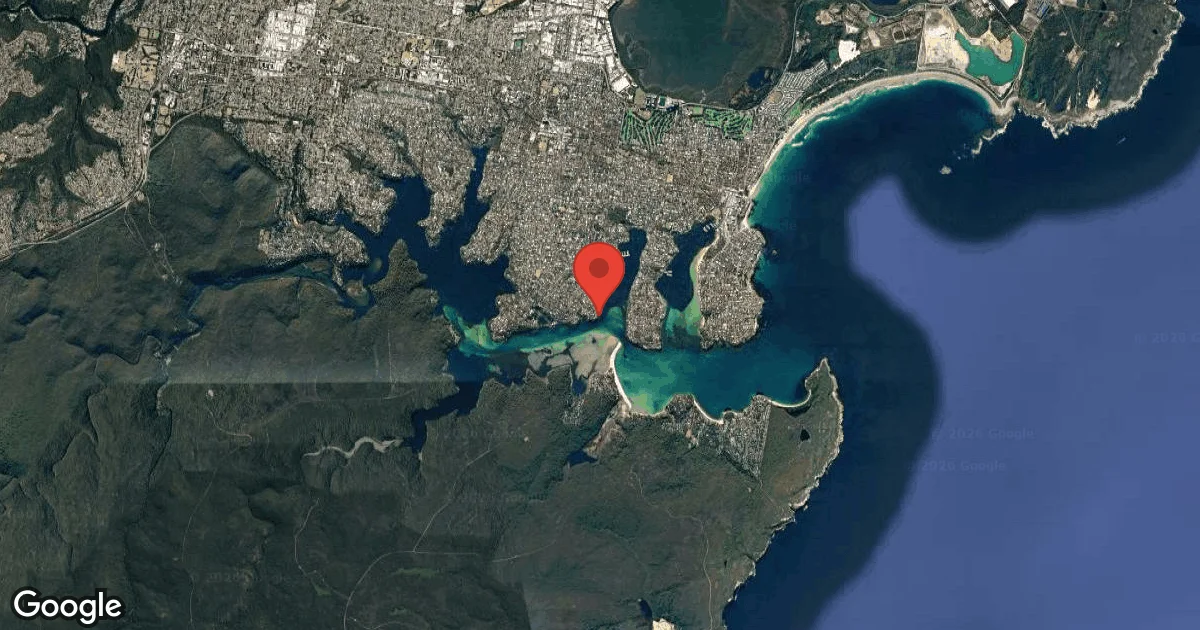
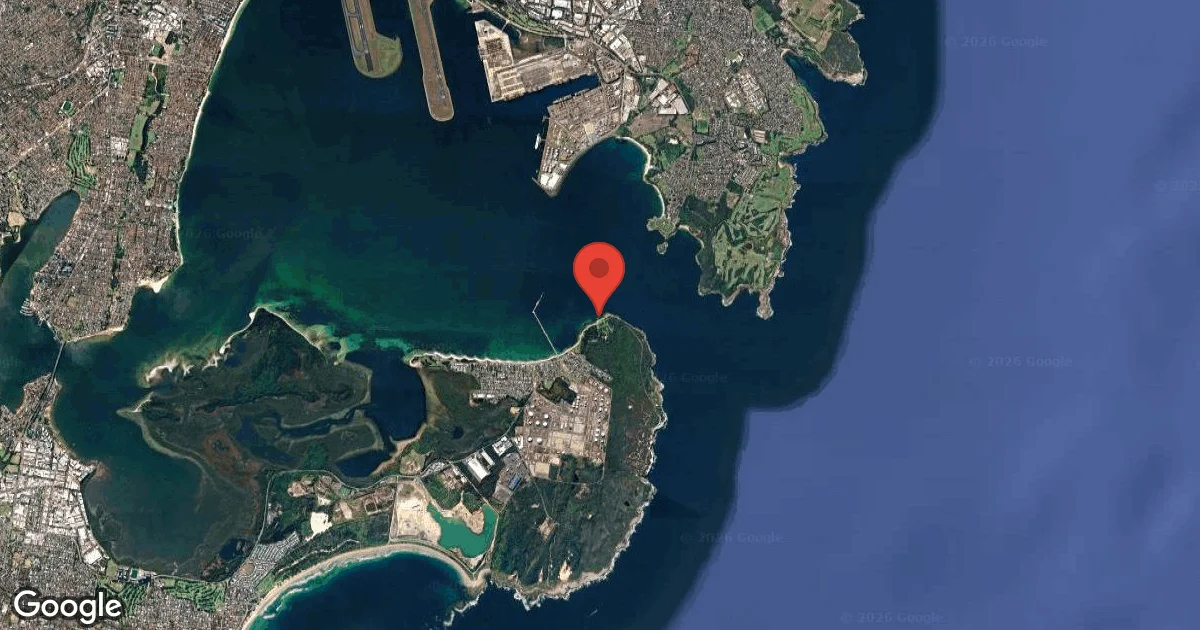
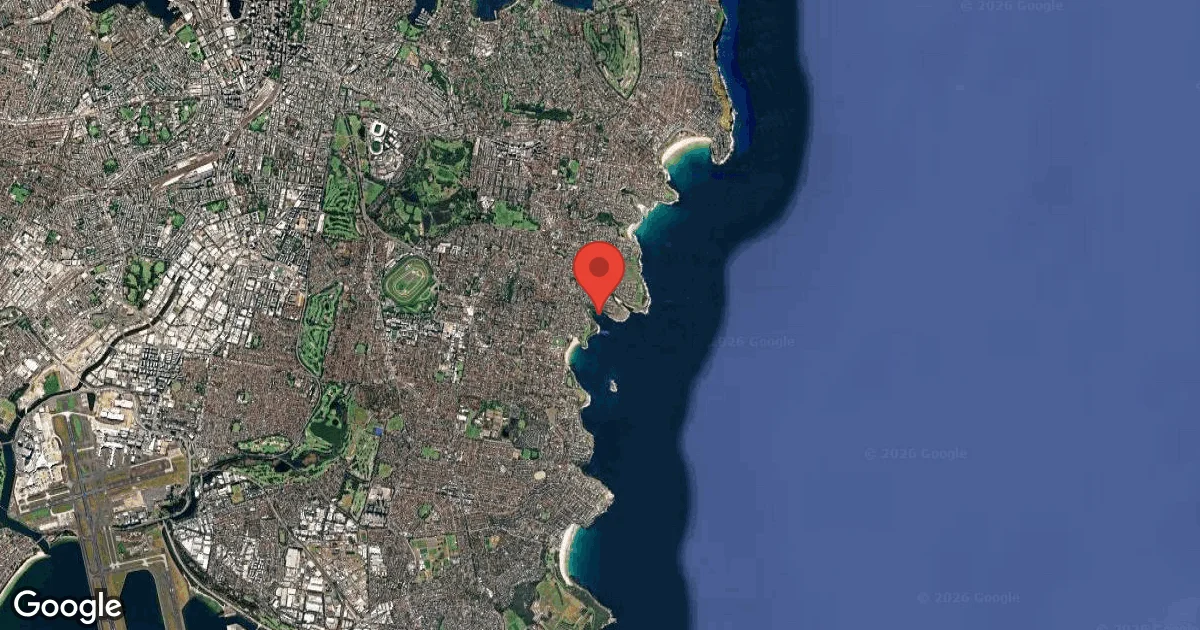
Dive Centers Near Osborn Shoals
Today: 07:00 - 17:00

Nearest Airports
Nearest airports to help plan travel to this dive area.
Search Flights
Check available flights and routes on Expedia, using the nearby airports listed in this section.
Search Flights on ExpediaFrequently Asked Questions
What depth range does Osborn Shoals cover?
Osborn Shoals presents a dive profile starting around 11-12 m (36-39 ft) on its shallower sections. It features sharp drop-offs and walls that extend to a maximum depth of 24 m (79 ft).
Is Osborn Shoals suitable for beginner divers?
Given the depths, varied topography including walls, and the need for careful navigation and buoyancy, Osborn Shoals is generally recommended for certified divers with strong buoyancy control. It's not typically considered a beginner site.
What kind of marine life can be seen at Osborn Shoals?
The shoals host a variety of cool-water marine life. Divers frequently encounter blue groper, red morwong, various cuttlefish, and occasionally Wobbegong and Port Jackson Sharks. Macro life thrives within the reef's many cracks and sponges.
What are the typical water conditions like?
Water temperatures are not consistently reported, but overall dive conditions are generally rated as 'Moderate.' Wave heights average between 1.6 and 2.1 meters, with wind speeds from 18 to 24 km/h. Optimal conditions depend on lighter winds and lower swells.
Are there any specific navigational challenges?
Above water, careful boat handling and precise anchoring are required, especially due to challenging reef-top holds. Underwater navigation is generally straightforward by following the reef wall, but divers should always be aware of potential currents.
What equipment is recommended for diving Osborn Shoals?
A dive light is essential for exploring the numerous cracks and overhangs and appreciating macro life. Given the potential for variable currents and the need for precise navigation around the reef's structures, a reliable surface marker buoy and compass are highly recommended.
Planning to dive Osborn Shoals?
Send one inquiry and receive offers directly from the best verified local dive operators.
Conditions are Good
Optimal conditions expected
Current conditions near Osborn Shoals show 16° air, 18° sea temperature, 1.4 m waves, and 31 km/h wind. Forecast data is refreshed regularly to ensure accuracy.