
Diving at The Steps (Australia)
Approaching The Steps in Australia involves a descent along its distinctive underwater terrain, which features a series of ledges and overhangs. Divers often begin by heading north along a sandy line before turning east, exploring sponge-covered rocks and kelp forests. A westward path from the entry point reveals large boulders and swim-throughs, with the option for a drift dive towards Sutherland Point or The Monument, offering varied scenery on a single dive.
Evening condition tracking at The Steps features an air temperature of 28°C. We have recorded wave heights measuring 1.4 m during this period. These figures outline the environmental parameters currently present.
Dive Site Location & Key Facts
Dive Site Overview
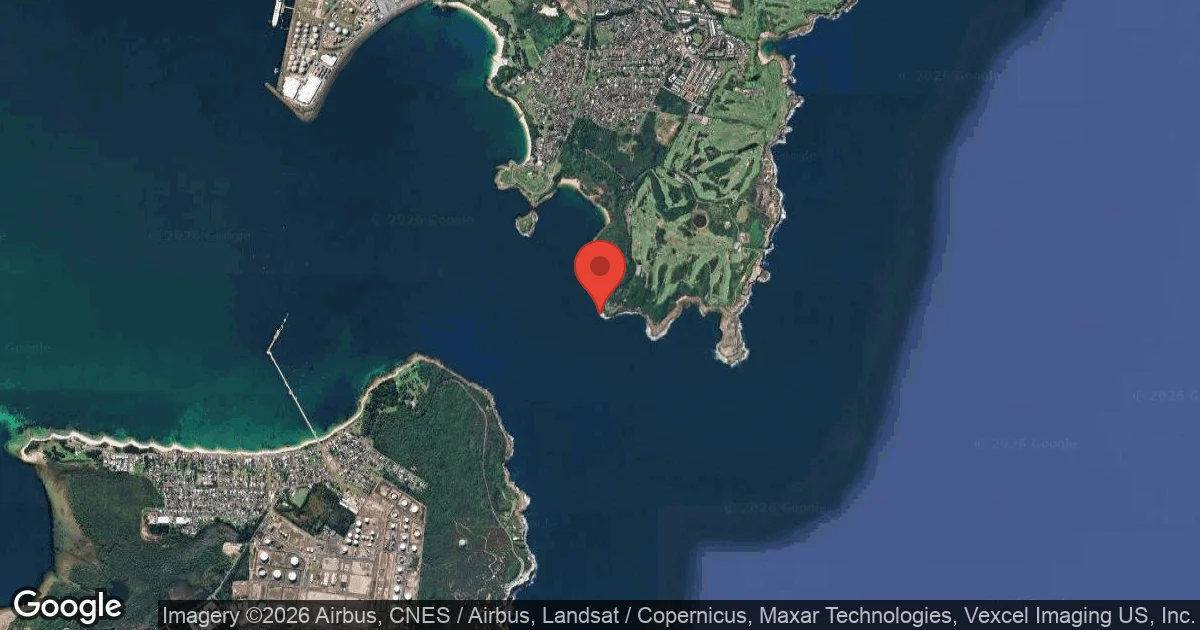
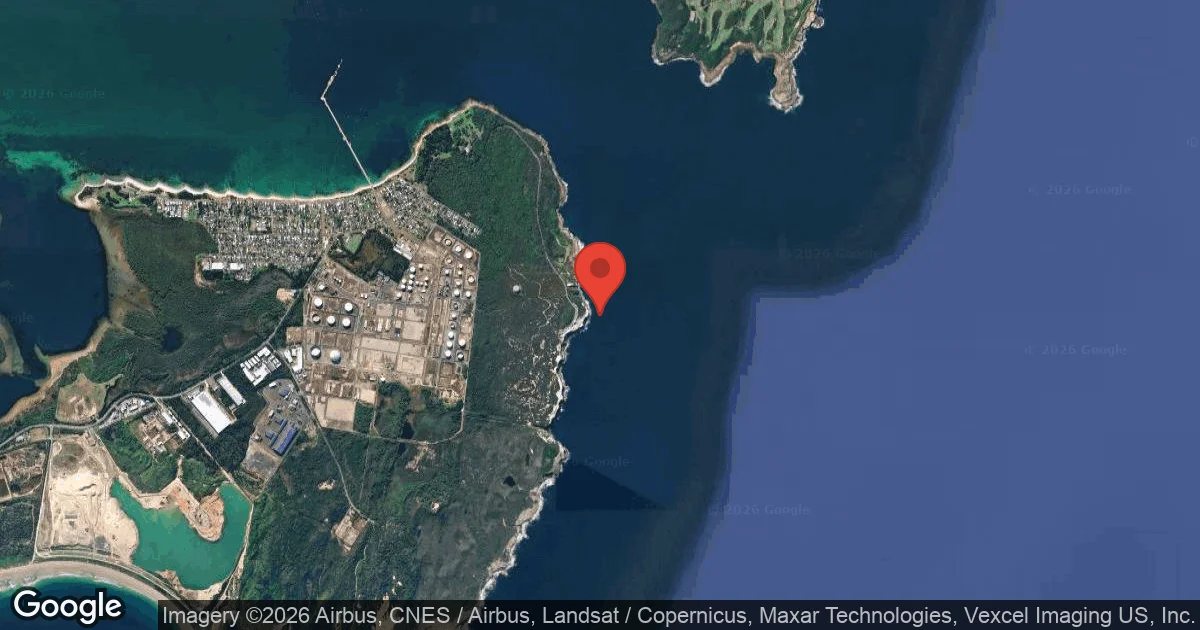
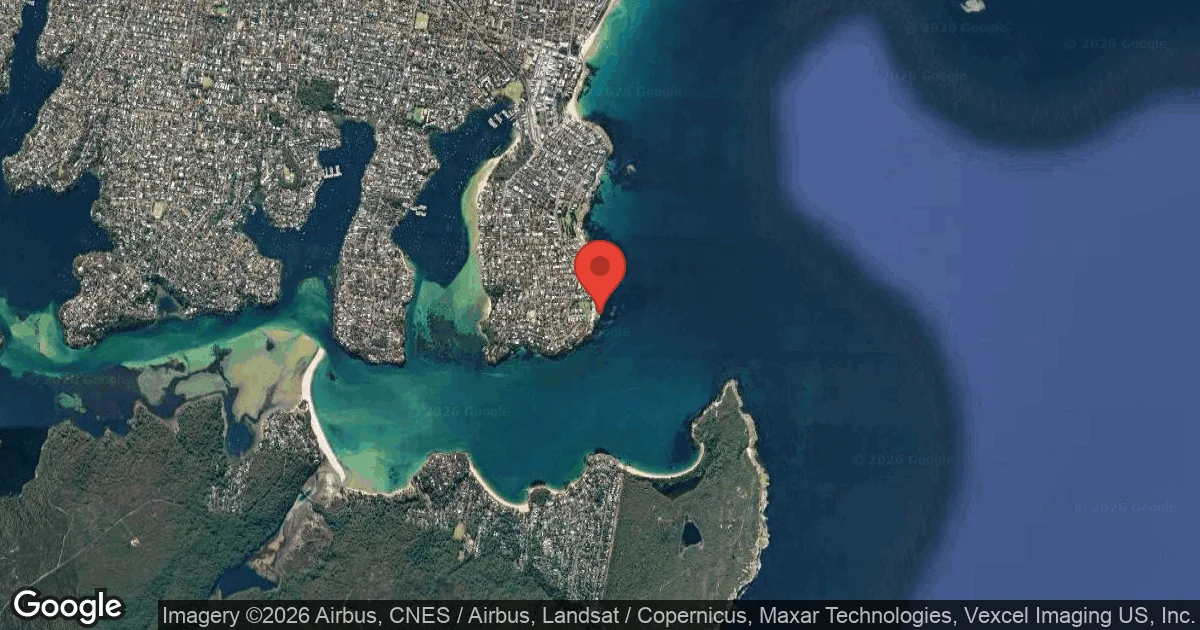
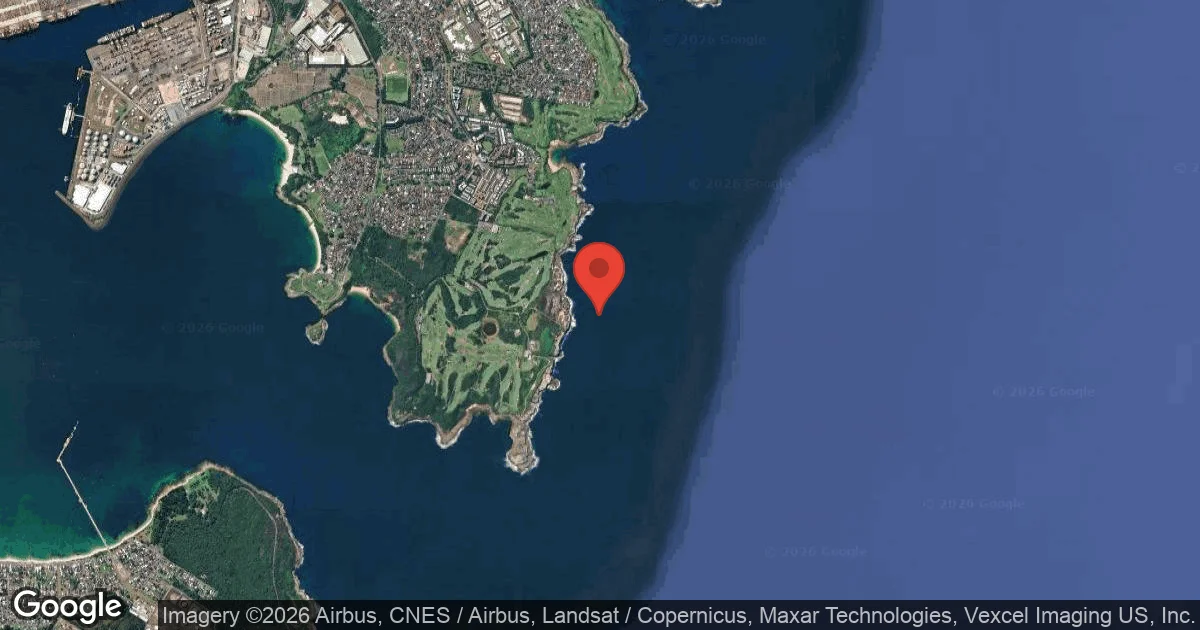
Nestled within Kamay Botany Bay National Park near Kurnell in Sydney, a popular shore dive site is especially noted for sightings of weedy seadragons. Local divers have historically recognized the location as a reliable spot for encountering these camouflaged creatures.
While shore-accessible sections are typically explored to a maximum depth of around 18 m (60 ft), another interpretation or part of 'The Steps Reef' is described as boat-accessible, stepping down from 17 m to 40 m (55 ft to 130 ft). Deeper sections feature significant overhangs and gullies. Optimal exploration often occurs between 20 and 30 m (65 and 100 ft).
A complex reef system accommodates varied dive plans and experience levels. Swirling currents in Kurnell provide dynamic conditions influencing the local marine environment and diver experience.
Conditions are Good
Optimal conditions expected
Current conditions near The Steps show 28° air, 18° sea temperature, 1.5 m waves, and 30 km/h wind. Forecast data is refreshed regularly to ensure accuracy.
Best Time to Dive
Optimal diving conditions at The Steps are primarily influenced by tidal movements and swell direction. Diving at slack tide, approximately 30 minutes before high tide, is recommended for the most comfortable experience. The site is generally protected from southerly winds, making these days preferable. However, a north wind or waves exceeding 1 meter (3 ft) can make the dive challenging due to crashing waves on rocks. Average air temperatures during peak summer months, like January and February, range from 22.5°C to 23°C (72.9°F to 73.6°F), while winter months see temperatures drop to around 12°C to 14°C (53.6°F to 56.8°F). Rainfall is generally low throughout the year, with averages typically between 1.2 mm and 3.9 mm.
PEAK SEASON SCORE
Scores combine air & water temps, waves, wind & rainfall for overall conditions.
BEST MONTHS TO DIVE
Monthly records compiled from satellite and marine observation nodes over the last 3 years. Data provided by Open-Meteo and MET Norway.
Dive Experience & Conditions
The typical depth profile for the shore dive at The Steps reaches a maximum of 18 m (60 ft), making it accessible for Open Water certified divers. Once underwater, heading north towards a sand line and then east leads to extensive sponge gardens and fish-rich rocky areas. Alternatively, exploring west of the entry point reveals large boulders and interesting swim-throughs. Conditions are generally protected, but exposure to east to east-southeast swell greater than 1 meter can impact the dive. Currents can be strong, especially outside of slack tide periods, so starting the dive by swimming into the tide is a common strategy. Water temperatures are not consistently reported, but seasonal variations affect comfort, with colder conditions observed in winter.
Dive Difficulty & Safety Guidelines
Planning a dive at The Steps requires careful attention to tidal charts and weather forecasts. It's advisable to check wind and wave conditions using local resources like Willy Weather or community visibility groups. Entry and exit are facilitated by well-maintained stairs, though carrying equipment down and back up can be physically demanding.
Some divers choose to drift dive to The Monument for an easier exit with access to showers and toilets, requiring a car shuttle. Always dive with a buddy, especially when navigating currents or exploring deeper sections which range between 20 and 30 m (65 and 100 ft). The site's diverse terrain, including caves and overhangs, calls for cautious exploration.
Recommended Equipment
- Dive Computer
- Hard-soled Dive Boots
This gear list is based on verified equipment signals for The Steps, Australia. Always confirm final gear choices with your dive operator, guide, or liveaboard.
Recommended Dive Suit
Thermal protection such as 5mm wetsuit is commonly used for water temperatures in this range.
Divers planning a dive at The Steps today will likely encounter water temperatures close to 18°C (65°F). Surface air temperatures are resting at 28°C (83°F).
Weather models indicate a small drop in surface temperatures later this week. A significant temperature drop is forecast; strongly suggest bringing a backup warmer suit option. Having a second exposure option available is often a good precaution.
Emergency & Medical Support
Essential information to help you plan your dive trip to The Steps.

Hyperbaric chambers are a critical part of dive safety infrastructure. Availability varies significantly by region, and not all dive areas have immediate access.
Before diving, it's recommended to:
- confirm nearest medical facilities
- check emergency procedures with local dive operators
- ensure dive insurance covers evacuation if required
Divers Alert Network
Diving emergency assistance available through DAN World.
+1-919-684-9111- 24/7 emergency hotline
- Diving medical assistance
- Evacuation coordination
Emergency contacts are provided for reference. Always verify local emergency services before diving.
Marine Life at The Steps
The underwater landscape at The Steps is characterized by diverse habitats, including kelp forests, expansive sponge gardens, and rocky formations with numerous nooks and overhangs. These environments provide excellent camouflage and shelter for a variety of marine species.
Weedy seadragons are a significant draw, often found along the edges of kelp and patchy sand areas. Divers may also encounter various fish species such as bream, old wives, luderick, and blue gropers.
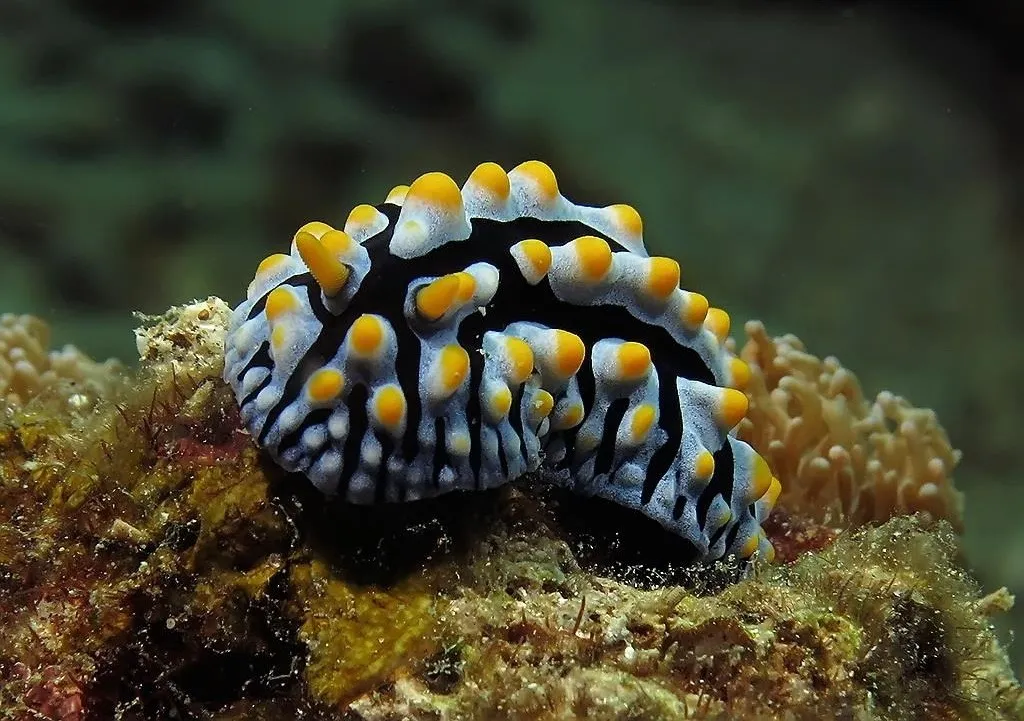
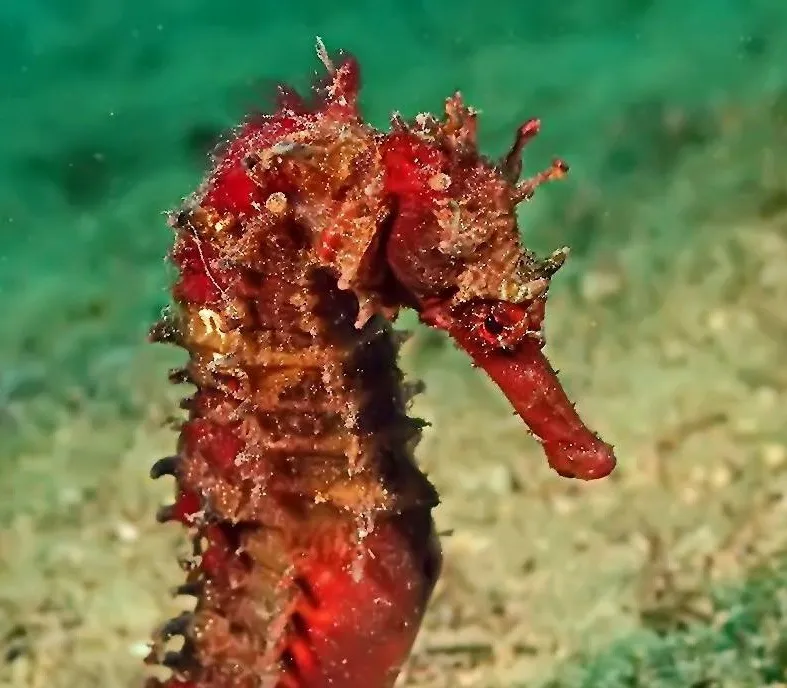
Giant cuttlefish are known to hide among the large boulders closer to shore, while seahorses and various nudibranchs also inhabit the site's rich ecosystem.

Dive Sites Near The Steps
View all dive sites in AustraliaDiscover more underwater gems in this area.
Dive Centers Near The Steps
Today: 07:00 - 17:00
Nearest Airports
Nearest airports to help plan travel to this dive area.
Search Flights
Check available flights and routes on Expedia, using the nearby airports listed in this section.
Search Flights on ExpediaFrequently Asked Questions
What is the recommended experience level for diving The Steps?
The Steps is generally suitable for Open Water certified divers. While the typical shore dive has a max depth of 18 m (60 ft), being comfortable with currents and navigating varied terrain is beneficial for an enjoyable experience.
When is the best time of day to dive The Steps?
Diving at slack tide, approximately 30 minutes before high tide, is highly recommended. This timing helps manage potentially strong currents and improves overall dive comfort.
What kind of marine life can I expect to see at The Steps?
The site is well-known for weedy seadragons, often found camouflaged in kelp and sandy areas. Divers frequently spot blue gropers, giant cuttlefish, seahorses, nudibranchs, and various reef fish sheltering among the sponges and rocks.
Are there any specific entry or exit considerations for this dive site?
Access involves well-maintained stairs, but carrying heavy dive gear can be strenuous. Some divers opt for a drift dive to The Monument for an easier beach exit, which also provides access to showers and toilets, requiring a car pickup.
What are the common depth ranges at The Steps?
The primary shore dive typically reaches a maximum depth of 18 m (60 ft). However, some sections, particularly those accessible by boat, can step down to 40 m (130 ft) with optimal diving often occurring between 20 and 30 m (65 and 100 ft).
How are the currents at The Steps?
Currents can be strong, especially outside of slack tide. It's a common practice to begin the dive swimming into the prevailing current, allowing for a more relaxed return swim. Checking tidal conditions is crucial for planning.
Planning to dive The Steps?
Send one inquiry and receive offers directly from the best verified local dive operators.
Conditions are Good
Optimal conditions expected
Current conditions near The Steps show 28° air, 18° sea temperature, 1.5 m waves, and 30 km/h wind. Forecast data is refreshed regularly to ensure accuracy.