
Diving at Northern Gutters South West Solitary Island (Australia)
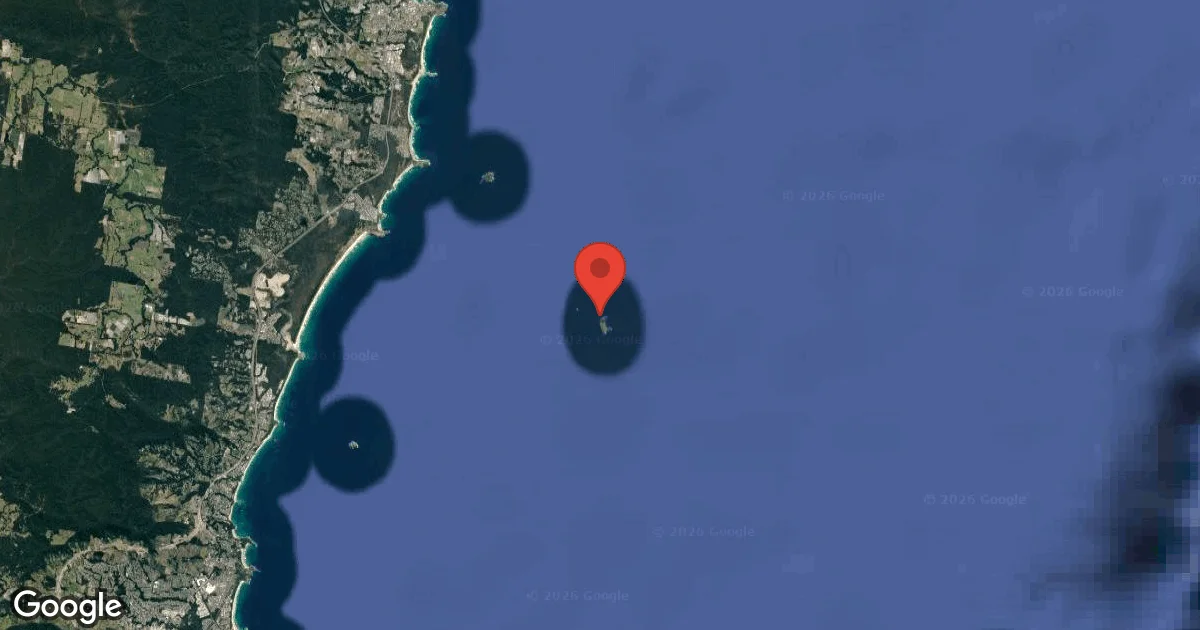
Northern Gutters on South West Solitary Island experiences dynamic oceanic influences, sitting where warmer northern currents meet cooler southern waters. This convergence contributes to a rich biodiversity within the Solitary Islands Marine Park. Located off the coast near Coffs Harbour, this site's position within the park shapes its unique conditions and marine inhabitants.
Tonight's objective overview for Northern Gutters South West Solitary Island shows an air temperature of 16.5°C. The measured surface conditions include wave heights around 2.3 m. This environmental data is logged for the close of the day.
Dive Site Location & Key Facts
Dive Site Overview
The dive at Northern Gutters unfolds amidst a series of prominent underwater channels that carve through the seafloor. These distinctive geological formations, often leading divers along their natural contours, create an engaging environment for exploration.
Running between depths of 12 and 16 m (39-52 ft), these gutters offer consistent shelter and act as natural congregation points for a variety of marine species. Schooling bullseyes frequently occupy these sheltered areas, presenting dynamic displays as divers navigate through the site. This location holds significant ecological importance as a Grey Nurse Shark Nursery.
Divers visiting during specific times of the year may have the opportunity to observe juvenile Grey Nurse Shark pups, a specific highlight that adds a seasonal dimension to the dive plan. The broader Solitary Islands Marine Park context means Northern Gutters also serves as a crucial area where tropical and sub-tropical marine life converge.
This confluence results in a diverse and often unpredictable array of encounters, with each dive offering potential sightings influenced by the prevailing currents and seasonal migrations. The dynamic interplay of these elements ensures a varied and active underwater experience.
Conditions are Good
07:00 - 14:00
Optimal conditions expected
Current conditions near Northern Gutters South West Solitary Island show 17° air, 21° sea temperature, 1.4 m waves, and 16 km/h wind. Forecast data is refreshed regularly to ensure accuracy.
Best Time to Dive
Considering average conditions, the months of February, June, September, and December generally offer good dive scores, often indicating more favorable weather. During these periods, average air temperatures range from 14°C (57°F) in June to 23.5°C (74°F) in February. Rainfall is typically low across these months, averaging between 1.5 mm (0.06 in) and 2.4 mm (0.09 in). While specific water temperatures are not consistently reported for this exact site, the broader Solitary Islands often experience variable temperatures due to converging currents. Divers should prepare for potential cooler water, particularly when approaching from southern currents. Wave heights tend to be moderate, usually below 1.5 m (5 ft) during these 'Good' rated months.
PEAK SEASON SCORE
Scores combine air & water temps, waves, wind & rainfall for overall conditions.
BEST MONTHS TO DIVE
Monthly records compiled from satellite and marine observation nodes over the last 3 years. Data provided by Open-Meteo and MET Norway.
Dive Experience & Conditions
Approaching Northern Gutters by boat, divers typically prepare for a maximum depth of 18 m (59 ft), though the site usually ranges between 12 and 16 m (39-52 ft). Upon descent, you'll find the namesake gutters running along the bottom, providing natural navigation points and hiding spots for marine life. Visibility at South West Solitary Island is not always as clear as at other Solitary Island sites and can vary, sometimes presenting challenges. While currents are usually minimal, making this an accessible dive, paying close attention to your depth and surroundings is crucial, as getting deeper might indicate moving away from the island.
Dive Difficulty & Safety Guidelines
For those exploring Northern Gutters, strong currents are typically not a primary concern, making it a relatively easy dive regarding water movement.
However, maintaining careful navigation is essential due to variable visibility, which has been known to disorient divers in this area. Keep an eye on your depth; a gradual increase in depth often signals a drift away from the island.
Divers should ensure they are appropriately certified, such as PADI Open Water Diver, and consider advanced training like PADI Enriched Air Diver for extended bottom times within the typical depths encountered here.
Recommended Equipment
- Dive Computer
- DSMB
This gear list is based on verified equipment signals for Northern Gutters South West Solitary Island, Australia. Always confirm final gear choices with your dive operator, guide, or liveaboard.
Recommended Dive Suit
Conditions in the coming days are expected to stay within a similar temperature range.
Factors such as dive duration, depth, and activity level can influence how warm a diver feels underwater. Stronger winds may also make surface intervals feel cooler than usual. Surface intervals may feel noticeably cooler once you exit the water.
5mm wetsuit typically balances flexibility and thermal protection in these temperatures. Strong winds are present; please take strong precautions against rapid cooling during surface intervals. A thermal robe or jacket is recommended between dives. Divers preparing to enter the water at Northern Gutters South West Solitary Island will likely find temperatures around 21°C (69°F) today. Surface air temperatures are resting at 17°C (62°F).
Due to technical issues with our weather providers, live updates are temporarily delayed. The data above reflects the conditions at the time of the last successful fetch.
Emergency & Medical Support
Essential information to help you plan your dive trip to Northern Gutters South West Solitary Island.

Hyperbaric chambers are a critical part of dive safety infrastructure. Availability varies significantly by region, and not all dive areas have immediate access.
Before diving, it's recommended to:
- confirm nearest medical facilities
- check emergency procedures with local dive operators
- ensure dive insurance covers evacuation if required
Divers Alert Network
Diving emergency assistance available through DAN World.
+1-919-684-9111- 24/7 emergency hotline
- Diving medical assistance
- Evacuation coordination
Emergency contacts are provided for reference. Always verify local emergency services before diving.
Marine Life at Northern Gutters South West Solitary Island
The underwater landscape of Northern Gutters features extensive rocky gutters and sandy patches, providing shelter and feeding grounds. Blue Groupers are commonly observed year-round within these structures, often accompanied by schools of bullseyes.
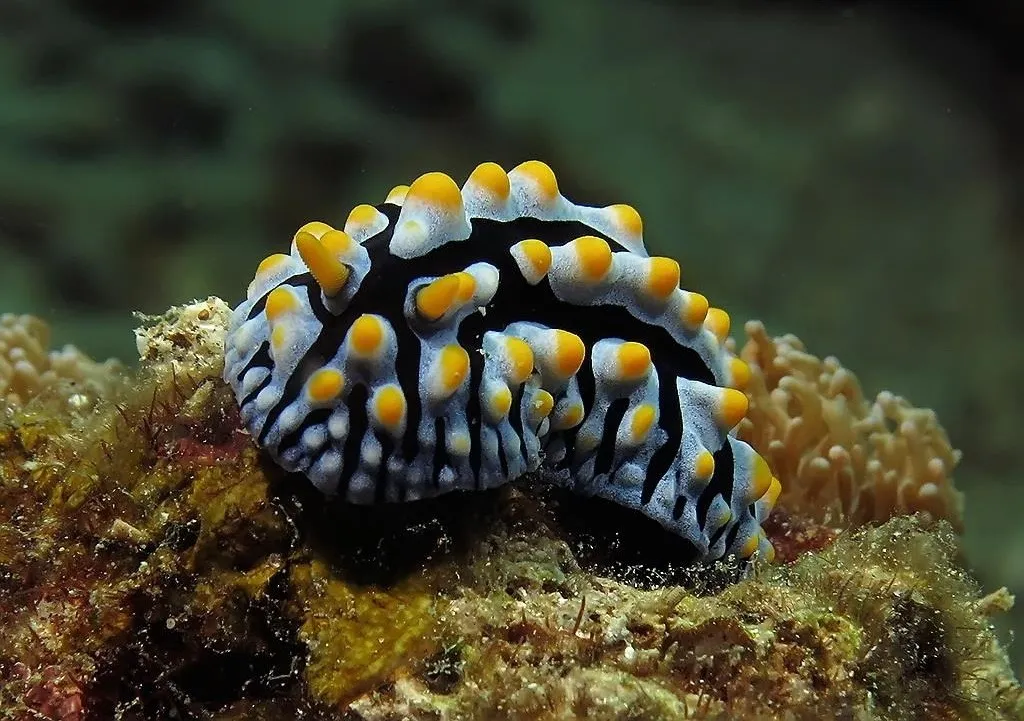
As a designated Grey Nurse Shark Nursery, juvenile pups are a highlight during certain seasons. Beyond these, the broader South West Solitary Island ecosystem suggests encounters with egg cowry shells, various nudibranchs, and other unusual fish species that inhabit the shallower, coral-rich sections.

Dive Sites Near Northern Gutters South West Solitary Island
View all dive sites in AustraliaDiscover more underwater gems in this area.
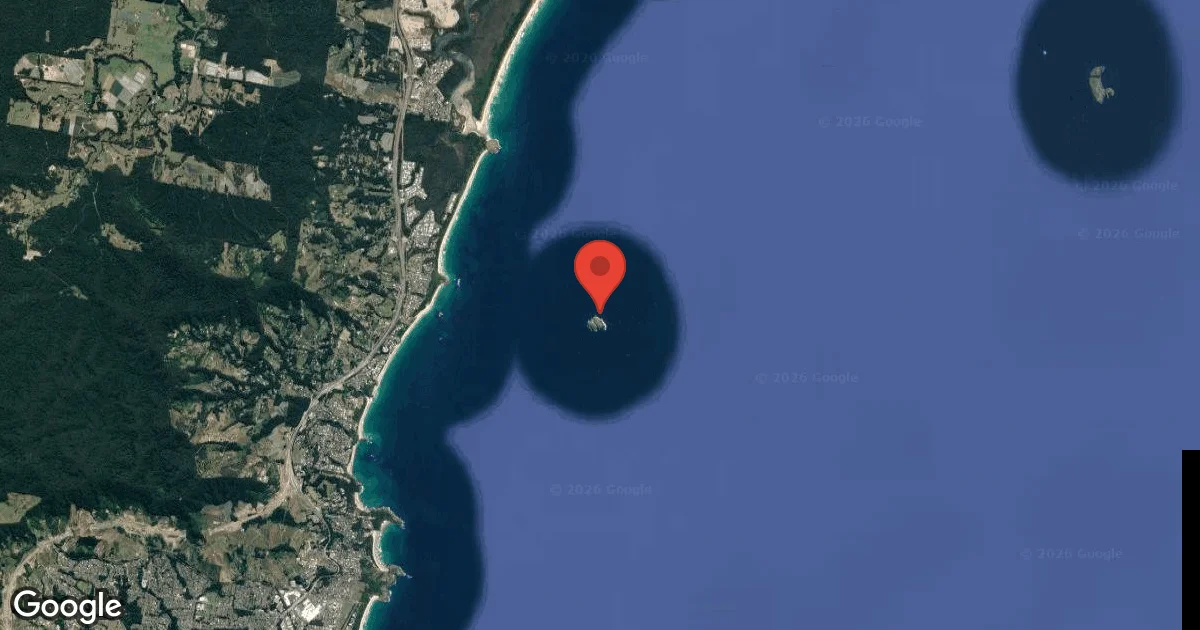
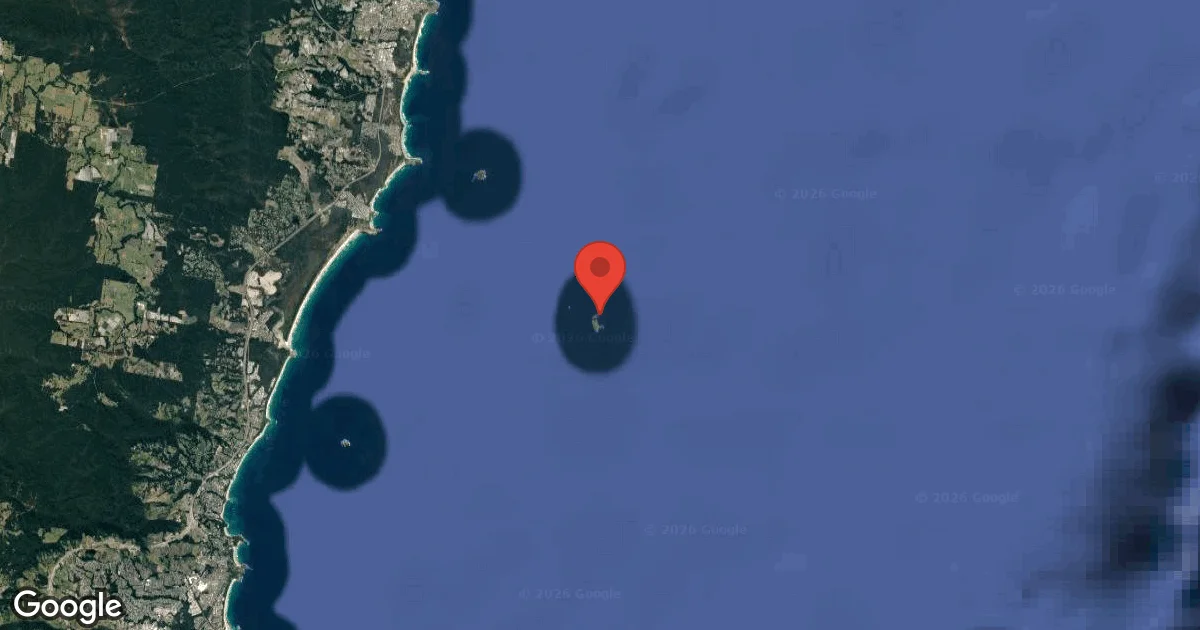
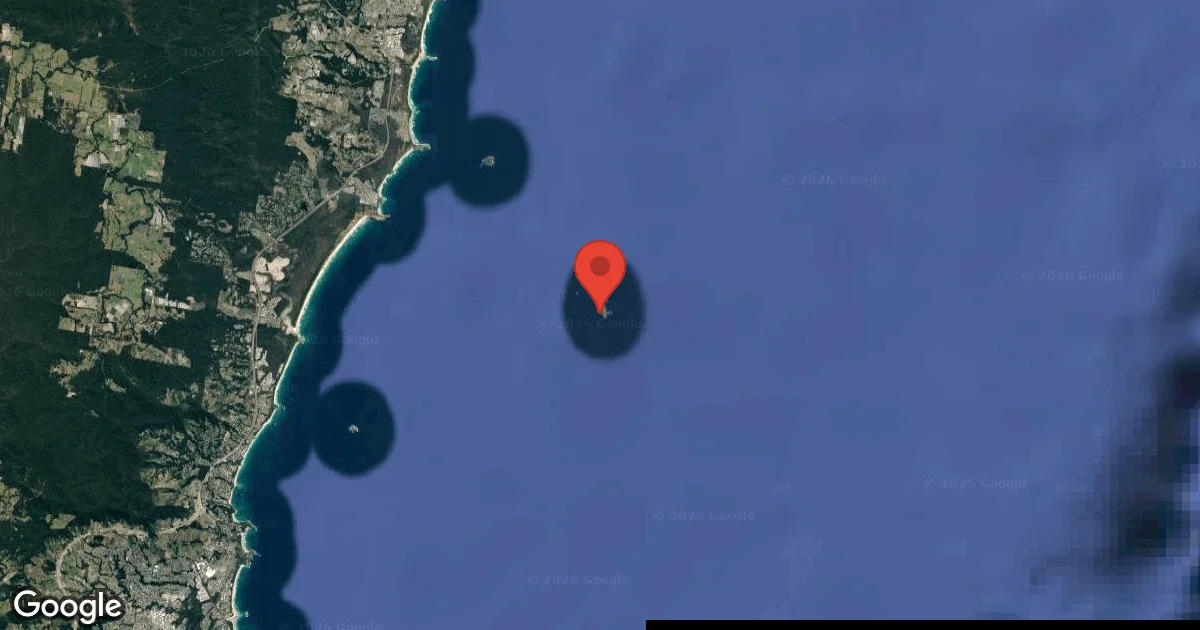
Dive Centers Near Northern Gutters South West Solitary Island
No Dive Centers Local To Northern Gutters South West Solitary Island
Are you a dive center visiting this location? Get listed to reach divers.
Nearest Airports
Nearest airports to help plan travel to this dive area.
Search Flights
Check available flights and routes on Expedia, using the nearby airports listed in this section.
Search Flights on ExpediaFrequently Asked Questions
What is the typical maximum depth at Northern Gutters?
The maximum depth recorded for Northern Gutters is 18 m (59 ft). However, most diving activities and points of interest usually occur in the shallower range of 12 to 16 m (39-52 ft).
Is Northern Gutters suitable for beginner divers?
Yes, it is generally considered an ideal site for less experienced divers due to usually minimal currents. PADI Open Water Diver certification is a useful training level for this site.
What marine life can I expect to see?
Expect to see Blue Groupers and schooling bullseyes frequently. The site is also a Grey Nurse Shark Nursery, offering opportunities to spot juvenile pups seasonally. Other sightings include a variety of sharks, turtles, and diverse fish species.
How are the currents at this dive site?
Northern Gutters is generally known for having no strong currents, making it an easy and calm dive. However, divers should always remain aware of their surroundings and any minor drifts.
What is the visibility like at Northern Gutters?
Visibility at South West Solitary Island, including Northern Gutters, is not consistently good and can be poorer compared to other Solitary Island sites. This variability requires good navigation skills from divers.
When is the best time of year to dive here?
February, June, September, and December are often rated with 'Good' dive scores, suggesting favorable conditions for diving. Air temperatures are pleasant, and rainfall is typically low during these months.
Is this a good site for marine photography?
With the presence of Grey Nurse Shark pups and diverse smaller marine life like nudibranchs, the gutters offer interesting subjects. However, variable visibility might pose a challenge for certain photographic styles.
Planning to dive Northern Gutters South West Solitary Island?
Send one inquiry and receive offers directly from the best verified local dive operators.
Conditions are Good
07:00 - 14:00
Optimal conditions expected
Current conditions near Northern Gutters South West Solitary Island show 17° air, 21° sea temperature, 1.4 m waves, and 16 km/h wind. Forecast data is refreshed regularly to ensure accuracy.