
Diving at South Boulder South Solitary Island (Australia)
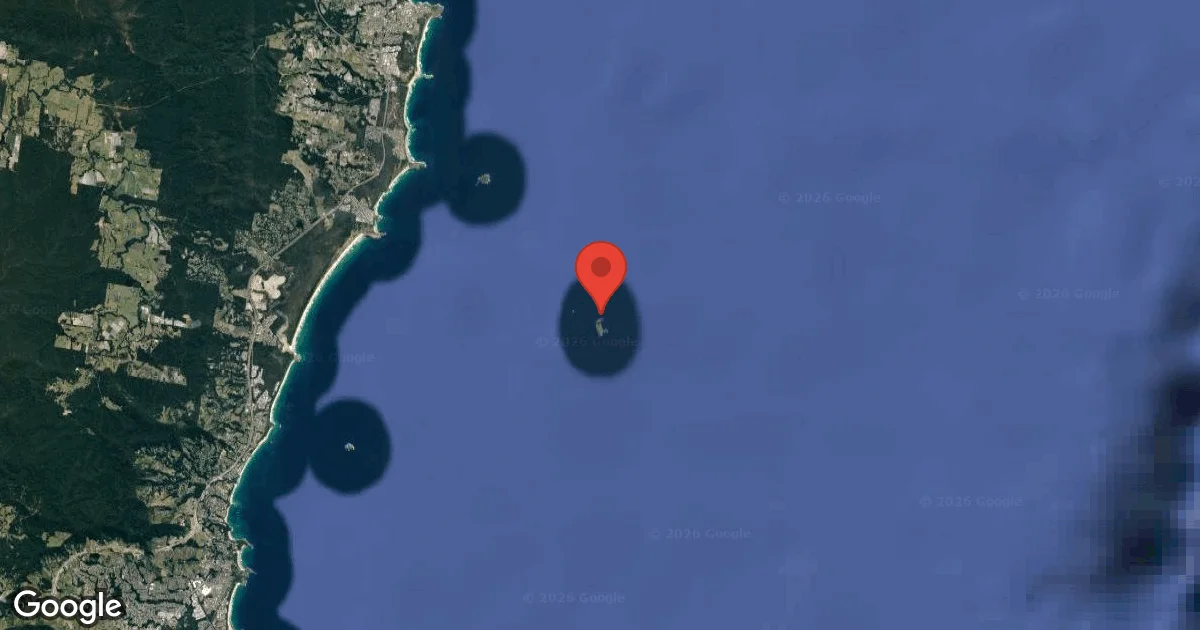
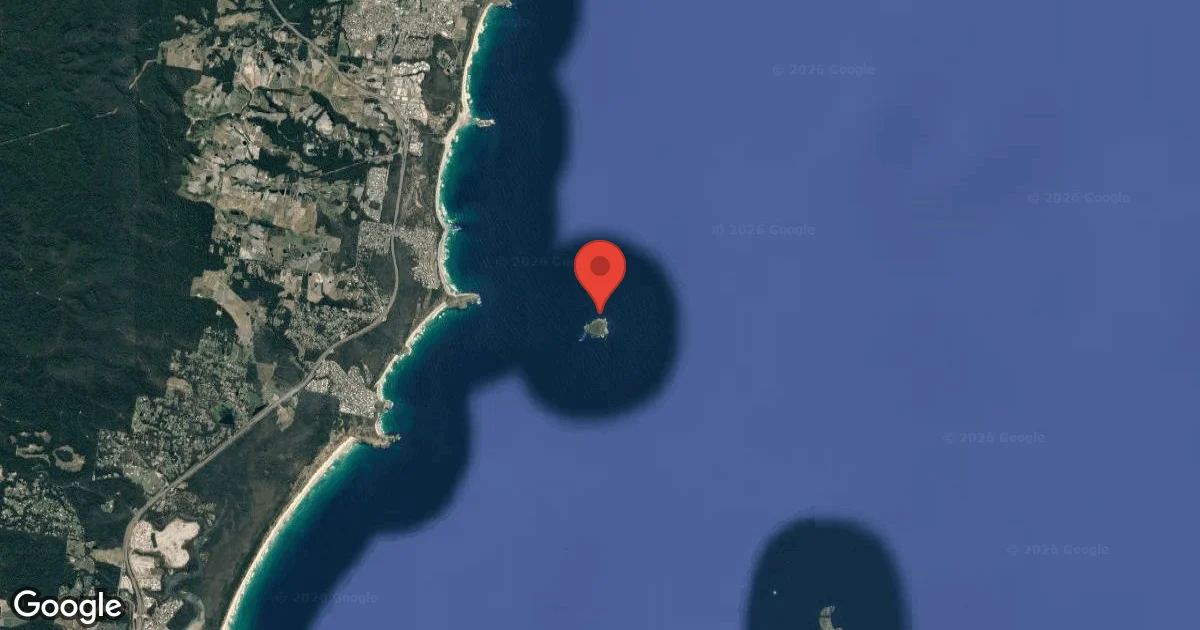
South Boulder on South Solitary Island is often characterized by its clean water conditions, making it a compelling dive destination off the coast of Coffs Harbour. Approximately 8km (5 miles) from the mainland, this site generally offers consistent visibility, allowing divers to clearly observe the abundant marine activity. It's a focal point for divers seeking clear perspectives on a diverse underwater landscape.
Evening condition tracking at South Boulder South Solitary Island features an air temperature of 17°C. We have recorded wave heights measuring 2 m during this period. These figures outline the environmental parameters currently present.
Dive Site Location & Key Facts
Dive Site Overview
South Boulder presents divers with a landscape defined by prolific fish life and distinct geological formations. The site is located on the southern end of a larger boulder wall system, with moorings marking its edge.
Divers will find large boulders scattered across a platform top, typically between 8 and 12 meters (26 and 39 ft) deep. From this platform, individual boulders cascade over a wall, gradually leveling out at a comfortable 18 meters (60 ft). This intricate underwater topography creates numerous nooks and crannies, providing essential shelter for diverse marine species and acting as a foundational base for corals and various tropical fish.
Schools of Silver Trevally, Goatfish, and Snapper are frequently observed. Part of the Solitary Islands Marine Park, this area sees warmer Great Barrier Reef waters mixing with cooler southern currents, fostering a unique blend of tropical and sub-tropical ecosystems.
Conditions are Good
Optimal conditions expected
Current conditions near South Boulder South Solitary Island show 17° air, 20° sea temperature, 1.5 m waves, and 20 km/h wind. Forecast data is refreshed regularly to ensure accuracy.
Best Time to Dive
Planning a dive at South Boulder aligns well with spring and early summer, particularly November and December, when dive scores rate 'Good'. During these months, average air temperatures are comfortable, ranging from 21.5°C (71°F) in November to 23°C (73°F) in December. Rainfall tends to be lower then, with monthly averages around 4.1 mm (0.16 inches) in November and 2.7 mm (0.11 inches) in December, which can contribute to better conditions compared to other periods. While conditions are generally 'Moderate' year-round with air temperatures lowest in winter (July average 13.5°C / 56°F) and rain varying, the November-December window often provides a more favorable combination of warm weather and reduced precipitation for diving.
PEAK SEASON SCORE
Scores combine air & water temps, waves, wind & rainfall for overall conditions.
BEST MONTHS TO DIVE
Monthly records compiled from satellite and marine observation nodes over the last 3 years. Data provided by Open-Meteo and MET Norway.
Dive Experience & Conditions
Descending into South Boulder, divers immediately notice the prominent wall feature. The dive typically begins on a platform between 8 and 12 meters (26 and 39 ft), an area densely populated with larger rocks and vibrant reef life. From here, the terrain transitions into a dramatic boulder cascade, extending to the maximum depth of 18 meters (60 ft). Currents at this site can vary significantly, often running from north to south around the island. Depending on the season and specific conditions, these currents can be quite strong, potentially making it challenging to maintain a fixed position or to return to the starting point without careful planning. On milder current days, it's a manageable drift, but divers should always be prepared for dynamic water movement. The interplay of boulders and the wall provides a rich environment for exploration.
Dive Difficulty & Safety Guidelines
Navigating South Boulder requires awareness of variable currents, which are a primary consideration at this site. Strong currents, particularly those heading from north to south, can occur and may be too robust to swim against. It's advisable to assess current strength before and during the dive, potentially planning for a drift if conditions dictate.
Divers should ensure they have a surface watch if diving from a boat, especially when currents are active, as being swept around the island's eastern side is not recommended for drift diving. Maintain situational awareness and stay within recreational depth limits.
Always dive within your certification and experience levels, and consider the guidance of local dive operators regarding daily conditions.
Recommended Equipment
- Dive Computer
- DSMB
This gear list is based on verified equipment signals for South Boulder South Solitary Island, Australia. Always confirm final gear choices with your dive operator, guide, or liveaboard.
Recommended Dive Suit
A warming trend is expected over the next few days. A warming trend is expected over the next few days.
Factors such as dive duration, depth, and activity level can influence how warm a diver feels underwater. Surface intervals may feel noticeably cooler once you exit the water.
5mm wetsuit typically balances flexibility and thermal protection in these temperatures. A hood or vest is suggested for sensitive divers due to surface winds. A thermal robe or jacket is recommended between dives. The latest environmental readings for South Boulder South Solitary Island suggest water temperatures around 20°C (69°F). Surface air temperatures are resting at 17°C (63°F).
Due to technical issues with our weather providers, live updates are temporarily delayed. The data above reflects the conditions at the time of the last successful fetch.
Emergency & Medical Support
Essential information to help you plan your dive trip to South Boulder South Solitary Island.

Hyperbaric chambers are a critical part of dive safety infrastructure. Availability varies significantly by region, and not all dive areas have immediate access.
Before diving, it's recommended to:
- confirm nearest medical facilities
- check emergency procedures with local dive operators
- ensure dive insurance covers evacuation if required
Divers Alert Network
Diving emergency assistance available through DAN World.
+1-919-684-9111- 24/7 emergency hotline
- Diving medical assistance
- Evacuation coordination
Emergency contacts are provided for reference. Always verify local emergency services before diving.
Marine Life at South Boulder South Solitary Island
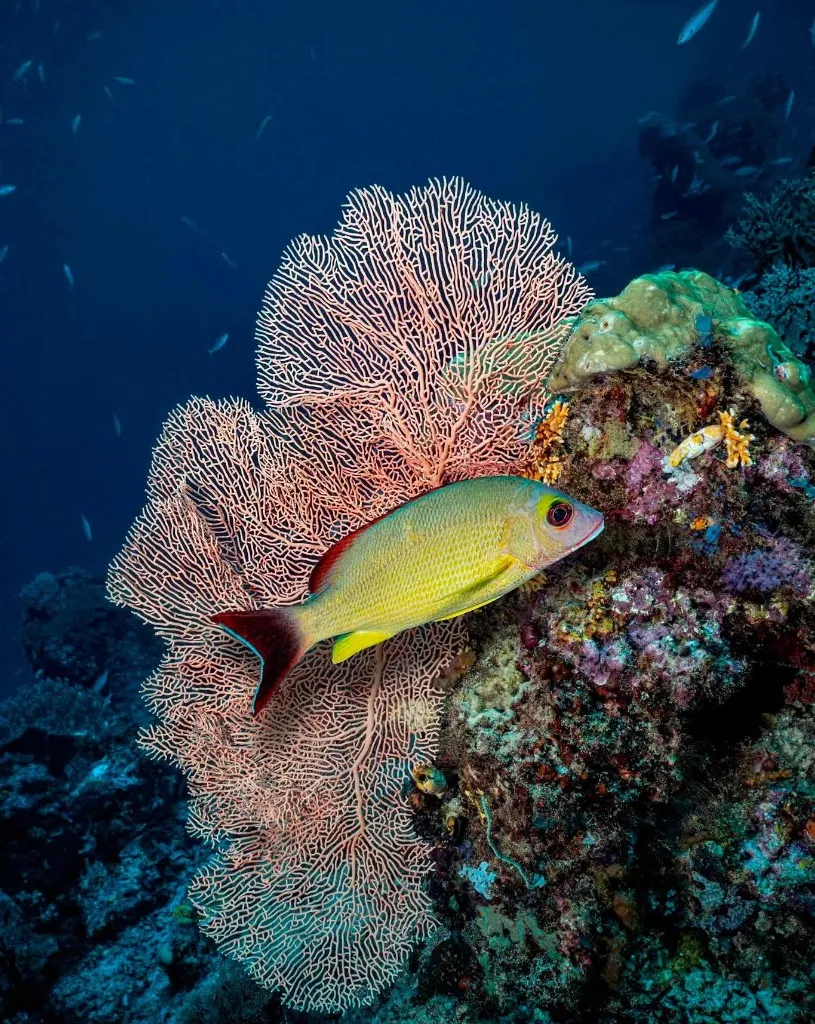
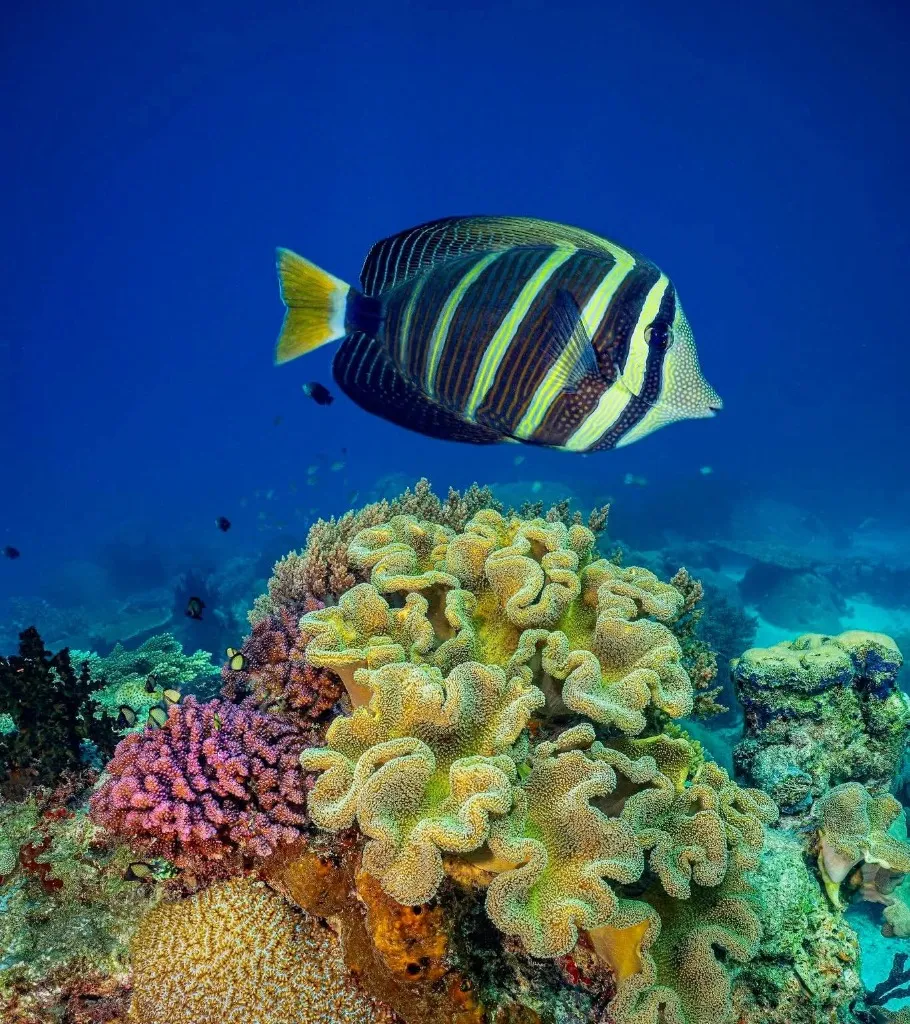
The vibrant array of schooling fish is often the first thing divers notice at South Boulder. Schools of Silver Trevally, Goatfish, Red Morwong, and Snapper are abundant, creating dynamic underwater scenes.
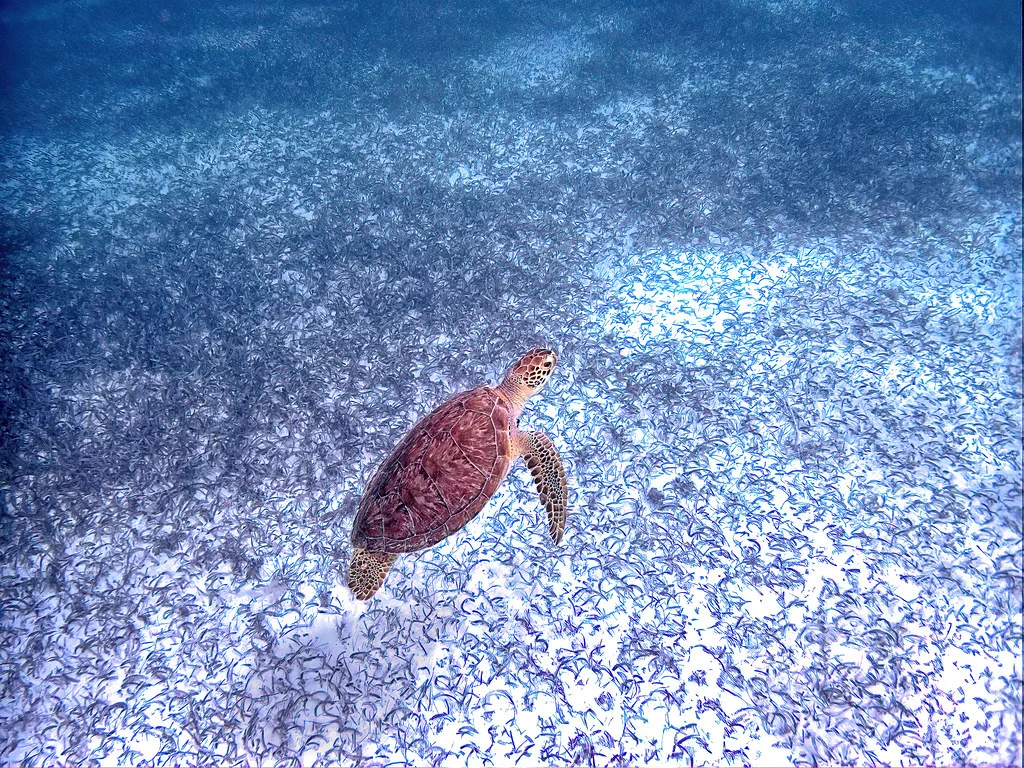
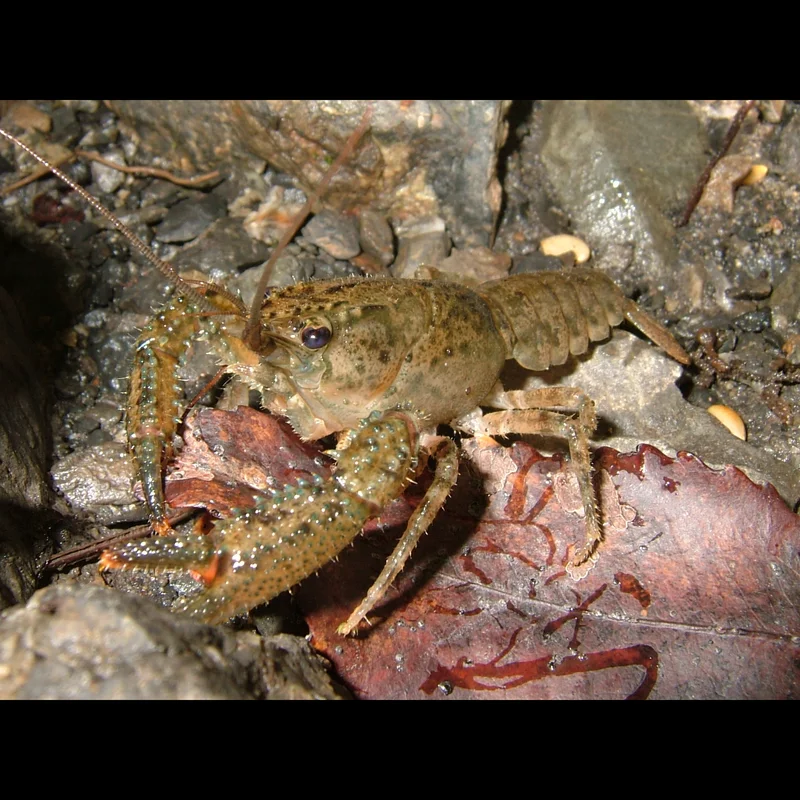
Closer inspection of the boulder-strewn wall reveals a variety of resident species, including Crayfish tucked into crevices and colorful Blue Tangs feeding among the corals. During the cooler winter months, the presence of Giant Cuttlefish becomes more frequent along the wall, which often attracts Loggerhead Turtles to the island.
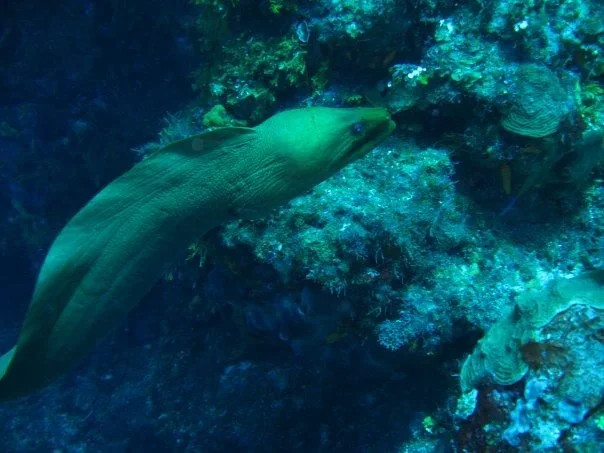
Other creatures like Blue Groper, Wobbegongs, Bull Rays, Eagle Rays, Moray Eels, and various nudibranchs can also be spotted, showcasing the rich biodiversity of this reef environment.
Dive Sites Near South Boulder South Solitary Island
View all dive sites in AustraliaDiscover more underwater gems in this area.
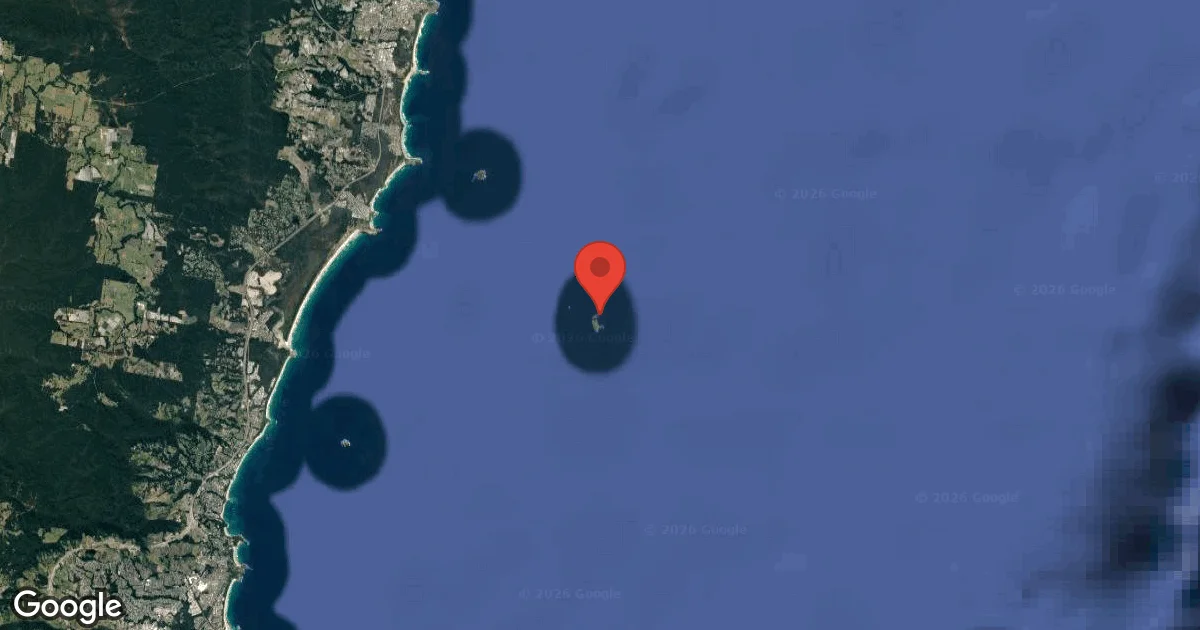
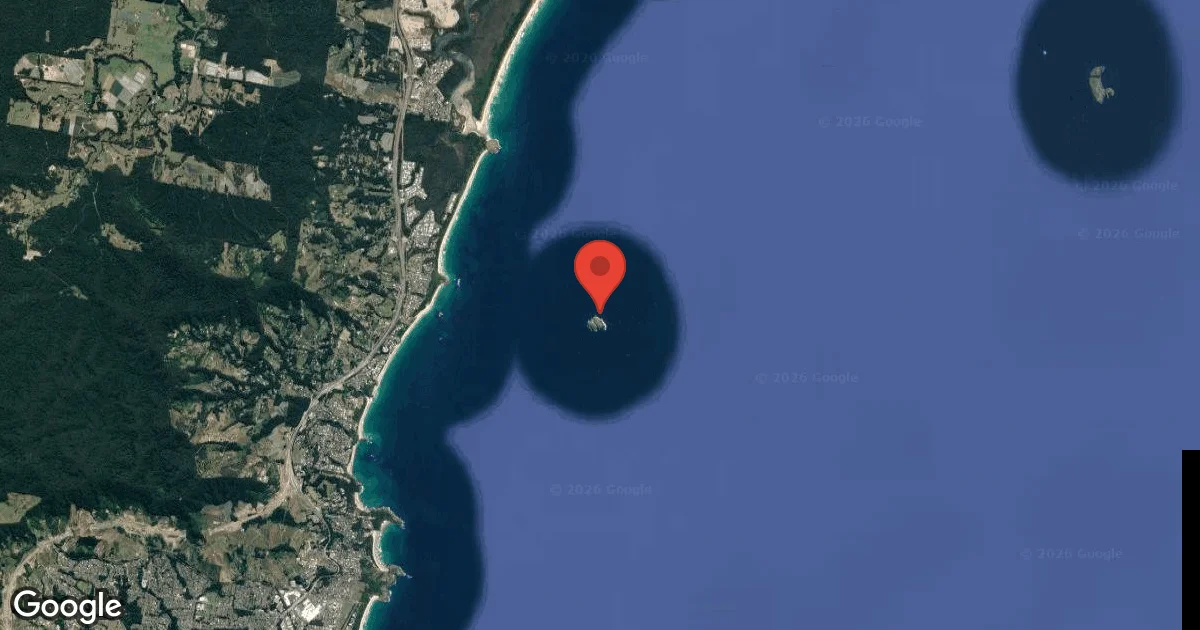
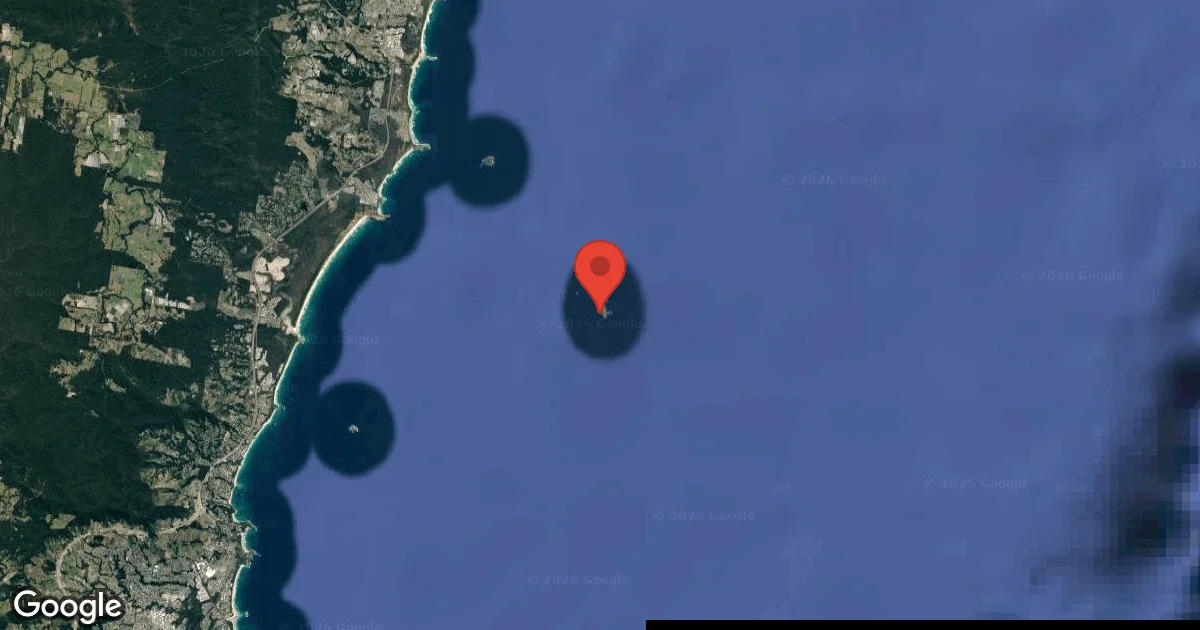
Dive Centers Near South Boulder South Solitary Island
No Dive Centers Local To South Boulder South Solitary Island
Are you a dive center visiting this location? Get listed to reach divers.
Nearest Airports
Nearest airports to help plan travel to this dive area.
Search Flights
Check available flights and routes on Expedia, using the nearby airports listed in this section.
Search Flights on ExpediaFrequently Asked Questions
What is the typical depth range at South Boulder?
The dive often starts on a platform at 8-12 meters (26-39 ft). It then extends down a boulder wall, bottoming out around 18 meters (60 ft). This site is well within recreational dive limits.
Are there strong currents at South Boulder?
Currents can vary significantly, often running north to south around the island. They can sometimes be strong, necessitating careful planning for potential drift dives. Always assess conditions before and during your dive.
What kind of marine life can I expect to see?
Divers frequently encounter schooling Silver Trevally, Goatfish, and Snapper. You might also spot Crayfish, Blue Tangs, and during cooler months, Giant Cuttlefish and Loggerhead Turtles. Blue Groper and Wobbegongs are also present.
What time of year is best for diving here?
Spring and early summer, particularly November and December, often provide the most favorable conditions. During these months, air temperatures are comfortable and rainfall is typically lower, contributing to better visibility.
Is South Boulder suitable for beginner divers?
While the maximum depth is recreational, variable and potentially strong currents can make it more challenging. Divers should be comfortable with current management and always dive within their certification and experience level. Consulting local operators for daily conditions is recommended.
What special equipment is recommended for this dive?
An SMB (Surface Marker Buoy) is crucial for signaling your position to the boat, especially if a drift dive is planned due to currents. Sturdy fins are also recommended for better propulsion and maneuvering.
How does the Solitary Islands Marine Park influence this site?
South Boulder is part of the Solitary Islands Marine Park, where warm Great Barrier Reef waters meet cooler southern currents. This unique confluence supports a diverse blend of tropical and sub-tropical marine ecosystems, enhancing biodiversity.
Planning to dive South Boulder South Solitary Island?
Send one inquiry and receive offers directly from the best verified local dive operators.
Conditions are Good
Optimal conditions expected
Current conditions near South Boulder South Solitary Island show 17° air, 20° sea temperature, 1.5 m waves, and 20 km/h wind. Forecast data is refreshed regularly to ensure accuracy.