
Diving at Manta Arch South Solitary Island (Australia)
Manta Arch, within the Solitary Islands Marine Park, represents a captivating dive for those seeking dynamic encounters. Its unique position, where tropical and temperate currents converge, sets the stage for a rich blend of marine life. Navigating its distinctive underwater topography and varied conditions demands a confident approach, rewarding divers with significant underwater spectacles.
Evening condition tracking at Manta Arch South Solitary Island features an air temperature of 20°C. We have recorded wave heights measuring 1.5 m during this period. These figures outline the environmental parameters currently present.
Dive Site Location & Key Facts
Dive Site Overview
Manta Arch, a significant geological formation on South Solitary Island, presents a dramatic deep archway spanning a narrow gutter. Creating a complex dive environment, the archway consistently attracts marine life, notably Grey Nurse Sharks often observed congregating and sheltering.
Extensive overhead environments exist within the arch, complemented by surrounding gutters and rock formations offering numerous crevices for exploration. Its distinctive nature stems from the convergence of warm northern and cooler southern currents, fostering an unusual diversity of species. This oceanographic blend creates a dynamic ecosystem, supporting both tropical and temperate marine inhabitants.
Exploring the underwater landscape often involves navigating variable currents and appreciating its unique topography. Divers can explore depths from 6 to 28 m / 20 to 92 ft, accessing the main archway and deeper sections within the gutters.
As an advanced-rated location, it demands sound buoyancy control and careful planning, offering a substantial experience for those comfortable with deeper dives and potential current. Varied terrain and currents ensure each dive can present new observations, making for an immersive experience.
Conditions are Good
Optimal conditions expected
Current conditions near Manta Arch South Solitary Island show 20° air, 21° sea temperature, 1.5 m waves, and 19 km/h wind. Forecast data is refreshed regularly to ensure accuracy.
Best Time to Dive
Visibility at Manta Arch often depends on the prevailing East Australian Current, influencing water clarity and marine life encounters. While powerful, the current can bring nutrient-rich waters, occasionally reducing visibility, yet attracting a greater abundance of pelagic life. During summer months, from November to April, tropical species frequently migrate as water temperatures rise, typically peaking at 24-26°C / 75-79°F in March. Air temperatures during summer remain pleasantly warm, ranging from 21-23°C / 70-73°F, with average monthly rainfall low, between 2-4.7 mm, suggesting generally stable surface conditions. Conversely, winter brings cooler waters, dropping to approximately 18-19°C / 64-66°F. Cooler conditions are associated with increased sightings of Grey Nurse Sharks and Giant Cuttlefish, which congregate at the arch. Expect moderate dive conditions year-round, with average wave heights varying from 1.3 to 1.9 meters; stronger swells can affect entry and exit. Divers should be aware that local weather systems can introduce variability even in generally moderate conditions.
PEAK SEASON SCORE
Scores combine air & water temps, waves, wind & rainfall for overall conditions.
BEST MONTHS TO DIVE
Monthly records compiled from satellite and marine observation nodes over the last 3 years. Data provided by Open-Meteo and MET Norway.
Dive Experience & Conditions
Manta Arch is typically rated for advanced divers due to its complex underwater topography, encompassing a deep archway, surrounding gutters, and the consistent potential for variable current conditions. Navigating the archway itself demands refined buoyancy control to prevent contact with the sensitive marine growth and to move efficiently through the structure. Water temperatures fluctuate notably, generally ranging between 19-26°C / 66-79°F, influenced by the dynamic mixing of warm northern and cooler southern currents. Divers should prepare for these shifts, as thermoclines can be encountered. Distinctive underwater terrain, with its numerous overhangs, swim-throughs, and depressions, offers some sheltered areas where marine life congregates. However, there are also exposed sections where currents can be more pronounced, requiring divers to be proficient in drift diving techniques or to be prepared for vigorous finning. Understanding the daily conditions through a thorough dive briefing is paramount for a rewarding experience.
Dive Difficulty & Safety Guidelines
Approaching Manta Arch requires an advanced certification, given its maximum depths, the overhead environment of the archway, and the significant potential for strong, variable currents. Proper buoyancy control is essential, particularly when navigating the confines of the archway and within the narrow gutters, to protect the delicate marine environment and prevent accidental contact. Dive groups are typically formed with similar experience levels, ensuring a cohesive and safe unit, and strict adherence to buddy system protocols is standard practice.
Communication before and during the dive, especially concerning current assessment and dive plan adjustments, is critical. Always consult with local dive operators regarding daily conditions, current strength predictions, and any site-specific hazards, as these factors can change rapidly and impact dive feasibility. Preparedness for these dynamic conditions is key to ensuring a safe and enjoyable dive experience.
Recommended Equipment
Deep dive hazard. Increased narcosis and gas consumption risk.
- Dive Computer
- DSMB
- Primary & Backup Lights
This gear list is based on verified equipment signals for Manta Arch South Solitary Island, Australia. Always confirm final gear choices with your dive operator, guide, or liveaboard.
Recommended Dive Suit
Exposure protection is partly a personal preference.
5mm wetsuit typically provides a reliable level of thermal protection for dives here. A hood or vest is suggested for sensitive divers due to surface winds. Surface intervals may feel cooler. Environmental conditions are expected to remain consistent in the short-term outlook.
Water temperatures across the dive area at Manta Arch South Solitary Island are presently estimated to be around 21°C (69°F). Surface air temperatures are resting at 20°C (68°F).
Emergency & Medical Support
Essential information to help you plan your dive trip to Manta Arch South Solitary Island.

Hyperbaric chambers are a critical part of dive safety infrastructure. Availability varies significantly by region, and not all dive areas have immediate access.
Before diving, it's recommended to:
- confirm nearest medical facilities
- check emergency procedures with local dive operators
- ensure dive insurance covers evacuation if required
Divers Alert Network
Diving emergency assistance available through DAN World.
+1-919-684-9111- 24/7 emergency hotline
- Diving medical assistance
- Evacuation coordination
Emergency contacts are provided for reference. Always verify local emergency services before diving.
Marine Life at Manta Arch South Solitary Island
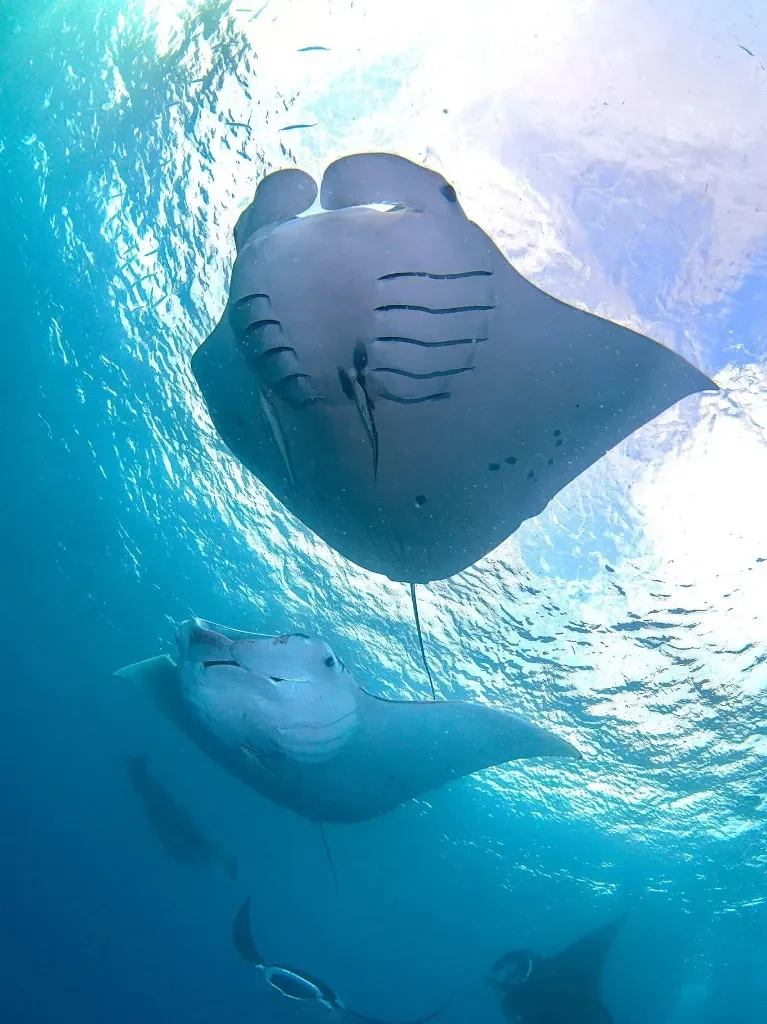
Manta Arch's underwater landscape, defined by its dramatic archway and narrow gutters, serves as a consistent gathering point for marine life. Grey Nurse Sharks are a notable presence, often found sheltering in the overhangs and surrounding depths; aggregations of up to 60 individuals are reported during winter.
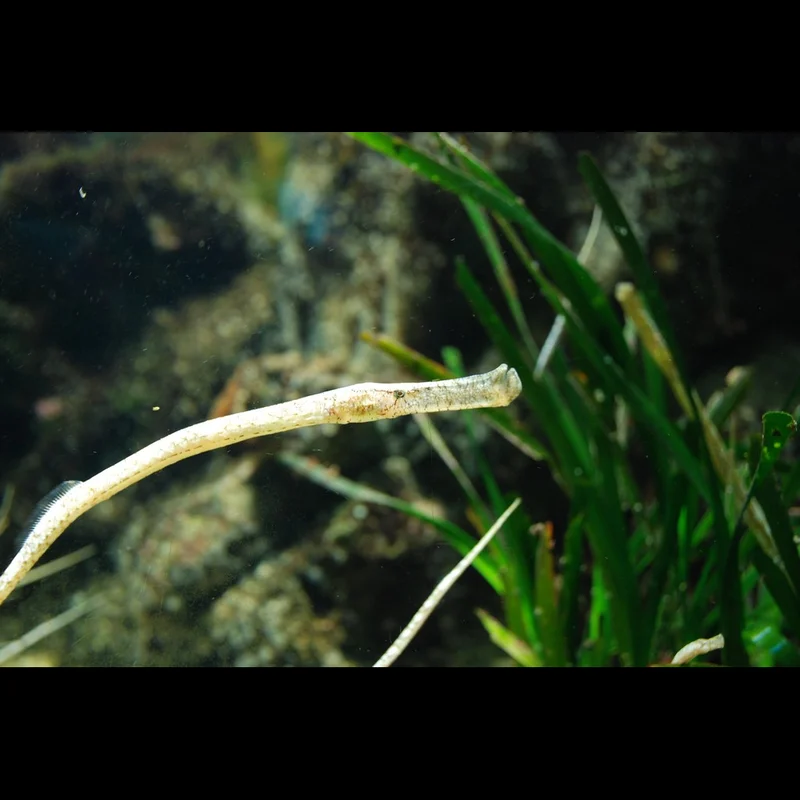
Large pelagics like Manta Rays, Leopard Sharks, and various rays are also observed. The blending of tropical and temperate waters fosters a diverse ecosystem, featuring hard and soft corals, numerous reef fish species, and smaller critters like Ornate Ghost-Pipefish.

Dive Sites Near Manta Arch South Solitary Island
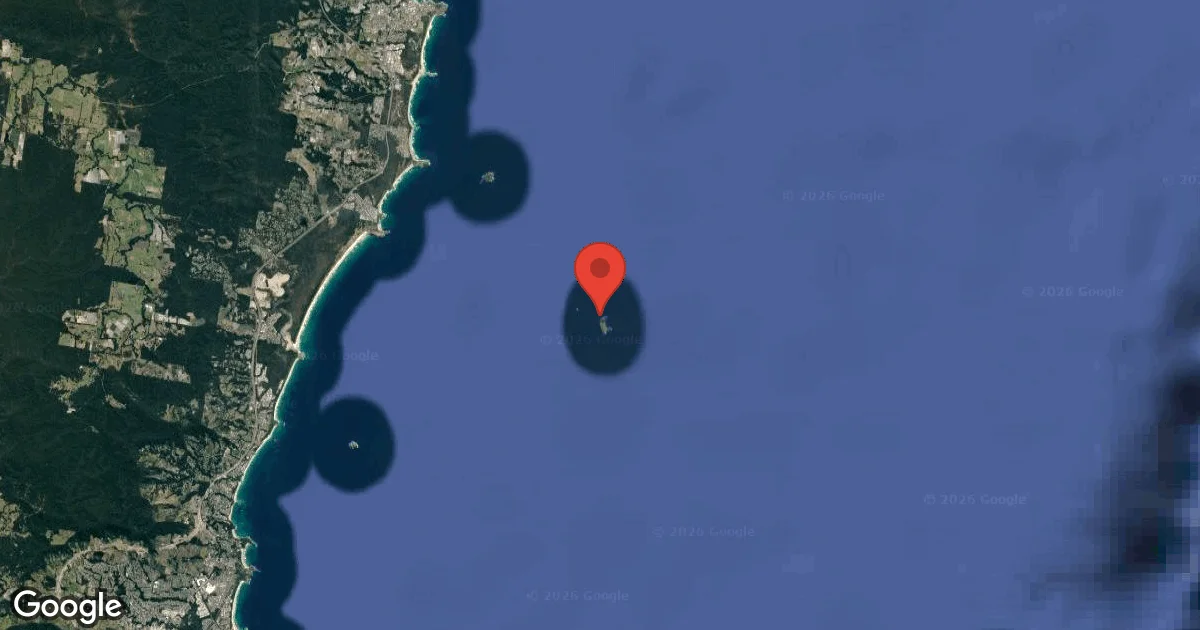
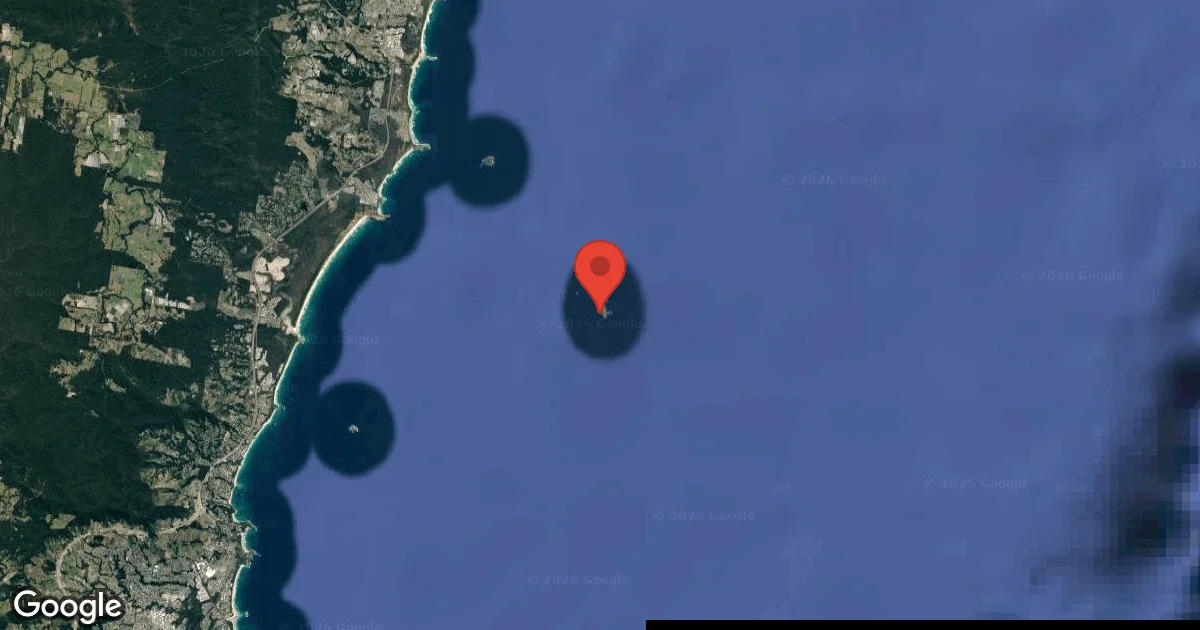
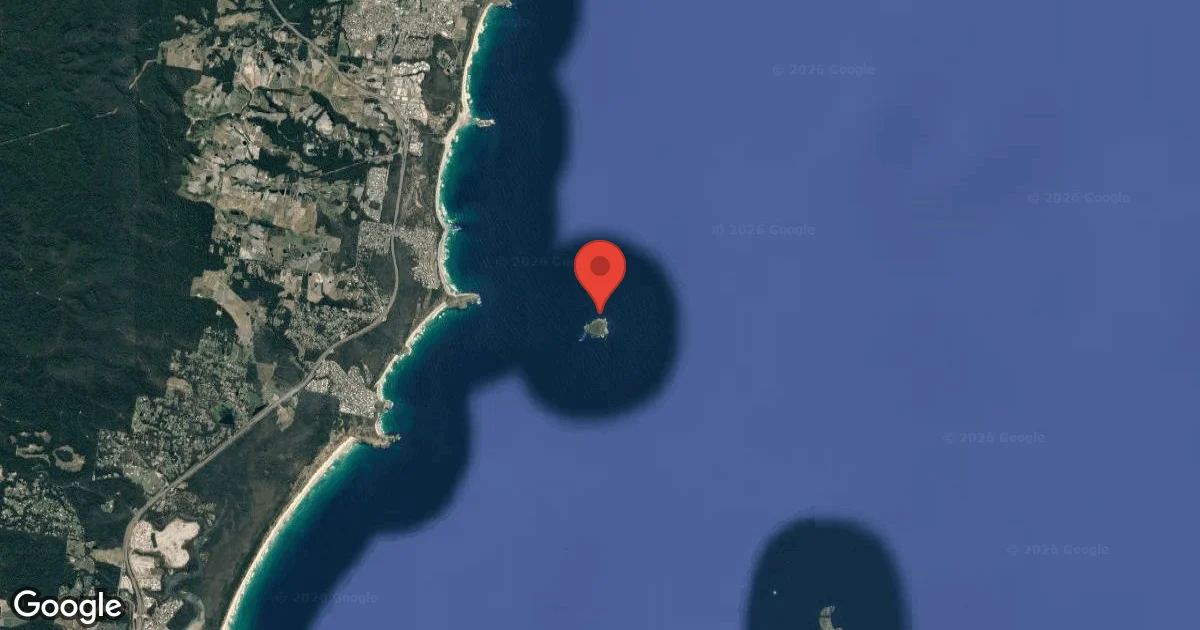
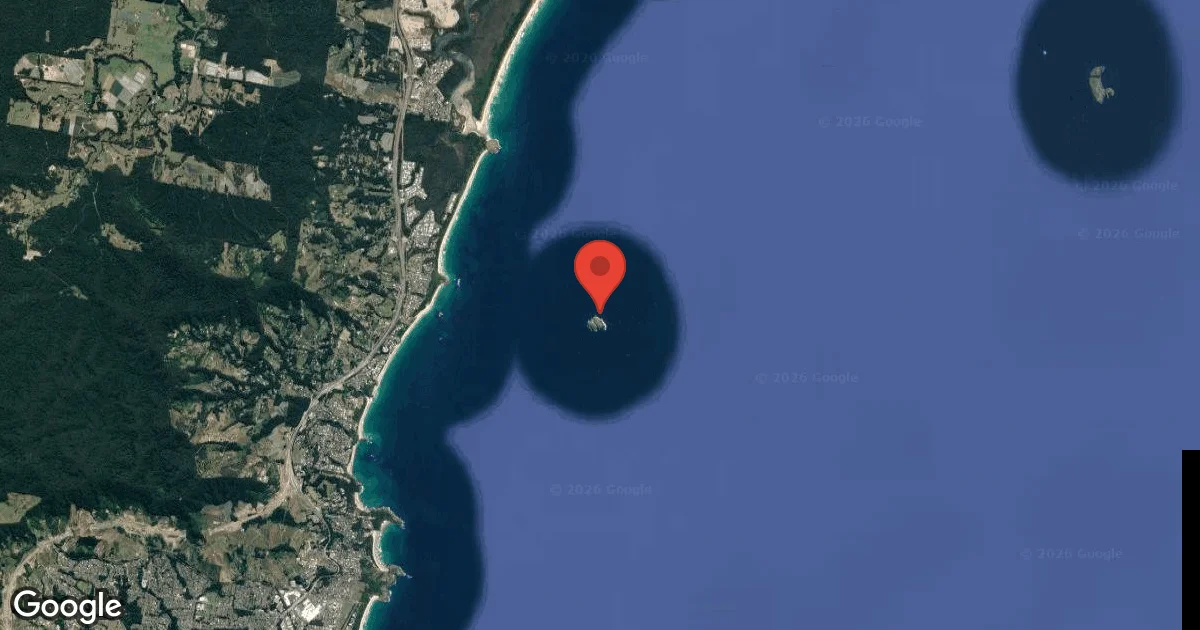
View all dive sites in AustraliaDiscover more underwater gems in this area.
Dive Centers Near Manta Arch South Solitary Island
No Dive Centers Local To Manta Arch South Solitary Island
Are you a dive center visiting this location? Get listed to reach divers.
Nearest Airports
Nearest airports to help plan travel to this dive area.
Search Flights
Check available flights and routes on Expedia, using the nearby airports listed in this section.
Search Flights on ExpediaFrequently Asked Questions
What level of diving experience is required for Manta Arch?
Manta Arch is rated as an advanced dive site due to its characteristic deep archway, variable currents, and depth range. Divers should have appropriate certification and experience for these conditions.
What is the typical depth range for diving at Manta Arch?
Depths at Manta Arch generally range from 6 meters / 20 feet in shallower sections to 28 meters / 92 feet in the deeper gutters. This allows for diverse exploration.
What marine life can divers expect to see at Manta Arch?
Well-known for its consistent population of Grey Nurse Sharks, especially with large numbers gathering in winter, the site also offers encounters with large pelagics like Manta Rays, Leopard Sharks, and various rays. A diverse mix of tropical and temperate reef fish, including species like Lion Fish and Ornate Ghost-Pipefish, can also be observed.
When is the best time to see Grey Nurse Sharks at Manta Arch?
While Grey Nurse Sharks are present year-round, their numbers become particularly abundant during the cooler winter months. They are often seen sheltering within the archway and gutters.
What are the average water temperatures at Manta Arch?
Water temperatures at Manta Arch vary seasonally. They range from approximately 18-19°C / 64-66°F in winter to a peak of 24-26°C / 75-79°F during the summer months (November to April).
Why is Manta Arch considered a significant dive location?
Manta Arch is significant because its unique underwater geography, including a deep archway and gutters, acts as a natural aggregation point for a diverse array of marine life. It particularly draws Grey Nurse Sharks due to the shelter and specific conditions.
Planning to dive Manta Arch South Solitary Island?
Send one inquiry and receive offers directly from the best verified local dive operators.
Conditions are Good
Optimal conditions expected
Current conditions near Manta Arch South Solitary Island show 20° air, 21° sea temperature, 1.5 m waves, and 19 km/h wind. Forecast data is refreshed regularly to ensure accuracy.