
Diving at Cleaner Station South Solitary Island (Australia)
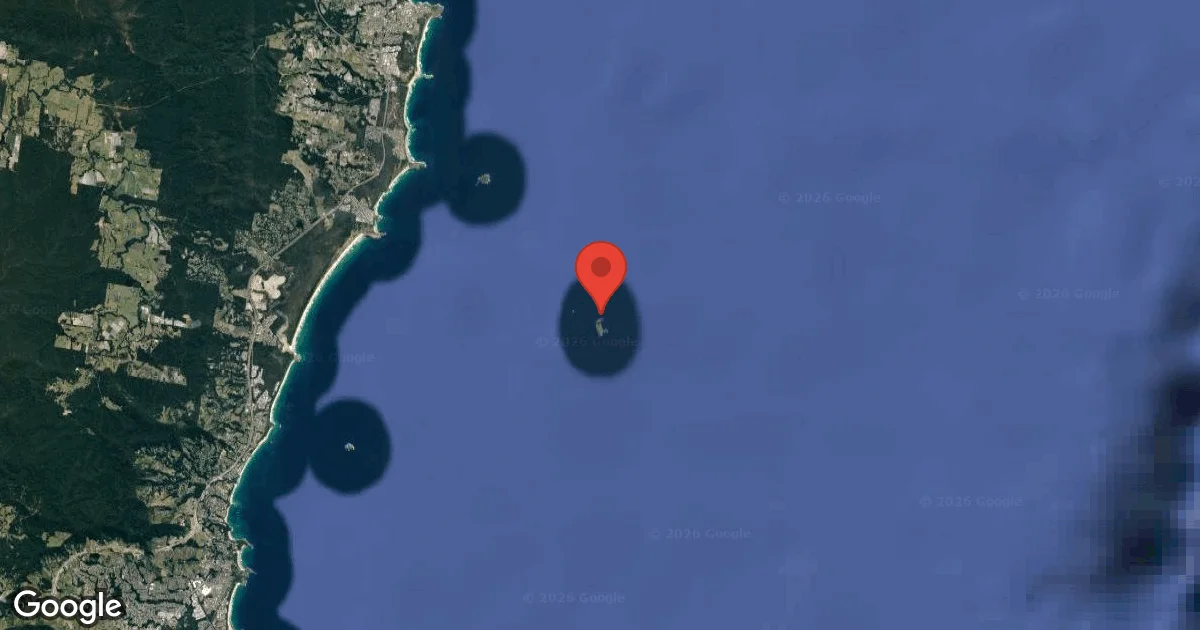
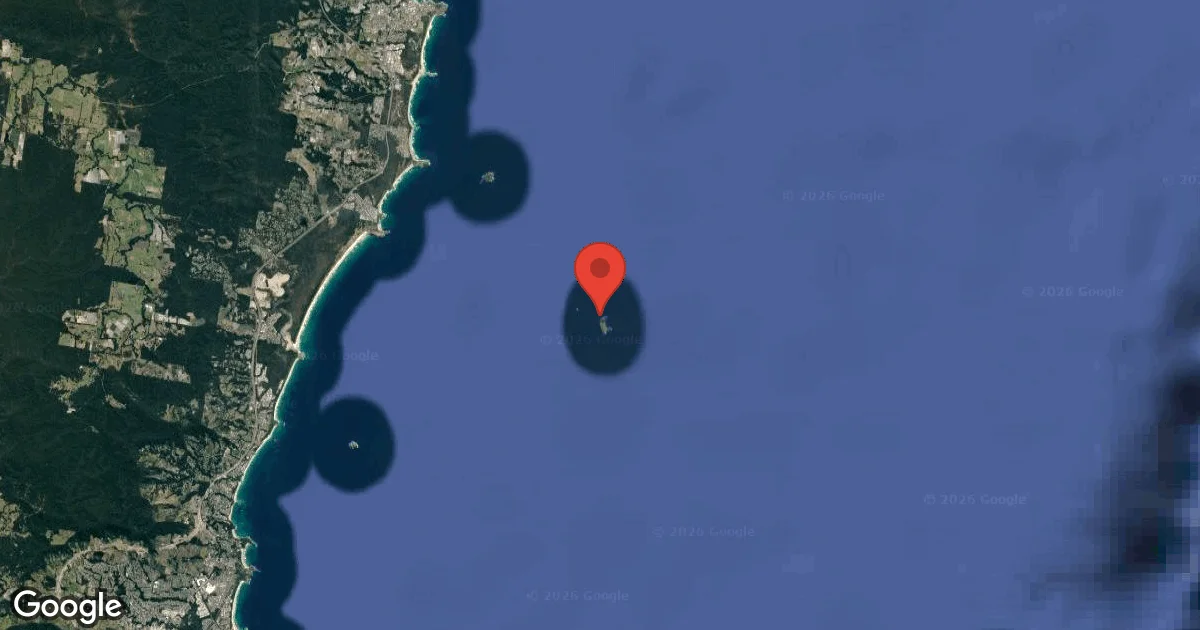
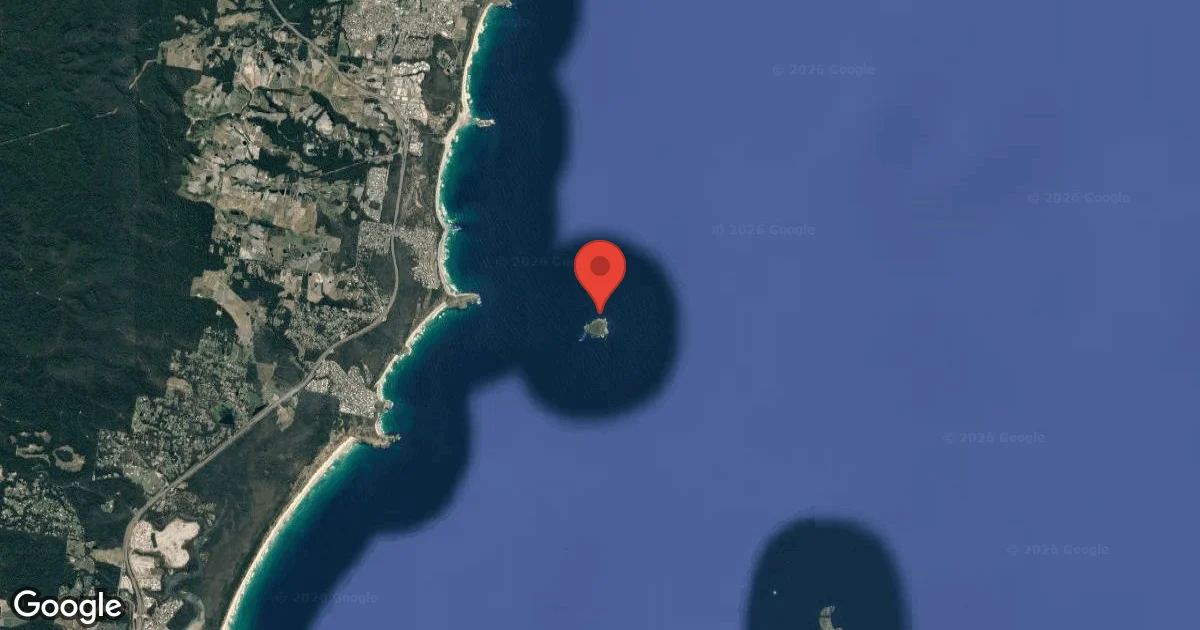
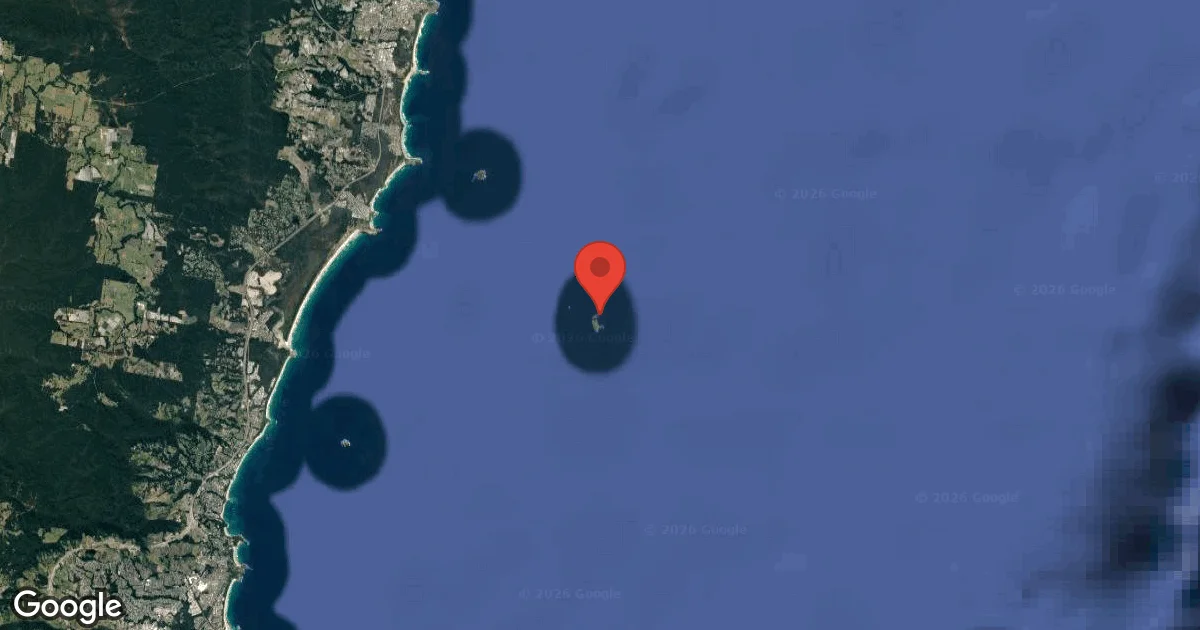
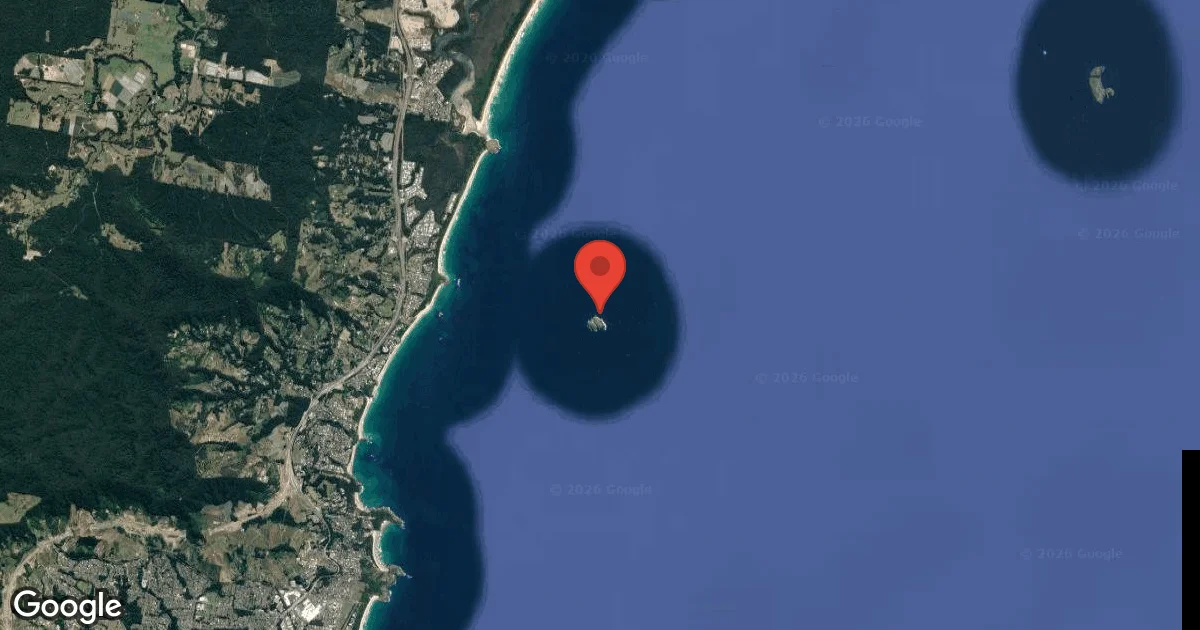
Cleaner Station lies directly on the North Eastern point of South Solitary Island, serving as a frequent starting point for exhilarating drift dives. This site is particularly noted for a large boulder that guards the entrance to a prominent gutter, leading to a recognized cleaning station. Divers often begin here, leveraging favorable currents to glide along the adjacent boulder wall towards other sites like the Gantry Mooring.
As evening covers Cleaner Station South Solitary Island, the local air temperature is measured at 20°C. The current wave height at the surface is recorded at 1.6 m. These late-day readings characterize the surface conditions for the night.
Dive Site Location & Key Facts
Dive Site Overview
Cleaner Station's placement within the Solitary Islands Marine Park, a designated reserve since 1992, profoundly influences its rich biodiversity. An expansive park, extending approximately 75 km (47 mi) along the coastline from Coffs Harbour to Sandon River, defines a marine environment where warm Great Barrier Reef waters converge with cooler southern currents.
Such oceanic mixing fosters a distinctive blend of tropical and sub-tropical marine life, including an array of hard and soft corals, flourishing particularly well within the sheltered island havens. The dive site features a substantial boulder, effectively blocking a gutter's entrance and forming a natural refuge. A mooring rock rests at 12 m (40 ft), with surrounding boulders extending recreational diving depths up to 18 m.
Within this well-defined gutter, a notable cleaning station actively operates. Resident Cleaner Wrasse diligently attend to various fish species, engaging in symbiotic interactions visible to divers.
This specific geological layout provides inherent shelter from stronger currents and contributes significantly to the site's unique ecological function, supporting a vibrant ecosystem within its confines.
Conditions are Good
Optimal conditions expected
Current conditions near Cleaner Station South Solitary Island show 20° air, 21° sea temperature, 1.5 m waves, and 19 km/h wind. Forecast data is refreshed regularly to ensure accuracy.
Best Time to Dive
Planning a dive at Cleaner Station often centers around calmer sea conditions, as stronger currents can impact dive accessibility and duration. The warmer months generally offer more comfortable air temperatures, with January averaging around 23.5°C (74°F) and February at 23.5°C (74°F). Dive scores are consistently moderate throughout the year, with December showing a 'Good' rating, aligning with air temperatures averaging 23°C (73°F). Rainfall is typically lower from June to December, with June seeing averages around 1.6 mm (0.06 in) and December at 2.4 mm (0.09 in), potentially leading to clearer surface conditions. It's often best to check local forecasts for current strength, as a small current day is ideal for initiating a lengthy drift dive from this mooring.
PEAK SEASON SCORE
Scores combine air & water temps, waves, wind & rainfall for overall conditions.
BEST MONTHS TO DIVE
Monthly records compiled from satellite and marine observation nodes over the last 3 years. Data provided by Open-Meteo and MET Norway.
Dive Experience & Conditions
Approaching Cleaner Station, divers encounter a large boulder on the North Eastern point of South Solitary Island, marking a distinctive gutter's entrance. Inside, a bustling cleaning station operates, with various fish species congregating for parasite removal by resident Cleaner Wrasse. Beyond the main gutter, a relatively short Cleaner Cave offers shelter, known for sightings of unusual animals like Ornate Ghost Pipefish and Angler Hand-fish, uncommon for this region. Maximum depth typically reaches 18 m (60 ft), with the mooring rock at 12 m. Conditions are largely influenced by the East Australian Current. Depending on the season, strong currents can affect the ability to begin and end a dive at the same spot; however, Cleaner Station's gutter usually remains calm. Currents generally flow from north to south around the island, often proving too strong to swim against, making planned drift dives a common approach.
Dive Difficulty & Safety Guidelines
Diving at Cleaner Station demands an awareness of potential strong currents, especially those associated with the East Australian Current. These currents can make maintaining a specific location challenging, potentially sweeping divers around the eastern side of South Solitary Island, which isn't typically recommended for uncontrolled drift diving. It's crucial for divers to carefully assess conditions, especially current strength, prior to entry.
Operating from a boat without a surface watch in areas with significant current is not recommended. Many charter operators mitigate these challenges by utilizing the currents rather than fighting them, often starting at Cleaner Station or Shark Gutters and performing a controlled drift along the boulder wall, finishing near the Gantry Mooring. Planning for such a drift dive helps ensure a safe and enjoyable experience.
Recommended Equipment
- Dive Computer
- DSMB
This gear list is based on verified equipment signals for Cleaner Station South Solitary Island, Australia. Always confirm final gear choices with your dive operator, guide, or liveaboard.
Recommended Dive Suit
With water temperatures around 21°C (69°F), many divers find a 5mm wetsuit provides comfortable protection.
Being prepared with flexible exposure options is a common approach among experienced divers.
Current forecasts indicate relatively stable conditions for the coming days.
Emergency & Medical Support
Essential information to help you plan your dive trip to Cleaner Station South Solitary Island.

Hyperbaric chambers are a critical part of dive safety infrastructure. Availability varies significantly by region, and not all dive areas have immediate access.
Before diving, it's recommended to:
- confirm nearest medical facilities
- check emergency procedures with local dive operators
- ensure dive insurance covers evacuation if required
Divers Alert Network
Diving emergency assistance available through DAN World.
+1-919-684-9111- 24/7 emergency hotline
- Diving medical assistance
- Evacuation coordination
Emergency contacts are provided for reference. Always verify local emergency services before diving.
Marine Life at Cleaner Station South Solitary Island
Cleaner Station's functional cleaning station defines its underwater landscape, fostering interactions among diverse marine life. Resident Cleaner Wrasse actively service an array of fish species, creating a dynamic observation point for divers.
A convergence zone for both tropical and sub-tropical species, it boasts exceptional biodiversity. Divers may observe large pelagics, including sizable Kingfish, and frequent sightings of Grey Nurse Sharks in deeper sections.
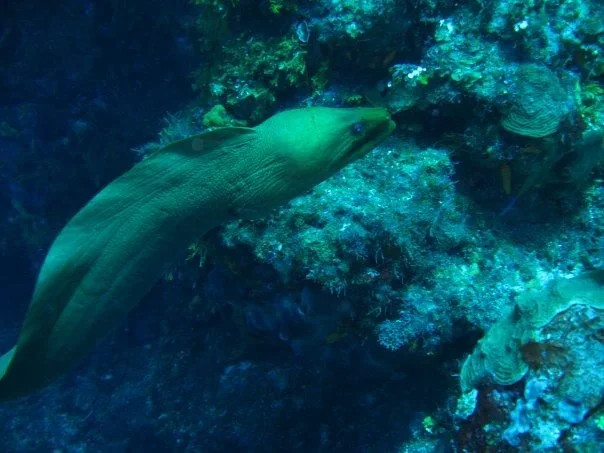
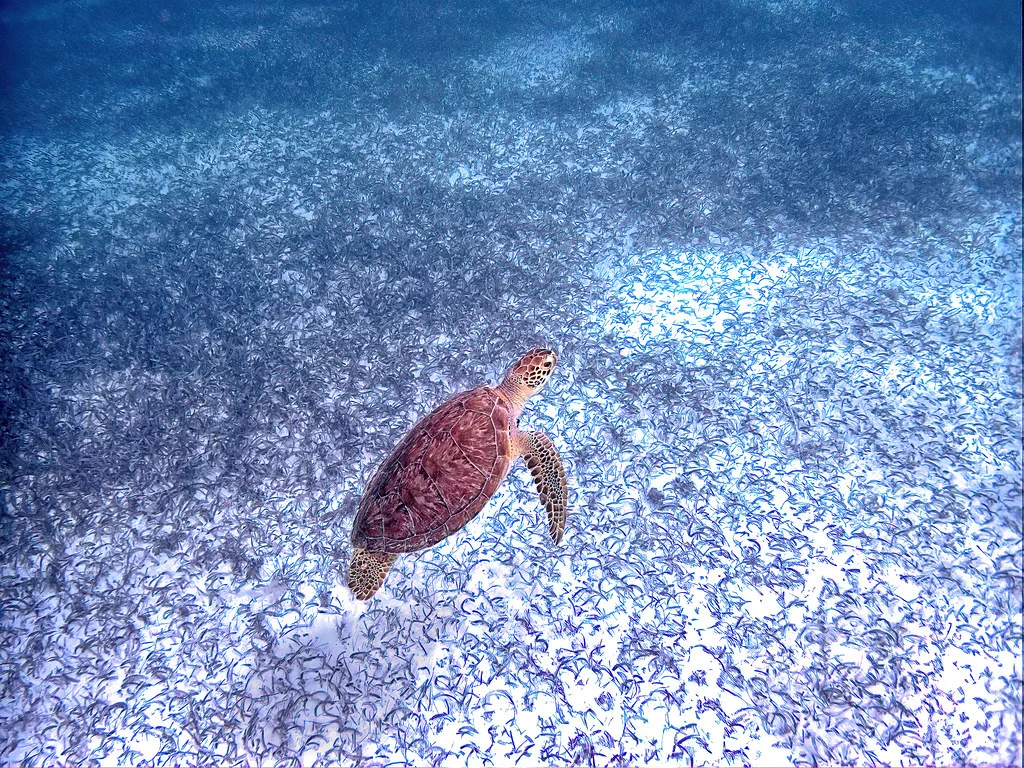
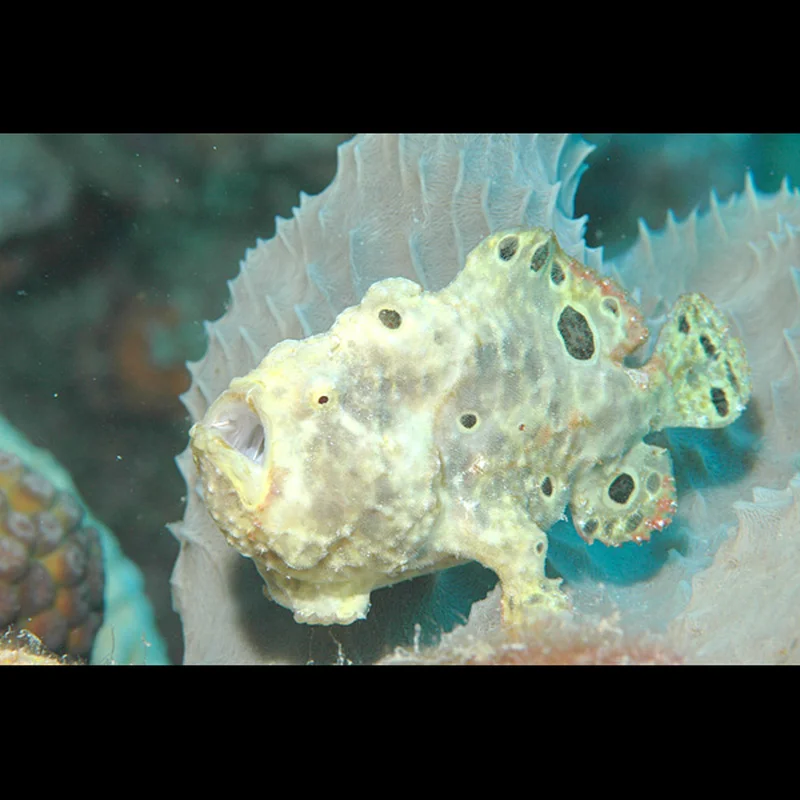
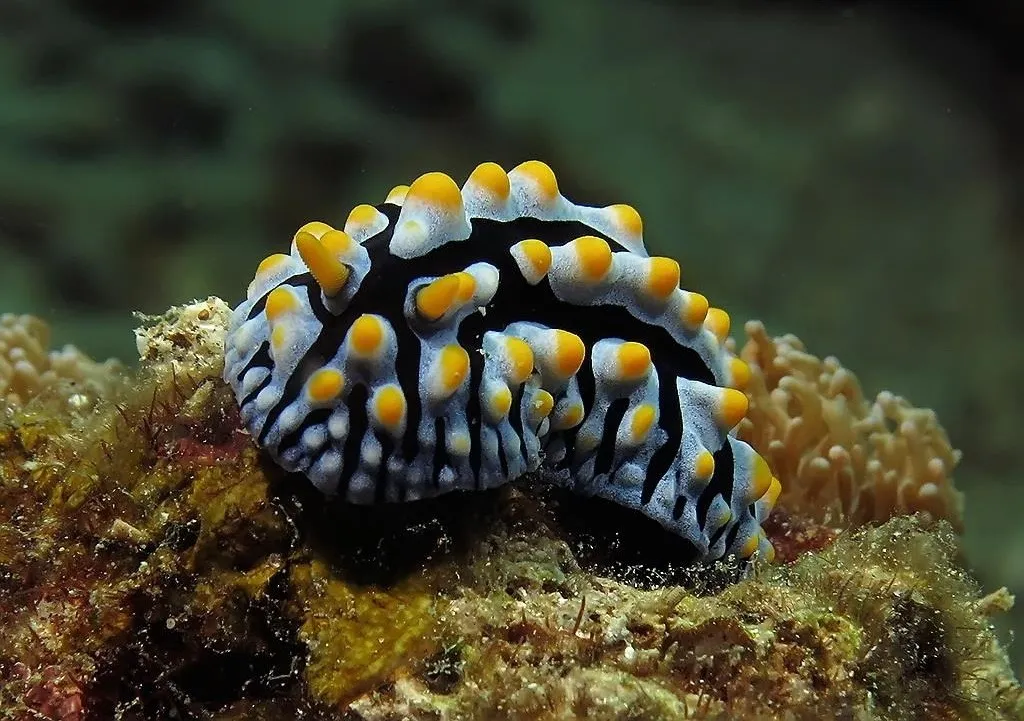
Typical inhabitants include Blue Groper, Wobbegongs, Shovelnose Rays, and Bull Rays. Loggerhead Turtles are often present, alongside unique finds like Frogfish and Anglerfish. Complex terrain here also shelters Moray Eels, Giant Cuttlefish, and a variety of Nudibranchs.

Dive Sites Near Cleaner Station South Solitary Island
View all dive sites in AustraliaDiscover more underwater gems in this area.
Dive Centers Near Cleaner Station South Solitary Island
No Dive Centers Local To Cleaner Station South Solitary Island
Are you a dive center visiting this location? Get listed to reach divers.
Nearest Airports
Nearest airports to help plan travel to this dive area.
Search Flights
Check available flights and routes on Expedia, using the nearby airports listed in this section.
Search Flights on ExpediaFrequently Asked Questions
What is a 'cleaning station'?
A cleaning station is a specific area where various fish species visit to have parasites removed from their bodies. Resident cleaner fish, like the Cleaner Wrasse at this site, perform this service, creating a fascinating ecological interaction for divers to observe.
What depths can be expected at Cleaner Station?
The Cleaner Station mooring rock is situated at 12 m (40 ft) deep. Surrounding boulders extend the diveable area, with depths reaching up to 18 m (60 ft), keeping it well within recreational diving limits.
Are strong currents common at this site?
Yes, depending on the season, Cleaner Station can experience strong currents from the East Australian Current, typically flowing north to south. While the gutter itself is often calm, currents can make it difficult to return to the starting point without careful planning.
What kind of marine life is typical here?
The site boasts a mix of tropical and sub-tropical species. Divers often see Blue Groper, Grey Nurse Sharks, various rays, turtles, and a wide array of reef fish. Unusual sightings like Ornate Ghostpipefish and Angler Hand-fish have also been reported in the Cleaner Cave.
Is Cleaner Station suitable for drift diving?
Absolutely. On days with manageable currents, Cleaner Station serves as an excellent starting point for drift dives. Operators often utilize the current to drift along the boulder wall, finishing at other moorings like the Gantry.
What is the best time of year to dive South Solitary Island?
While conditions can vary, the period from December through May often provides warmer air temperatures and generally stable conditions. December, in particular, tends to have higher dive scores and moderate rainfall. Always check the specific forecast for currents and wave heights.
Planning to dive Cleaner Station South Solitary Island?
Send one inquiry and receive offers directly from the best verified local dive operators.
Conditions are Good
Optimal conditions expected
Current conditions near Cleaner Station South Solitary Island show 20° air, 21° sea temperature, 1.5 m waves, and 19 km/h wind. Forecast data is refreshed regularly to ensure accuracy.