
Diving at Coral Gardens Split Solitary Island (Australia)
Descending into Coral Gardens at Split Solitary Island immediately reveals a vibrant tapestry of hard and soft corals. This site, part of the wider Solitary Islands Marine Park, offers multiple entry points into its extensive reef system. Divers can expect to navigate through various underwater sections, encountering a rich array of invertebrate life. It's an inviting introduction to the diverse ecosystems found within the park's boundaries.
Tonight's objective overview for Coral Gardens Split Solitary Island shows an air temperature of 14.5°C. The measured surface conditions include wave heights around 1.2 m. This environmental data is logged for the close of the day.
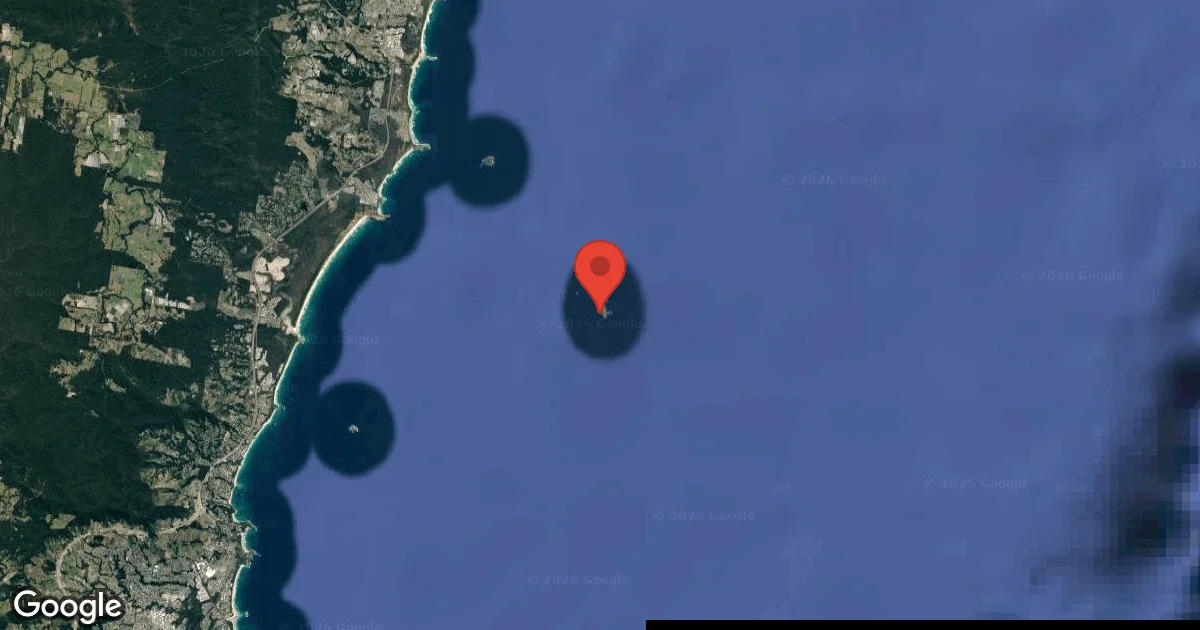
Dive Site Location & Key Facts
Dive Site Overview
Coral Gardens at Split Solitary Island features a varied underwater topography, initiating with a generally flatter bottom on its north-western corner. From this starting point, the environment transitions into a sequence of distinctive bays, each demarcated by rocky headlands and providing a rich habitat for diverse marine organisms.
Divers will discover abundant growths of plate coral intermingled with vibrant kelp beds throughout these bays, creating a mosaic of color and texture. Depths within these bays generally range from 10 to 15 meters (33 to 49 ft), inviting extended bottom times for exploration. Deeper water, where more extensive kelp beds flourish, can extend to approximately 18 meters, offering a different perspective on the site's ecology.
Beyond the main reef, a secondary bommie situated to the north supports dense populations of red morwong, often congregating in impressive schools. Extensive hard and soft coral gardens define the site, making it a visually rich environment to explore with ample macro opportunities.
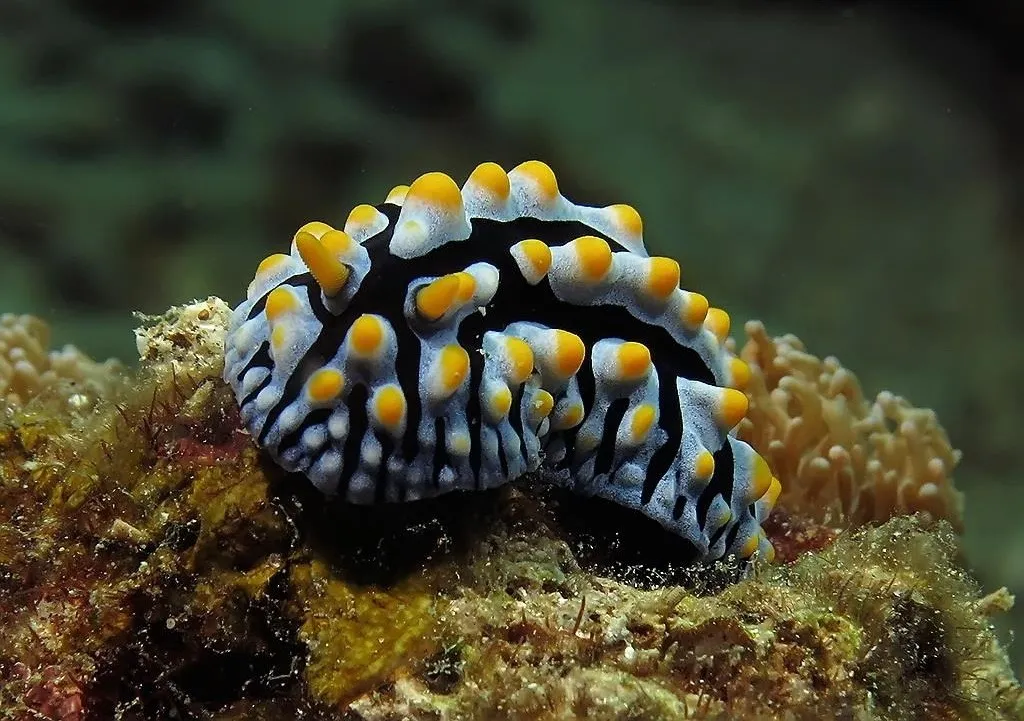
Invertebrate life, including numerous cowry shells and colorful nudibranchs, often blankets the rocky headlands, crafting a detailed landscape for close observation and photography. Exploring this diverse structure ensures new discoveries on every dive, thanks to its varied habitats and the dynamic interplay of currents influencing marine life distribution.
Conditions are Excellent
07:00 - 14:00
Optimal conditions expected
Current conditions near Coral Gardens Split Solitary Island show 15° air, 20° sea temperature, 1.2 m waves, and 14 km/h wind. Forecast data is refreshed regularly to ensure accuracy.
Best Time to Dive
Optimal visibility is often a primary consideration when planning a dive at Coral Gardens Split Solitary Island. While visibility can vary more than at some other offshore sites, generally calmer conditions enhance clarity. Looking at climate patterns, months with "Good" dive scores, such as January, February, June, September, November, and December, often correlate with more favorable diving conditions. For instance, January sees average air temperatures around 23°C (73°F) with moderate rain at 5.2mm, suggesting comfortable surface conditions. Similarly, June, despite cooler air temps around 14°C (57°F), has very low average rainfall (1.7mm) and a lower wave height (1.5 m), which can contribute to better underwater clarity. These periods tend to offer a more consistent diving experience, especially when winds are lighter, impacting surface chop and potential sediment disturbance. Conversely, months like March, April, and May, with "Moderate" dive scores, show higher average wave heights, which might reduce visibility on certain days.
PEAK SEASON SCORE
Scores combine air & water temps, waves, wind & rainfall for overall conditions.
BEST MONTHS TO DIVE
Monthly records compiled from satellite and marine observation nodes over the last 3 years. Data provided by Open-Meteo and MET Norway.
Dive Experience & Conditions
As divers descend at Coral Gardens, the immediate sensation is one of entering a thriving, textured environment. The site typically presents a maximum depth of 18 meters (59 ft), though much of the exploration occurs within the 10-16 meter (33-52 ft) range. Water temperature varies depending on the season, influenced by the meeting of warmer northern and cooler southern currents, which can mean anything from 22-27°C (72-81°F) during warmer months, dropping cooler during winter. Visibility can sometimes be reduced compared to more offshore islands, requiring closer attention to detail in the vibrant coral gardens. Expect to encounter abundant coral life in the bays and a variety of invertebrates across the rocky headlands. Turtles are often observed sleeping in the shallower kelp beds, adding a serene element to the dive.
Dive Difficulty & Safety Guidelines
While Coral Gardens Split Solitary Island is often considered an approachable site, divers should remain mindful of potentially variable currents and visibility. Although strong currents are not consistently reported for this specific site, regional influences like the East Australian Current can create conditions where drift diving might occur, especially around the island's periphery. Always dive with a reliable surface watch if currents are a concern.
Navigation can sometimes be a challenge if visibility is reduced, so maintaining situational awareness and regularly checking your compass is advisable. Staying within designated dive plan parameters, especially regarding maximum depth and bottom time, is crucial. This helps ensure a safe and enjoyable experience within the Solitary Islands Marine Park.
Recommended Equipment
- Dive Computer
- DSMB
This gear list is based on verified equipment signals for Coral Gardens Split Solitary Island, Australia. Always confirm final gear choices with your dive operator, guide, or liveaboard.
Recommended Dive Suit
Exposure protection is partly a personal preference.
5mm wetsuit typically provides a reliable level of thermal protection for dives here. A hood or vest is suggested for sensitive divers due to surface winds. A thermal robe or jacket is recommended between dives. Environmental models indicate a modest warming trend ahead. A warming trend is expected over the next few days.
Current temperature readings suggest that the water at Coral Gardens Split Solitary Island is around 20°C (69°F). Surface air temperatures are resting at 15°C (58°F).
Emergency & Medical Support
Essential information to help you plan your dive trip to Coral Gardens Split Solitary Island.

Hyperbaric chambers are a critical part of dive safety infrastructure. Availability varies significantly by region, and not all dive areas have immediate access.
Before diving, it's recommended to:
- confirm nearest medical facilities
- check emergency procedures with local dive operators
- ensure dive insurance covers evacuation if required
Divers Alert Network
Diving emergency assistance available through DAN World.
+1-919-684-9111- 24/7 emergency hotline
- Diving medical assistance
- Evacuation coordination
Emergency contacts are provided for reference. Always verify local emergency services before diving.
Marine Life at Coral Gardens Split Solitary Island
Coral Gardens offers a dynamic underwater landscape, supporting a diverse array of marine life. Within vibrant hard and soft coral gardens, divers will frequently spot turtles resting among the kelp beds in shallower sections.
Rocky headlands and bays are richly populated with invertebrate life, including numerous cowry shells and colorful nudibranchs that provide intricate details for discovery. Further north, a distinct bommie serves as a congregating point for red morwong, adding another dimension to the fish populations.
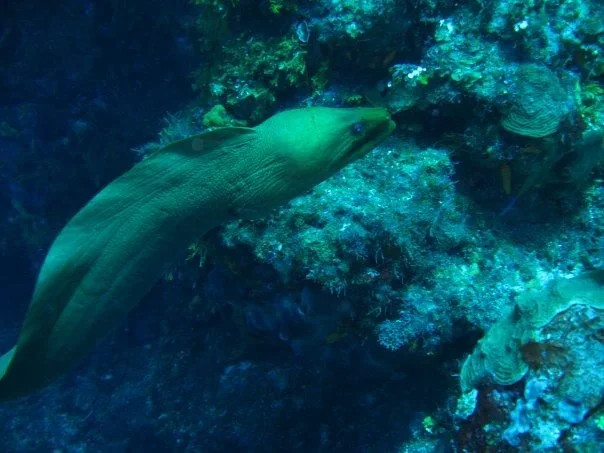
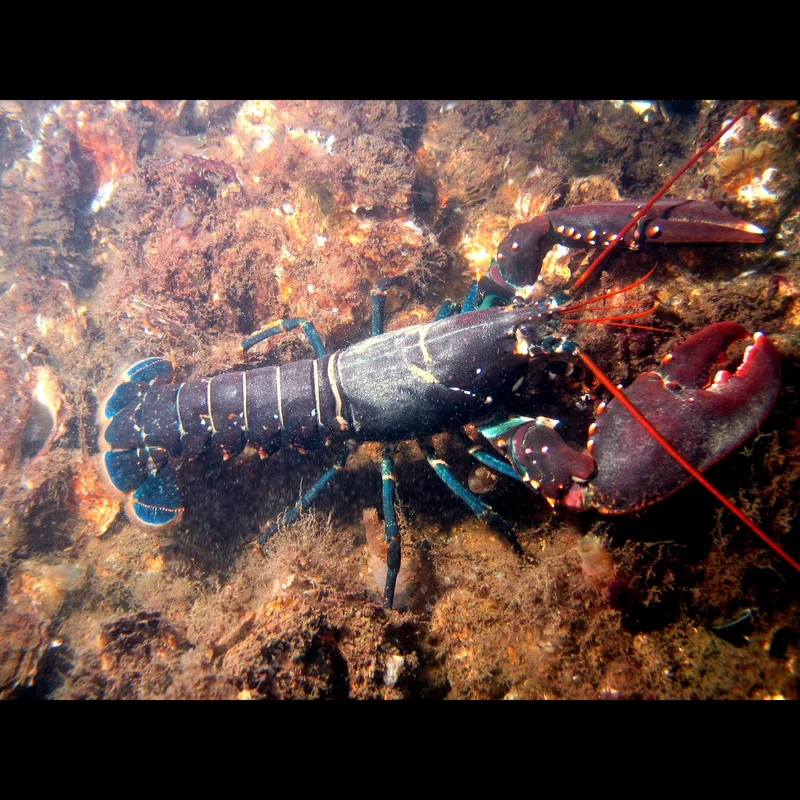
Moray eels and lobsters are often observed utilizing the nooks and crevices of the reef structure. Divers encounter a mix of tropical and sub-tropical species here, ensuring a varied experience with every dive.

Dive Sites Near Coral Gardens Split Solitary Island
View all dive sites in AustraliaDiscover more underwater gems in this area.
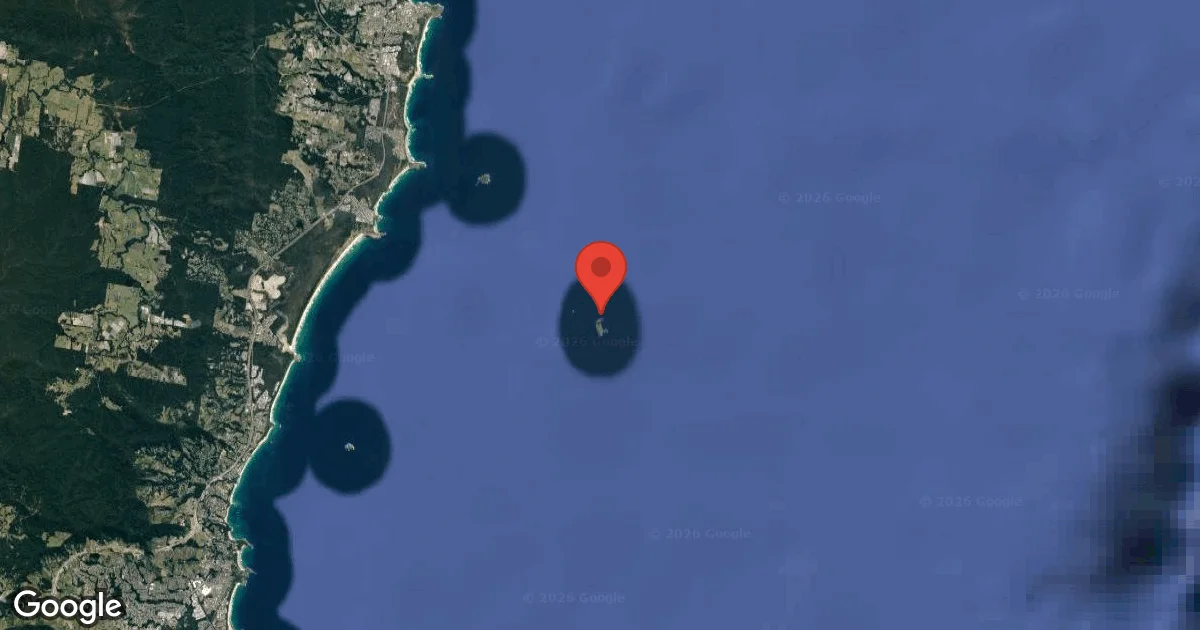
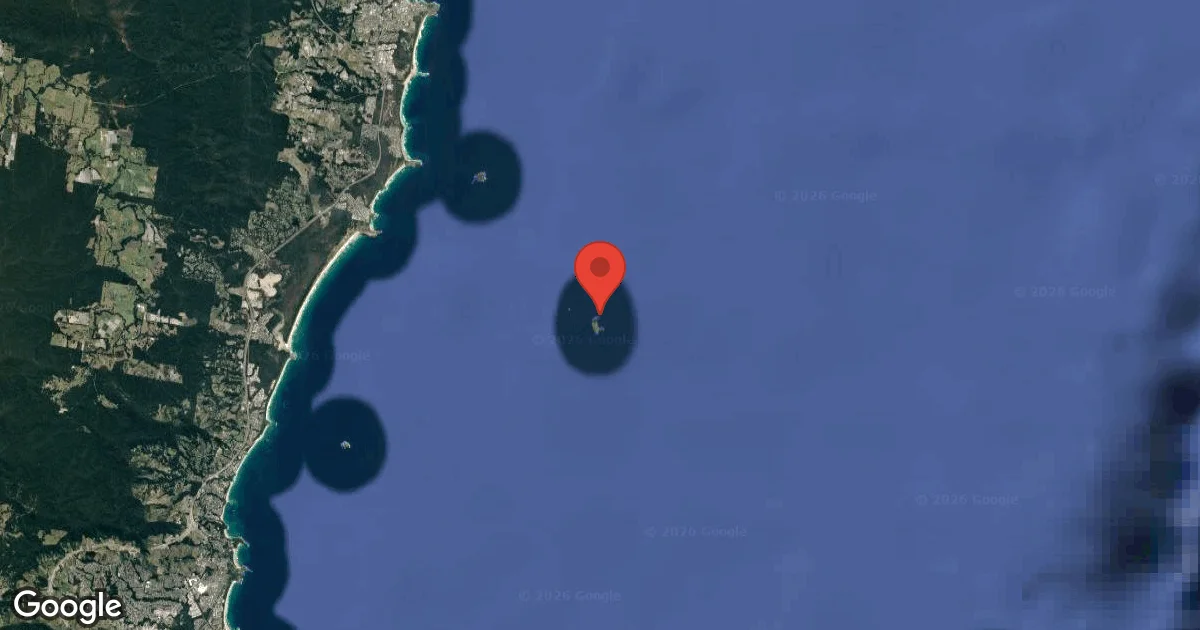
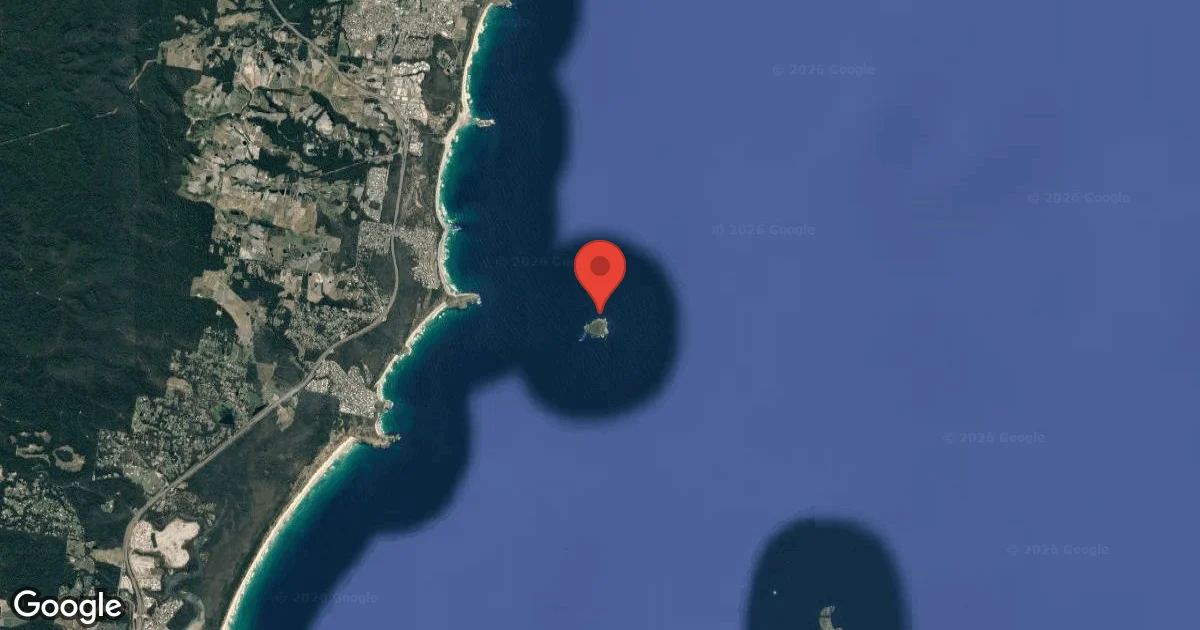
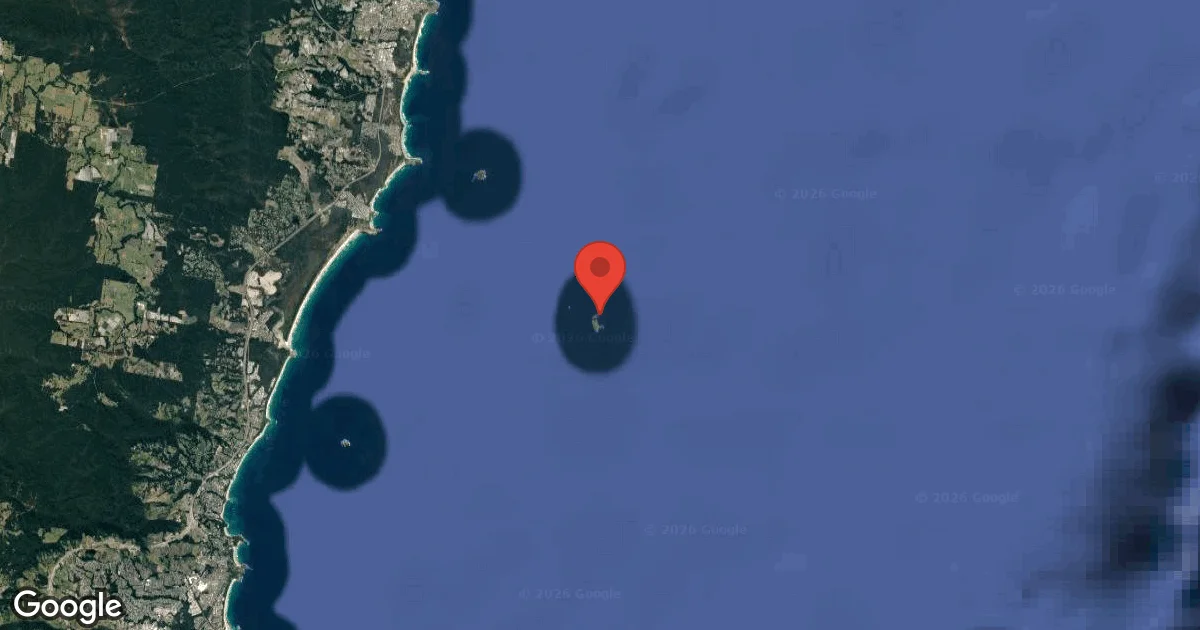
Dive Centers Near Coral Gardens Split Solitary Island
No Dive Centers Local To Coral Gardens Split Solitary Island
Are you a dive center visiting this location? Get listed to reach divers.
Nearest Airports
Nearest airports to help plan travel to this dive area.
Search Flights
Check available flights and routes on Expedia, using the nearby airports listed in this section.
Search Flights on ExpediaFrequently Asked Questions
What is the typical depth range for diving at Coral Gardens Split Solitary Island?
Depths at Coral Gardens generally vary between 10 to 15 meters (33 to 49 ft) in the main bays. Deeper sections, particularly where kelp beds are found, can reach a maximum of 18 meters (59 ft).
What kind of visibility can be expected at Coral Gardens?
Visibility at Coral Gardens can be variable, sometimes reduced compared to more offshore sites in the Solitary Islands. Conditions are generally clearer during periods of lower wave height and lighter winds.
What marine life is commonly seen at Coral Gardens?
The site is known for its abundant hard and soft corals, along with varied invertebrate life like cowry shells and nudibranchs. Divers frequently encounter turtles, moray eels, lobsters, and red morwong.
Are there any significant currents at Coral Gardens?
While often an easy dive with minimal current, regional influences can lead to variable conditions. It's always prudent to monitor conditions and have a surface watch, especially if planning a drift dive.
What are the typical water temperatures at Coral Gardens?
Water temperatures at Coral Gardens can range seasonally, influenced by the convergence of tropical and sub-tropical currents. While not consistently reported, local conditions generally sit between 22-27°C (72-81°F) in warmer months.
Is Coral Gardens Split Solitary Island suitable for snorkelers?
Yes, Coral Gardens offers shallower sections, typically 10-15m (33-49 ft), with abundant coral life and frequently seen turtles, making it a good site for snorkeling under appropriate conditions.
How does Coral Gardens compare to other sites in the Solitary Islands Marine Park?
Coral Gardens is closer to the coast than South Solitary Island, meaning visibility can sometimes be reduced. However, it's particularly noted for its extensive coral gardens and rich invertebrate life.
Planning to dive Coral Gardens Split Solitary Island?
Send one inquiry and receive offers directly from the best verified local dive operators.
Conditions are Excellent
07:00 - 14:00
Optimal conditions expected
Current conditions near Coral Gardens Split Solitary Island show 15° air, 20° sea temperature, 1.2 m waves, and 14 km/h wind. Forecast data is refreshed regularly to ensure accuracy.